 Retro Replay Retro Replay gaming reviews, news, emulation, geek stuff and more!
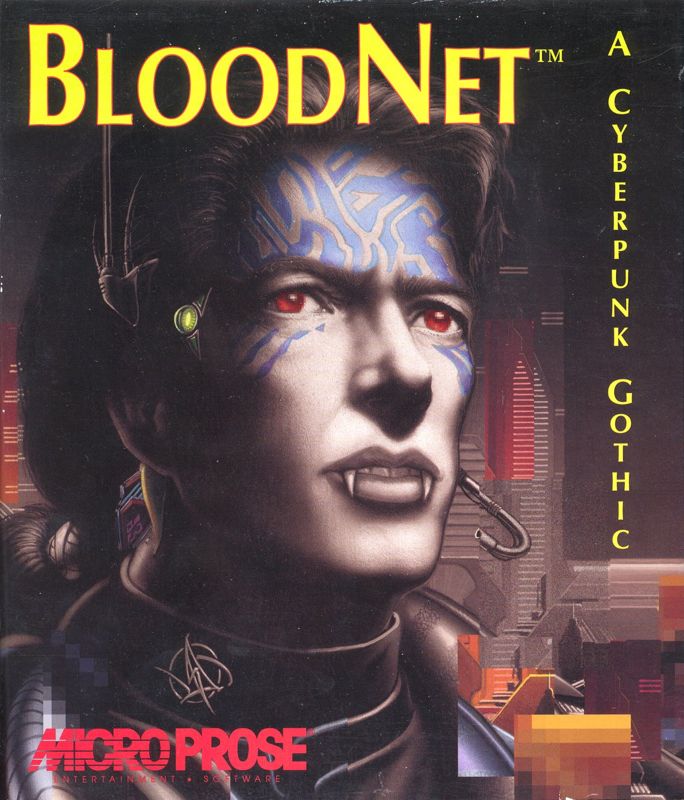




Retro Replay Review
Gameplay
BloodNet blends point-and-click adventure mechanics with light RPG elements, delivering a gameplay loop that feels both familiar and refreshingly innovative. Players navigate Ransom Stark through a richly detailed Manhattan, solving puzzles by scanning environments, hacking terminals, and interrogating NPCs. The freedom to approach challenges as a computer hacker, scrounger, or mercenary—decided by initial dialogue choices—adds replay value and subtly shifts available solutions.
(HEY YOU!! We hope you enjoy! We try not to run ads. So basically, this is a very expensive hobby running this site. Please consider joining us for updates, forums, and more. Network w/ us to make some cash or friends while retro gaming, and you can win some free retro games for posting. Okay, carry on 👍)
Combat encounters are sparse but memorable, relying on strategic resource management rather than twitch reflexes. Whether you’re hacking security systems to avoid guards, bargaining for ammo, or deciding when to activate your prototype brain implant, each decision carries weight. The implant’s ability to suppress vampiric urges introduces a clever risk-reward dynamic: push it too often and Stark’s sanity meter takes a toll, but hold back and you risk being overrun by dark instincts.
Exploration is another strong suit. BloodNet’s city map lets you hop between dive bars, corporate skyscrapers, and abandoned subway tunnels, all in search of leads and gear. Encounters with vending-machine babblebots or shady cyberspace denizens keep the pacing dynamic. The in-game inventory and dialogue systems occasionally feel clunky by modern standards, but they capture the era’s charm and force players to think carefully about item utility and conversation branching.
Character progression is subtle: instead of leveling up in a traditional sense, Stark’s skills evolve through story events and resource choices. Hacking protocols become more efficient after finding rare code snippets, while vampiric abilities can be unlocked if you lean into the darker path. This hybrid of narrative-driven growth and modular skill boosts ensures that each playthrough can emphasize stealth, diplomacy, or raw firepower, depending on your style.
Graphics
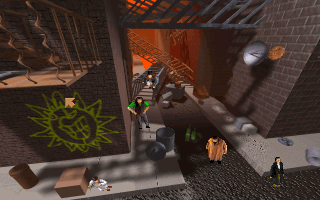
For its time, BloodNet’s pixel art backgrounds and character portraits offer a moody, cyberpunk aesthetic that perfectly complements the vampire underworld narrative. Neon-lit street scenes contrast sharply with the gothic interiors of TransTechnicals towers, creating a visual tension that underscores the game’s themes of technology versus primal darkness. Though low-resolution by today’s standards, the art direction remains evocative and invites frequent second glances.
Cutscenes are sparse but effective, using static images with text overlays to advance the plot without interrupting immersion. Character portraits during conversations showcase subtle emotional shifts—Stark’s weary gaze or a vampire’s predatory grin—adding personality to dialogue and making key moments more impactful. Occasional animated sequences in cyberspace feel like early glimpses of VR, complete with wireframe grids and glitch effects.
Interface elements lean into the 1990s adventure game blueprint: icon-based commands line the bottom of the screen, and inventory items are managed through drag-and-drop mechanics. While modern players may find this layout dated, it reinforces the sensation of being plugged into an archaic hacking rig. Sound design—a mix of beeps, hums, and occasional guitar riffs—supports the visuals, though fans of high-fidelity audio might feel shortchanged.
Overall, BloodNet’s graphics succeed not by pushing pixels to their limits, but by establishing a cohesive, stylish world where vampires roam neon streets and cyberspace feels just dangerous. For those who appreciate retro flair and atmospheric art direction, the visuals alone make the journey worth embarking on.
Story
At its heart, BloodNet is a grand conspiracy tale wrapped in vampire lore and cyberpunk sensibilities. You begin as Ransom Stark, a former TransTechnicals employee expelled for brain damage caused by your own prolonged exposure to cyberspace. The early exposition—delivered via journal entries and terse dialogue—establishes Stark’s desperation and the moral ambiguity of his world.
Enter Deirdre Tackett, an ingenious designer who implants Stark with a device to restore his mental balance. This setup not only explains the implant mechanics but also offers a personal stake: you’re indebted to Deirdre, whose vendetta against TransTech unravels layer after layer of corporate malfeasance. As the narrative unfolds, you discover that the true puppet master is Abraham Van Helsing, an immortal vampire scheming to control both Manhattan’s streets and the nebulous expanse of cyberspace.
The strength of BloodNet’s story lies in its pacing and player agency. Dialogue choices can open or close entire mission branches, while side quests—like rescuing fellow hackers or tracking down rare tech components—add depth to the world. Even your alignment with vampiric powers carries narrative consequences, leading to alternate endings that range from heroic sacrifice to tragic damnation.
Despite some dated exposition techniques and occasional info-dump moments, the blend of corporate espionage, supernatural horror, and early netculture references holds up remarkably well. Fans of dystopian thrillers and vampire fiction will find themselves glued to the screen, eager to see how Stark balances the fight for humanity against his own encroaching darkness.
Overall Experience
BloodNet offers a uniquely cross-genre experience that still feels fresh decades after its release. Its marriage of point-and-click adventure, RPG decision-making, and cyberpunk atmosphere results in a game that rewards patience, curiosity, and moral deliberation. While certain mechanics—like menu navigation and occasional pixel hunts—show their age, they’re part of the package that gives BloodNet its vintage charm.
The world design excels at fostering a sense of immersion. From grimy back alleys patrolled by vampire thralls to sleek corporate lobbies guarded by droids, each locale tells a story. Coupled with a branching narrative and multiple endings, the game invites replay, prompting you to tackle missions differently as a hacker-for-hire or a reluctant vampire hunter.
Technically, BloodNet runs well on modern systems via emulators or fan-made patches, though newcomers may need a quick primer on troubleshooting DOS-era quirks. The difficulty curve is gentle but can spike during certain puzzle sequences—keeping a walkthrough handy might ease frustration without detracting from the reward of working things out yourself.
In sum, BloodNet remains a standout title for players seeking an offbeat adventure that combines gothic horror with early cyberspace intrigue. Its strengths in storytelling, atmosphere, and player choice outweigh any dated mechanics, making it a recommended play for fans of retro RPG-adventures and cyberpunk mysteries alike.


Reviews
There are no reviews yet.