 Retro Replay Retro Replay gaming reviews, news, emulation, geek stuff and more!


Retro Replay Review
Gameplay
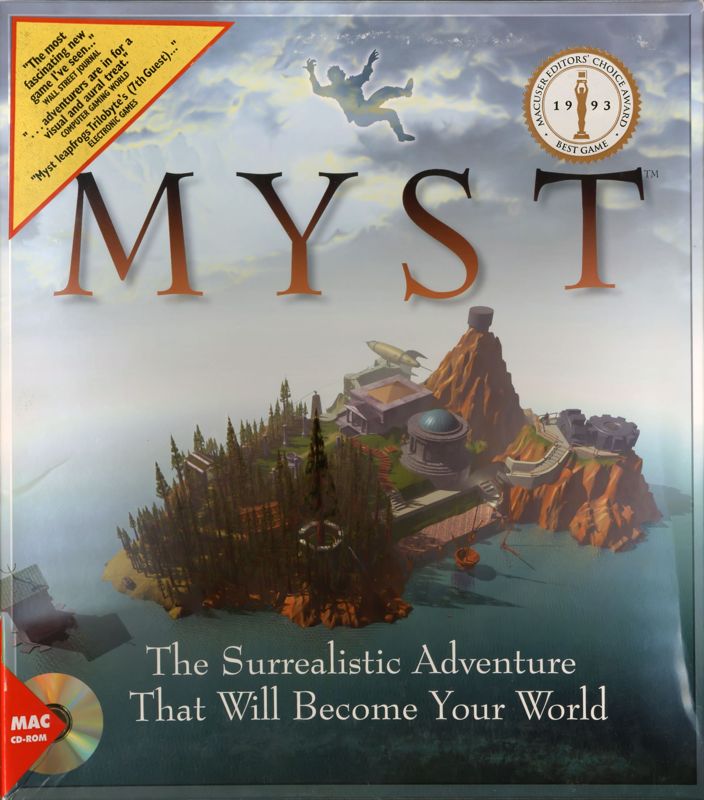
Myst’s gameplay revolves around a first-person, point-and-click exploration system that prizes observation and patience over reflexes or combat prowess. You guide The Stranger through a series of intricately rendered static scenes, each overflowing with levers, switches, and hidden mechanisms. Movement between locations is handled by clicking on the edges of the scene, offering a simple but effective way to navigate the island and its surrounding Ages.
(HEY YOU!! We hope you enjoy! We try not to run ads. So basically, this is a very expensive hobby running this site. Please consider joining us for updates, forums, and more. Network w/ us to make some cash or friends while retro gaming, and you can win some free retro games for posting. Okay, carry on 👍)
Rather than managing an inventory of dozens of items, you must pay attention to environmental hints—an odd symbol etched on a wall, a pattern in a floor grate, or a cryptic entry in a journal. These clues often require you to manipulate complex machinery in precise sequences. There are no enemies to fight, and you cannot die, eliminating the pressure of time limits or harassment. The core challenge lies in piecing together the island’s secrets at your own pace.
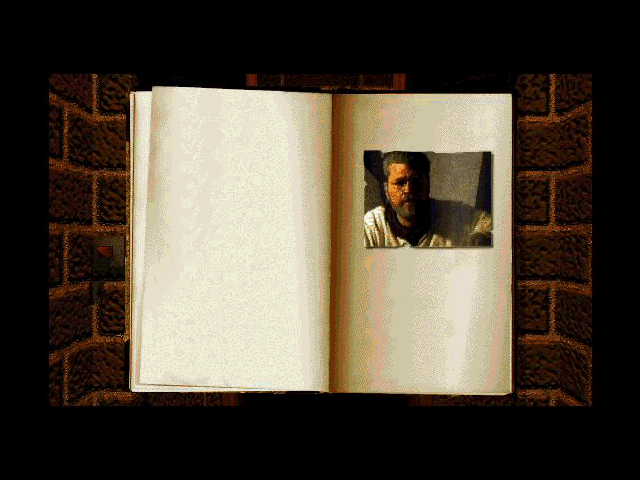
The island is divided into several mini-worlds, or Ages, each accessed by finding and using different linking books. Every Age brings new visual and mechanical themes, from flooded caverns to fire-lit treehouses, ensuring that the puzzle variety stays fresh. While some players may find the lack of hints frustrating, those who relish trial-and-error and genuine “aha!” moments will find Myst’s puzzles deeply rewarding.
Graphics
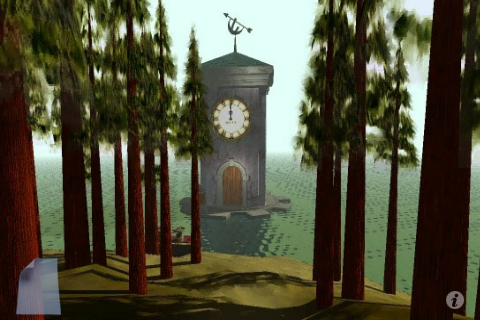
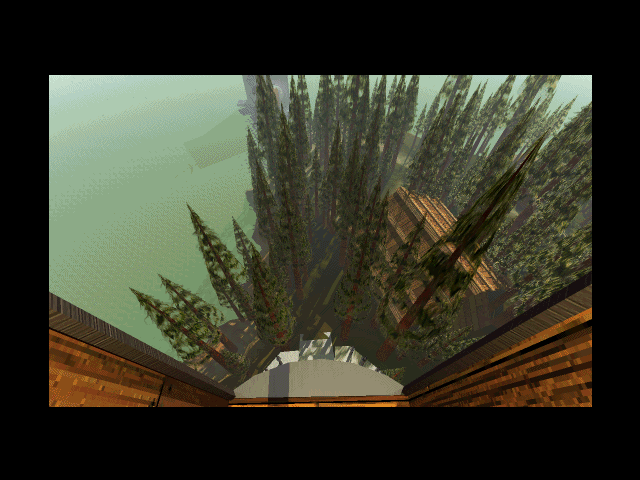
Myst’s graphics are fully pre-rendered, a breakthrough for their time that still holds up today thanks to their meticulous attention to detail. Every rock face, water pool, and rusted gear feels deliberately placed, creating a world that coherently suggests decades—or even centuries—of abandonment. The lush color palette and delicate use of lighting convey an atmosphere that is at once serene and uncanny.
While modern gamers might notice the lack of real-time animation, the static screens are far from lifeless. Subtle environmental effects—rippling water reflections, drifting clouds, and glowing embers—are expertly simulated to draw you deeper into the mystery. Transitions between nodes use carefully crafted crossfades that maintain immersion, rather than jarring teleportation.
The resolution and aspect ratio reflect the hardware limitations of the early 1990s, but Myst’s art direction transcends those constraints. Each frame feels like a hand-painted illustration, and minor degradation of texture or aliasing only adds to the sense of exploring a long-forgotten island. For many players, the visuals alone are worth the journey.
Story
Myst opens on a single premise: you have stumbled upon a mysterious book that describes an island world, only to find yourself physically transported there the moment you touch its final page. This simple hook instantly casts a spell of curiosity and isolation. With no immediate guidance or companions, you must uncover why this island exists and who—if anyone—left it behind.
The narrative unfolds almost entirely through environmental storytelling. Sparse journal entries, scattered notes, and the ruins of elaborate machinery hint at the former inhabitants, known as the D’ni, and their tragic history. Very few live-action scenes or dialogue punctuate the experience; instead, the island itself becomes the primary storyteller, whispering secrets through its architecture and hidden mechanisms.
Despite the absence of a conventional cast, Myst’s story is rich and layered. Each new Age reveals more about the D’ni civilization—its creativity, hubris, and ultimate downfall. As you progress, you piece together a larger tapestry of intrigue, betrayal, and the power of knowledge, culminating in an ending that feels earned and hauntingly open-ended.
Overall Experience
Myst is a masterclass in mood and environment, offering an unhurried adventure that lets you set your own pace. The only sound you hear may be a distant waterfall or the creak of a hidden gear, fostering an intimate bond between player and world. This meditative quality makes Myst as much an interactive art piece as it is a game.
While action-oriented gamers may find the lack of enemies or fast-paced sequences unusual, puzzle enthusiasts and fans of atmospheric exploration will appreciate the depth of challenge and sense of discovery. There’s no hand-holding here: if you’re willing to embrace occasional frustration in exchange for genuine breakthroughs, Myst delivers one of the most satisfying puzzle experiences ever designed.
More than three decades after its initial release, Myst remains a timeless classic that continues to inspire modern adventure games. It stands as a testament to the power of immersive world-building and cleverly crafted puzzles. For any player seeking a contemplative journey into mystery and imagination, Myst is an essential expedition.



Reviews
There are no reviews yet.