 Retro Replay Retro Gaming History, Reviews & Emulation


Game Overview
Gameplay
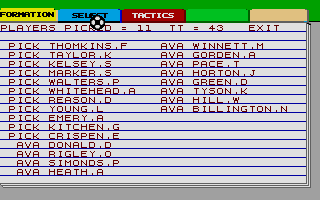
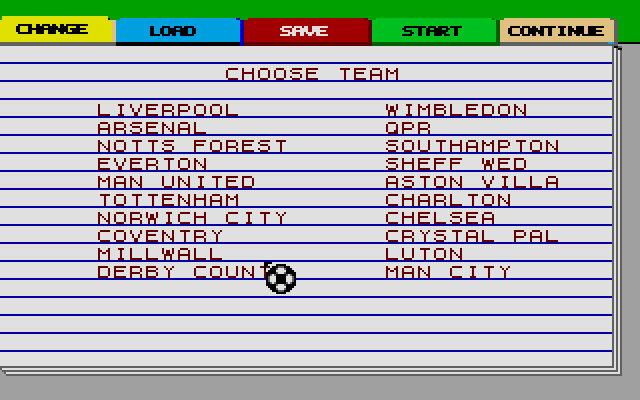
The first hour is mostly spent doing what a 1989 football manager expects to do: checking player data, arranging a lineup, considering tactics, and trying to keep the club pointed toward both sporting and financial success. Superleague Soccer is unapologetically menu-based. If you like looking over statistics and making small squad decisions that might pay off later, there is a real pull in getting your team organized before the whistle.
The transfer market and player data sheets give those decisions some weight. You can check a footballer’s statistics, value, and career, so the squad is more than a row of anonymous names. That makes it satisfying when you settle on a lineup with a purpose, even if the game asks you to do plenty of administrative legwork to get there.
Its standout idea arrives in the match view. Rather than only watching highlights, you can follow the whole game and click a player to stop him, then click the spot where you want him to go. It is an intriguing attempt to put you on the touchline without turning the game into a conventional soccer game. When you have a clear idea of how you want the side positioned, that direct input can feel genuinely involving.
It can also be awkward. Stopping a player and assigning a destination is a very literal, deliberate form of control, so the rhythm is closer to issuing orders than reacting at football-game speed. You will either enjoy the strange satisfaction of micromanaging a match or find that it interrupts the flow. The strongest version of Superleague Soccer is played patiently, with the match controls treated as another managerial tool rather than an action sequence.

Graphics
The match action is shown from a diagonal-down viewpoint, while the wider management side lives in text-heavy menus and player data screens. The useful visual distinction is simple: spreadsheets and information for running the club, then a field view for following the team’s movement during a full match.

Story
Superleague Soccer does not lean on a scripted football drama. Its story comes from the club you are trying to build: whether your spending holds up, whether a transfer looks smart in hindsight, and whether your preferred lineup produces results.
That gives even routine decisions a modest narrative thread. A player’s career and value are not just bits of data when you are deciding who belongs in the team and where the money should go. You create the stakes through the choices you make between matches.
The full-match option adds a little more immediacy to that manager’s tale. Instead of receiving a detached report, you can watch your plans play out and interfere when you think a player needs to move. It is a small but memorable way to connect the club-management layer with what happens on the pitch.
Overall Experience
Superleague Soccer is more interesting than slick. Its menus, squad data, transfers, and tactics deliver the classic managerial loop, while the ability to watch a complete match and direct individual players gives it an unusual twist. That combination is enough to make it worth a look for fans of early soccer management games.
The catch is that its most distinctive feature is also its least effortless one. Directing movement one stopped player at a time asks for patience, and the menu-driven structure will not win over anyone who needs constant on-field excitement. You need to enjoy planning, checking numbers, and accepting a measured pace.
At 5.5, this lands as a game with a worthwhile central curiosity rather than an essential management classic. Give it a chance if you want to see an early sim reach beyond highlights and results into hands-on match direction. Skip it if you mainly want fast soccer action or a manager game that keeps the paperwork out of the way.



Reviews
There are no reviews yet.