 Retro Replay Retro Gaming History, Reviews & Emulation
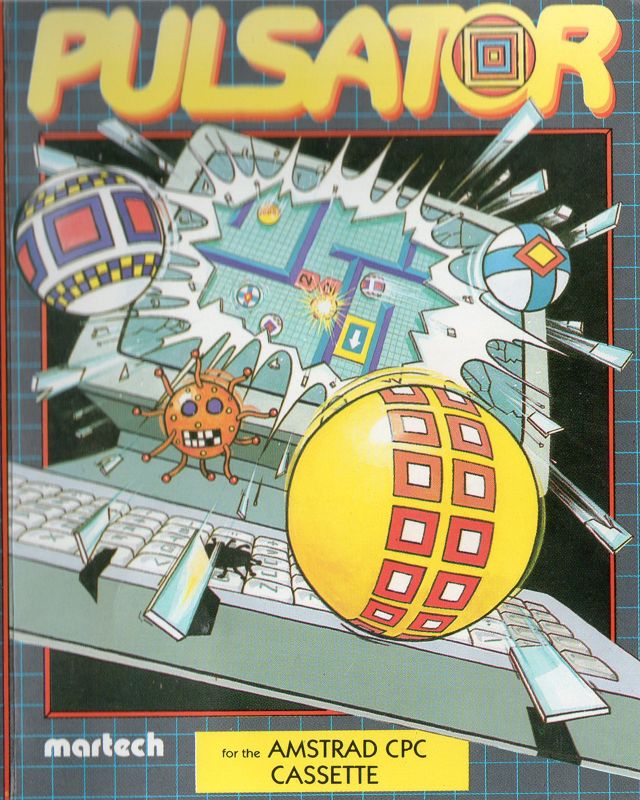
Retro Replay Review
Gameplay
The first few screens of Pulsator pull you in because the goal is so clean: reach the imprisoned pulsie. Then a numbered door blocks the obvious route, a sensor sits somewhere else, and suddenly you are not merely moving through a maze. You are planning a path through it. That basic switch-and-door logic is familiar, but it remains satisfying because every detour has the potential to open the way forward or make the maze more dangerous.
The best complication is that Pulsator does not rely on one obstacle. One-use sensors make decisions feel final, prison doors demand keys, electric pads punish careless movement, and one-way passages can turn a harmless-looking route into a commitment. With 49 screens to cover in each rescue effort, the game has room to build a proper sense of place and make you remember where a useful sensor or locked barrier was sitting.
Enemies stop this from becoming a purely calm puzzle game. Their attacks drain your energy, so hesitation has a cost, while the pistol lets you clear immediate trouble instead of simply enduring it. The shield extra is a welcome burst of relief: 30 seconds of invulnerability and deadly touch can turn a dangerous stretch into a chance to push through. Frustration will set in when you make a poor commitment around a one-use switch or take too much damage while trying to untangle the route, but that pressure is part of what gives the mazes their bite.
Graphics
The top-down, flip-screen view fits the maze structure neatly. You move from screen to screen through enclosed obstacle courses, where doors, sensors, keys, hazards, and enemies need to be understood quickly before you roll into danger.
Story
Pulsator keeps its story to a bare, practical rescue setup: five pulsies have been trapped, and you are the pulsator sent into the mazes to save them. It is not trying to carry the game with character drama or elaborate lore.
That simplicity works because the rescue target gives every maze a clear finish line. You always know why you are pushing deeper through locked passages and hostile screens: there is someone to reach at the far end.
The result is a story that functions more as motivation than reward. If you need plot twists between levels, this will feel thin. If a straightforward mission is enough to frame a good maze challenge, it stays out of the way.
Overall Experience
Pulsator is at its strongest when you stop treating it like a quick shooter and start treating each maze as a route-planning problem with teeth. The gun and shield give you tools to handle danger, but they do not erase the need to understand doors, sensors, and irreversible choices. That blend makes progress feel earned rather than accidental.
Its old-school toughness will not suit everyone. A game built around flip-screen mazes, damaging enemies, and traps that can punish a rushed decision asks for patience. You need to enjoy pausing mentally at each junction and asking what opening a door now might do to the rest of the route.
For fans of compact arcade maze games, though, there is real payoff in its escalating obstacle mix. Pulsator has a strong central idea and keeps finding small ways to squeeze it: get to the captive, manage the threats, and do not waste the route that gets you there. It is a focused challenge rather than a broad adventure, but a good one for anyone who enjoys solving under pressure.



Reviews
There are no reviews yet.