 Retro Replay Retro Replay gaming reviews, news, emulation, geek stuff and more!
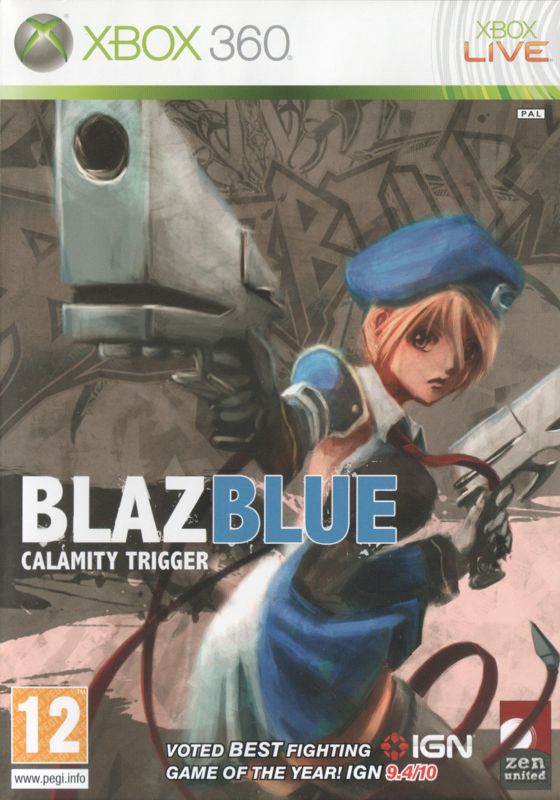

Retro Replay Review
Gameplay
The first few fights in BlazBlue: Calamity Trigger feel inviting because the core buttons are easy to understand. Weak, medium, and strong attacks give you a dependable starting language, so you can immediately throw hands without first decoding an intimidating control scheme. That accessibility does not last in a shallow way: special button combinations and character-specific attacks quickly make it clear that every fighter wants to be handled differently.
With 12 characters, the roster has enough room for experimentation without becoming impossible to approach. The important thing is not trying to learn everybody at once. Pick the fighter whose personality and fighting style grab you, play enough matches to understand their advantages, and the game starts to open up. That process is where the fun lives: ordinary attacks become setups, special moves become familiar tools, and the match stops feeling like random button presses.
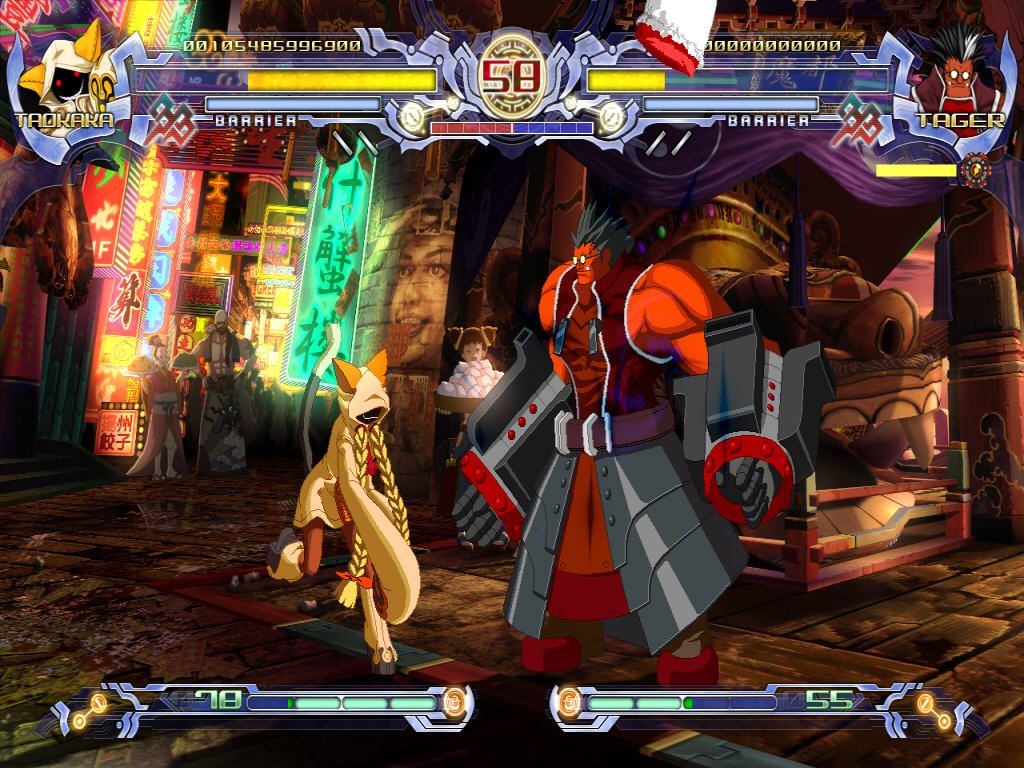
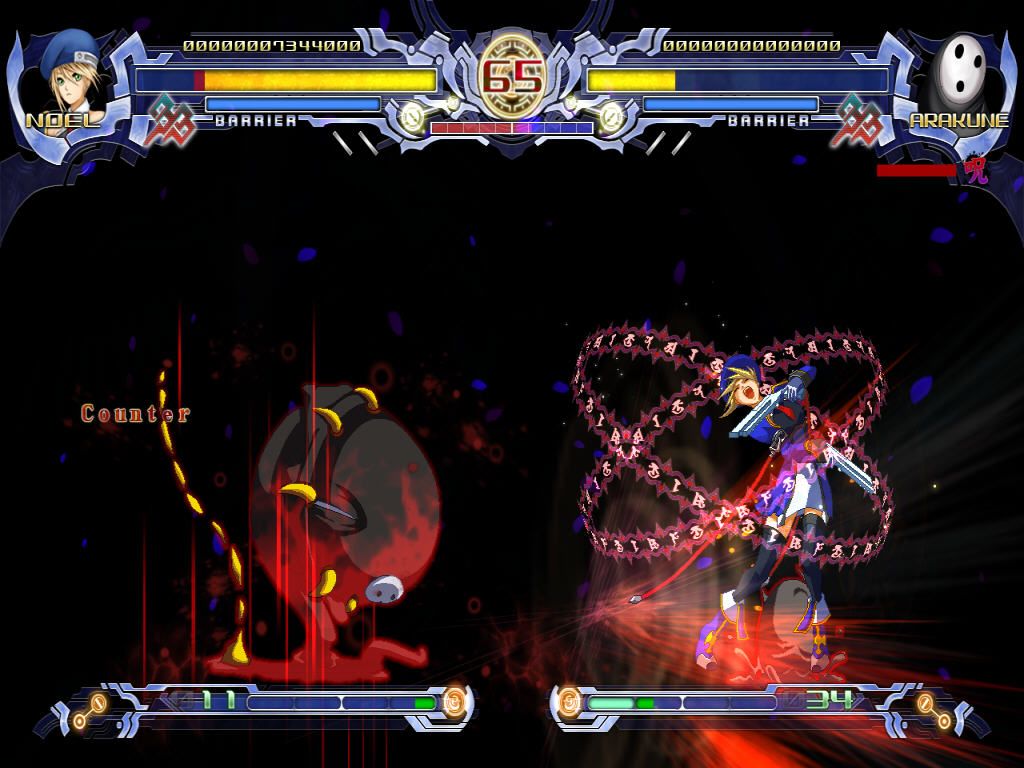
The energy bar creates a satisfying swing in momentum. Taking damage or dealing it builds toward a powerful attack, so even a losing round can retain some danger. Blocking has its own pressure because stamina drains while you defend; let it empty and you take extra damage. That gives offense teeth and prevents passive defense from becoming an all-purpose answer. It can be frustrating when you realize too late that you have blocked yourself into trouble, but it is the useful kind of frustration—the kind that teaches you to make a better decision next round.
Arcade mode is the straightforward place to fight through the roster in sequence, while score attack offers a more focused challenge for anyone chasing stronger runs. Multiplayer matters most once you have a character you understand. Human opponents are where the stamina and energy systems should become especially tense, since both sides can recognize a defensive habit or hold a full bar over the other’s head.

Graphics
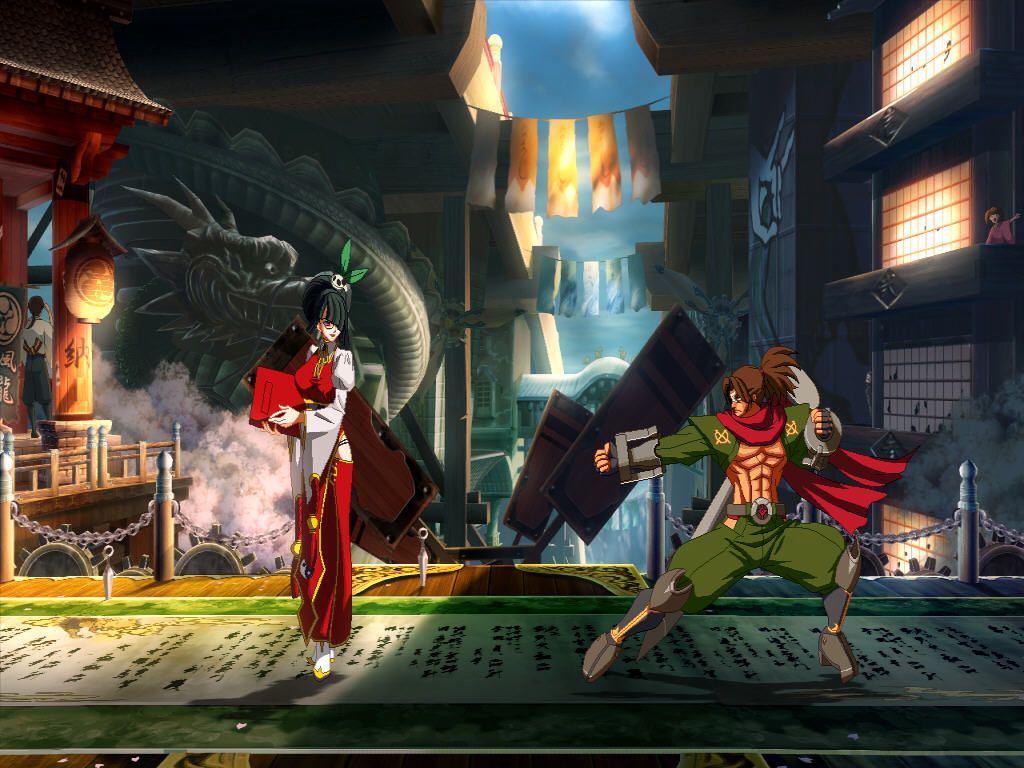
This is a side-view 2D anime fighting game, and its 12 combatants are the center of the picture. The camera keeps both fighters on screen and makes the exchange of attacks easy to follow, while the anime and manga styling fits the exaggerated personalities behind the roster.
Story
Story mode gives each character their own route, told through dialogue between fights. That is a better fit for a fighter with such a personality-driven roster than treating every bout as another anonymous obstacle. If one character catches your interest in battle, you have a reason to see their path through rather than immediately moving on to somebody else.
The dialogue choices add a welcome bit of participation. Your answers influence the ending, which makes the mode more than a sequence of matches with scenes dropped in between. You are not just progressing through a ladder; you are making choices for the character whose route you are playing.
Do not go in expecting the story mode to replace the competitive heart of the game. The fights remain the main event. Still, the individual routes and branching endings give solo play a stronger sense of purpose, and they make returning to another member of the roster feel like more than a new moveset.
Overall Experience
BlazBlue: Calamity Trigger is strongest when you give it time. You can enjoy it casually at first, but the payoff comes from moving beyond the basic attack buttons, learning a fighter’s specific tricks, and recognizing when an energy bar or drained blocking stamina changes the whole round. It asks for practice, then gives that practice a clear use.
Its mix of character routes, arcade battles, score attack, and multiplayer gives you several ways to engage, but none of them dilute the central pleasure of a close 2D fight. The roster is compact enough to learn yet varied enough to encourage a second and third main. That is a much better long-term proposition than a larger cast full of interchangeable faces.
Give it a chance if you want a fighting game that begins with familiar fundamentals but develops into a more character-specific contest. Newcomers can find their footing through the basic attack structure; committed fighting-game fans can dig into the special moves, resource management, and matchup differences. The learning curve can sting, particularly when defensive stamina punishes hesitation, but the depth behind that sting is worth the effort.



Reviews
There are no reviews yet.