 Retro Replay Retro Gaming History, Reviews & Emulation
Retro Replay Review
Gameplay
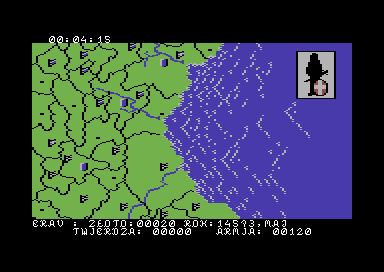
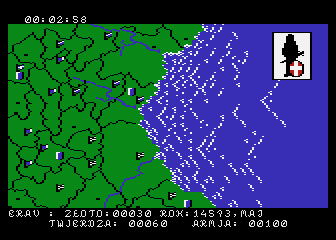
The first turns put you in the role quickly. Provinces are both territory and leverage, so buying, selling, and sacking them gives each decision a pleasantly mercenary edge. You are not simply expanding a color across a map; you are juggling the means to raise an army while looking for a path toward uniting the kingdom.
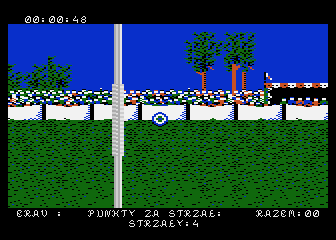
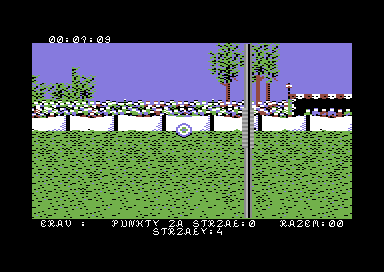
Diplomacy gives the game its best multiplayer stories. Alliances can buy breathing room, but they also make every player at the table wonder who is gaining too much ground. An archery tournament adds a lighter diversion to the wider struggle, and the option to use more than one ruler means a group can turn Władca into a brisk contest of bargains, grudges, and opportunism.
Combat is where you need to know what you are signing up for. You can create armies and attack provinces, yet you have no influence over the battlefield itself. Victory ultimately depends on destroying the opposing ruler’s castle walls with a catapult, which makes preparation and the larger strategic position matter more than battlefield tactics. That focus can be satisfying if you enjoy committing to a plan and living with the result; it is frustrating if you want to outmaneuver an opponent once the fighting begins.
Random events add another layer of instability. Losing half your gold can turn a carefully built position into a recovery job, and that swinginess keeps any lead from feeling completely secure. It also means Władca asks for patience: not every setback will feel earned, but the uncertainty does keep the race for the crown from becoming mechanical.
Graphics
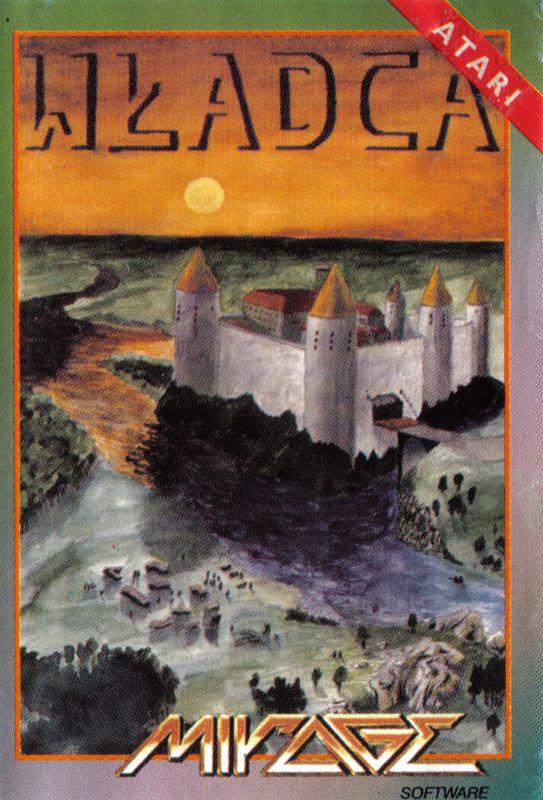
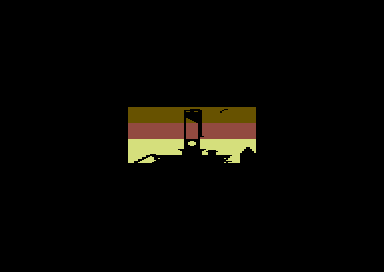
Władca’s medieval world is built around the concrete things its strategy revolves around: provinces, rulers, armies, castles, and catapults. The game’s 1993 Commodore 64 and Atari 8-bit origins fit its compact, board-game-like scale rather than a grand battlefield spectacle.
Story
This is a conquest tale stripped to its useful essentials. An imaginary fifteenth-century kingdom has to be united, and becoming king is the prize. That is enough motivation for the territorial struggle, without asking you to keep track of a dense plot.
The rulers are more important as competing seats of power than as deeply drawn characters. Choosing among four of them frames the contest, while alliances and attacks create the drama through your own decisions rather than scripted turns in the story.
That spare setup suits the game. The memorable moments are likely to come from a deal that saves your position, a raid that changes the balance of power, or a brutal loss of gold at exactly the wrong time. If you want a character-driven medieval campaign, Władca will feel thin; if you prefer to make the kingdom’s history yourself, its simple premise stays out of the way.
Overall Experience
Władca is most convincing as a lean, competitive turn-based strategy game with a strong shared-table rhythm. The economy, provincial maneuvering, alliances, and random disasters give you enough moving parts to create tension without burying the central goal: break the rival castle and take the kingdom.
Its limitations are inseparable from that charm. The absence of battlefield control means attacks can feel more like commitments than tactical contests, and random losses can undercut careful planning. You need to enjoy a game that occasionally knocks you off balance and asks you to rebuild.
Give it a chance if you like old-school kingdom games where negotiation and strategic positioning carry more weight than micromanaging units. It is especially worth bringing to a small group, where four competing rulers can turn its straightforward systems into lively political maneuvering. Solo, the narrow route to victory and hands-off combat may wear thinner, but the core loop still has a stubborn, purposeful pull.

Reviews
There are no reviews yet.