 Retro Replay Retro Replay gaming reviews, news, emulation, geek stuff and more!


Retro Replay Review
Gameplay
Wonder Boy’s core gameplay loop centers on guiding the courageous Tom-Tom through a series of four-round zones filled with environmental hazards and a parade of quirky enemies. Armed only with his trusty hatchet, players must master timing and spacing to dispatch foes like bees, snakes, coal-kids, and octopuses while jumping over pits and squeezing through narrow passages.
(HEY YOU!! We hope you enjoy! We try not to run ads. So basically, this is a very expensive hobby running this site. Please consider joining us for updates, forums, and more. Network w/ us to make some cash or friends while retro gaming, and you can win some free retro games for posting. Okay, carry on 👍)
The pacing is relentless yet varied: you’ll charge through deep forests one moment, skateboard across rocky paths the next, and even navigate lava-spewing volcanoes before tiptoeing across drifting clouds. Breaking open different eggs yields power-ups such as skateboards (for temporary speed boosts), mushrooms (to bolster vitality), milk (to replenish health), and the rare guardian angel that grants brief invincibility.
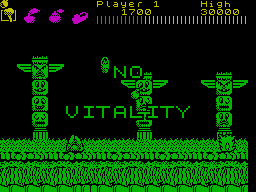
Vitality management adds a strategic layer to the action. As Tom-Tom’s life meter gradually depletes, you must prioritize grabbing fruits, potato chips, or other food items scattered throughout each round. Steer clear of speckled eggs at all costs—these unleashes the God of Death, a relentless antagonist who drains your health rapidly until you either escape the screen or meet an untimely end.
Boss battles punctuate the end of every fourth round, each overseen by a terrifying woodland king who casts fireballs or lightning bolts. And for those seeking extra challenge, the Sega Master System version ramps up content with ten total areas (the final one unlocked only by collecting every hidden doll), compared to the arcade’s eight, ensuring ample replay value for perfectionists and completionists alike.
Graphics
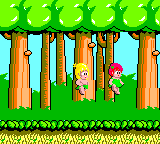
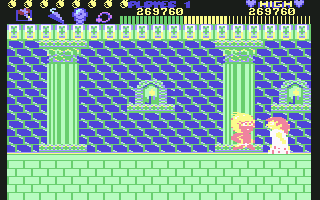
For a late-’80s arcade title, Wonder Boy boasts vibrant, hand-drawn pixel art that brings its exotic locales to life. From lush emerald forests to the molten cores of active volcanoes, each stage features a distinct color palette and imaginative background details that help the game stand out in a crowded arcade lineup.
The character sprites are charming and expressive—Tom-Tom’s jaunty hat and determined stance convey his heroic resolve, while each enemy animation, from the fluttering bats to the lumbering coal-kids, feels crisp and well-defined. Even on the Sega Master System, the port retains most of the arcade’s visual flair, albeit with slightly simplified backgrounds.
Special effects, such as the flash of a skateboard boost or the cascading sparks of a boss’s lightning strike, are executed with surprising polish. Environmental animations—rippling waves on ocean stages, trembling platforms in volcanic areas—add a tactile sense of dynamism that keeps the player engaged as they traverse each segment.
While modern gamers might find the resolution modest by today’s standards, the consistent frame rate and clear visual cues ensure that hazards and collectibles are never obscured, maintaining a fair yet challenging experience throughout.
Story
At its heart, Wonder Boy presents a classic “damsel-in-distress” premise: Tom-Tom’s girlfriend Tanya is abducted by a shadowy woodland king, prompting our hero to traverse eight (or ten) perilous realms in a race against time. The narrative is light on dialogue but rich in adventurous spirit, providing just enough context to fuel the action without bogging players down in cutscenes.
Each stage feels like a chapter in Tom-Tom’s rescue mission, from the mysterious forests where the kidnapper’s minions lurk, to the cloudy heights where a mysterious girl guides you through heart-collecting trials. These warp-gate segments, triggered randomly, add a playful side quest element: collect hearts to earn special items like handbags, wristwatches, or a teddy bear before returning to the surface world.
Despite its simplicity, the story beats are reinforced by environmental storytelling—wrecked trees hint at the woodland king’s destructive passage, half-buried skeletons in volcanic ash whisper of fallen adventurers, and cloud platforms dotted with hearts suggest a realm caught between reality and dream. It’s enough to create a sense of progression and purpose, even as the action remains front and center.
Overall Experience
Wonder Boy strikes a satisfying balance between arcade-style thrill and methodical platforming. The variety of levels—from scaly snake pits to perilous ice floes and cloud-scattered skies—ensures that the challenge never overstays its welcome. Boss encounters punctuate the journey with dramatic flair, making each successful rescue of a round feel truly earned.
The game’s difficulty curve ramps up predictably: early zones teach you to swing your hatchet and time jumps, mid-game areas introduce resource management and speckled-egg hazards, and late stages demand mastery of both combat and precision movement. For retro veterans, it offers a rewarding test of reflexes; for newcomers, the forgiving checkpoint system in home ports prevents frustration from grinding sessions.
Replayability is bolstered by hidden secrets (like the locked tenth area in the Sega Master System version) and warp-gate mini-challenges that randomly appear, keeping each playthrough fresh. Whether you’re chasing high scores in the arcade or hunting every collectible on console, Wonder Boy remains a timeless example of bite-sized platforming excellence.
In an era where sprawling 3D worlds dominate, Wonder Boy’s straightforward yet polished design reminds us that great gameplay, charming visuals, and a simple rescue story can still captivate today’s players—proving that some classics truly are built to last.


Reviews
There are no reviews yet.