 Retro Replay Retro Replay gaming reviews, news, emulation, geek stuff and more!
Retro Replay Review
Gameplay
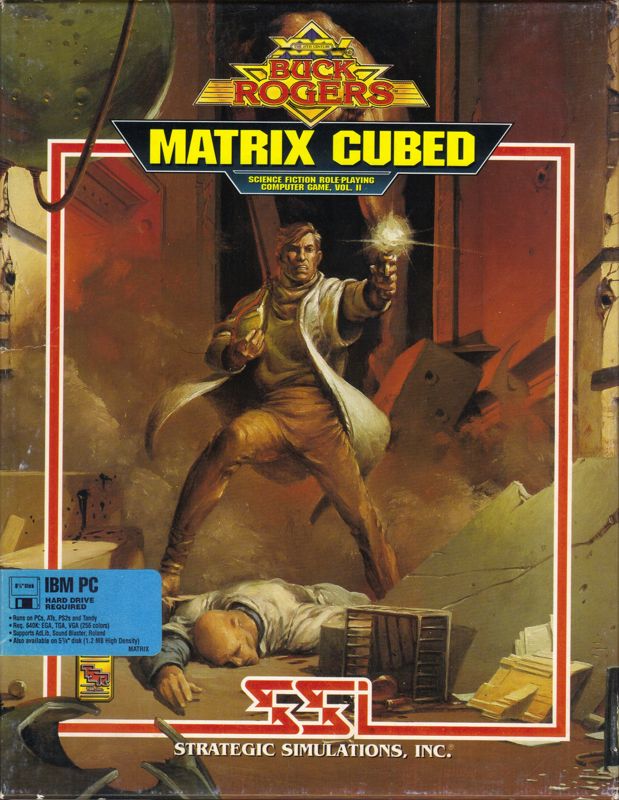
Buck Rogers: Matrix Cubed retains the classic RPG structure that fans of the series expect, blending first‐person exploration with strategic, turn‐based combat. Players assemble a party of up to six characters, each customized with unique statistics, skills, and equipment. Whether you choose to import your heroes from the previous title or start fresh, the depth of character creation ensures you can tailor your squad to your preferred playstyle—be it diplomacy, brute force, or technical expertise.
(HEY YOU!! We hope you enjoy! We try not to run ads. So basically, this is a very expensive hobby running this site. Please consider joining us for updates, forums, and more. Network w/ us to make some cash or friends while retro gaming, and you can win some free retro games for posting. Okay, carry on 👍)
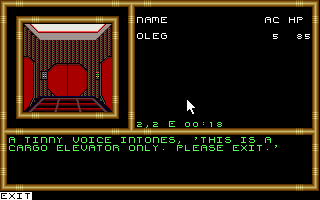
The game world unfolds through interconnected corridors, open areas, and rooms rendered in a first‐person maze view. This design encourages careful navigation and thorough exploration: secret caches, side‐quests, and hidden terminals often lurk behind unassuming walls. Skill‐based choices pop up during these wanderings, allowing you to pick locks, decipher alien languages, or persuade NPCs—all of which can yield valuable rewards or unlock alternative story branches.
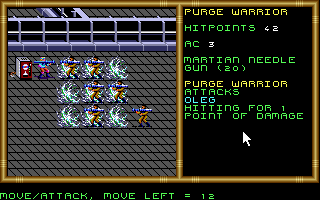
Combat shifts to an overhead perspective, where positioning and tactical planning come to the forefront. Both your party and enemy forces take turns moving, attacking, or using special abilities on a grid. Ship encounters use a similar interface, challenging you to maneuver in zero‐gravity arenas while managing shields, energy reserves, and weapon cooldowns. The balance between on-foot skirmishes and space battles keeps the pacing dynamic, though some may find the transitions occasionally jarring.
Graphics
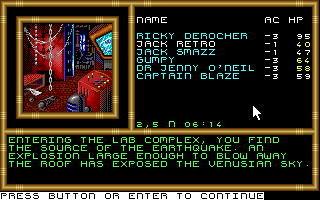
For its era, Matrix Cubed delivers polished visuals that immerse you in a retro‐futuristic solar system. The first‐person exploration segments are rendered with detailed corridor textures and atmospheric lighting, evoking claustrophobic space stations and exotic alien outposts. While the static backgrounds can feel repetitive after long sessions, environmental details—worn metal plating, flickering console panels, and colored hazard stripes—add character to each locale.
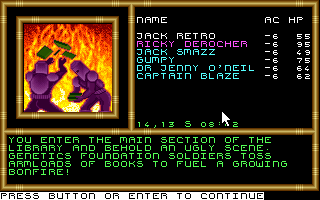
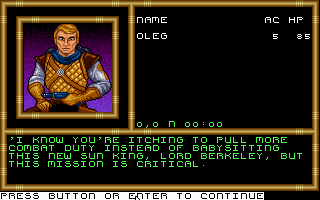
Character portraits and enemy sprites feature hand‐drawn artwork, lending personality to both your heroes and foes. Facial expressions change subtly during dialogue, hinting at underlying tensions or deceptions. In combat, animated attack sequences—laser blasts, energy shields, and explosive spells—are accompanied by satisfying sound effects, although their 16‐bit charm may not stand up to modern high‐definition expectations.
The starship navigation and battle screens use a clean HUD layout, presenting shields, hull integrity, and energy levels with clear color coding. Menus remain text‐heavy but respond quickly to mouse clicks or keyboard shortcuts. While the interface design is functional rather than flashy, it effectively conveys critical information without clutter, making lengthy space journeys more manageable.
Story
Picking up directly after Countdown to Doomsday, Matrix Cubed throws you into the political intrigue of the New Earth Organization (N.E.O.) as it vies for allies across the solar system. The diplomatic mission on Venus soon spirals into chaos when an assassination plot targets the Venusian minister. From there, a web of conspiracies emerges, centered on the titular Matrix Device—a powerful artifact capable of converting matter into energy. This central mystery propels you from the jungles of Venus to the icy moons of Saturn.
Dialogue choices play a crucial role in how you navigate alliances and rivalries. Skilled negotiators can defuse tense standoffs or recruit ships and crews without firing a shot, while more direct players may find themselves embroiled in firefights and sabotage missions. The branching narrative offers a handful of different outcomes, though true endings hinge on locating and understanding the components of the Matrix Device.
Character interactions feel genuine, thanks to a diverse cast that ranges from veteran spacers to slippery corporate agents. Occasional humor and wry one‐liners lighten the mood, but the tone remains grimy and realistic, reflecting the high stakes of interplanetary politics. Though some plot twists are telegraphed early, the journey—complete with betrayals, moral dilemmas, and high‐speed chases—remains engaging until the final credits roll.
Overall Experience
Buck Rogers: Matrix Cubed stands out as a solid entry in early ’90s sci‐fi RPGs. Its combination of first‐person exploration, party‐based tactics, and branching narrative provides ample depth for players seeking both cerebral challenges and action‐packed skirmishes. If you enjoyed Countdown to Doomsday, you’ll appreciate how Matrix Cubed expands the universe and deepens the stakes.
However, the game’s age is apparent in its pacing and user interface. Long stretches of dialogue and backtracking can feel tedious, and the static backgrounds may not captivate players accustomed to modern graphics engines. Save‐scumming during difficult battles can become a chore, and some inventory management feels cumbersome by today’s standards.
Still, for those willing to embrace its retro sensibilities, Matrix Cubed offers a rewarding adventure filled with political intrigue, tactical combat, and spaceship dogfights. The replay value is respectable thanks to multiple dialogue outcomes and optional side missions. Overall, it’s a thoughtfully crafted RPG that captures the spirit of its source material and holds a firm place in the pantheon of classic space operas.


Reviews
There are no reviews yet.