 Retro Replay Retro Replay gaming reviews, news, emulation, geek stuff and more!

Retro Replay Review
Gameplay
D places you squarely in the shoes of Laura Harris as she navigates a twisting labyrinth of esoteric puzzles under relentless time pressure. Each of the game’s four discs represents a distinct segment of the mansion, and you have roughly thirty minutes to solve every puzzle on that disc before the clock runs out. There’s no save function—failure to finish in time means restarting that entire disc, which intensifies every decision and adds a palpable sense of dread to routine tasks.
(HEY YOU!! We hope you enjoy! We try not to run ads. So basically, this is a very expensive hobby running this site. Please consider joining us for updates, forums, and more. Network w/ us to make some cash or friends while retro gaming, and you can win some free retro games for posting. Okay, carry on 👍)
The core gameplay loop revolves around collecting, combining, and using inventory items in unexpected ways. You might find a cryptic note hinting at a hidden switch, or a curious artifact that unlocks a secret passage. The challenge lies not just in identifying useful objects but in deciphering their proper applications. The pocket watch, Laura’s only ally, provides up to three hints but shatters after its third use, forcing you to weigh the consequences of each hint request.
This stringent structure creates a rare blend of puzzle and survival tension. With the clock always ticking, there’s no room for guesswork—you must plan your route, inventory usage, and hint consumption carefully. The multiple endings offer replay value, encouraging you to push the limits of your strategy and resource management. For players who thrive on high-stakes problem-solving, D delivers an unparalleled sense of accomplishment when you finally crack a particularly fiendish puzzle.
Graphics
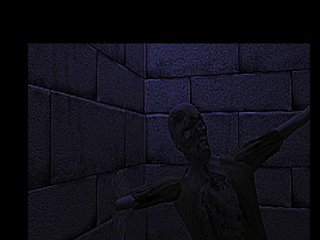
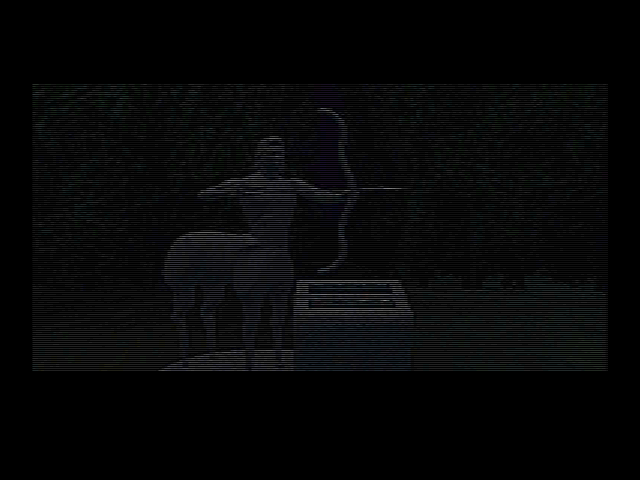
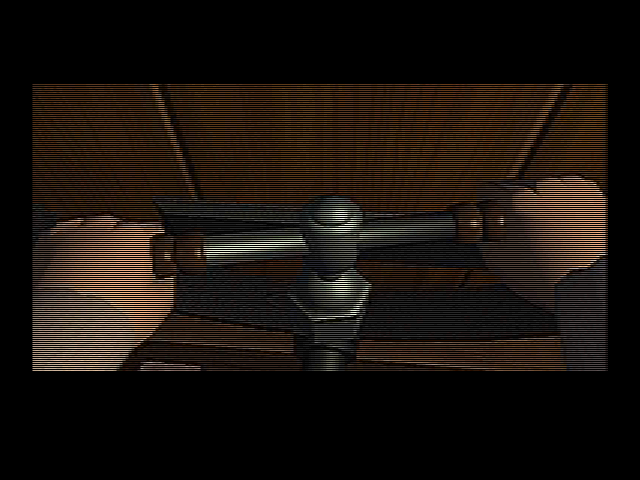
Visually, D is a testament to late-’90s atmospheric design, combining full-motion video (FMV) scenes with pre-rendered backgrounds to craft a brooding, Gothic setting. The mansion’s corridors are drenched in deep shadows, punctuated by flickering lights that dance across peeling wallpaper. These visuals may look dated by today’s standards, but they still effectively evoke a sense of unease and mystery.
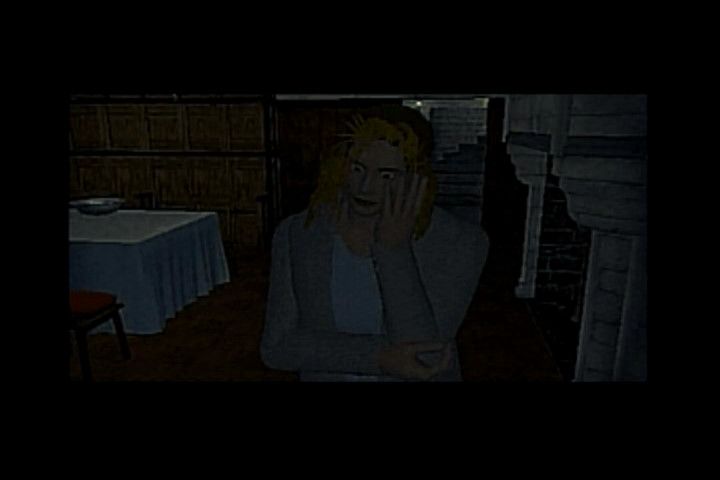
The FMV sequences, used sparingly, deliver key story beats and heighten the horror ambiance. Laura’s expressions and body language, while somewhat stilted, convey urgency and fear. Subtle animations—like a door creaking open unexpectedly or a pool of blood reflecting ambient light—underscore the game’s horror roots without relying on jump scares. Instead, the dread builds gradually through environment and sound design.
Disc-swapping and loading times are part of the original experience, so modern players may find them cumbersome. However, these pauses can also serve as brief respites from the tension, offering a moment to collect your thoughts before plunging back into the fray. Overall, the graphical presentation holds up as a mood-setting triumph, demonstrating how style and atmosphere can outweigh raw graphical fidelity.
Story
The narrative kicks off in 1997 Los Angeles, where hospital director Richter Harris has taken hostages—and after a grisly massacre, he won’t let anyone approach. His daughter, Laura, arrives from San Francisco only to be transported to a foreboding mansion where her father’s disembodied voice implores her to leave. This surreal transition from hospital to haunted estate sets the tone for a story that blends family drama with supernatural horror.
Storytelling in D unfolds through environmental clues, FMV interludes, and monologues from Richter himself. Each room in the mansion hints at his descent into madness: blood-stained surgical tools, cryptic diaries, and unsettling portraits that seem to watch Laura’s every move. The strained relationship between father and daughter adds emotional weight to the puzzle-solving, as you race not just against time but against the unraveling psyche of a desperate man.
With multiple endings hinging on your efficiency and the choices you make, the story invites replayability. You may save Richter, doom yourself, or uncover a darker fate lurking beneath the surface. These variations give the narrative staying power, encouraging players to revisit the mansion to see how small differences in puzzle completion times or hint usage can lead to drastically different conclusions.
Overall Experience
D stands out as a bold experiment in combining hardcore puzzle gameplay with cinematic horror storytelling. The unrelenting time limit transforms routine exploration into a frantic race, while the puzzle design rewards careful observation and logical thinking. The aesthetic blend of FMV and pre-rendered backgrounds immerses you in a tense, Gothic atmosphere, making every creak and shadow feel loaded with potential danger.
That said, this experience is not for the faint of heart or those seeking casual entertainment. The steep learning curve, punishing time constraints, and lack of save points can frustrate players accustomed to more forgiving modern titles. However, if you appreciate methodical puzzle-solving under pressure and enjoy piecing together a narrative through environmental storytelling, D delivers an intensely memorable journey.
In the end, D is a niche classic that rewards patience, perseverance, and a willingness to embrace its old-school design philosophy. For fans of time-pressure puzzles, FMV-enhanced horror, and branching narratives, it remains a compelling title that offers a uniquely tense and immersive experience—even decades after its original release.



Reviews
There are no reviews yet.