 Retro Replay Retro Replay gaming reviews, news, emulation, geek stuff and more!


Retro Replay Review
Gameplay
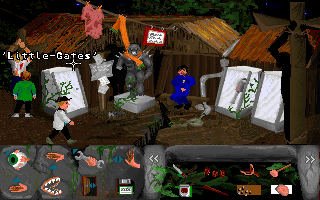
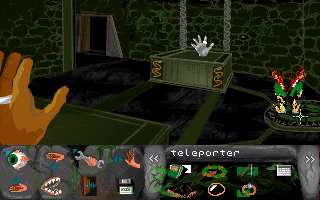
Escape from Delirium adopts a classic point‐and‐click interface that will feel immediately familiar to fans of early adventure titles. You control Paul Cole with a combination of mouse clicks for movement and interactions, as well as an inventory hotbar at the bottom of the screen. Although the game is an amateur effort, the controls are responsive and most hotspots in the environment are easy to locate, reducing frustrating pixel‐hunting sequences.
(HEY YOU!! We hope you enjoy! We try not to run ads. So basically, this is a very expensive hobby running this site. Please consider joining us for updates, forums, and more. Network w/ us to make some cash or friends while retro gaming, and you can win some free retro games for posting. Okay, carry on 👍)
The puzzles in Escape from Delirium strike a careful balance between logical deduction and trial‐and‐error experimentation. You’ll find yourself examining bodies, combining artifacts, and decoding cryptic inscriptions to progress deeper into the pit. While some solutions can be obscure—requiring multiple back‐and‐forth trips—there is an internal coherence to the logic once you piece together the game’s lore and environment cues.
One of the standout elements is the sense of claustrophobia created by the level design. Each chamber within the pit feels like its own self‐contained challenge, with atmospheric lighting and environmental hazards that must be negotiated. The game’s serious tone reinforces the stakes, making each solved puzzle feel like a small victory toward Paul Cole’s potential escape.
There are occasional rough edges—you may encounter a non‐responsive hotspot or an item that seems redundant—but none of these minor glitches derail the overall experience. Players willing to embrace a slightly old‐school sensibility will appreciate the thoughtful pacing and carefully interwoven puzzle logic.
Graphics
Escape from Delirium features hand‐drawn pixel art that pays homage to early 1990s adventure games, yet carries a distinct style of its own. Backgrounds are richly detailed, with flickering torches, weathered stone walls, and bloodstains that hint at the game’s darker themes. While not as polished as big‐budget titles, the amateur art direction has a raw charm that enhances the unsettling atmosphere.
Character sprites are modest in size but carefully animated; Paul Cole’s idle stance and gestural interactions communicate a surprising level of personality for a shareware project. NPCs—mostly in the form of spectral visions or journal entries—are rendered with just enough clarity to convey emotion, despite the limited color palette.
Lighting and shadow play a critical role in building tension. The game’s engine supports dynamic shadows that shift as you move light sources around, turning ordinary corridors into claustrophobic deathtraps. This effect occasionally leads to minor frame‐rate dips, but overall performance remains solid on modern hardware.
Cutscenes and location transitions are kept to a minimum, but when they do occur, they use simple fade‐ins and outs that maintain immersion without unnecessary bells and whistles. The visual presentation may not win awards, but it successfully transports you to the damp, disorienting depths of the Delirium pit.
Story
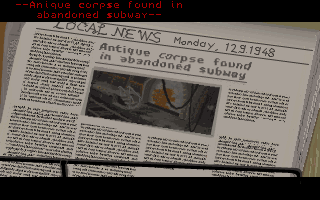
Set in 1948, Escape from Delirium casts you as Paul Cole, an intrepid explorer summoned to investigate a corpse discovered at the bottom of a mysterious pit. The premise sounds straightforward, but as you delve deeper, the narrative unfolds into a tapestry of occult discoveries, cryptic journals, and unsettling revelations about the pit’s true nature.
Unlike the tongue‐in‐cheek humor found in LucasArts’ SCUMM classics, this game maintains a sober, almost noir‐like tone. Dialogue is spare and matter‐of‐fact, emphasizing exploration over comedic relief. This seriousness helps build a sense of dread that makes each revelation more impactful than a flippant one‐liner could achieve.
Story progression relies heavily on environmental storytelling—wall carvings, discarded notes, and fragmented recordings fill in the backstory rather than lengthy exposition. This approach rewards attentive players, encouraging them to piece together the puzzle of who built the pit and why Paul has been lured into its depths.
While the plot may occasionally lean on familiar tropes of hidden cults and forbidden rituals, the execution is solid. The tension builds organically as the layers of mystery are peeled back, culminating in an ending that feels earned. Even amateur‐made, the narrative demonstrates surprising depth and consistency.
Overall Experience
Escape from Delirium stands as a testament to what dedicated indie developers can achieve with limited resources. Although it borrows structural elements from Monkey Island 2 and Simon the Sorcerer, it never feels like a mere clone. Instead, it delivers a distinct, suspenseful adventure that embraces its shareware roots and turns modest production values into an atmospheric strength.
Players seeking lighthearted quips should look elsewhere: this game is unrelentingly serious and demands patience. However, if you appreciate slow‐burn storytelling, thoughtful puzzles, and a creeping sense of dread, you’ll find Escape from Delirium remarkably engrossing. The amateur glitches rarely undermine your progress, and the overall polish rivals many low‐budget commercial efforts.
From the eerie pixel art to the tight puzzle design and immersive, moody soundtrack, the game creates a cohesive world that lingers in your mind after you’ve powered down your computer. It may not rewrite the adventure‐game rulebook, but it confidently carves its own path.
For buyers intrigued by classic adventure games and willing to overlook occasional rough patches, Escape from Delirium offers an unexpectedly rich journey into darkness and discovery. Give it time, and you’ll uncover a hidden gem that proves serious tone and solid mechanics can triumph over flash and humor.


Reviews
There are no reviews yet.