 Retro Replay Retro Replay gaming reviews, news, emulation, geek stuff and more!

Retro Replay Review
Gameplay
The core of Karateka’s gameplay hinges on its straightforward yet demanding combat system. You face a series of opponents in one‐on‐one duels, each more skilled than the last. Combat takes place on a single plane, encouraging precision and timing as you deliver low, medium, and high punches and kicks. Each attack height comes with its own risk and reward, challenging you to read your foes’ stances and respond accordingly.
(HEY YOU!! We hope you enjoy! We try not to run ads. So basically, this is a very expensive hobby running this site. Please consider joining us for updates, forums, and more. Network w/ us to make some cash or friends while retro gaming, and you can win some free retro games for posting. Okay, carry on 👍)
One of the game’s most notable mechanics is the automatic health regeneration when the protagonist stands still. This creates a tense ebb and flow in battles, as you must decide when to press the attack and when to retreat momentarily to recover. It also rewards patience and discipline—charging in recklessly can see your health bar drained faster than you can refill it.
Despite the limited move set, Karateka manages to keep encounters fresh through its escalating difficulty curve. Early adversaries offer a gentle introduction, but as you progress toward Akuma’s palace, timing windows shrink and opponents become more aggressive. This gradual climb ensures that mastery of the three attack heights proves essential, and every victory feels hard‐earned.
Graphics
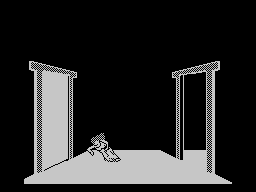
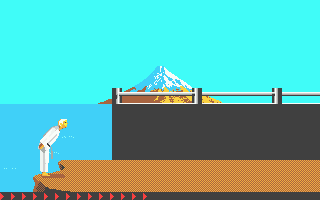
Karateka presents its world in a minimalist side‐view style that was groundbreaking at the time of its original release. Character sprites are rendered with clear, fluid animations that convey the weight of each strike. Even on modern screens, the game’s crisp, silhouette‐based visuals retain a timeless charm.
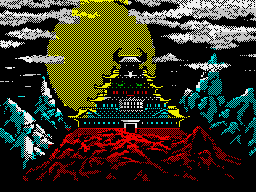
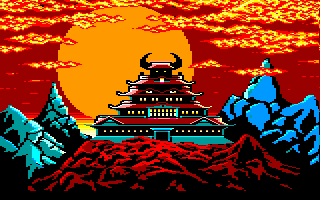
Backgrounds are simple but effective, alternating between castle courtyards, winding corridors, and dimly lit throne rooms. While there’s little in the way of flashy special effects, the restrained art direction matches the game’s samurai‐inspired theme. Every frame feels deliberate, reinforcing the high‐stakes atmosphere of your quest to rescue Princess Mariko.
On contemporary ports and remasters, the original artwork is often enhanced with subtle lighting and scaling, but never overshadows what made Karateka visually distinct. Whether you’re playing the classic edition or a modern reissue, the graphics maintain a sense of purposeful elegance that serves the gameplay rather than distracts from it.
Story
The narrative of Karateka is elegantly simple: the sinister warlord Akuma has razed your homeland, slaughtered innocent friends, and abducted the princess Mariko. As a lone martial artist, you embark on a perilous journey to infiltrate Akuma’s fortress and restore peace. This archetypal rescue mission provides clear motivation without superfluous plot elements.
Story beats are delivered sparingly through on‐screen text and brief cutscenes. This minimal approach keeps the momentum tight, never letting exposition slow down the action. Each new area or opponent foreshadows Akuma’s growing threat, heightening your sense of urgency as you draw closer to the final confrontation.
What Karateka lacks in narrative complexity it makes up for in atmosphere and stakes. You feel every loss and triumph as the simple tale of heroism unfolds. The bond between the hero and Princess Mariko—though never deeply explored—resonates because the game never forgets why you’re fighting: to save someone you care about.
Overall Experience
Karateka remains a compelling experience for both retro enthusiasts and newcomers seeking a slice of gaming history. Its pared‐down mechanics encourage mastery, while its concise design ensures no moment feels wasted. Battles are short and intense, making it easy to jump in for a quick session without losing track of progress.
The game’s enduring appeal lies in its blend of austere artistry and tight combat. You’re never floored by flashy combos or sprawling maps—instead, you’re drawn in by the purity of one‐on‐one duels. This laser focus on martial prowess makes every victory satisfying, and every defeat a call to refine your timing and strategy.
Ultimately, Karateka is more than just a relic of the 1980s; it’s a masterclass in economical design. Its story, visuals, and mechanics work in harmony to deliver an experience that still feels fresh decades later. For anyone curious about the roots of modern fighting games or simply craving a lean, challenging adventure, Karateka is as relevant today as it was at its debut.


Reviews
There are no reviews yet.