 Retro Replay Retro Replay gaming reviews, news, emulation, geek stuff and more!
Retro Replay Review
Gameplay
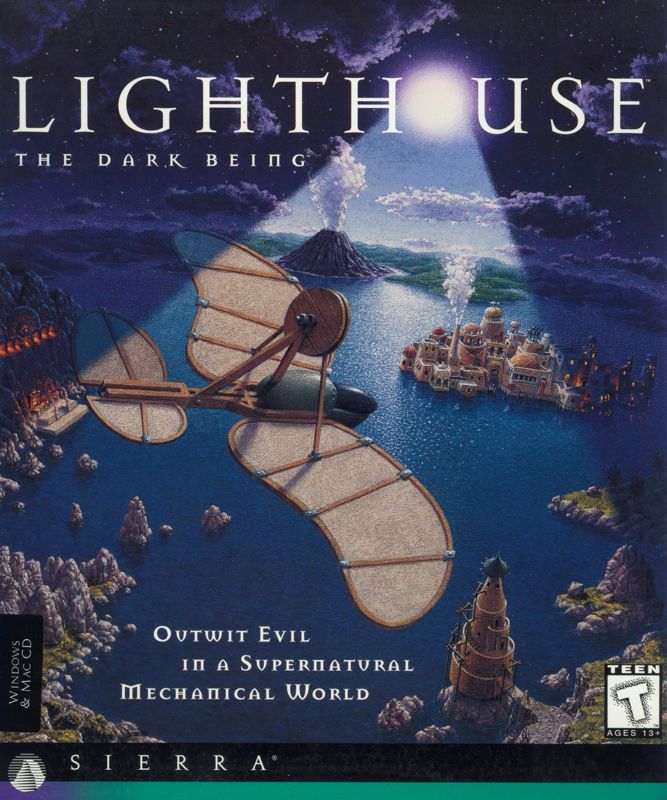
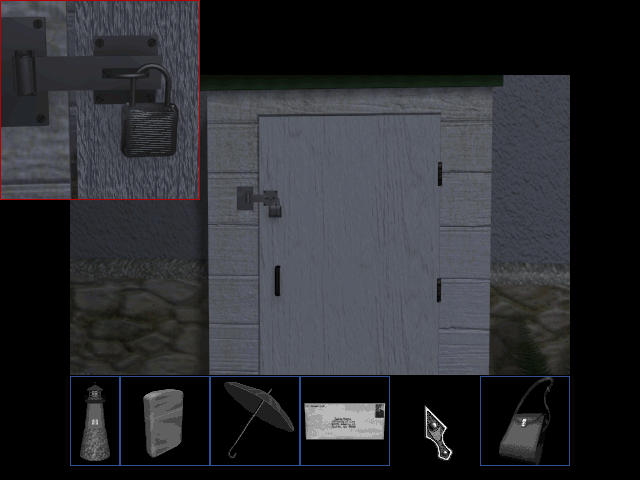
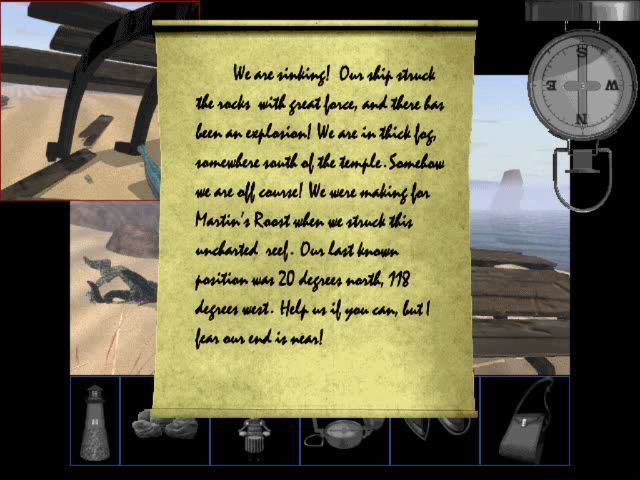
Lighthouse: The Dark Being presents a classic first-person, point-and-click adventure experience that will feel instantly familiar to fans of Myst. Players navigate through a series of carefully crafted, pre-rendered screens, each brimming with atmospheric detail. Movement is handled by clicking along predefined nodes, while interactions rely on a single-cursor interface for examining objects, operating machinery, and gathering clues.
(HEY YOU!! We hope you enjoy! We try not to run ads. So basically, this is a very expensive hobby running this site. Please consider joining us for updates, forums, and more. Network w/ us to make some cash or friends while retro gaming, and you can win some free retro games for posting. Okay, carry on 👍)
The core of the gameplay lies in its intricate, logic-based puzzles rather than traditional inventory juggling. You’ll spend much of your time studying cryptic symbols, deciphering codes scrawled in Dr. Krick’s journals, and manipulating control panels that bridge the boundary between our world and the parallel universe. Progression often hinges on meticulous observation of subtle visual hints and cross-referencing information found in multiple locations.
Puzzle difficulty in Lighthouse: The Dark Being is notoriously high, demanding patience and perseverance. Occasional guesses may be necessary when the trail goes cold, but most challenges reward a disciplined, methodical approach. If you relish overcoming brain-teasers that integrate seamlessly into the environment—such as aligning lighthouse lenses or rerouting power conduits—this game delivers a deeply satisfying sense of accomplishment.
Despite its strengths, the interface can feel a bit dated by modern standards. There’s no hot-spot highlighting, so every inch of the scene must be carefully scanned to avoid missing crucial interaction points. However, this design choice heightens immersion, compelling you to treat each screen as a tangible location you’re truly exploring. Overall, the blend of exploration, environmental storytelling, and high-stakes problem solving forms a compelling gameplay loop that will engross dedicated adventure players.
Graphics
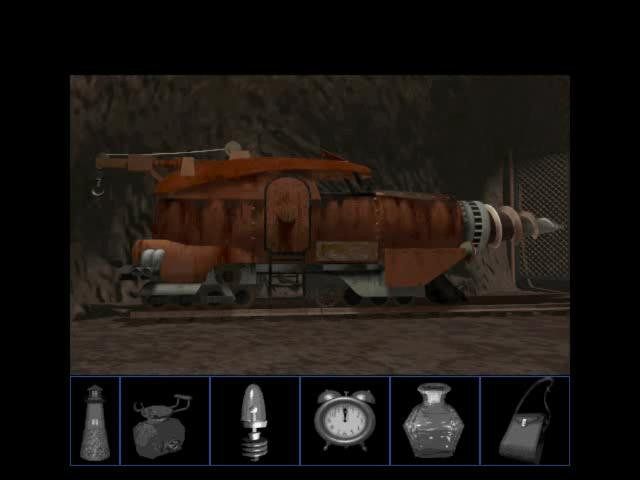
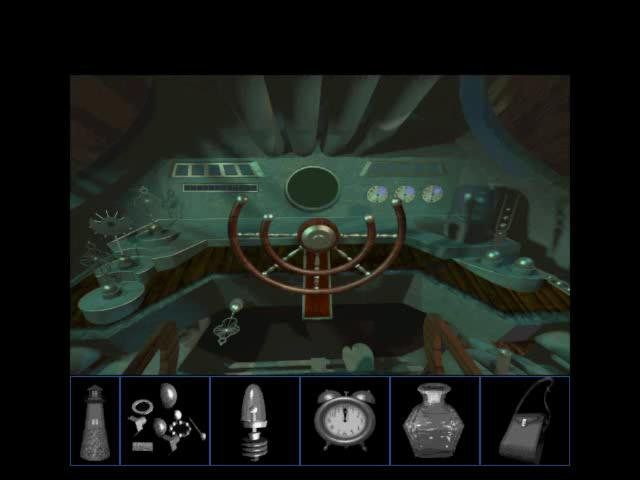
Visually, Lighthouse: The Dark Being embraces the era of richly detailed, pre-rendered backdrops. The coastal Oregon cottage and nearby lighthouse exude authenticity through lush textures, realistic lighting, and evocative weather effects. Stormy skies, lapping waves, and flickering lanterns contribute to a palpable sense of isolation as you approach the thunder-struck beacon.
When transported into the parallel universe, the game’s art direction becomes even more striking. Surreal architecture, bioluminescent flora, and gravity-defying pathways imbue the new realm with otherworldly beauty. Color palettes shift from muted earth tones to vibrant, iridescent hues, reinforcing the divide between realities and immersing players in a visually captivating alternate world.
While the high-resolution still images retain their charm, modern players may notice occasional pixelation or compression artifacts—an understandable side effect of the game’s pre-rendered format on contemporary displays. The lack of dynamic lighting or real-time shadows can also feel static compared to current 3D engines. Nonetheless, the crafted scenes are brimming with detail, and careful composition often masks technical limitations.
Ambient sound and musical cues further elevate the visual presentation. Soft piano motifs underscore moments of quiet discovery, while distant thunderclaps and echoing footsteps heighten tension in abandoned corridors. The synergy between visuals and audio deepens the overall mood, making each new screen feel like a carefully staged tableau worthy of exploration.
Story
The narrative of Lighthouse: The Dark Being revolves around a nameless writer who moves into a secluded coastal cottage in Oregon. Your relationship with the eccentric Dr. Jeremiah Krick and his daughter Amanda forms the emotional core of the adventure. Their sudden disappearance after a lightning strike sets the stage for a meticulously plotted rescue mission across worlds.
Story delivery is deliberately understated, with most exposition conveyed through Dr. Krick’s garbled answering machine messages, scattered journal entries, and environmental cues. This “show-don’t-tell” approach encourages players to piece together the timeline of events, reconstruct the scientist’s experiments, and understand the stakes involved in traversing to the parallel dimension.
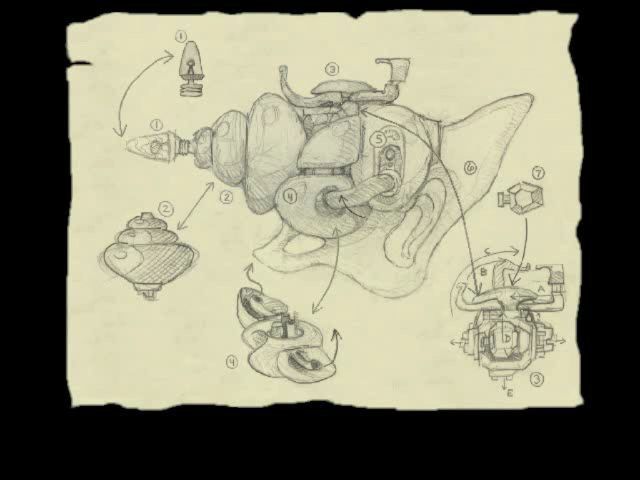
Character development is subtle but effective. Dr. Krick’s obsessive brilliance shines through in his hand-drawn schematics and cryptic notes, while Amanda’s playful doodles and diary snippets provide human warmth amid the foreboding atmosphere. Their personalities emerge organically, motivating the protagonist—and by extension, the player—to push forward through even the most perplexing obstacles.
Although the premise evokes classic adventure tropes—mysterious disappearances, alternate realities, and hidden laboratories—the game’s pacing remains tight. There are few filler moments; each new location and puzzle piece directly advances the central rescue narrative. This focused storytelling keeps tension high and encourages sustained engagement until the final climactic revelations.
Overall Experience
Lighthouse: The Dark Being offers a deeply atmospheric journey for players who appreciate methodical exploration and cerebral challenges. Its reliance on pre-rendered screens and minimalist interface may feel nostalgic or quaint, yet these very elements foster a sense of deliberate discovery rarely found in modern adventure titles.
Puzzle aficionados will relish the game’s demanding logic-based conundrums, while those seeking strong narrative hooks will find satisfaction in uncovering Dr. Krick’s research and piecing together the fate of Amanda. The balance between environmental storytelling and interactive problem solving ensures that neither element overshadows the other.
Despite minor technical limitations typical of pre-rendered adventures, the game’s immersive ambiance, haunting soundtrack, and evocative art direction more than compensate. Lighthouse: The Dark Being stands as a testament to the enduring appeal of the Myst-inspired genre, delivering an experience that remains rewarding for seasoned explorers and newcomers alike.
Ultimately, this title shines brightest for players willing to invest time and attention into its intricate puzzles and layered narrative. If you crave an adventure that challenges both your mind and your sense of wonder, Lighthouse: The Dark Being is a voyage well worth embarking on.


Reviews
There are no reviews yet.