 Retro Replay Retro Replay gaming reviews, news, emulation, geek stuff and more!
Retro Replay Review
Gameplay
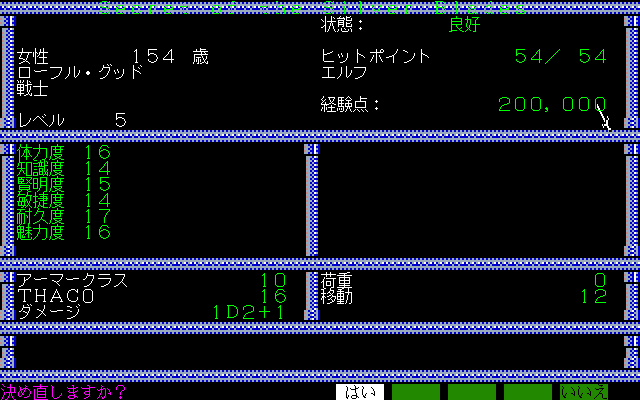
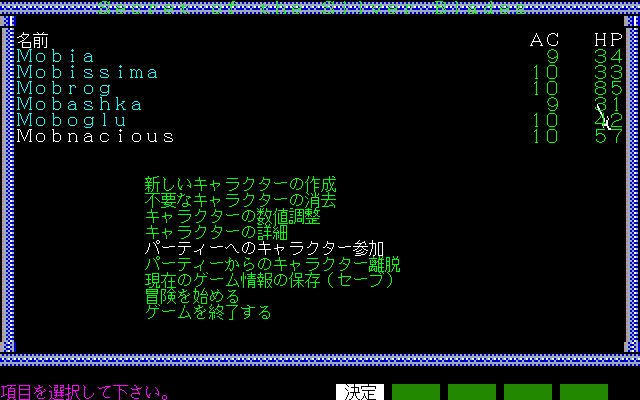
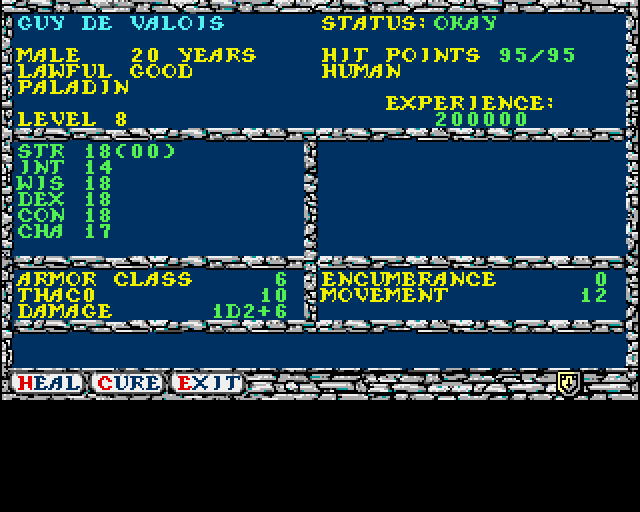
Secret of the Silver Blades picks up the turn-based, party-driven mechanics familiar from Pool of Radiance and Curse of the Azure Bonds, while introducing a few modern refinements. Players again assemble a team of up to six adventurers, each customized with race, class, and ability scores under the venerable AD&D ruleset. Character creation feels deeper than ever, as you weigh thief skills against magic-user spells and fighter hit points, setting the tone for how you’ll tackle Icewind Dale’s frosty challenges.
(HEY YOU!! We hope you enjoy! We try not to run ads. So basically, this is a very expensive hobby running this site. Please consider joining us for updates, forums, and more. Network w/ us to make some cash or friends while retro gaming, and you can win some free retro games for posting. Okay, carry on 👍)
Exploration unfolds in a pseudo-3D, first-person view, replacing the overworld map of previous Gold Box titles with seamless transitions between town streets, cavern corridors, and glacial tunnels. The absence of a separate map screen lends a greater sense of immersion, even if navigation occasionally becomes a pixel-hunt in dimly lit passages. Secret doors, hidden treasure chests, and environmental hazards like slippery ice patches keep you on your toes, rewarding careful mapping and frequent saves.
Combat switches to a classic top-down battle grid, where your squad squares off against frost giants, marauding orcs, and ethereal wraiths. Turn order is dictated by character speed and spell casting time, making initiative rolls more critical in tight fights. The interface allows free movement of each party member, enabling tactical positioning behind cover or flanking maneuvers to exploit enemy vulnerabilities. You’ll find that area-effect spells such as Ice Storm or Fireball can make or break an encounter, so wise spell management and resting are paramount.
While veterans will appreciate the faithful return of random encounters alongside scripted boss battles, newcomers may find the difficulty curve steep. Early-game skirmishes demand cautious progression, and learning to balance resource consumption—healing potions, spell slots, and limited-use scrolls—becomes a central strategic element. Fortunately, experience points flow steadily from every dungeon delve, encouraging experimentation with different party compositions and combat styles.
Graphics
By 1990 standards, Secret of the Silver Blades showcases a solid graphical upgrade over its predecessors. The game supports VGA’s 256-color palette, giving icy caverns a chilly blue hue and making spell effects—like glowing runes and flickering fireballs—pop against dark backgrounds. Environmental details, from frosted floor tiles to rickety coffins in crypts, effectively set an atmospheric tone that keeps you invested in each new locale.
Character and monster sprites receive careful attention, with relatively smooth animations for sword swings, arrow volleys, and undead ambushes. While the pseudo-3D dungeon corridors are essentially tiled textures, their shading and perspective tilt evolve slightly as you turn, reducing the sense of pixel repetition that plagued earlier Gold Box titles. Secret doors remain cleverly concealed, though you may lean on keyboard commands to reveal hidden alcoves rather than tirelessly clicking every wall segment.
Spellcasting renders as sprite overlays that shimmer across the battlefield grid, delivering immediate visual feedback on hits, misses, and area-of-effect damage. The inclusion of simple particle effects—icy shards for cold spells, flickering light for magic missiles—adds flair without overtaxing the hardware of its era. Portrait panels that display adventurer faces during dialogue and rest screens further enhance the sense of role-playing immersion.
Despite these strengths, some environments can feel repetitive after long gaming sessions. Dungeon tiles recycle frequently, and the town’s buildings share similar textures. However, the overall presentation holds up well, balancing functional clarity with decorative details to ensure you rarely lose track of your party’s position or status in the gloom of Icewind Dale.
Story
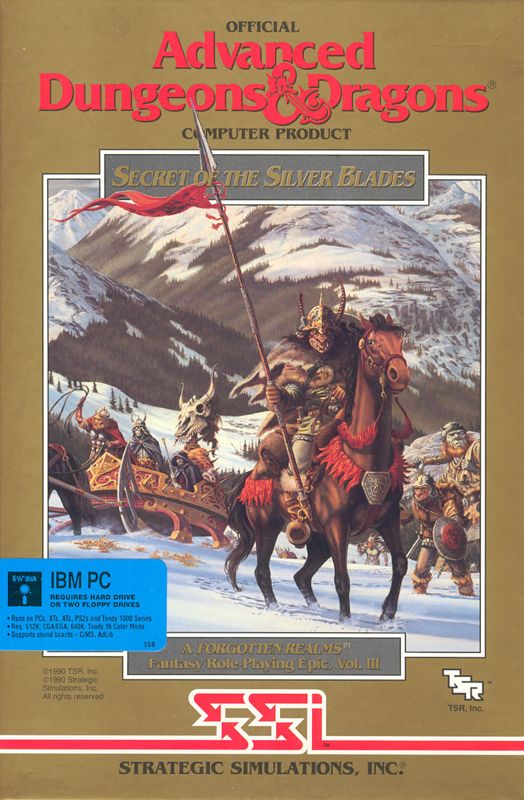
Secret of the Silver Blades thrusts you and your veteran heroes into the frozen town of Coldwater, which lies under siege by monstrous forces. The game opens with a touch of whimsy—the party emerges nude from a magical well in the town square, prompting a quick scramble for armor and weapons. This playful introduction sets the tone for a narrative that balances high-stakes peril with occasional wit and camaraderie among your party members.
As you regain your gear and meet Coldwater’s beleaguered citizens, rumors swirl about the legendary Silver Blades—ancient swords said to hold the power to repel the undead armies massing beyond the town walls. Side quests involve locating lost townsfolk, investigating haunted manors, and uncovering cryptic journal entries that shed light on the blades’ origins. Though the core plot is linear, optional exploration reveals hidden lore and unexpected NPC interactions that enrich the overarching tale.
The tension steadily escalates as you delve deeper into icy caverns and forgotten temples, battling frost liches and avaricious trolls. Environmental storytelling—skulls frozen in ice, blood-stained altars, and flickering torchlight—reinforces the sense that the very land itself is corrupted. While dialogue remains text-heavy, party banter and descriptive passages evoke a strong sense of place and urgency, driving you forward to confront the Silver Blades’ dark secret.
Though the final revelations may feel familiar to seasoned D&D players—ancient evils, cursed artifacts, and last-minute betrayals—the journey is packed with memorable moments. The balance of puzzle-solving, dungeon crawling, and combat creates a narrative rhythm that encourages thorough exploration. By the time you face the climactic showdown, you truly appreciate how each subplot and hidden clue built toward uncovering the blades’ true power.
Overall Experience
Secret of the Silver Blades delivers a robust and rewarding RPG experience that preserves the core appeal of the Gold Box series while adding enough refinements to stand on its own. The blend of first-person exploration and tactical, grid-based combat creates two distinct play styles that alternate smoothly, keeping gameplay loops fresh throughout lengthy sessions. Occasional balance hiccups—such as sudden spikes in enemy difficulty—can be frustrating, but proper preparation and sound tactics usually tip the scales back in your favor.
Character progression feels meaningful, as your fighters grow sturdier, thieves become deadlier at disarming traps, and magic-users unlock new spells that dramatically reshape combat dynamics. Replay value is high: different party compositions lead to varied experiences, and veterans may find challenge runs or pacifist playthroughs rewarding in their own right. The absence of an overworld map focuses attention on detailed locales, encouraging meticulous mapping and rewarding the curious adventurer.
On the downside, the user interface can feel dated compared to modern RPG standards. Clicking small UI buttons or typing keyboard shortcuts for each command may slow down gameplay for newcomers. However, fans of old-school complexity will appreciate the granular control over inventory, spell memorization, and tactical options that the Gold Box engine provides.
Ultimately, Secret of the Silver Blades offers a compelling package for players seeking a classic Dungeons & Dragons adventure. Its mix of immersive environments, strategic combat, and engaging narrative elements make it a standout chapter in the Icewind Dale saga. Whether you’re a returning hero from Pool of Radiance and Curse of the Azure Bonds or a newcomer hungry for deep party-based RPG action, this frozen epic has plenty of secrets—and silver blades—to uncover.


Reviews
There are no reviews yet.