 Retro Replay Retro Replay gaming reviews, news, emulation, geek stuff and more!


Retro Replay Review
Gameplay
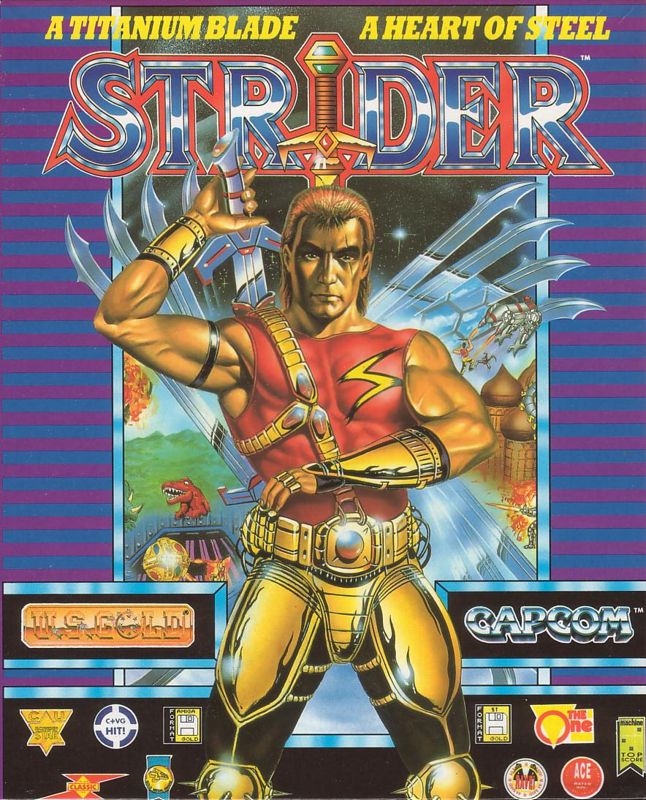
Strider shines with fast-paced, acrobatic platforming that keeps you constantly on the move. From the moment Hiryu drops into Grand Master Meio’s stronghold, you’ll be chaining together wall climbs, ceiling-to-ground flips, and lightning-fast dashes. The controls feel tight and responsive, allowing you to execute precise jumps over bottomless pits or quickly reverse direction when a pack of robotic guards swarm.
(HEY YOU!! We hope you enjoy! We try not to run ads. So basically, this is a very expensive hobby running this site. Please consider joining us for updates, forums, and more. Network w/ us to make some cash or friends while retro gaming, and you can win some free retro games for posting. Okay, carry on 👍)
Combat in Strider revolves around the Cypher, Hiryu’s plasma sword. The weapon’s reach and speed make for satisfying slashes against standard enemies, while special moves—such as the “roundhouse slash” and the air dash attack—open up creative tactics. You’ll find yourself switching between aggressive swordplay and evasive maneuvers as mid‐level and end‐level bosses demand pattern recognition and split-second reactions.
Exploration also plays a subtle role in the five-level design. Secret alcoves hide health pickups or lives, rewarding careful observation and mastery of wall‐climbing mechanics. While progression is mostly linear, detours often lead to small caches of items that can mean the difference between conquering a tough boss and getting sent back to a checkpoint.
Graphics
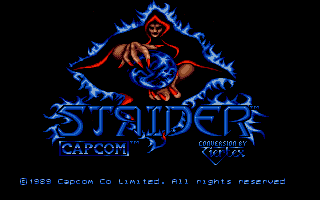
Strider’s sprite artwork remains a standout even decades after its release. Each environment—icy caverns, neon-lit corridors, and grand throne rooms—boasts striking color palettes that contrast sharply with Hiryu’s dark silhouette. The attention to detail in metal plating, flashing lights, and atmospheric backdrops immerses you in the dystopian world.
Animation is fluid and dynamic: Hiryu’s rotation as he climbs from ceiling to floor looks seamless, and enemy robots pivot and lunge with convincing inertia. Boss animations, especially those of mechanized monstrosities, feel weighty and deliberate, giving each encounter a cinematic punch. The occasional background parallax shift adds depth to the 2D planes, creating a sense of scale for Meio’s vast fortress.
While modern HD remasters may refine textures or smooth edges further, the original visuals retain a timeless charm. The stark contrast between Hiryu’s bright Cypher slashes and the often-gloomy backdrops draws your eye to the action, ensuring clarity even in visually busy moments.
Story
The narrative backdrop of Strider is delightfully concise: it is the year 2048 AD, and the malevolent Grand Master Meio seeks universal domination. Rather than bog you down with lengthy cutscenes, Strider thrusts you straight into the infiltration, delivering plot points between levels via brief text or a handful of cinematic stills.
Hiryu’s mission to topple an intergalactic tyrant may be archetypal, but the urgency of a lone super‐agent penetrating a heavily fortified stronghold keeps the stakes high. Occasional visual flashes—a massive looming statue of Meio, or the shattered corridors hinting at previous battles—impart a sense of history to the fortress without resorting to exposition-heavy dialogue.
Because the story is streamlined, it doesn’t overshadow the gameplay. Instead, it propels you forward: each slain robot and downed lieutenant brings Hiryu one step closer to confronting the Grand Master himself. The minimalist approach to storytelling ensures the focus remains on action, while still providing enough context to make your mission feel meaningful.
Overall Experience
Strider offers a thrilling blend of precision platforming and hack-and-slash combat, wrapped in a sleek science‐fiction setting. Each of the five levels introduces new environmental hazards and enemy types, culminating in memorable boss battles that test both reflexes and pattern‐recognition skills. Even today, those encounters retain a sense of excitement and challenge.
The game’s pacing is relentless but fair. Checkpoints are well-spaced, and acquiring extra lives through exploration strikes a satisfying balance between risk and reward. Whether you’re chaining aerial acrobatics across ceiling beams or deflecting energy blasts with your Cypher, Strider keeps your adrenaline pumping until the final showdown with Grand Master Meio.
For fans of classic action‐platformers, Strider remains a must-play. Its tight controls, iconic visual style, and streamlined narrative ensure an engaging experience from start to finish. Novice players may need a few tries to master the boss patterns, but those who stick with it will find a rewarding, high-octane adventure that stands the test of time.


Reviews
There are no reviews yet.