 Retro Replay Retro Replay gaming reviews, news, emulation, geek stuff and more!
Retro Replay Review
Gameplay
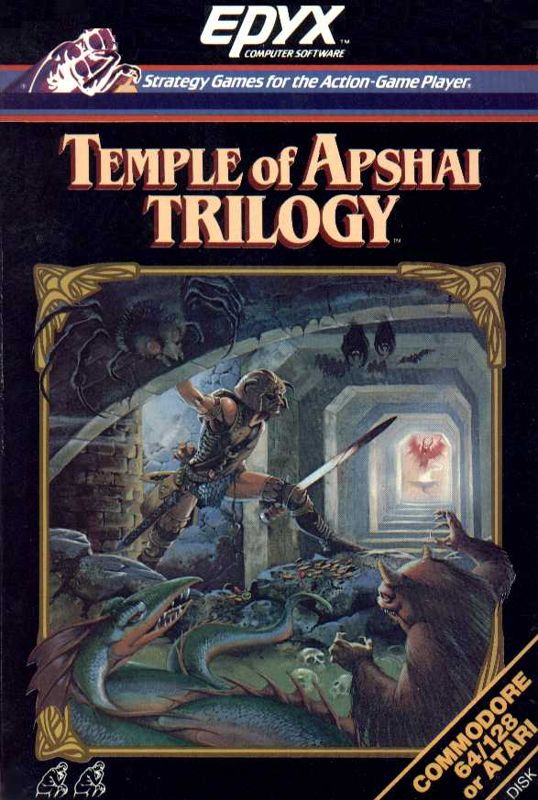
The Temple of Apshai Trilogy brings together three venerable dungeon-crawling experiences—Temple of Apshai, Upper Reaches of Apshai, and Curse of Ra—into a single package, offering hours of tactical exploration. At its core, gameplay remains faithful to the original Dunjonquest formula: turn-based movement, careful conservation of torches and food, and incremental character progression. Each step through the dimly lit corridors is deliberate, rewarding patience and a strategic approach to combat and resource management.
(HEY YOU!! We hope you enjoy! We try not to run ads. So basically, this is a very expensive hobby running this site. Please consider joining us for updates, forums, and more. Network w/ us to make some cash or friends while retro gaming, and you can win some free retro games for posting. Okay, carry on 👍)
Players will soon discover that the trilogy balances risk and reward masterfully. Traps, hidden doors, and ambushes lurk around every corner, prompting thorough searches and cautious advancement. Combat sequences, while simple by modern standards, demand thoughtful positioning and spell usage. This deliberate pace fosters a satisfying sense of tension, where every hit point lost or gained matters greatly.
Modern convenience features—such as adjustable difficulty, quick-saving, and a more intuitive inventory interface—make the series far more approachable than its 1980s predecessors. Fresh players can toggle these aids to reduce frustration, while veterans can opt for a purist mode that replicates the original challenge. The result is a gameplay loop that remains engrossing, whether you’re a newcomer seeking a taste of RPG history or a seasoned adventurer looking for a nostalgic jaunt through ancient ruins.
Graphics
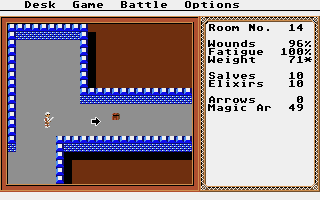
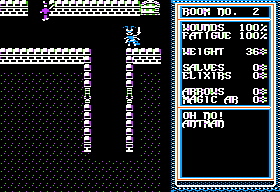
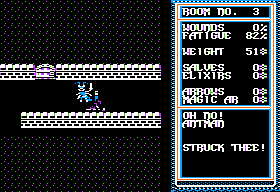
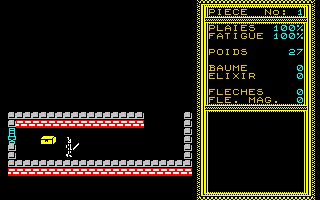
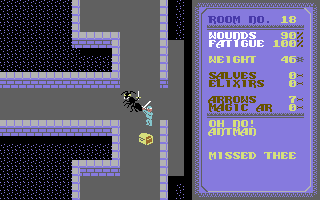
One of the Trilogy’s most appealing updates is its refreshed visual presentation. The classic wireframe maps and blocky sprites have been replaced with crisp, colorful tiles and detailed character portraits that capture the spirit of the originals. Dungeon walls now feature subtle shading and texture, while ambient effects—such as flickering torchlight—enhance the sense of immersion without sacrificing the retro aesthetic.
Each of the three games showcases its own distinct environments: the dank stone chambers of Temple of Apshai, the icy vaults in Upper Reaches, and the sand-blasted tombs in Curse of Ra. The graphical polish not only highlights these differences but also unifies them under a coherent art direction. Subtle animations—like drifting dust motes or torch flames—breathe new life into environments that once felt static.
Despite the visual overhaul, the Trilogy never feels like it’s chasing modern realism. Instead, it leans into the charm of old-school RPGs, using bright color palettes and bold iconography to communicate vital information at a glance. Menus are clear and legible, and character equipment and spell effects are instantly recognizable—key improvements that allow you to focus on adventuring rather than wrestling with an archaic interface.
Story
While the Apshai games were never known for sprawling narratives, the Trilogy does a commendable job of framing its minimal story beats. In Temple of Apshai, you’re a lone hero delving into the titular ruins to recover stolen artifacts and rescue kidnapped villagers. Upper Reaches of Apshai expands the saga northward, sending you into frost-bound caverns to thwart a rising evil. Curse of Ra, the series’ final chapter, transports you to a desert necropolis riddled with undead guardians and ancient curses.
The storyline across all three titles is straightforward, focusing on dungeon objectives rather than complex character arcs. Nevertheless, the atmosphere is potent: flickering torches cast menacing shadows, skeletons rise from dusty floors, and the persistent creaking of dungeon doors keeps you on edge. Brief text descriptions between levels serve to inject just enough lore to maintain momentum without bogging down exploration.
By bundling these adventures together, the Trilogy presents a cohesive progression from one locale to the next, offering a sense of journey and escalating stakes. Though each game’s narrative is lightweight, their combined scope delivers a satisfying epic—especially for those who appreciate emergent stories born from player choice, unexpected encounters, and the thrill of discovery.
Overall Experience
The Temple of Apshai Trilogy is a love letter to classic CRPG enthusiasts and curious newcomers alike. Its polished presentation and quality-of-life enhancements make it remarkably accessible, while its faithfully preserved core mechanics provide an authentic window into gaming’s formative years. Whether you’re resurrecting fond memories or charting dungeon depths for the first time, this collection serves up a hearty feast of retro RPG goodness.
Performance is rock-solid on modern systems, and the inclusion of adjustable settings ensures you can tailor difficulty and pacing to your preferences. Music and sound effects have also received a subtle overhaul, with reorchestrated tracks that complement the updated visuals without clashing with the nostalgic tone. Cheats and toggles are available, but purists can disable them to relive the original challenge in full force.
In sum, the Temple of Apshai Trilogy strikes a fine balance between preservation and modernization. It offers an inviting entry point into dungeon-delving history while delivering enough depth and charm to hold your attention for countless sessions. For anyone intrigued by the roots of RPGs or seeking a measured, tactical adventure, this compilation is an essential addition to your library.


Reviews
There are no reviews yet.