 Retro Replay Retro Replay gaming reviews, news, emulation, geek stuff and more!
Retro Replay Review
Gameplay
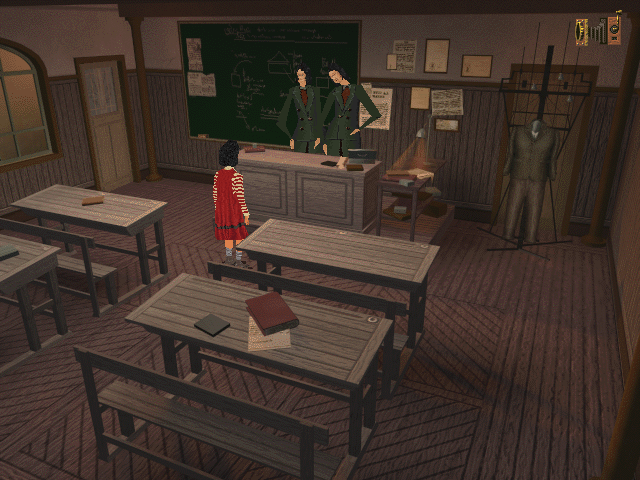
The City of Lost Children delivers a classic point-and-click adventure experience with a modern narrative twist. You assume the role of Miette, deftly moving through richly detailed, pre-rendered backdrops while directing her 3D model to interact with objects, solve puzzles, and engage in dialogue. Early on, you’re tasked with small-scale heists for your enigmatic schoolmistresses, the siamese twins Pieuvre, which serve as an introduction to the game’s stealth mechanics and inventory system. Each mission feels tailored to highlight Miette’s nimble agility and quick thinking, making even simple tasks feel gratifying.
(HEY YOU!! We hope you enjoy! We try not to run ads. So basically, this is a very expensive hobby running this site. Please consider joining us for updates, forums, and more. Network w/ us to make some cash or friends while retro gaming, and you can win some free retro games for posting. Okay, carry on 👍)
As the story unfolds, the game gradually layers more complex challenges: timed sequences to avoid the looming Cyclopses, multi-step puzzle chains that require careful note-taking, and moral choices that influence how NPCs react to Miette. The balance between exploration, puzzle-solving, and light stealth is generally well paced, although a handful of puzzles can feel obtuse without frequent backtracking. The hint system is subtle—Pieuvre occasionally offers cryptic advice, pushing players to think creatively rather than handing over solutions.
Controls are intuitive, with context-sensitive cursors indicating possible interactions. A quick-access inventory wheel keeps important items close at hand, while a journal logs clues and sketches you uncover during your investigation into the dream-stealing Cyclopses. Although the camera angles are fixed in most scenes, the occasional dynamic sequence—such as a chase through narrow alleyways or a frantic escape from an abduction attempt—breaks the formula enough to keep the gameplay lively. Overall, the mechanics support the story’s sense of mystery and wonder without overwhelming newcomers to the genre.
Graphics
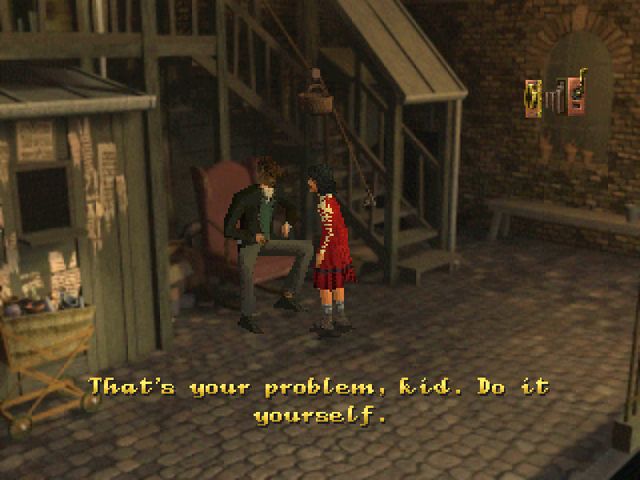
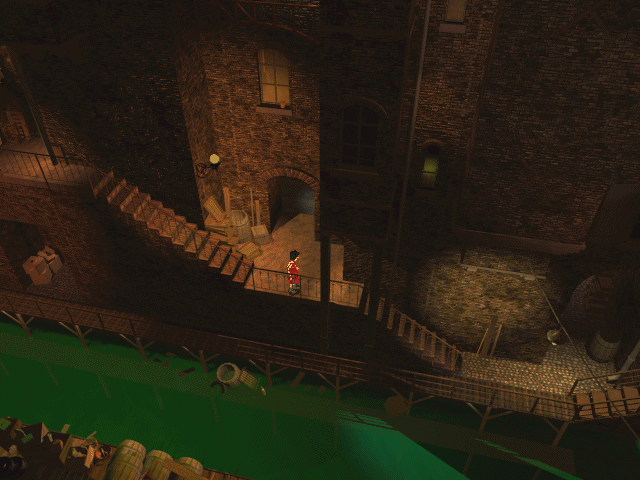
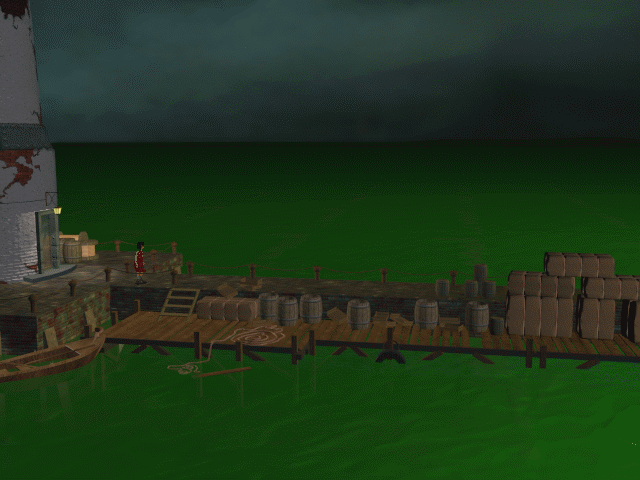
The City of Lost Children adopts a striking visual style: fully rendered 3D character models placed over hand-painted, high-resolution backgrounds. This blend creates a dreamlike atmosphere that perfectly suits the source material’s surreal aesthetic. From the gritty cobblestones of the city’s underbelly to the shadowy interiors of Pieuvre’s schoolhouse, every environment is rich with texture and subtle animation—fluttering garments, drifting fog, and flickering lamplight imbue each scene with life.
Character designs faithfully capture Miette’s spunky demeanor and the eerie presence of the Cyclopses, whose single glowing eye animates with malevolent intelligence. While occasional clipping issues arise where character limbs intersect the background, these minor hiccups rarely detract from the overall experience. Cutscenes, rendered in-engine, link chapters with dynamic camera movements that heighten emotional beats—Miette’s fearful gasp as a Cyclops closes in, or a brief, tender moment when she finds an ally in an unexpected NPC.
Lighting plays a pivotal role in guiding player focus: streaks of moonlight highlight collectible items, while shifts between warm and cool color palettes signal changes in tone. Whether you’re picking locks in a candle-lit chamber or navigating rain-soaked rooftops under a neon glow, the graphics consistently support the moody, atmospheric narrative. Performance on modern hardware remains stable, and while some texture pop-in can occur during rapid camera pans, overall polish is commendable for a game of this scale.
Story
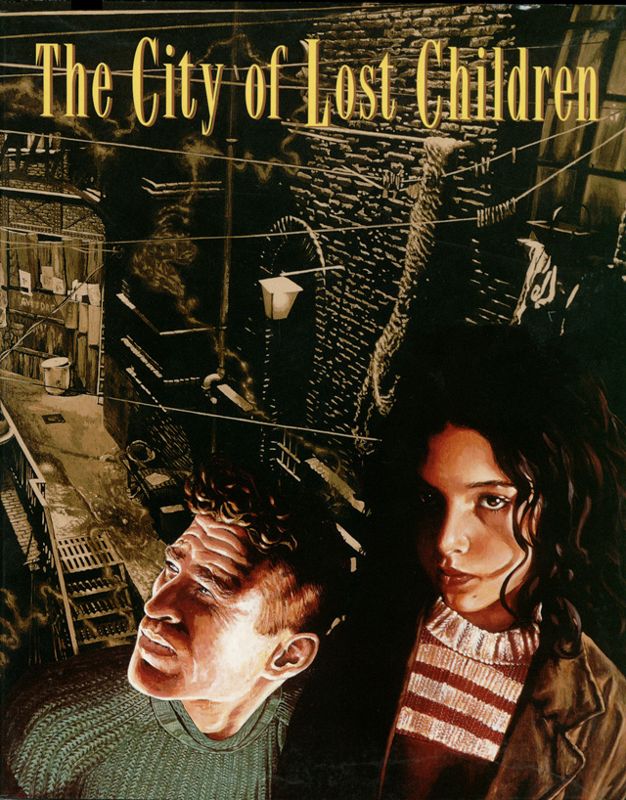
Drawing inspiration from the cult classic film, The City of Lost Children expands Miette’s journey into an interactive odyssey brimming with intrigue. You begin as a streetwise orphan under the thumb of Pieuvre, performing petty theft to earn your keep. This humble setup gradually morphs into a darker conspiracy as rumors of children disappearing in the night come to light. The introduction of the Cyclopses—menacing figures who extract dreams from their young victims—raises the stakes and propels Miette (and the player) into a quest to uncover the truth.
Narrative pacing is strong, weaving character-driven vignettes between investigative segments. NPCs—from a sympathetic puppeteer to a reclusive scientist experimenting on dream matter—populate the city’s labyrinthine alleys, each contributing a piece of the larger puzzle. Dialogue choices allow you to empathize, intimidate, or deceive, subtly shaping relationships and unlocking unique side content. These branching interactions enrich replay value, as different approaches can lead to new discoveries or alter key scenes.
The thematic underpinnings—loss of innocence, exploitation of childhood wonder, and the resilience of hope—resonate throughout your journey. Moments of levity, courtesy of Miette’s sarcastic quips and playful banter with allies, provide welcome relief from the growing tension. By the time you confront the Cyclopses’ mastermind and witness how dreams themselves become a battleground, you’re deeply invested in Miette’s fate and the fate of every child in the city. It’s a narrative that both honors the film’s surreal spirit and stands on its own as a compelling adventure.
Overall Experience
The City of Lost Children stands out as a heartfelt love letter to fans of the original movie, while also offering newcomers an immersive, self-contained adventure. Its blend of classic point-and-click mechanics with modern narrative techniques results in a game that feels both nostalgically familiar and refreshingly innovative. From piecing together cryptic journal entries to evading dream-stealing fiends, every element works in concert to maintain a sense of wonder and urgency.
Lengthwise, expect around 12–15 hours to reach one of the several endings, with side quests and optional puzzles adding another few hours for completionists. The game’s difficulty curve is gentle but firm; veteran adventurers may breeze through early sections but will find later puzzles challenging without resorting to walkthroughs. Accessibility options—such as adjustable text size and colorblind-friendly cues—demonstrate a commendable attention to player comfort.
While minor technical quirks and the occasional puzzle roadblock momentarily interrupt the flow, they’re overshadowed by the game’s artistic vision and narrative depth. Whether you’re drawn by the dark fairy-tale atmosphere, the multi-layered storyline, or the compelling characterization of Miette herself, The City of Lost Children offers an unforgettable journey through a world where dreams are as valuable as life itself. For adventure aficionados and fans of the film alike, this is one city well worth exploring.


Reviews
There are no reviews yet.