 Retro Replay Retro Gaming History, Reviews & Emulation
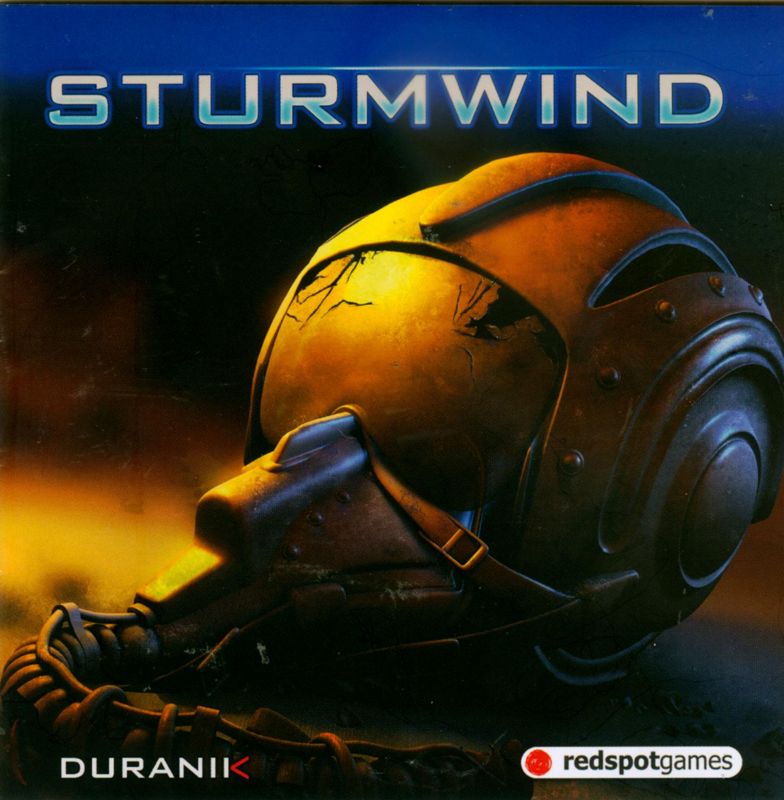
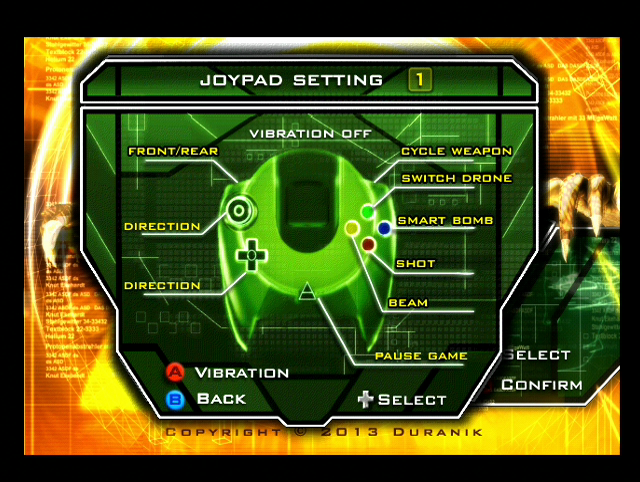
Retro Replay Review
Gameplay
Sturmwind starts with a welcome bit of confidence: you have all three weapons from the outset, enemies arrive quickly, and every level promises a boss at the end. For the first hour, that makes it easy to fall into the old shoot-’em-up groove of threading through fire, clearing the immediate threat, and trying to carry a strong loadout into the next nasty encounter. Sixteen levels spread across seven worlds is a solid amount of ground for this kind of arcade-minded game, and the occasional vertical-scrolling stretch stops the horizontal format from becoming automatic.
The clever part is how it makes damage hurt without ending the run on the first mistake. Your ship survives three hits, but each hit destroys the weapon currently selected. That creates an uncomfortable, useful decision: do you lean on your strongest gun and risk losing it, or rotate weapons so one bad collision does not wreck the tool you need? Recovering lost weapons is not a passive pickup routine, either. You shoot the relevant bonus item to turn it from a score reward into an upgrade, then keep shooting to choose which weapon it improves. It is a small system with real consequences once the action gets crowded.
Sturmwind also gives you a backward firing direction and a chargeable beam with clear R-Type inspiration. Backward fire is exactly the sort of option that seems situational until enemies begin pressuring you from behind, while the beam rewards a player who can find room to save energy rather than panic-fire. Some bosses add a time limit, which can turn a careful survival-minded run into a damage race. That pressure will frustrate anyone who wants to inch through every encounter safely, but it also keeps boss fights from becoming long endurance tests.
There is replay value beyond simple survival. Achievements ask for focused challenges, such as clearing a level using only a certain weapon, and unlockable bonuses including art galleries give committed runs a little extra reward. High-score chasers can enter the provided code on the game’s score website and see how their performance stacks up. More importantly, the weapon system gives you genuine reasons to revisit levels: cleaner play preserves better tools, and better knowledge lets you make smarter upgrade choices.
Graphics
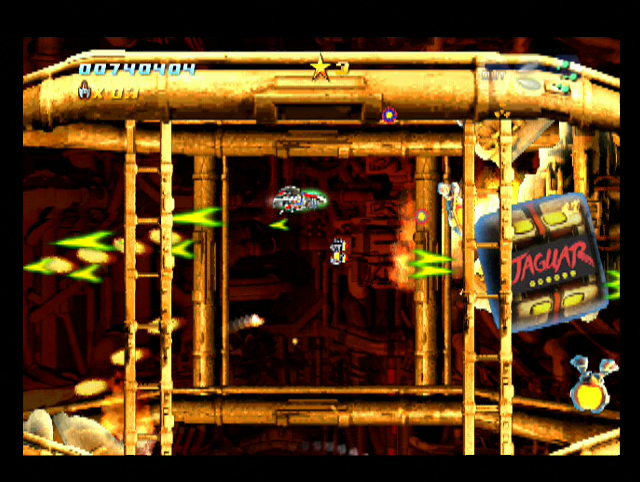
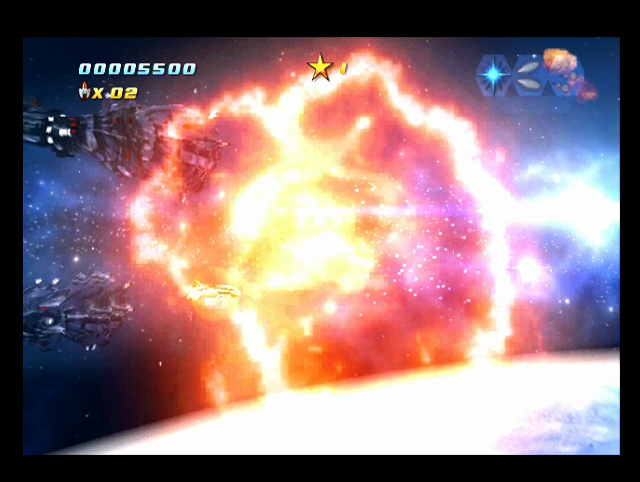
Sturmwind is viewed from the side, with the action built around a small ship pushing through scrolling science-fiction stages. The changing scroll directions are visible in play rather than just a rules tweak: most stages drive sideways, while certain passages shift vertically and make you reorient your movement around the screen.
Story
Story is not the reason to boot up Sturmwind. It is a science-fiction shooter built around stage-to-stage combat, escalating enemy waves, and boss confrontations rather than a heavily foregrounded narrative.
That is not a flaw in this case. The game’s tension comes from the practical story you make during a run: a favorite weapon disappears after a hit, a recovery item arrives, and suddenly you are trying to rebuild before the next boss. The stakes are mechanical, immediate, and easy to understand.
If you want character scenes or a plot that carries you between battles, Sturmwind will feel sparse. If you are happy letting the world-to-world progression and boss gauntlet supply the momentum, its restraint keeps the focus where it belongs: flying well under pressure.
Overall Experience
Sturmwind is a strong fit for you if you like shooters that ask for more than memorizing a route. The three-hit structure sounds forgiving, but losing the selected weapon means errors can leave you alive yet badly weakened. That makes recovery part of the drama, and it gives successful runs a satisfying sense of control rather than mere luck.
Its best moments come when several ideas meet at once: enemies complicate your route, you need to choose a firing direction, your current weapon is vulnerable, and a charged beam could solve the problem if you can afford to wait. The level variety and timed bosses prevent that tension from settling into one note. Not every player will enjoy being pushed to act quickly when a boss clock is running, but that urgency suits the arcade discipline of the game.
At 7.8, Sturmwind lands as a very good Dreamcast shoot-’em-up rather than an effortless recommendation for every action fan. Give it a chance if you enjoy replay, score pursuit, and systems that make each hit matter. You can read more about Sturmwind’s release history, but the important part is simple: this is a focused, demanding blaster whose weapon-loss system gives it a sharper edge than its straightforward premise suggests.


Reviews
There are no reviews yet.