Retro Replay Retro Gaming History, Reviews & Emulation

A guard hears a footstep on marble. A city grows around a road you placed ten minutes ago. Somewhere aboard Citadel Station, a recorded voice describes a disaster you are only beginning to understand. Looking back at these games, it is often a small moment that makes their age surprising: an action, a response, or a place behaving in a way you associate with something much newer.
Our Top 20 Retro Games That Were Way Ahead of Their Time runs from the BBC Micro to the Dreamcast, with a healthy stretch of unruly PC games in between. Some made unfamiliar ideas approachable. Others asked for hardware, patience, or imagination that their audience did not always have. Quite a few were enormous successes, so being ahead of the curve did not necessarily mean being overlooked.
This is Retro Replay’s curated countdown, using the original games and platforms listed below. We considered the freedom they offered, the systems they brought together, their presentation, and the ideas later games would keep refining. A place here is not a claim that a game invented every feature it used, and the ranking is our opinion rather than a chronological list. From Elite at number 20 to Shenmue at number one, there is plenty worth arguing over.
Prefer watching to reading? Settle in for our video countdown, then come back to the covers and screenshots whenever a game catches your eye.
#20: Elite
Platform: BBC Micro
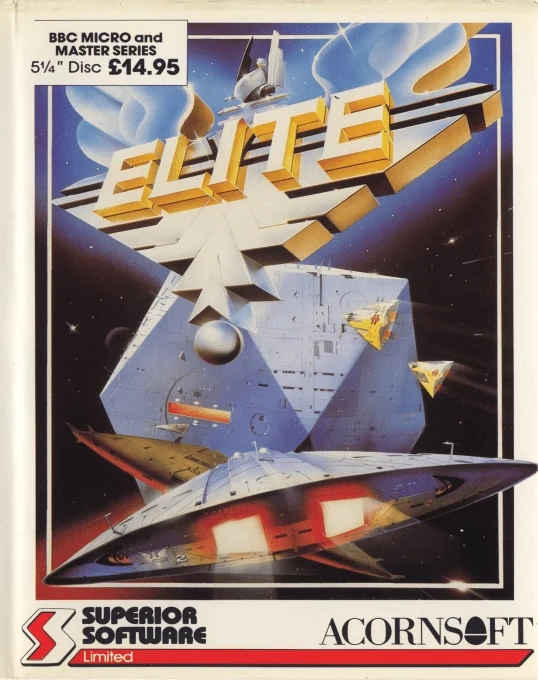
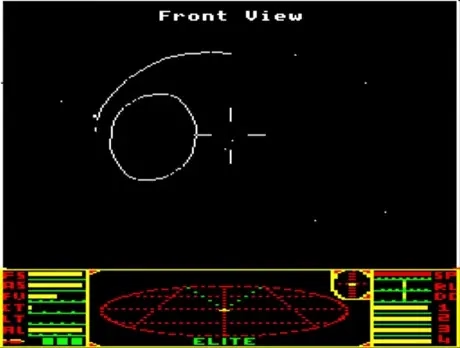
The first docking attempt is where Elite stops feeling like a diagram and starts feeling like a place. A rotating station fills the screen, your ship is drifting out of alignment, and a hold full of cargo suddenly seems rather expensive. Those spare white lines can make your palms sweat.
Ian Bell and David Braben packed trading, combat, equipment upgrades, and procedural star systems into the BBC Micro in 1984. You could follow profitable routes, hunt wanted ships, or make trouble yourself. Across eight galaxies, the original game offered 2,048 systems, with enough variation to keep the next jump tempting.
Earlier space games had already explored flight and combat, but Elite joined its parts into a remarkably convincing working life. Buy something cheap, survive the journey, sell it somewhere better, and decide what to do with the money. Even now, that small chain of decisions can eat an evening.
#19: SimCity
Platform: PC / Macintosh (DOS shown)
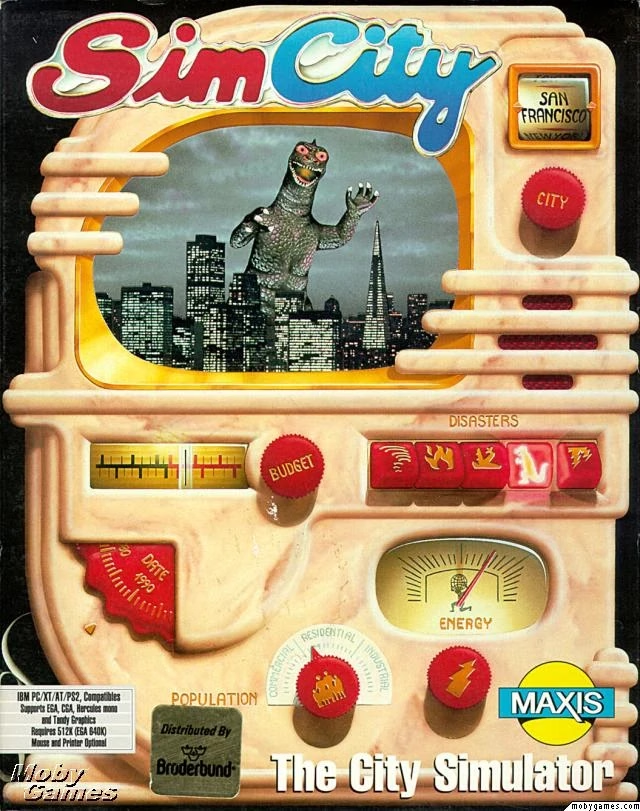
A neighborhood needs power before it needs your beautiful new stadium. SimCity has a habit of reminding you of such things just as you start admiring your handiwork. Roads bring traffic, growth brings demands, and the residents are very willing to tell the mayor where the plan has gone wrong.
Will Wright’s city builder arrived in 1989 with a wonderfully awkward proposition: nobody was going to tell you when you had won. Zoning, taxes, transport, and public services gave you competing problems to juggle. A city could thrive, limp along, or become the victim of a disaster you had unleashed out of curiosity.
The original computer versions made observation as absorbing as construction. You changed a piece of the city, let time run, and watched the consequences spread. Modern management games offer vastly more detail, but that pleasure of setting something in motion and checking back on it was already firmly in place.

#18: Herzog Zwei
Platform: Sega Genesis
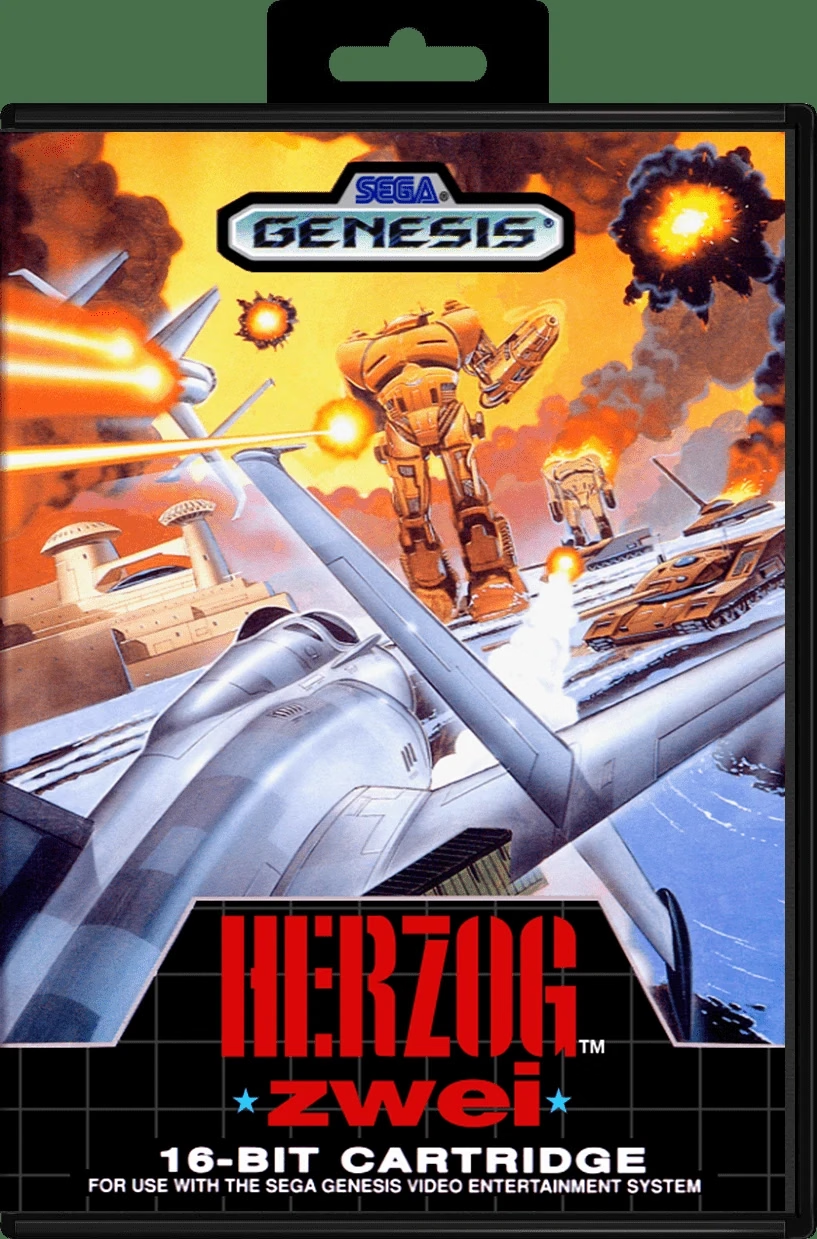
Your mech can win a fight in Herzog Zwei, but it cannot be everywhere. While you chase an opponent across the map, an unattended base can fall and a supply line can unravel. The moment you stop treating the battlefield as one long dogfight, the game opens up.
Technosoft’s Genesis strategy game put you directly in the commander’s vehicle. You bought units, carried them into position, issued orders, and captured bases while your opponent did the same. Switching between aircraft and robot forms gave the action a physical immediacy that mouse-driven strategy games would approach very differently.
The menus ask for some patience, especially while an opponent refuses to give you any. Still, having to fight, transport, spend, and plan at once feels astonishingly ambitious on this hardware. Two players who understand the rules can turn a quiet map into a wonderfully personal argument.

#17: Dune II: The Building of a Dynasty
Platform: PC (DOS)
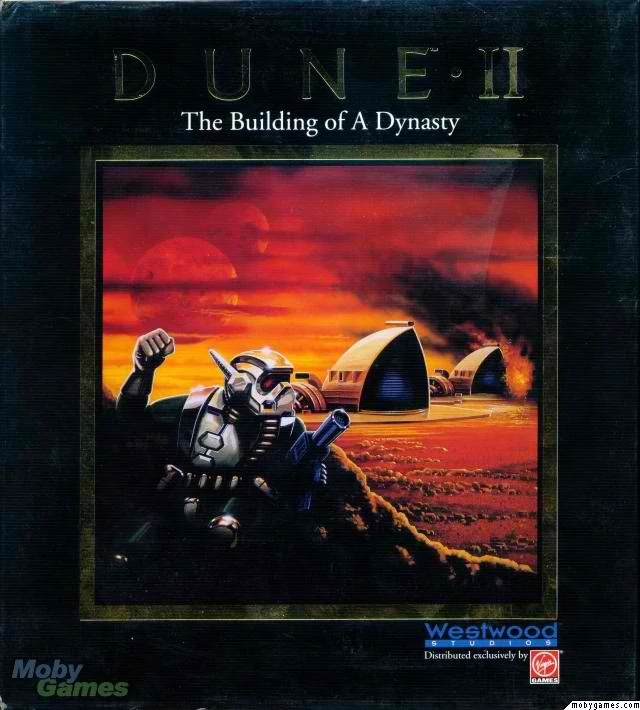
The harvester is crawling home with spice, your refinery is waiting, and an enemy force has chosen this exact moment to visit. Dune II makes the fragile machinery behind an army visible. Losing a few vehicles hurts; losing the income that replaces them can finish the battle.
Westwood’s 1992 PC game brought harvesting, construction, power, a technology tree, and unit production together in a form that later real-time strategy players would immediately recognize. Choosing a House changed the campaign and some of your available weapons. Arrakis also supplied a very persuasive reason to keep an eye on the sand.
Its interface predates the conveniences that made later RTS games easier to command, particularly selecting groups of units. That makes returning to it a useful surprise: the big decisions feel familiar even when the small actions feel old. The route from spice field to factory to battlefield is already unmistakable.

#16: Ultima Underworld: The Stygian Abyss
Platform: PC (DOS)
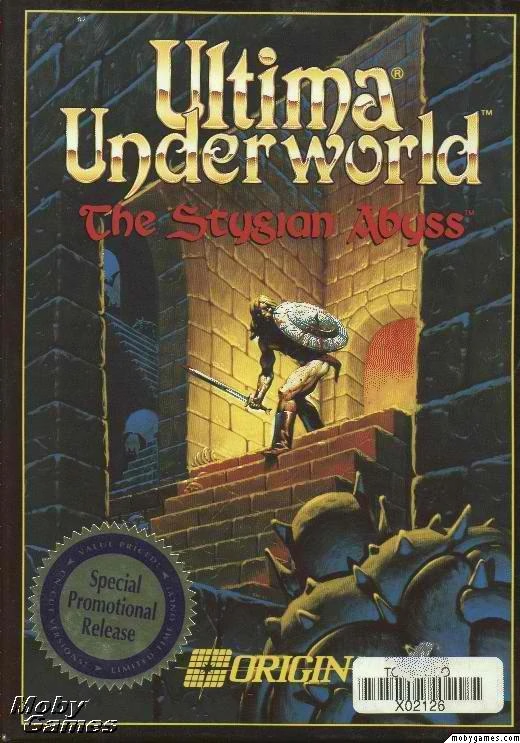
You can find a suspicious object in Ultima Underworld, pick it up, carry it somewhere else, and try an idea the game has not announced as a puzzle solution. A dungeon full of usable things feels different from a corridor full of scenery. Curiosity becomes part of your equipment.
Released in 1992, before Wolfenstein 3D, The Stygian Abyss offered real-time first-person exploration with slopes, changes in elevation, looking up and down, and conversations with the inhabitants. Food, light, skills, and runic magic made survival more complicated than keeping a health bar full. The small viewing window held a surprisingly unruly place.
Its movement and interface take adjustment, but the freedom underneath them remains appealing. You might talk, search, experiment, or fight, and the dungeon gives those choices room to matter. A few odd possessions and an uncertain conversation can give you several reasons to revisit a room.

#15: Star Control II
Platform: PC (DOS)
The linked Gamebase page covers the related 3DO edition. This selection and its gameplay show the original DOS release.
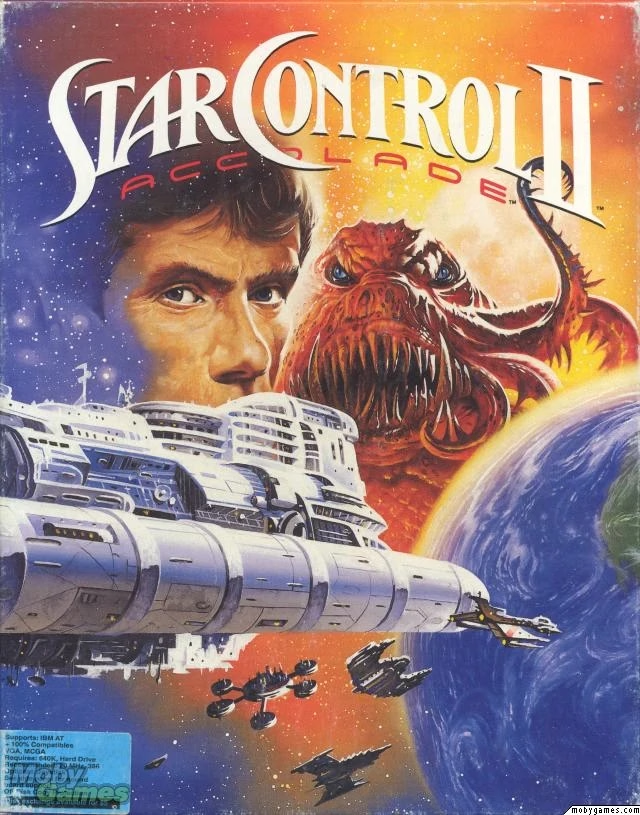
A new alien transmission in Star Control II can be funny, alarming, or a terrible sign that you have misunderstood the situation. You are not simply choosing the next combat encounter. You are trying to work out who these people are, what they need, and whether you can afford to trust them.
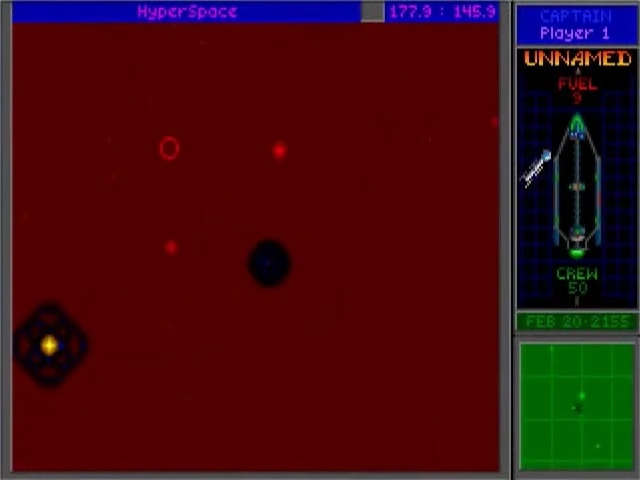
The 1992 PC adventure mixed a star map, planetary resource gathering, fleet management, ship combat, and branching conversations. Supplies and travel distances made exploration a practical concern. Meanwhile, events outside your immediate view gave your wandering a sense of urgency, even when a particularly odd alien made you linger.
Its great trick is giving a huge space adventure a recognizable cast. A strange face and a few lines of dialogue can make a distant system memorable long after its mineral yield has been forgotten. The DOS original achieves that without the voice acting and presentation changes of the later 3DO version.
#14: Virtua Racing
Platform: Arcade
The linked Gamebase page covers the Genesis conversion. This selection and its footage feature the original arcade game.

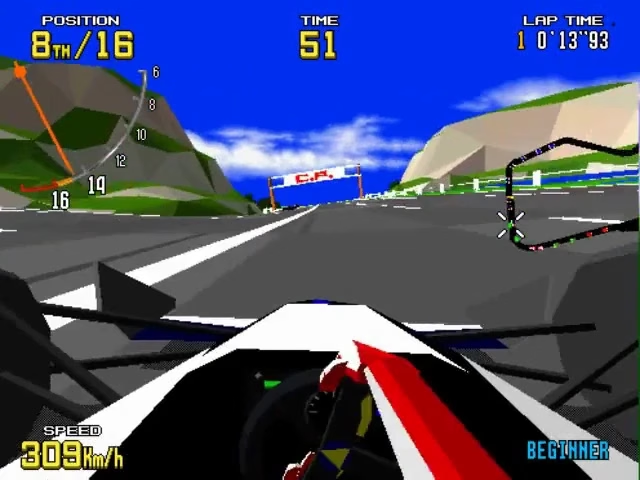
Tap the view button in Virtua Racing and the same corner becomes a different problem. Up close, the barriers arrive quickly; farther back, you can read more of the road. That ability to move around a solid, fast-moving racing scene was a lovely thing to show off in an arcade.
Sega’s 1992 Model 1 racer gave its tracks, cars, grandstands, and pit crews a clean polygonal shape. The bright colors and sharp geometry still have their own appeal. More than a technology demonstration, it was a proper race, with braking points to learn and precious seconds to lose through untidy driving.
Polygon racing existed before it, so the achievement was not inventing the idea. It was making this particular package feel so immediate and inviting in a cabinet. This pick is the arcade original, whose speed and presentation should not be confused with the very different Genesis conversion.
#13: Star Fox
Platform: Super Nintendo
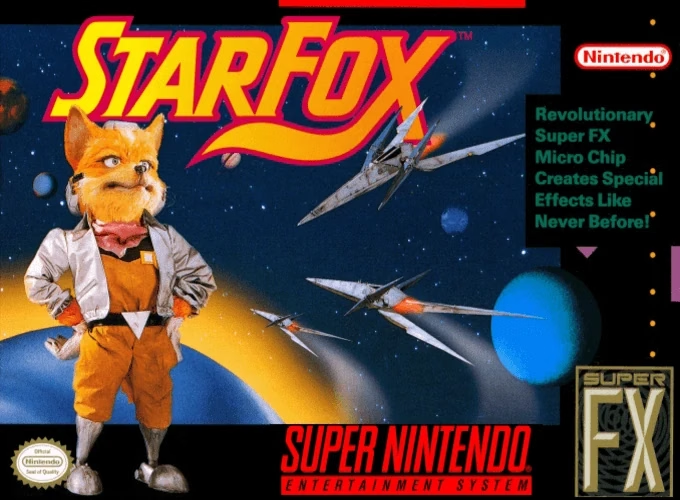
The first low pass through Corneria still makes a strong introduction. Buildings rise into your path, teammates call for help, and an Arwing rolls between obstacles while the horizon shifts behind it. Star Fox gives its simple shapes enough movement and personality to make them feel far bigger than they are.
The Super FX chip in the cartridge helped the Super Nintendo draw the polygonal action. Nintendo and Argonaut built a tightly directed shooter around that capability, sending you through cities, space battles, and enormous enemy machines. It was an early glimpse of a different visual future from a machine better known for sprites.
The frame rate is modest, and the flat surfaces are plain beside later 3D games. Neither stops a well-timed barrel roll from feeling good. The routes, radio chatter, and aggressive pacing keep the hardware experiment attached to a game people actually wanted to get better at.

#12: Doom
Platform: PC (DOS)

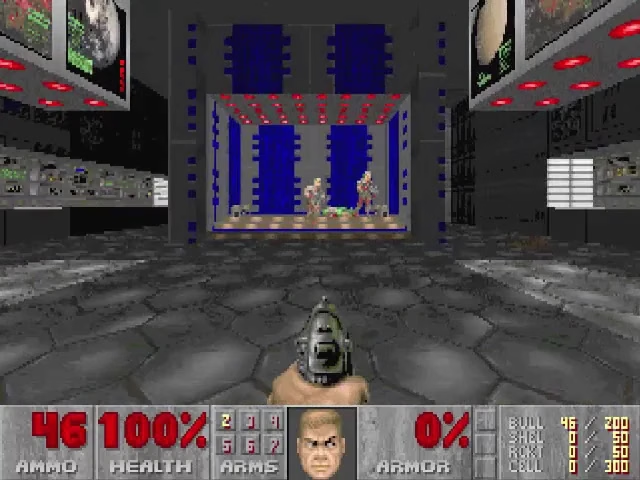
A door opens, the shotgun fires, and something growls from a room you have not checked. Doom moves so cleanly from one small emergency to the next that it is easy to forget how much else arrived with it. Even a familiar map can become dangerous when a friend is hunting you through it.
Id Software’s 1993 shooter paired fast movement and cleverly connected spaces with multiplayer, shareware distribution, and a structure that welcomed new levels. Its network play began with local connections; the broader culture of internet play grew through additional tools and services. The distinction matters, even if the resulting arguments sounded much the same.
Players could finish the supplied episodes and then find that somebody else had built another afternoon’s worth of trouble. Modding did not begin with Doom, but its maps and tools gave a huge community somewhere to work. Its lasting influence runs through both the games people played and the things they made afterward.
#11: Myst
Platform: PC / Macintosh (Windows shown)

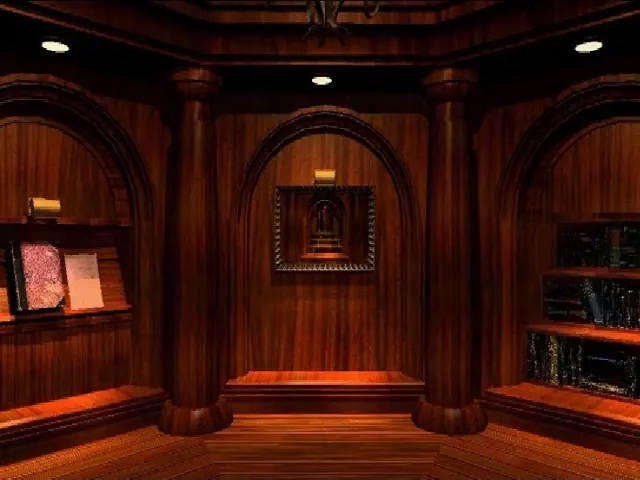
There is a dock, a hill, a peculiar collection of buildings, and nobody waiting to explain which one matters first. Myst trusts you to walk, listen, and become suspicious. A switch that appears decorative can start nagging at you simply because everything else seems to have been placed with care.
Cyan’s adventure began on Macintosh in 1993 before reaching Windows. Pre-rendered views and carefully chosen sounds gave its locations an unusual stillness, while books opened routes into other Ages. You gathered observations rather than weapons, and a notebook could be more helpful than quick reactions.
It did not invent the adventure game or environmental storytelling. Its achievement was giving that patient kind of play such a striking CD-ROM showcase. Looking between a machine, a diagram, and an unfamiliar landscape can make progress feel wonderfully personal, especially when the connection finally clicks.
#10: System Shock
Platform: PC (DOS)
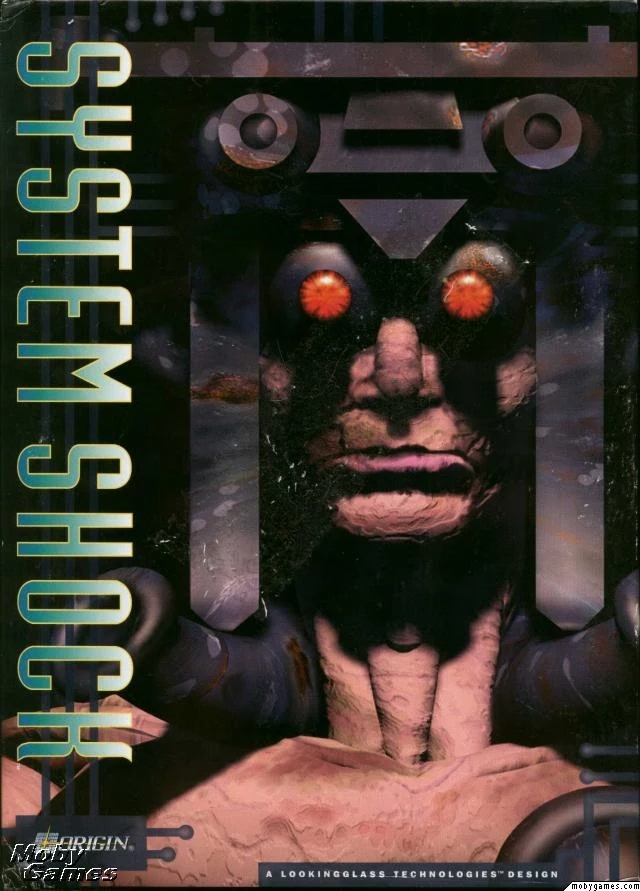
An audio log in System Shock can make an empty corridor worse. Someone was here, something went wrong, and the place is still full of machinery that does not care whether you survive. Then SHODAN addresses you, and the station feels uncomfortably occupied again.
The 1994 original combined weapons, upgrades, access systems, inventory management, logs, and cyberspace excursions aboard Citadel Station. Looking Glass made investigation part of staying alive. You read the environment for routes and clues, while the interface offered more actions than a straightforward shooter usually expected you to manage.
That interface can be demanding today, but the station’s overlapping problems remain absorbing. A discovery can change where you go, what you carry, or how you understand a room you have already crossed. We are celebrating the original PC game here, rather than borrowing the smoother appearance of its modern remake.

#9: PaRappa the Rapper
Platform: PlayStation
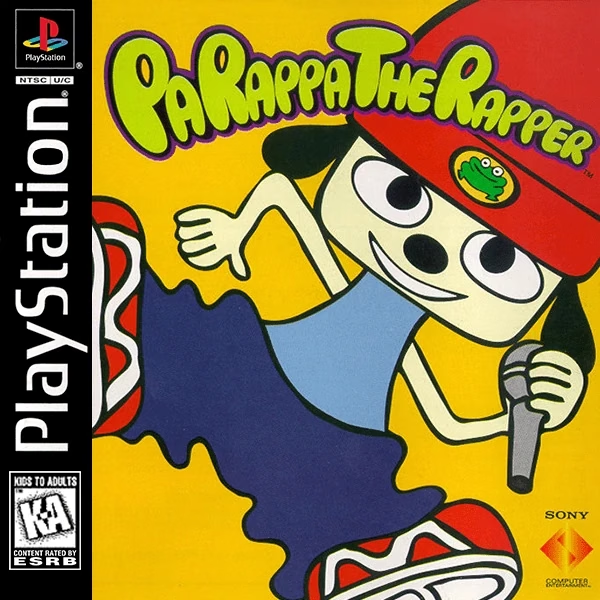
Chop Chop Master Onion gives the instruction, PaRappa repeats it, and your fingers try to arrive on the beat. The lesson is immediately understandable. Getting through it while a paper-thin dog raps with complete sincerity is another matter, especially once a missed cue starts knocking your confidence sideways.
PaRappa the Rapper turned a small set of controller inputs into a musical performance. Its flat characters and colorful scenery made it instantly recognizable on PlayStation. Following the teacher was only part of the attraction; getting comfortable enough to play with the rhythm gave the songs a little more room.
Rhythm games had predecessors, but PaRappa gave the idea a particularly friendly console face. Songs, characters, and timing were enough to carry an entire adventure. The absurdity helps: a game this willing to be silly makes another attempt at the same lesson feel much less like homework.

#8: Tomb Raider
Platform: PlayStation / Saturn / PC (PlayStation shown)
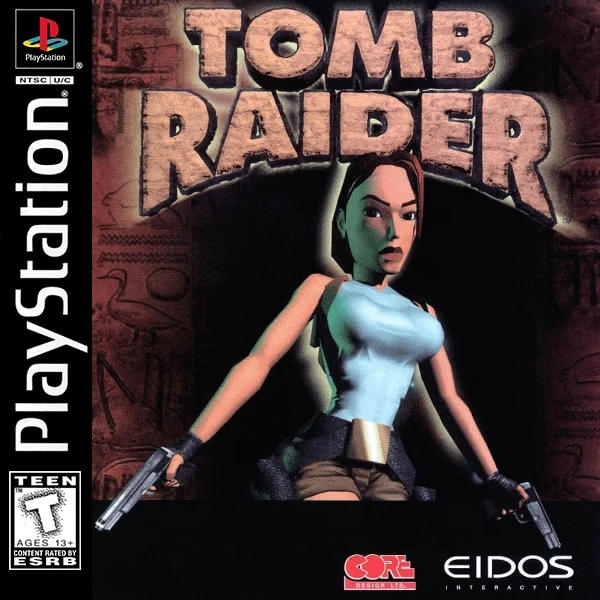
Lara steps to the edge, lines up a jump, backs away, and runs. Tomb Raider makes you measure a room with your body before you commit to crossing it. A ledge on the other side is a promise, provided you have judged the distance and remembered the grab button.
The original 1996 adventure built its tombs around climbing, swimming, switches, and carefully spaced platforms. Its grid-based movement could feel strict, but that consistency made elaborate rooms readable. The PlayStation, Saturn, and PC versions brought this mixture of exploration and physical problem-solving to a broad audience.
Then the game would interrupt your careful surveying with something very large and very toothy. Those encounters landed because the spaces had already made you feel small. Later adventures would smooth the controls and dress the scenery differently, but Lara’s early expeditions still reward deliberate attention to a room’s shape.

#7: Ultima Online
Platform: PC
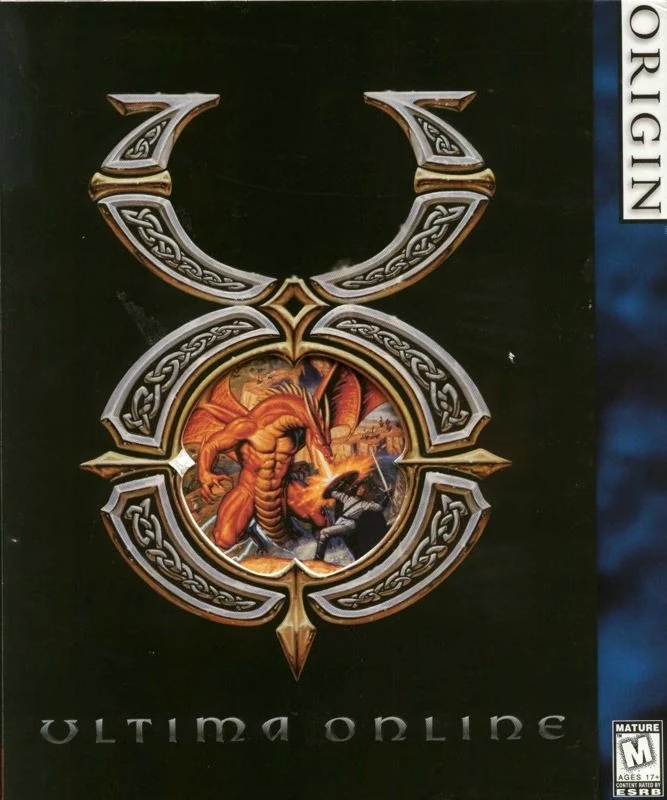
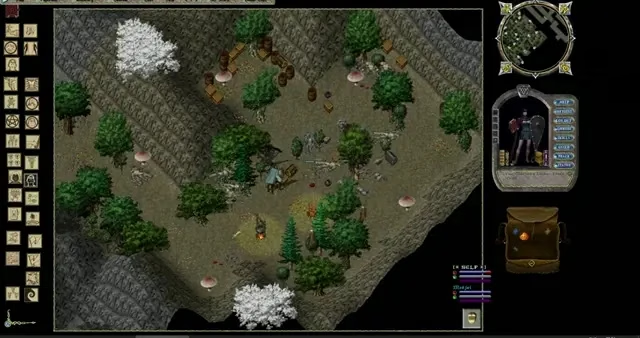
Selling something to another player is a small act with unusually large consequences in Ultima Online. That customer can remember you, return tomorrow, join your guild, or become a problem outside town. The other figures on the screen are not waiting for you to trigger their dialogue.
Origin’s persistent online Britannia opened in 1997 with fighting, crafting, trading, housing, and the complications of sharing a world. Players built routines around one another as much as around quests. Risk, reputation, and the possibility of losing possessions could make a trip beyond familiar streets feel remarkably consequential.
Ultima Online helped bring this style of shared fantasy life to a much larger audience. Its history is full of friendships and disasters that were not neatly written into a quest. An economy or neighborhood could become interesting because of the people who happened to be there.
#6: Thief: The Dark Project
Platform: PC
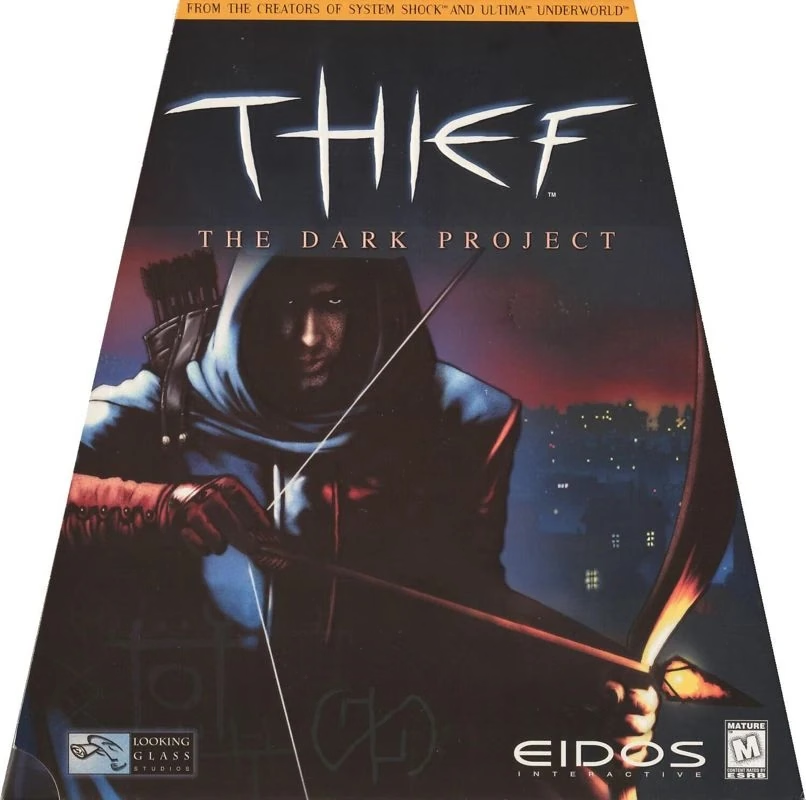
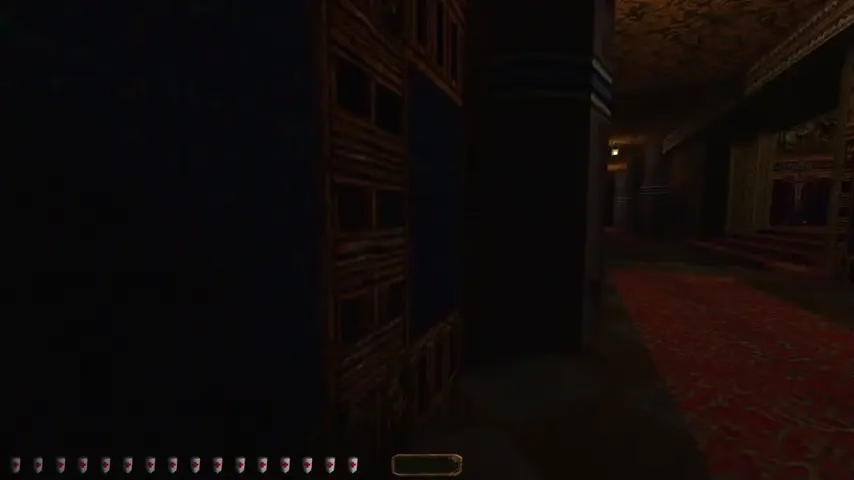
A marble floor can be more frightening than a guard. In Thief, you hear your own footsteps and immediately wish you had chosen the carpet. Waiting in darkness while someone passes is an active decision, especially when you can hear that person getting closer.
Looking Glass’s 1998 game made light, sound, patrol routes, and surfaces central to Garrett’s work. Water arrows could put out lights; a useful shadow could disappear when you moved. Loot mattered, but so did getting through a house without turning every room into a fight you were poorly equipped to win.
Its first-person viewpoint encourages you to listen instead of constantly checking a visible hero. You lean, pause, test a route, and retreat when a plan starts making too much noise. The Dark Project had supernatural surprises as well, but a human voice on the other side of a door could be quite enough.
#5: Metal Gear Solid
Platform: PlayStation
Psycho Mantis asks you to reconsider what counts as part of a game. The controller, the memory card, and your habits as a player become material for a boss encounter. Metal Gear Solid enjoys catching you between the fiction on the screen and the hardware in your hands.
Its 1998 PlayStation adventure wrapped stealth in voice performances, radio conversations, elaborate confrontations, and a very confident sense of theater. Guards had routes to study and suspicions to arouse. A small mistake could turn a quiet infiltration into a scramble to hide until the search settled down.
Stealth and cinematic presentation both had long histories, including earlier Metal Gear games. The force of this one comes from how enthusiastically it puts those pieces together. It can be melodramatic, funny, technically playful, and tense within the same stretch of play, with a cast that makes the next conversation worth hearing.

#4: Dance Dance Revolution
Platform: Arcade
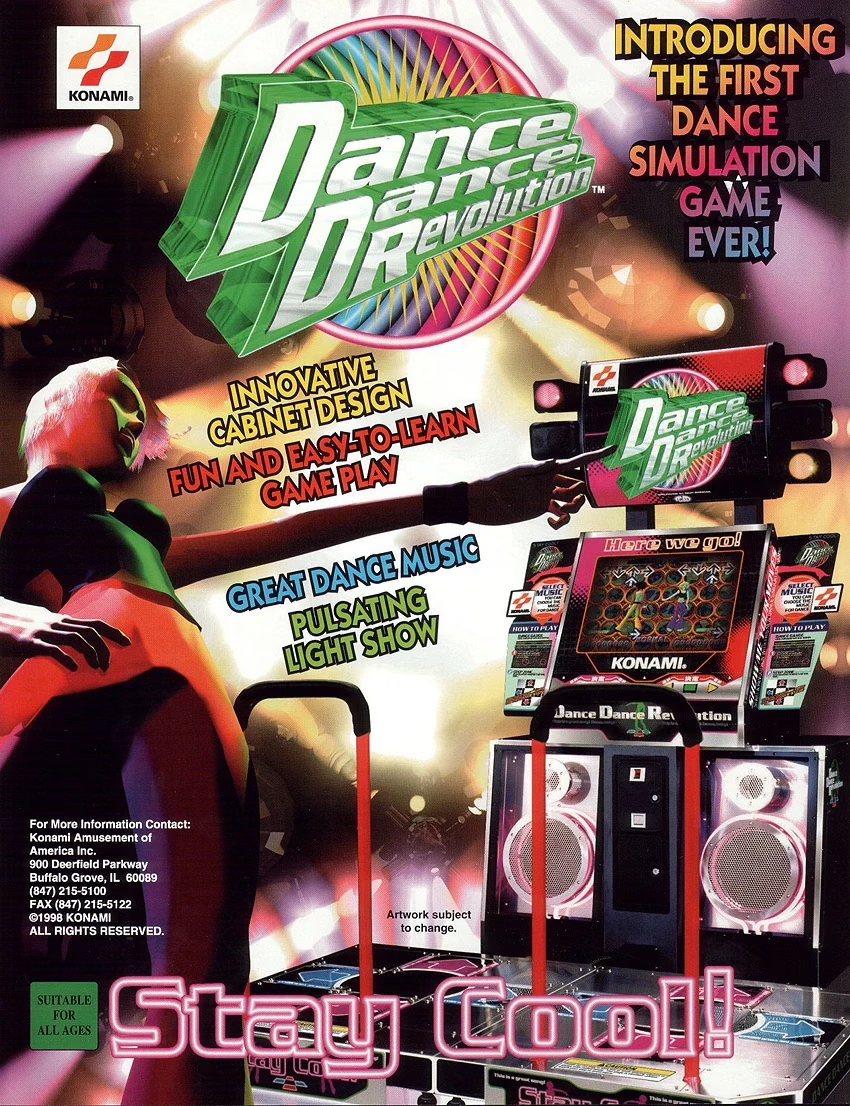
The first few arrows look manageable. Then a pattern asks your feet to move faster than your brain has organized them, and Dance Dance Revolution becomes much more demanding than watching someone else play. A clean run can draw a little audience without either player or spectator planning on it.
Konami’s original arcade game arrived in 1998 with a platform of directional panels beneath the player. Matching the rising arrows to the music made timing a physical performance. Watching the screen, keeping your balance, and recovering from a missed step all became part of the challenge.
PaRappa had invited players to follow musical instructions with their fingers; DDR made the arcade floor part of the experience. Its appeal was easy to see across a room, which helped a good player become an advertisement for the machine. The cabinet could be social, competitive, and thoroughly exhausting in the space of one song.

#3: Seaman
Platform: Dreamcast
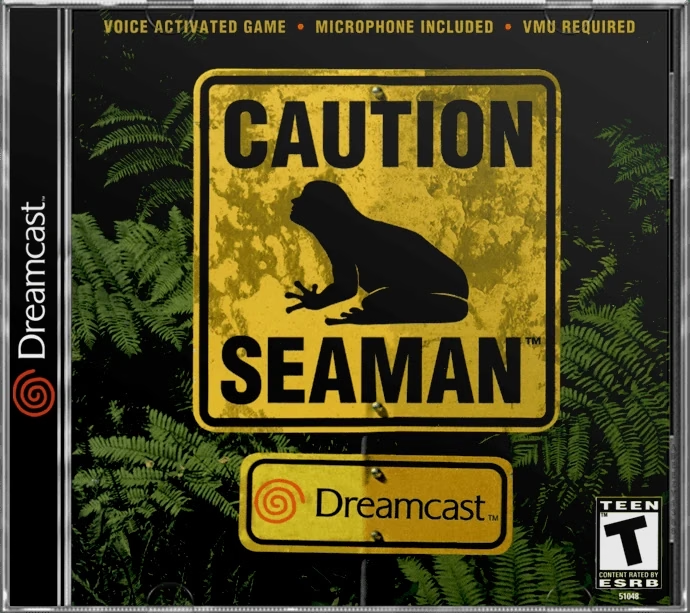
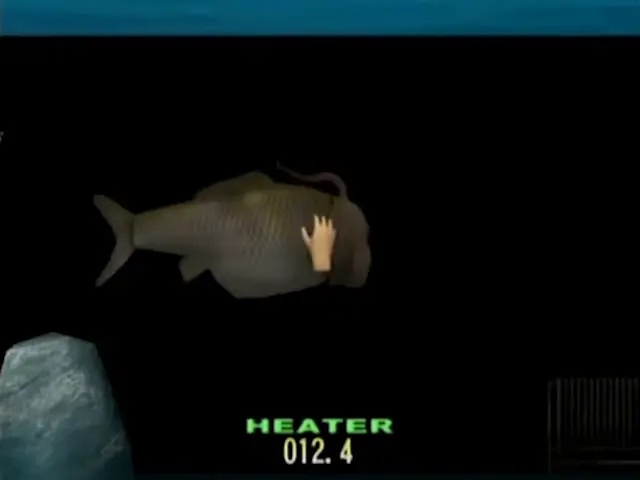
You speak into the Dreamcast microphone and wait for a creature with a human face to answer. Seaman makes that pause wonderfully awkward. Feeding and watching a virtual pet is familiar enough; being questioned by one is a much stranger arrangement.
Yoot Saito’s unusual experiment used recognized spoken words, conversational responses, and a care routine tied to the passage of time. You returned to the tank to see how its inhabitants were developing. The North American version also had Leonard Nimoy’s narration, an inspired way to make the whole business sound faintly authoritative.
Its speech recognition was limited, and a Seaman was not an unrestricted conversational intelligence. The character’s attitude did a great deal of the work. That combination of daily attention, apparent memory, and an outspoken creature made the microphone feel like part of a relationship rather than another button.
#2: The Legend of Zelda: Ocarina of Time
Platform: Nintendo 64
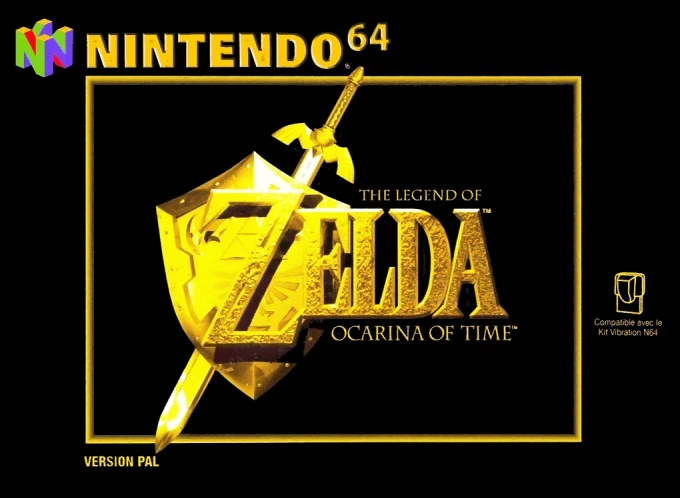
A Stalfos circles, Link keeps his shield ready, and the fight remains readable even as both characters move. Ocarina of Time’s Z-targeting does a surprising amount of quiet work. It helps you face the threat, judge distance, and move around an opponent without wrestling the camera at every step.
Nintendo carried Zelda’s exploration, tools, puzzles, and combat into a 3D Hyrule on Nintendo 64. Context-sensitive actions helped keep the controller manageable, while the child and adult portions changed how familiar places felt. A melody could be both something you remembered and a tool you needed.
There are rough edges by modern standards, especially when a camera angle refuses to cooperate. What remains impressive is how naturally its different actions fit together. You can leave a village, cross the field, enter a dungeon, and approach each new problem with a growing vocabulary of things Link can do.

#1: Shenmue
Platform: Dreamcast
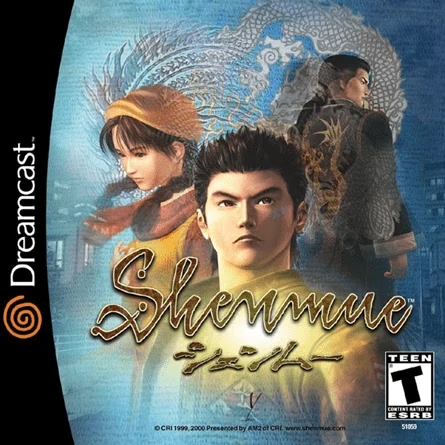
Ryo asks another person about the sailors, checks a shop, and discovers that the day has slipped away. Shenmue gives ordinary errands an unusual amount of space. Waiting for a business to open or learning where someone spends an evening can become part of the investigation.
Sega’s Dreamcast adventure built its version of Yokosuka around detailed streets, shops, schedules, changing weather, and everyday distractions. You could follow the central mystery, practice fighting, or spend time in an arcade. Its cinematic scenes and quick-time events sat beside the much slower business of finding your way through a neighborhood.
It did not invent open worlds, daily routines, or timed button prompts. Few games had assembled them with this much visible ambition and attention to ordinary surroundings, though. Shenmue can still test your patience, but a familiar street gaining another small detail is a strong reason to walk down it one more time.

Which game made you feel the future had arrived?
Perhaps your first thought was a game that did not make the cut. That is half the fun of a list like this: once someone mentions a shadow in Thief or a particular room in Tomb Raider, another example usually follows. Tell us which retro game surprised you most when it was new, or which one you played much later and could hardly believe had arrived so early. Would you keep Shenmue at number one?
If a few of these have moved onto your weekend plans, our emulation section is a useful place to explore the relevant systems and emulators. Original PC releases may also have current official editions, and their interfaces sometimes benefit from a little preparation before you start. Keep the version in mind when you go looking: an original release, a later conversion, and a modern remake can offer very different afternoons.