Retro Replay Retro Gaming History, Reviews & Emulation
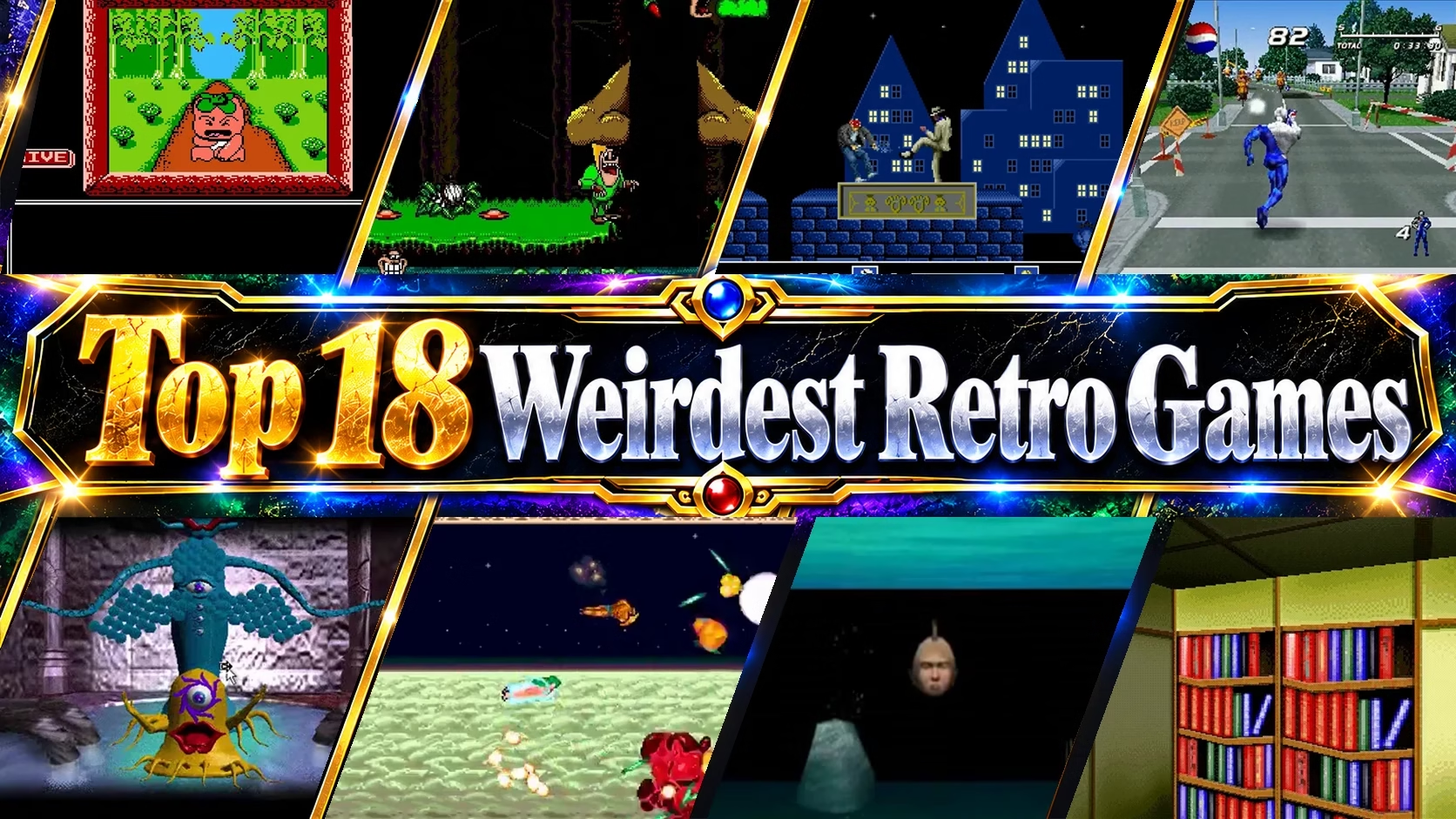
A talking fish wants answers. A silver-and-blue superhero is sprinting through traffic because somebody needs a Pepsi. Somewhere else, a cucumber is trying to rescue a tomato from a pumpkin. The controller is ordinary enough; the jobs it has been given are considerably less so. And that is before the zombie outbreak that can only be stopped by typing quickly.
Some of these games make their first impression before you have touched a button. Seaman’s human face is difficult to ignore, and Boogerman’s green tights offer very little warning of the noises to come. Others save the surprise for the moment you start playing. An audio CD becomes an obstacle course in Vib-Ribbon; a doorway in LSD can take you somewhere that seems to belong on an entirely different disc. Even knowing the premise does not always prepare you for what happens on screen.
The strange jobs are often good company, too. Pepsiman still needs a carefully judged jump, Cho Aniki still expects you to dodge its bullets, and Princess Tomato has a kingdom worth poking around in. This countdown gives the biggest surprises the highest places: peculiar worlds, unlikely heroes, and controls that can make a perfectly ordinary controller feel unfamiliar. A few are awkward to approach, a few are wonderfully inviting, and all eighteen have something worth showing the person sitting beside you.
Would you rather watch than read? Put your feet up and watch our countdown below. The covers, screenshots, and longer write-ups are here when a particular piece of weirdness needs a closer look.
#18 — Princess Tomato in the Salad Kingdom
Platform: NES
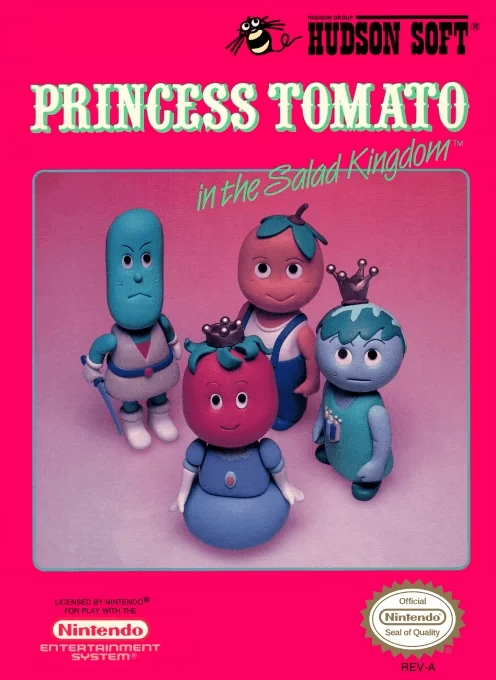
A cucumber is the hero, a tomato is the princess, and a pumpkin has made himself everybody’s problem. Princess Tomato in the Salad Kingdom presents this arrangement with the straight face of a proper fantasy adventure. Sir Cucumber has a rescue to carry out, and the citizens waiting along the way just happen to belong in the produce aisle.
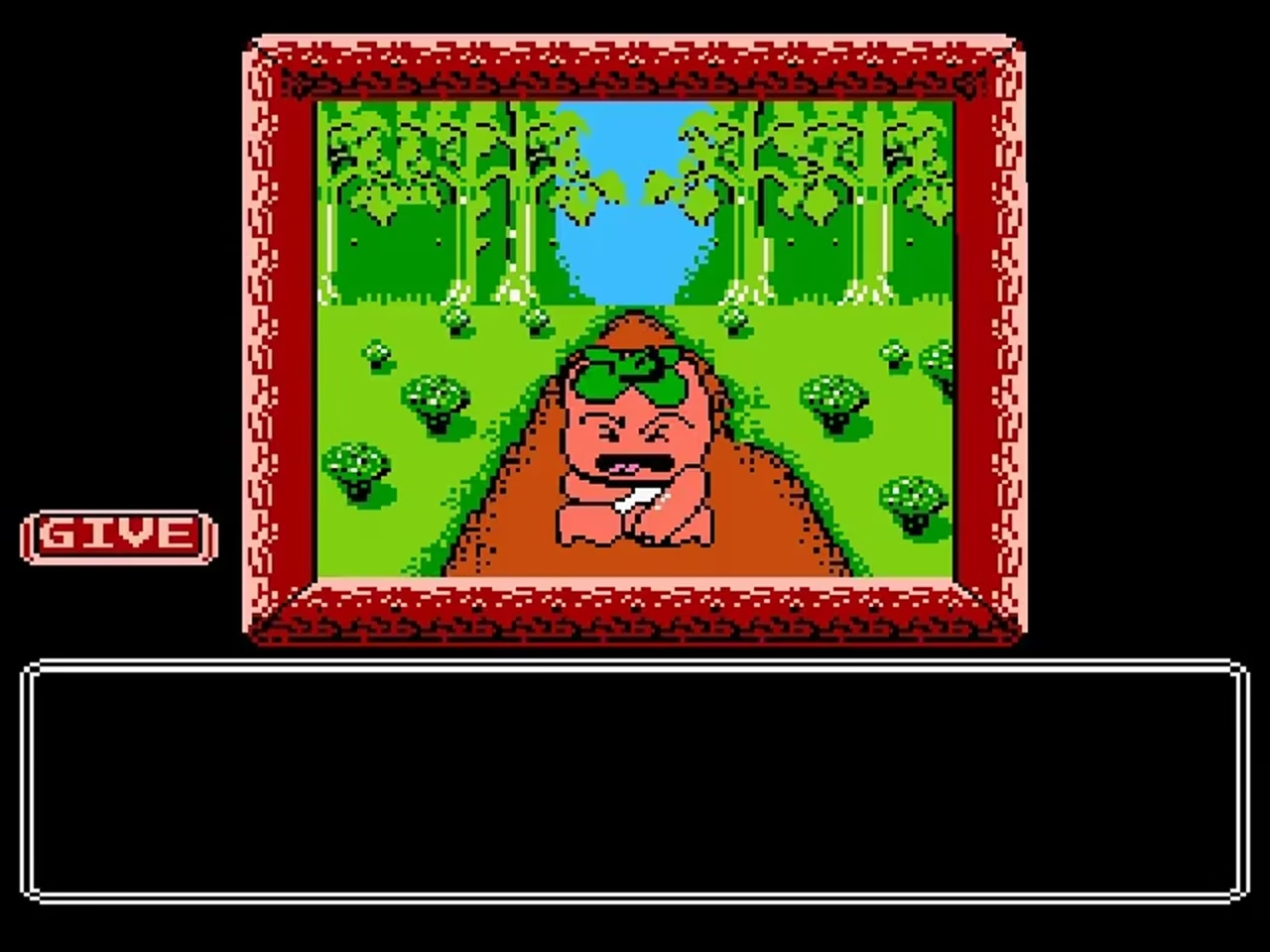
You spend much of the journey choosing commands, checking the scenery, and talking your way through trouble. Percy the Persimmon joins the expedition looking like he has already had a difficult afternoon. The portraits do a lovely job of giving these vegetables expressions; a familiar adventure-game conversation becomes much funnier when the person answering is a piece of fruit.
It is a gentler sort of strange than the nightmares further down this list. The cheerful colors and earnest story make the kingdom surprisingly inviting, even when a puzzle leaves you poking through the command menu again. There is something wonderfully appealing about a game that asks you to take a kidnapped tomato seriously and gives you enough charming faces to make that request work.
#17 — Boogerman: A Pick and Flick Adventure
Platform: Sega Genesis
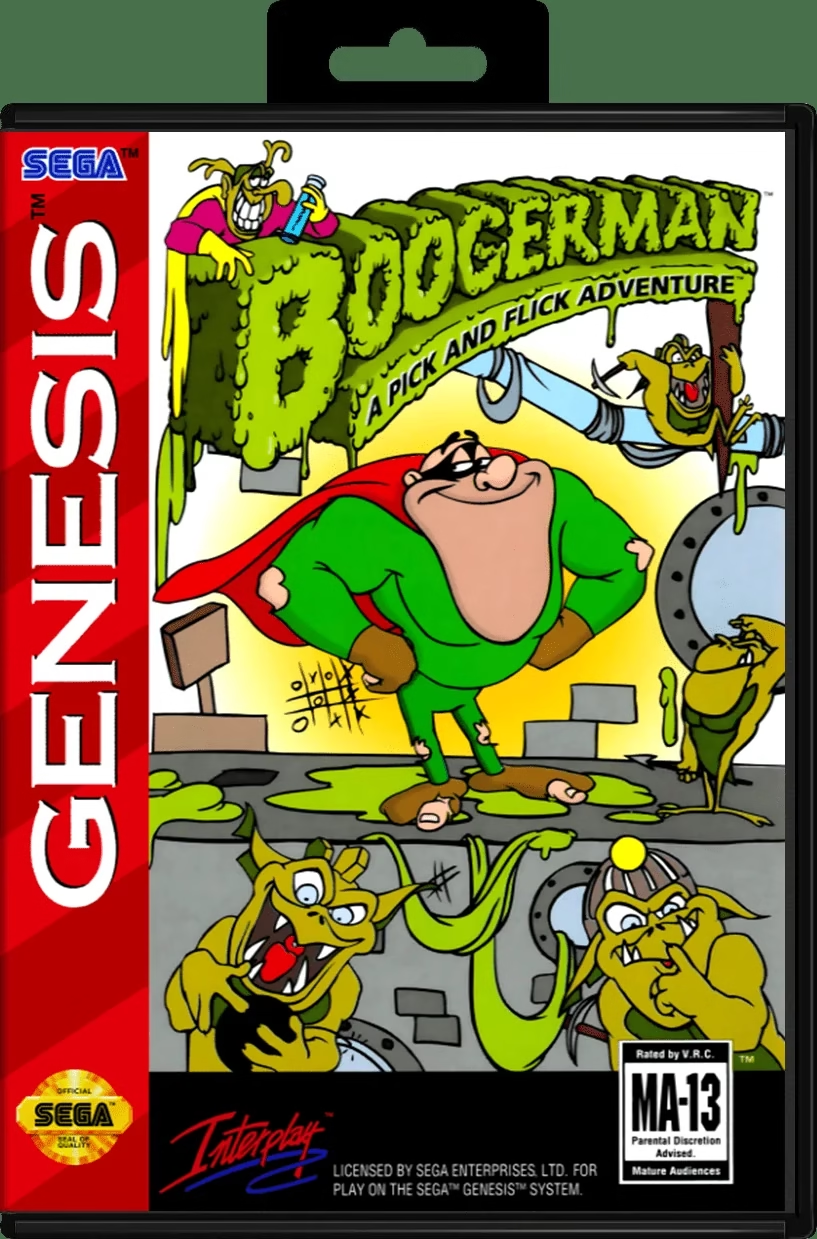
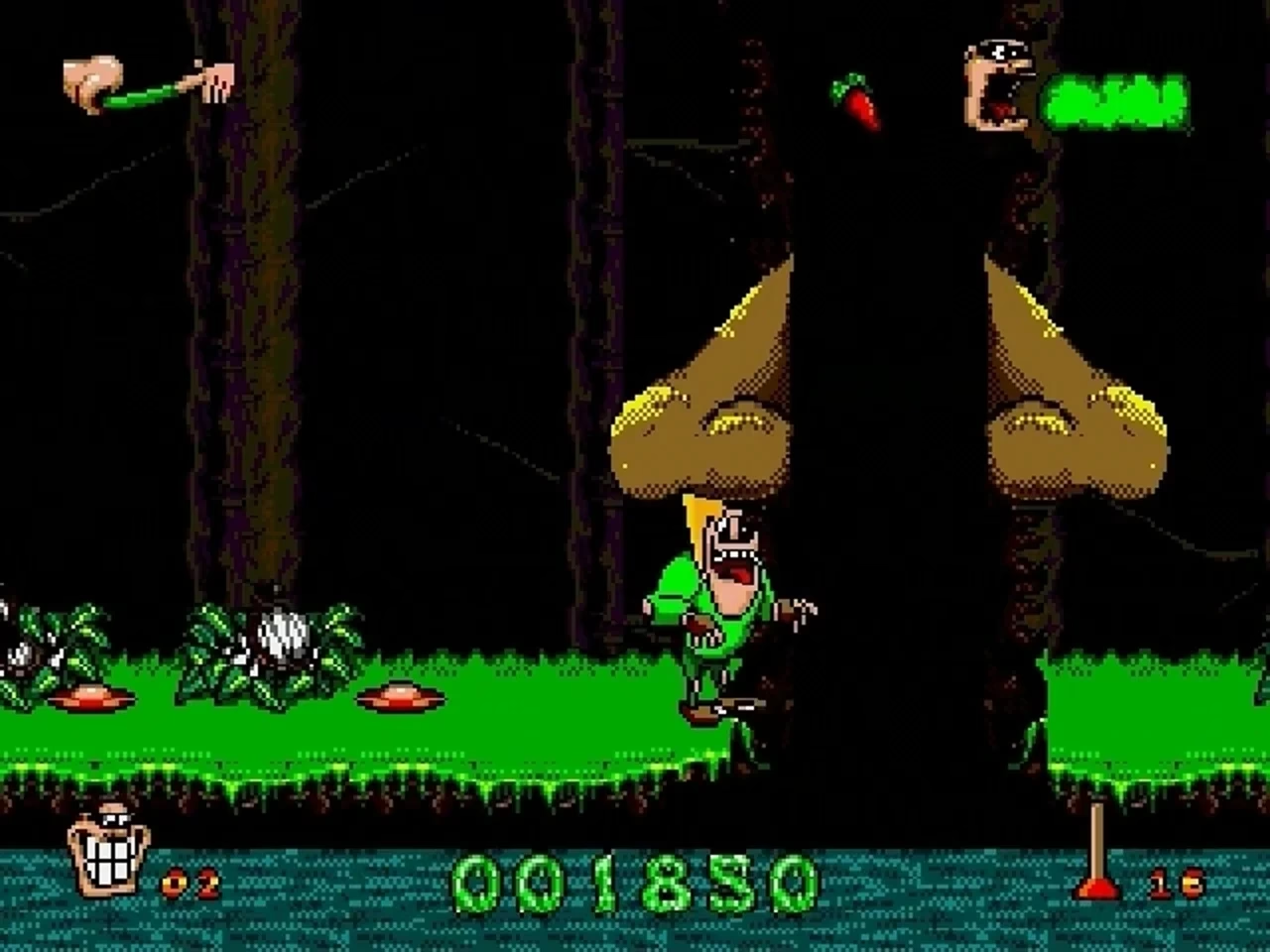
Boogerman arrives in green tights with a collection of attacks that no sensible superhero headquarters would approve. Burps, flatulence, and flicked nose debris are his tools of the trade. The forests and filthy passages around him look as though the scenery department enjoyed the assignment rather too much.
Underneath the disgusting noises, you are running and jumping through a recognizable platformer. Enemies still need dealing with, platforms still need landing on, and a careless move still hurts. The animation is where the joke keeps finding fresh energy: this is a hero whose small gestures can be almost as unpleasant as his attacks.
The humor is proudly juvenile, and it will not become sophisticated if you give it another thirty years. That is fine. Boogerman is funniest when the game commits to a revolting little detail while you are concentrating on an ordinary jump. You can admire the expressive sprites and still feel faintly embarrassed about the sound coming out of the television.
#16 — Michael Jackson’s Moonwalker
Platform: Sega Genesis
The linked database page covers the arcade game; this countdown uses the Sega Genesis version.
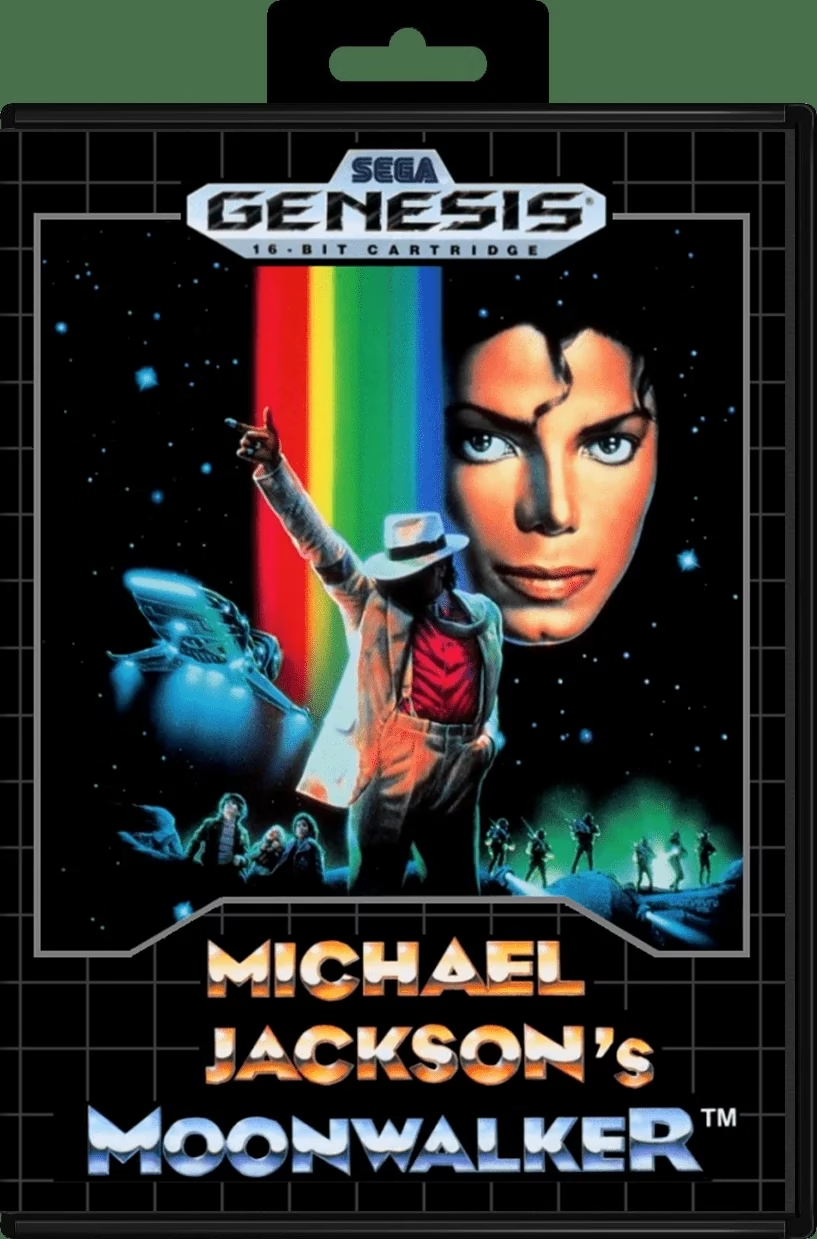
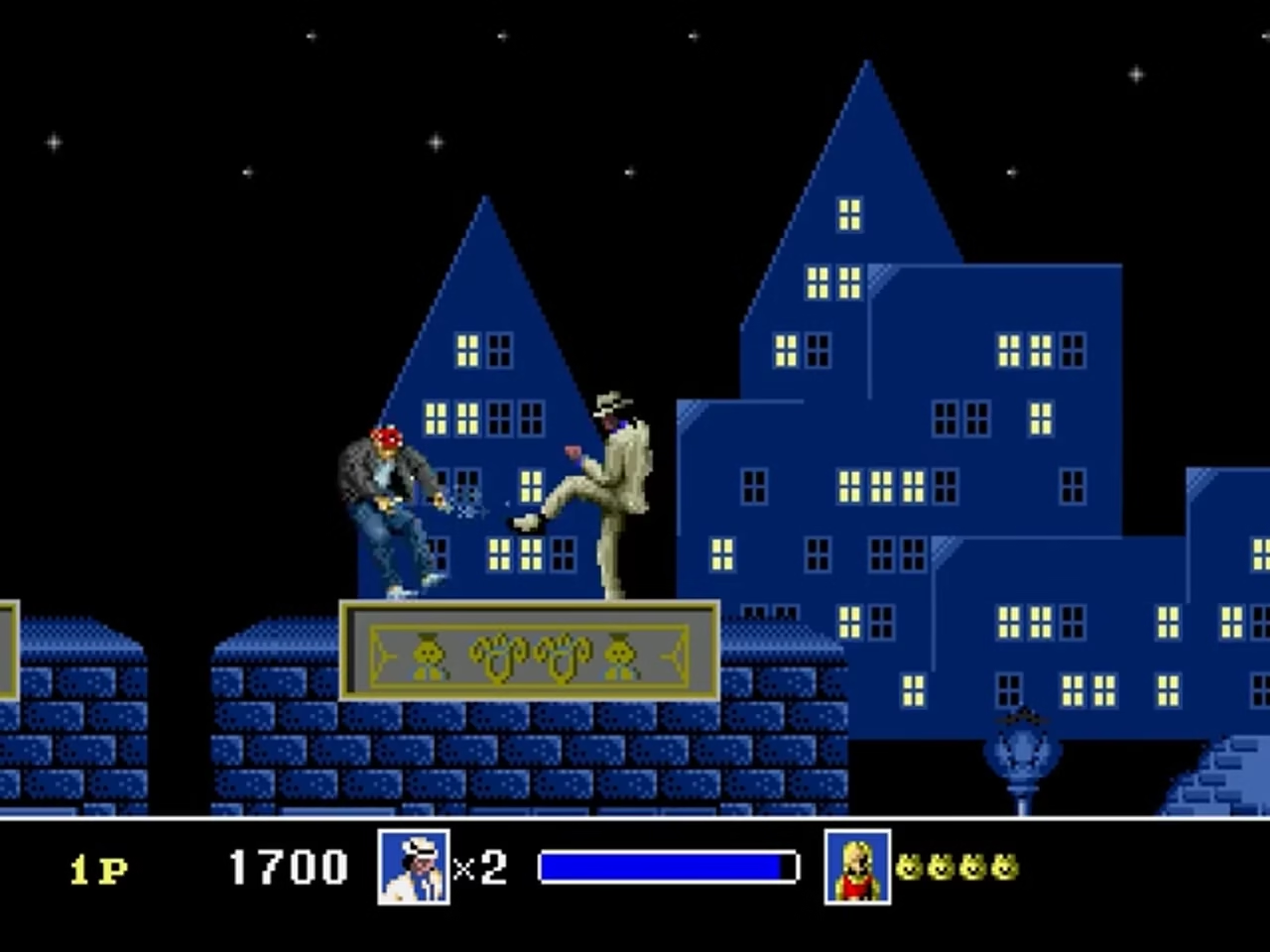
Michael Jackson’s Moonwalker puts Michael in the white suit, sends him into danger, and lets him answer armed criminals with his feet. The Genesis version is a side-view action game, with children to rescue and rooms to search. A hat, a kick, and a burst of sparkling energy turn an ordinary confrontation into a stage entrance.
The dance attack is the scene everyone wants to show somebody else. Enemies stop behaving like enemies and join a synchronized routine, as though the fight has become a music video without consulting them. It is absurd, beautifully on-brand for the license, and much more memorable than another celebrity standing still while you collect things.
Between those performances, Moonwalker gives you plenty of familiar action-game work. You move across rooftops, check hiding places, and keep an eye on your health. The combination is hard to mistake for anything else: a rescue mission that can suddenly become a choreographed number, with the star still dressed for the spotlight.
#15 — Toilet Kids
Platform: PC Engine
Game reference: PC Engine Software Bible.
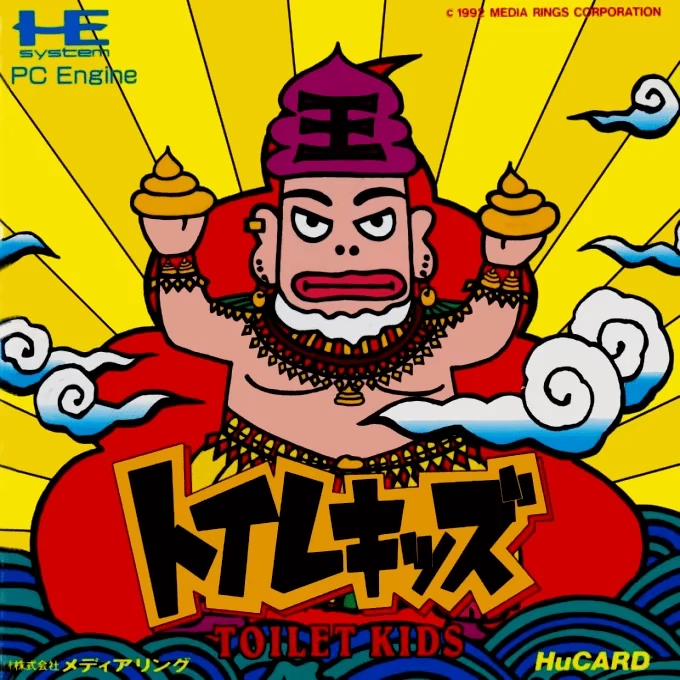
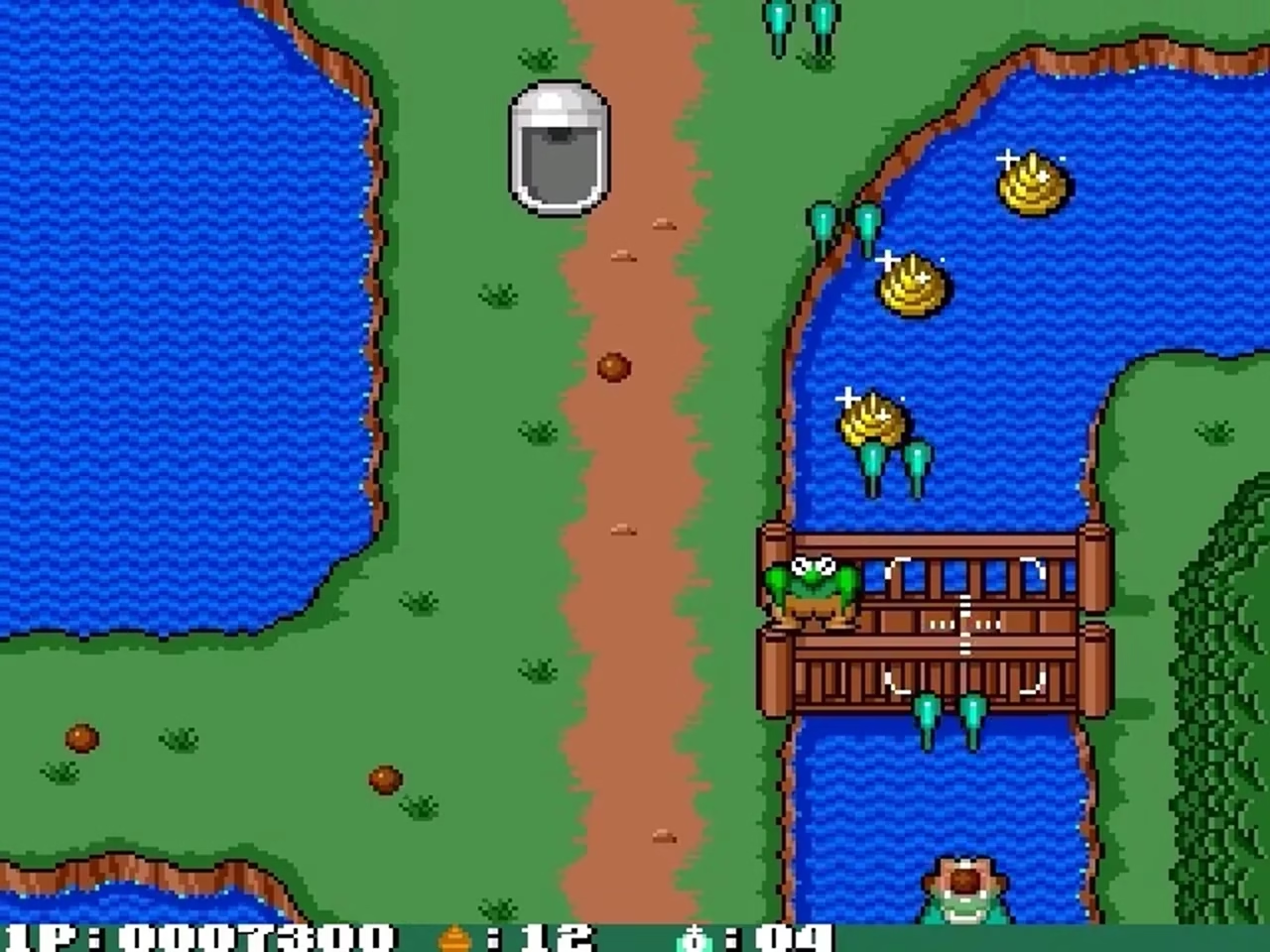
Toilet Kids sends a vertical shooter into a bathroom nightmare and leaves very little room for a dignified interpretation. Familiar rivers and scrolling terrain share the screen with enemies and objects that make the title feel quite literal. Even the ordinary business of spotting the next target becomes a small exercise in wondering what on earth you are looking at.
There is a shooter to play beneath the gross-out imagery. You move through incoming fire, keep shooting, and pay attention to threats across the scrolling landscape. The pace asks for concentration, which makes the visual joke stranger: you can be seriously trying to survive while the game remains determined to be spectacularly unpleasant.
It is easy to laugh at a screenshot and assume that is the whole attraction. Watching the scenery move and the targets arrive gives Toilet Kids more life than that. The joke never becomes tasteful, but the combination of straightforward shooting and ridiculous enemies has an unmistakable personality. Just perhaps do not choose it while someone nearby is eating.
#14 — PuLiRuLa
Platform: Arcade
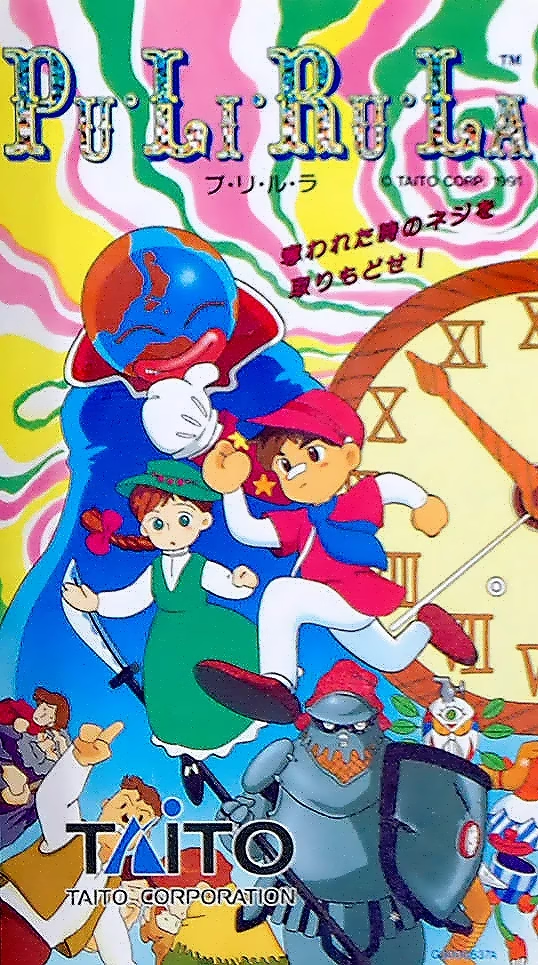
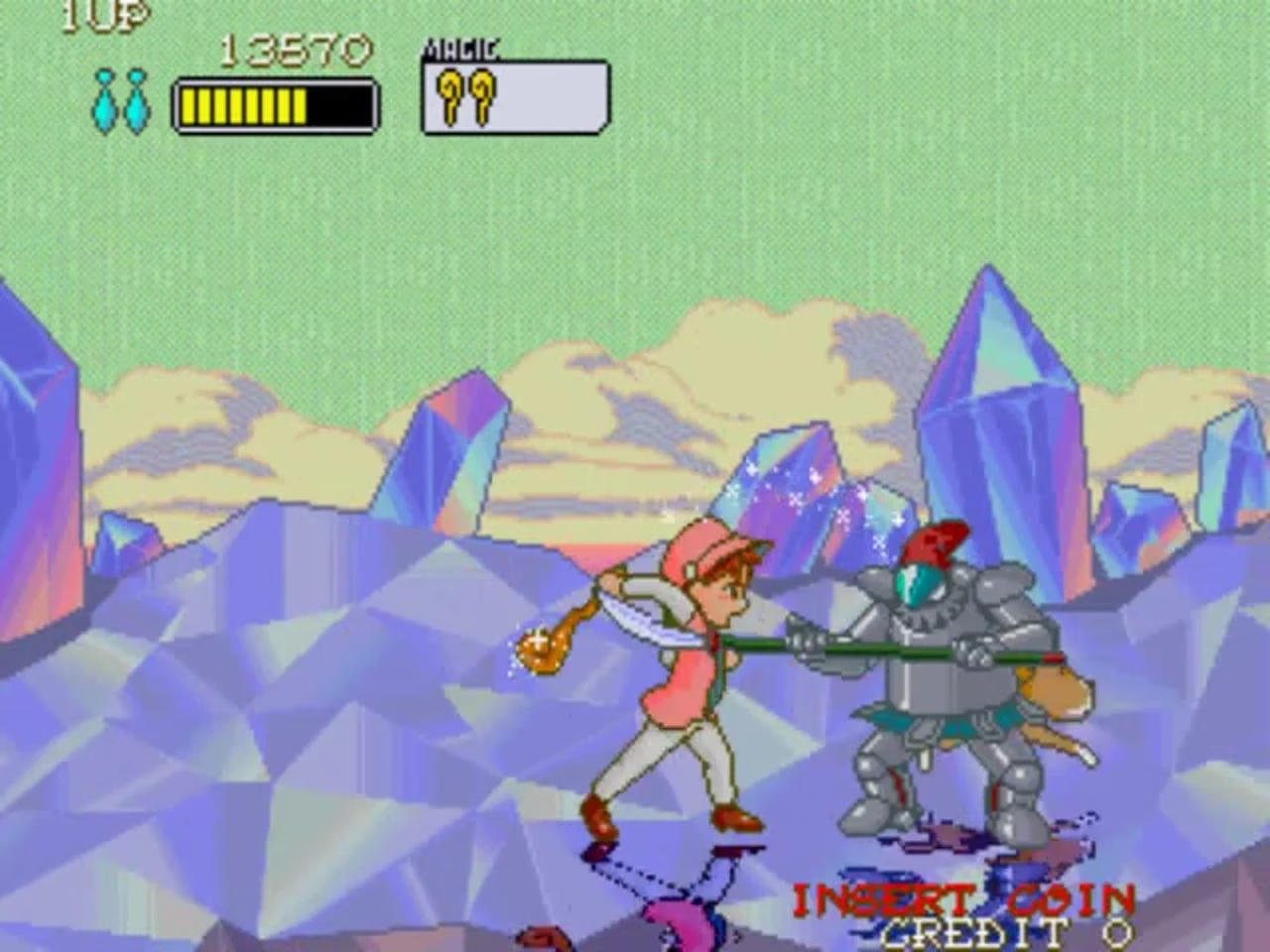
PuLiRuLa begins with bright scenery, young adventurers, and enemies waiting to be hit with a magical staff. For a moment it looks like a cheerful arcade trip. Then the creatures and backgrounds become harder to account for, and the next scene makes you wonder whether the last one was actually the sensible part.
You still have a beat-’em-up’s immediate pleasures: move into range, swing, and watch an enemy react. Colorful crystalline surroundings and exaggerated animation make the early fighting lively. As the scenery gets more surreal, the reliable little act of hitting whatever approaches gives you something practical to do while your eyes catch up.
Taito packed the screen with images that seem delighted to interrupt your expectations. Odd faces, peculiar bodies, and scenery with no interest in behaving normally keep turning up between the fights. PuLiRuLa is worth seeing in motion; a single screenshot can look bizarre, but it cannot quite reproduce the surprise of the game casually handing you the next one.
#13 — Bishi Bashi Special
Platform: PlayStation
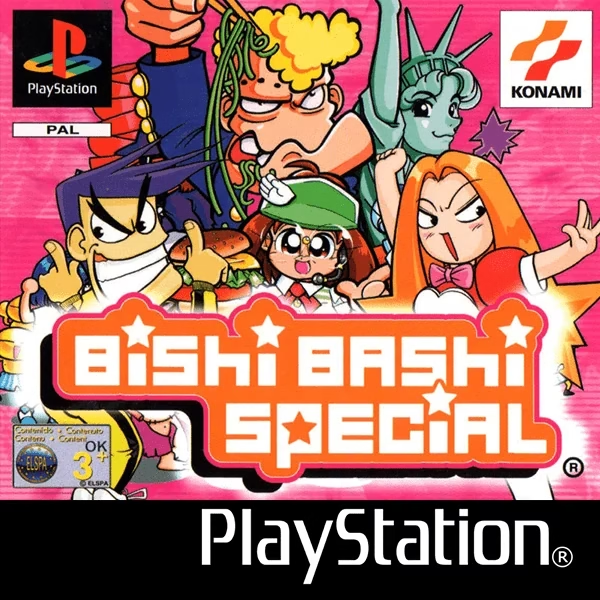
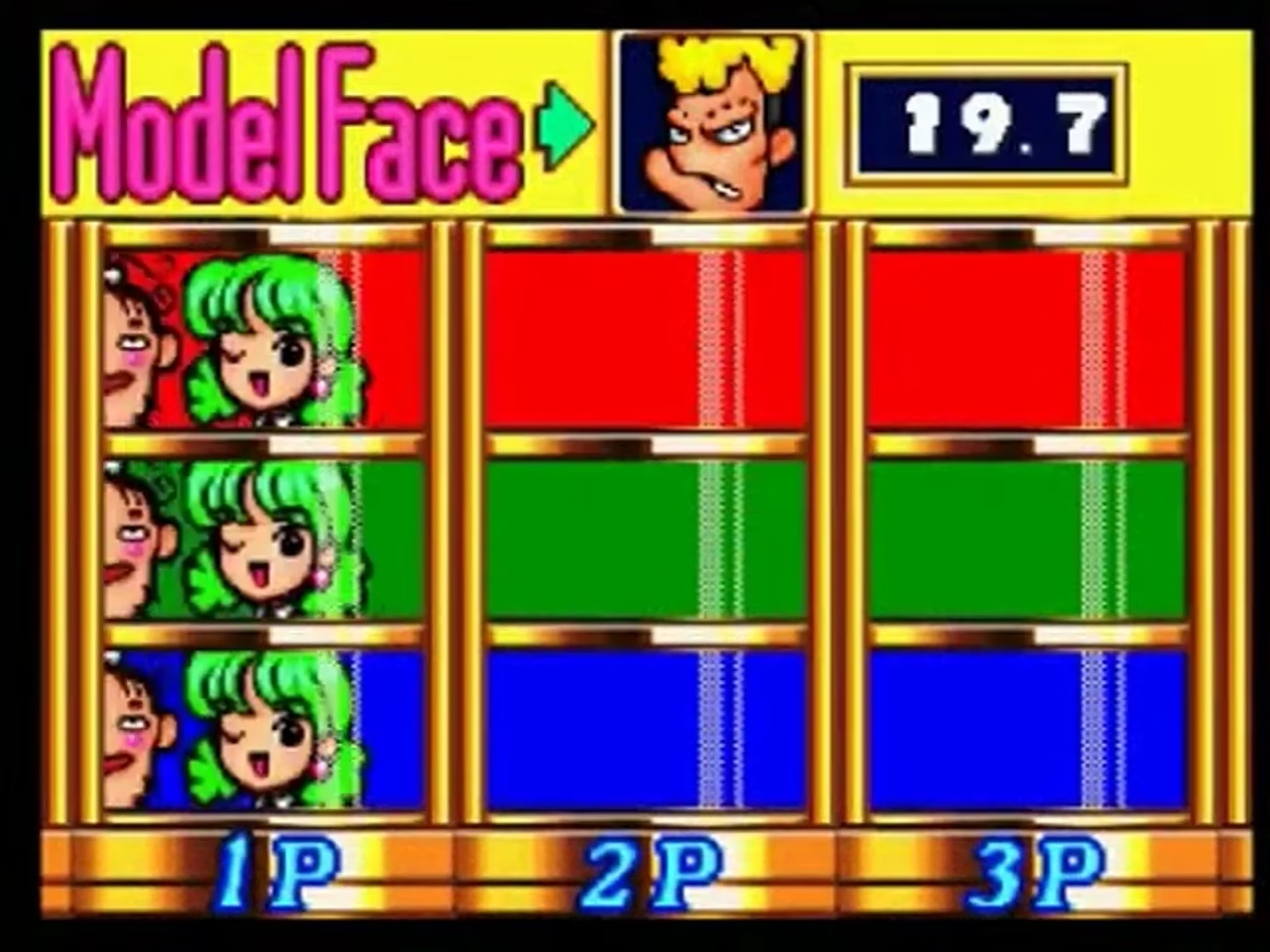
Bishi Bashi Special can have one player wrestling with a ridiculous face-making challenge while somebody else is already celebrating an entirely different victory. The next minigame arrives before everyone has finished arguing. Food, frantic movement, and odd little competitions all share the same cheerful demand: press the right buttons, quickly.
The short challenges make it easy to hand a controller to someone who has never played. Understanding the new task and doing it well are separate matters, though. A simple instruction can become surprisingly difficult once the countdown starts and the player beside you gets a lead. Button-mashing confidence does not reliably survive the next event.
Its noisy presentation is a large part of the fun. Faces react, colors shout for attention, and the game refuses to linger politely on a result. This is excellent company for a competitive sofa full of people who can laugh at losing. Nobody needs a lengthy campaign explanation; the next absurd challenge is usually explanation enough.
#12 — Incredible Crisis
Platform: PlayStation
The database files this game under Arcade; this entry and footage cover the PlayStation release.
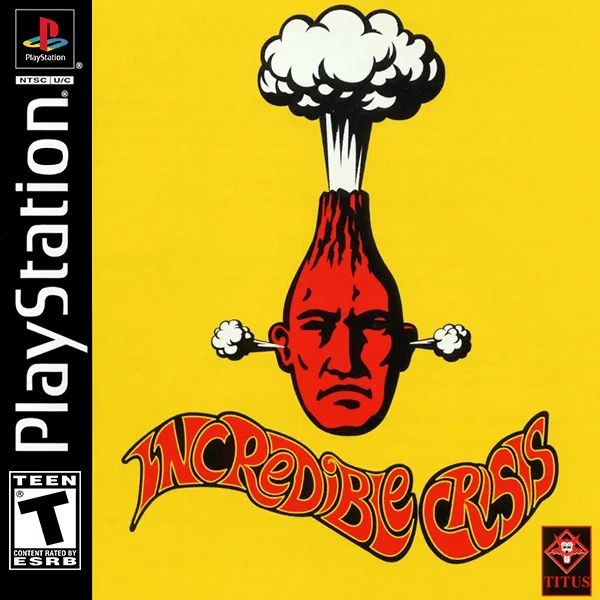
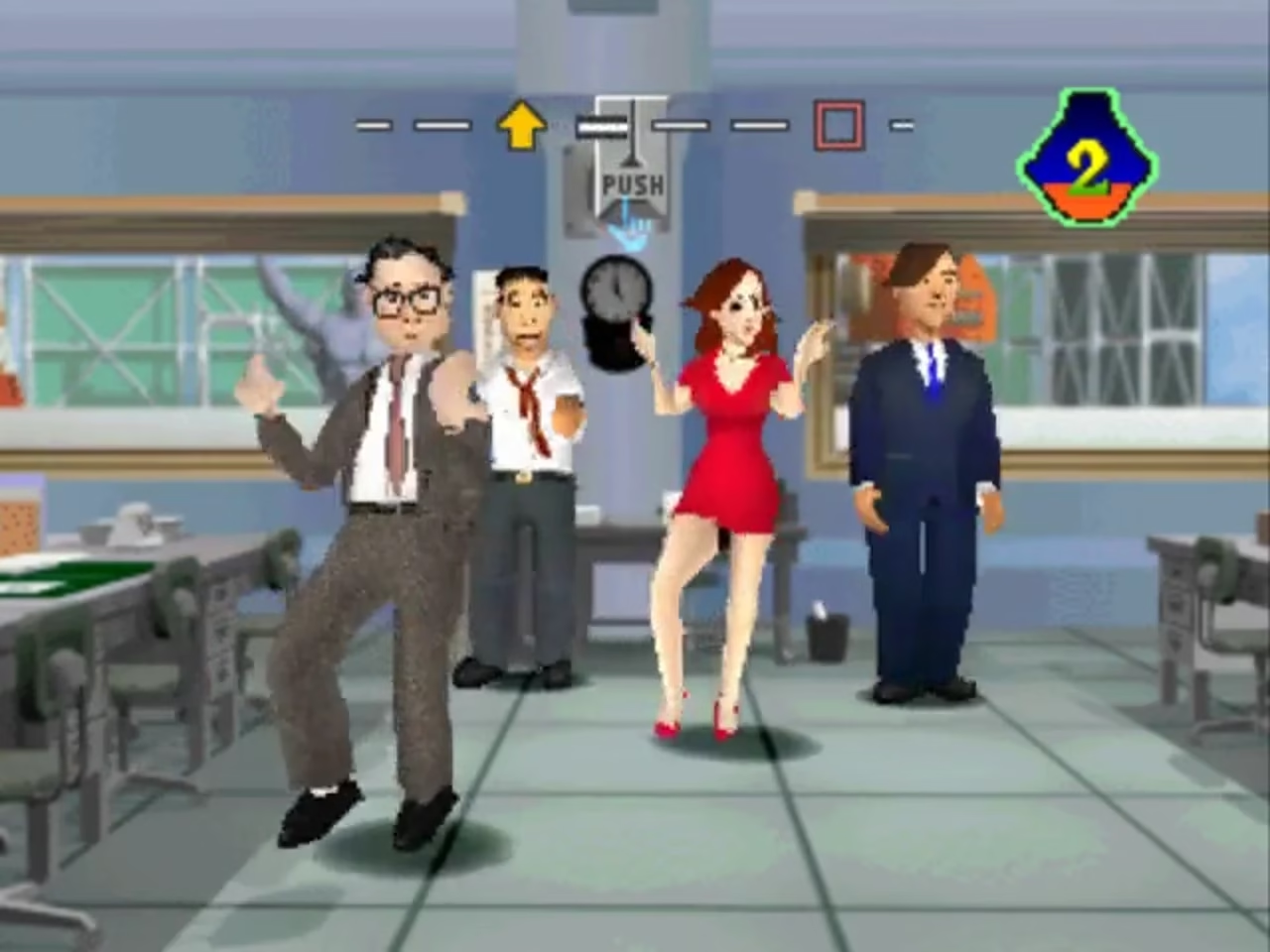
Incredible Crisis gives an ordinary family a birthday to get home for and then throws practically everything in the way. An office dance routine is already an unusual start to the working day. Explosions, dangerous escapes, and another sudden change of activity make the commute feel increasingly unreasonable.
Each new minigame asks you to read the situation quickly. Sometimes timing matters, sometimes your fingers have to work harder, and sometimes the question on screen is almost as alarming as the action around it. The family members keep being swept into trouble, with the animation treating their panic as a very important part of the show.
The best joke is how earnestly everyone is trying to finish a perfectly ordinary obligation. Grandma’s birthday is still waiting while the day grows more ridiculous around them. Incredible Crisis can be demanding, especially when a fresh task catches you cold, but its frantic performances give failure a comic sting. You want these exhausted people to make it home.
#11 — Vib-Ribbon
Platform: PlayStation
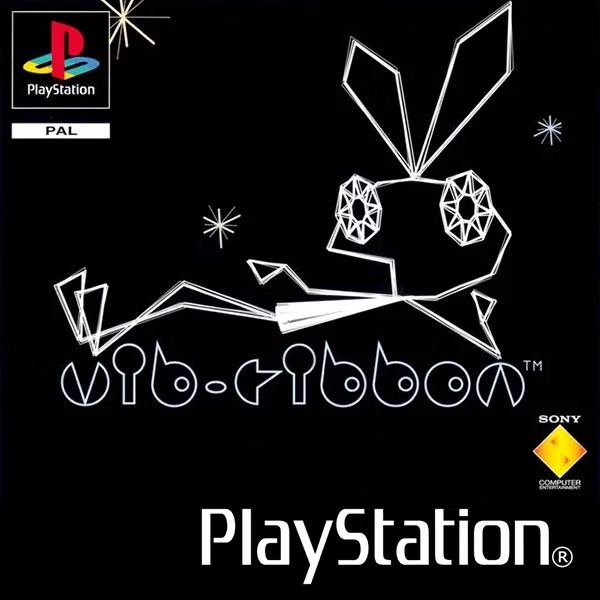
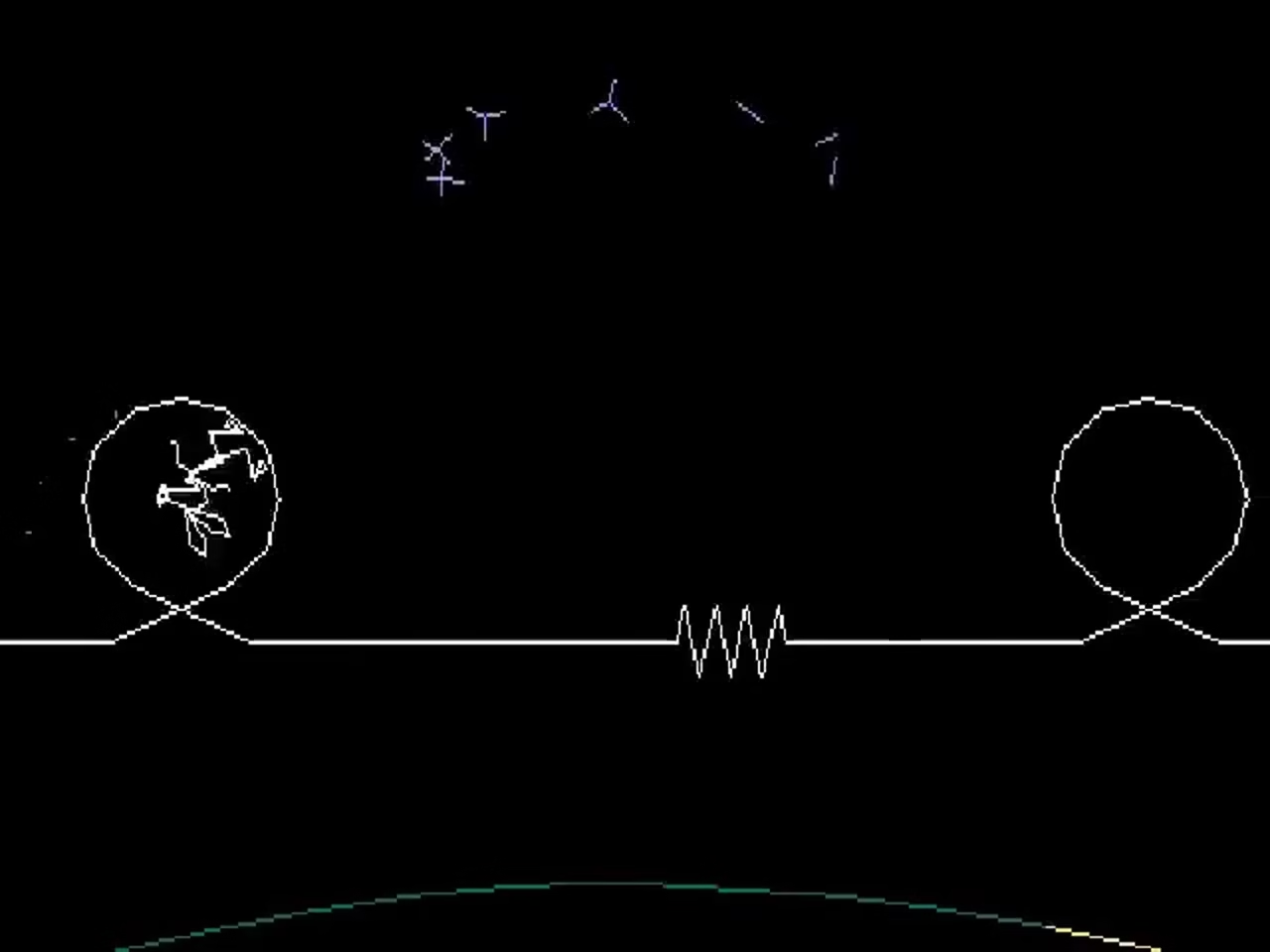
Vib-Ribbon gives Vibri a thin white line to walk along and then makes that line misbehave to the music. There is very little scenery to distract you. A rabbit made from twitching outlines, a black background, and a procession of geometric obstacles somehow keep the screen busy enough.
Matching the obstacles means learning the rhythm and recognizing the shapes before they reach her. Mistakes change Vibri’s form, adding another odd little performance to the journey. The simple drawing makes every wobble visible; watching her recover is nearly as appealing as getting the next sequence right.
The original PlayStation game also lets you swap in an audio CD and generate a course from your own music. Suddenly the album beside the console has another use. It is a lovely invitation to experiment, and an especially funny one when a familiar song gives Vibri more trouble than expected. Few games have made an ordinary stack of CDs look so promising.
#10 — Panic!
Platform: Sega CD
The linked database page covers the PlayStation 2 edition; this entry uses the original Sega CD game.
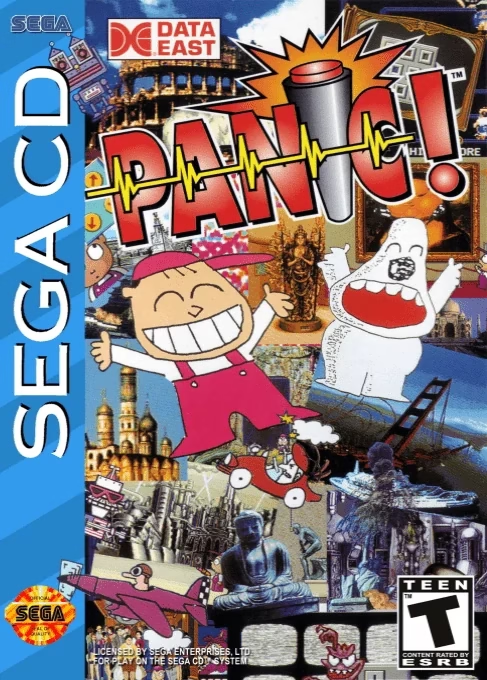
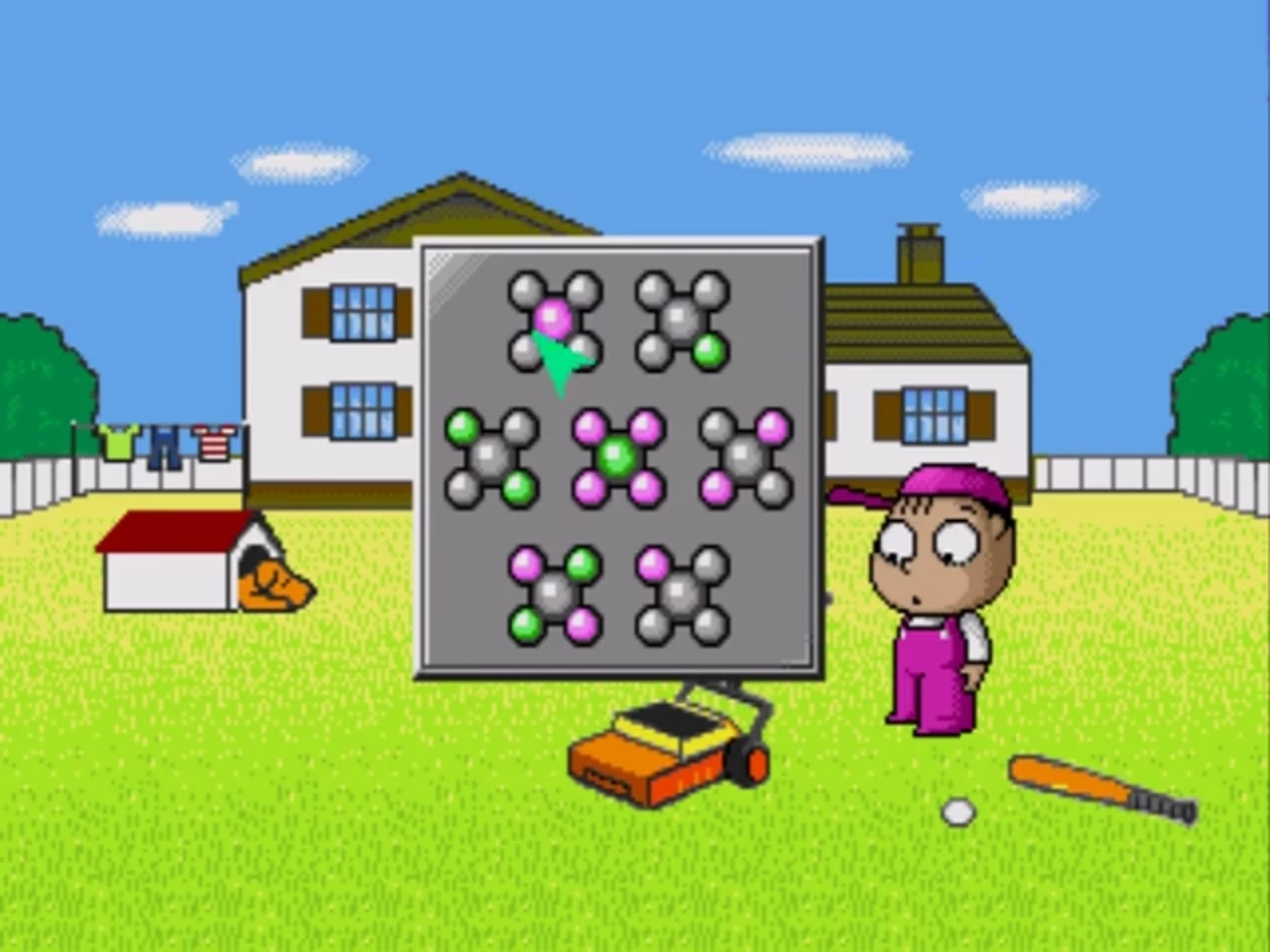
Panic! puts a bank of buttons in front of you and invites a decision you have almost no sensible way to make. Press one and the scene can change, something can break, or a visual gag can take over. The boy and his dog seem to have wandered into a machine whose instruction booklet has been replaced by a practical joke.
The pleasure is in watching the response. A familiar-looking object can behave badly, a harmless setting can become ridiculous, and another button panel can arrive to keep the trouble going. There are routes through the game’s network of scenes, but very little of the reassurance that usually comes with learning a control scheme.
Panic! is best approached with curiosity and a tolerance for being made to look foolish. If you need a dependable test of skill, its surprises can become frustrating. If you are happy to see what the next press does, it has a wonderfully deadpan delivery. The Sega CD is supplying cartoons, sound, and an alarming number of buttons; you are supplying the bad decisions.
#9 — Pepsiman
Platform: PlayStation
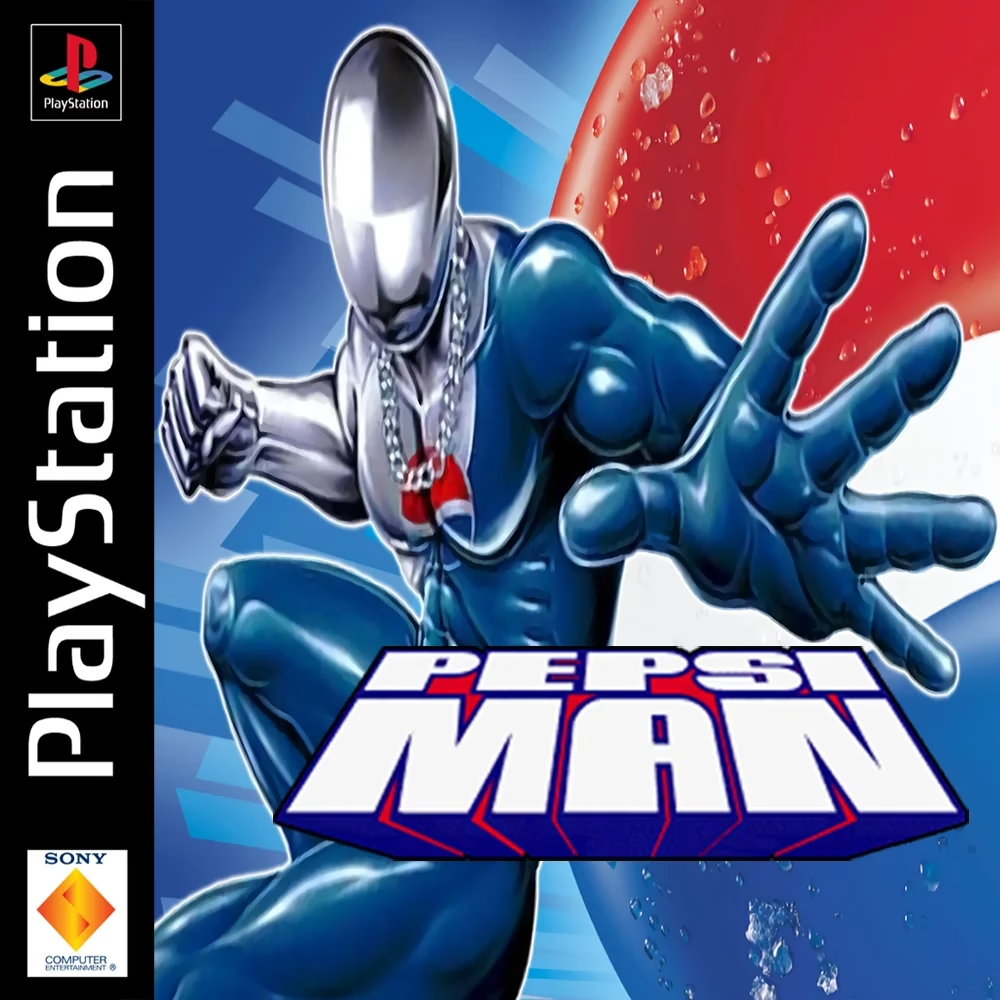
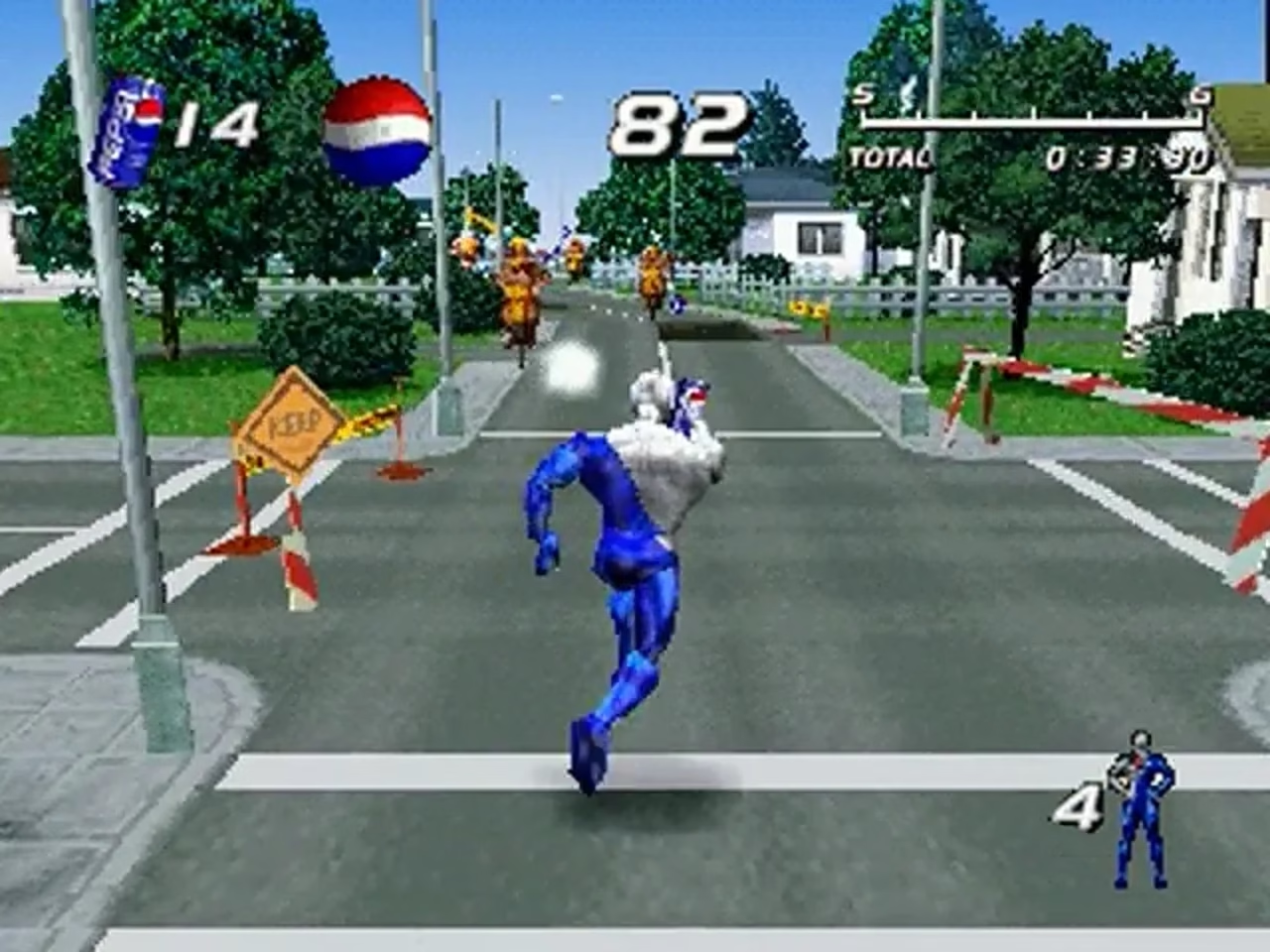
Pepsiman runs through a neighborhood where an extraordinary amount of trouble seems to be standing between people and a soft drink. Trucks, fences, and awkwardly placed obstacles interrupt his delivery route. His shiny blue-and-silver body makes him impossible to miss, which is rather useful when the entire adventure is an advertisement.
You keep him moving, judge the next jump or slide, and try to spot a safe route before the scenery reaches you. The crashes are part of the comedy, but the obstacle sequences can ask for real attention. After a few mistakes, the ridiculous mascot starts to feel like a runner you genuinely want to get through the next stretch intact.
The branding is everywhere and makes no attempt to be coy about it. Somehow the straight-faced emergency of getting everyone their Pepsi makes the game funnier than a knowing wink would. It is a strange little PlayStation spectacle: a commercial with collision detection, demanding enough to make you forget the sales pitch for a moment.
#8 — The Typing of the Dead
Platform: Dreamcast
The linked database page covers the arcade edition; the footage here is Dreamcast.
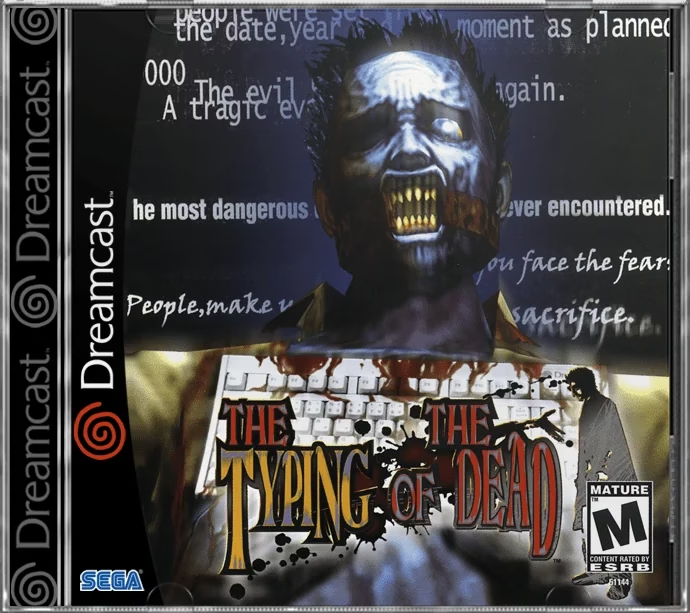
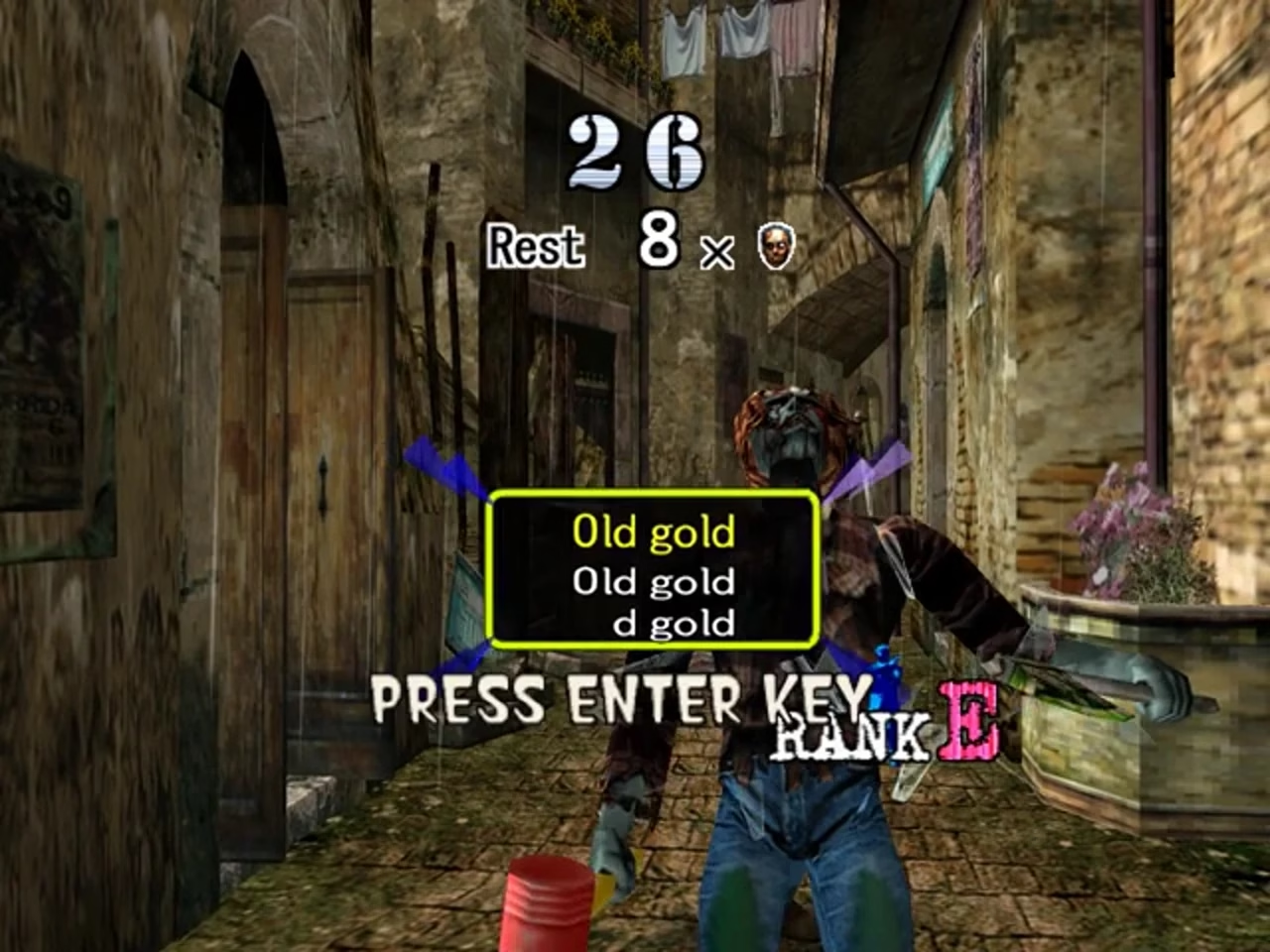
The Typing of the Dead sends House of the Dead 2’s investigators back into the zombie outbreak wearing keyboards and Dreamcast hardware. A creature approaches, a phrase appears, and your hands suddenly become responsible for making the danger go away. The equipment looks ridiculous. The pressure feels surprisingly familiar.
You type instead of aiming, with accuracy becoming much harder to maintain when something unpleasant is closing the distance. An easy word can still go wrong if you hurry. A longer phrase turns the encounter into a race between your fingers and the monster’s patience, while the game keeps its original lurid surroundings.
The contrast does a lot of the comedy. Serious-looking agents carry their improbable kit through an undead disaster, and a perfectly mundane typing mistake can spoil the rescue. It is an excellent way to discover how differently your hands behave under pressure. The office skill you thought you had mastered suddenly has teeth bearing down on it.
#7 — Mister Mosquito
Platform: PlayStation 2
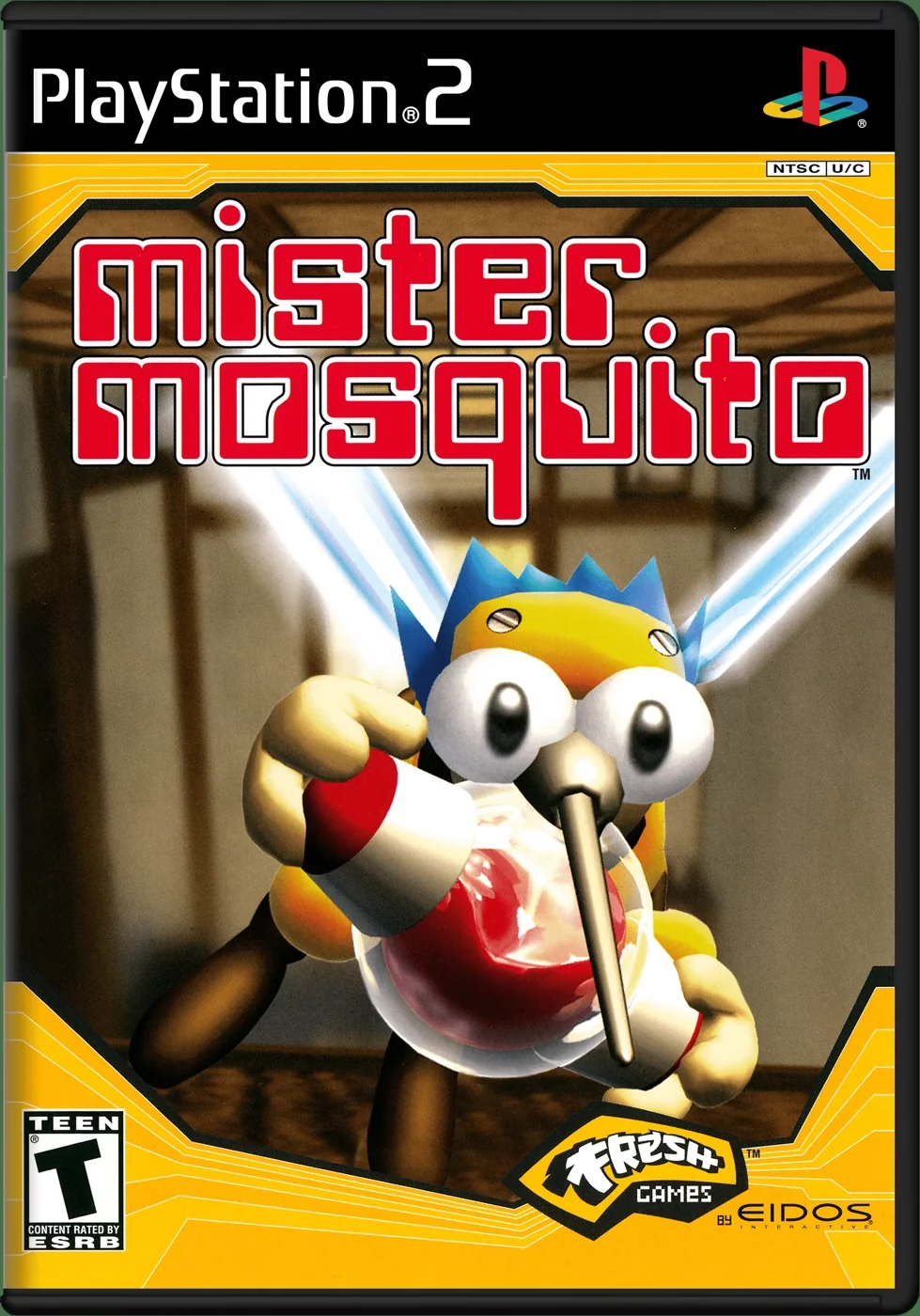
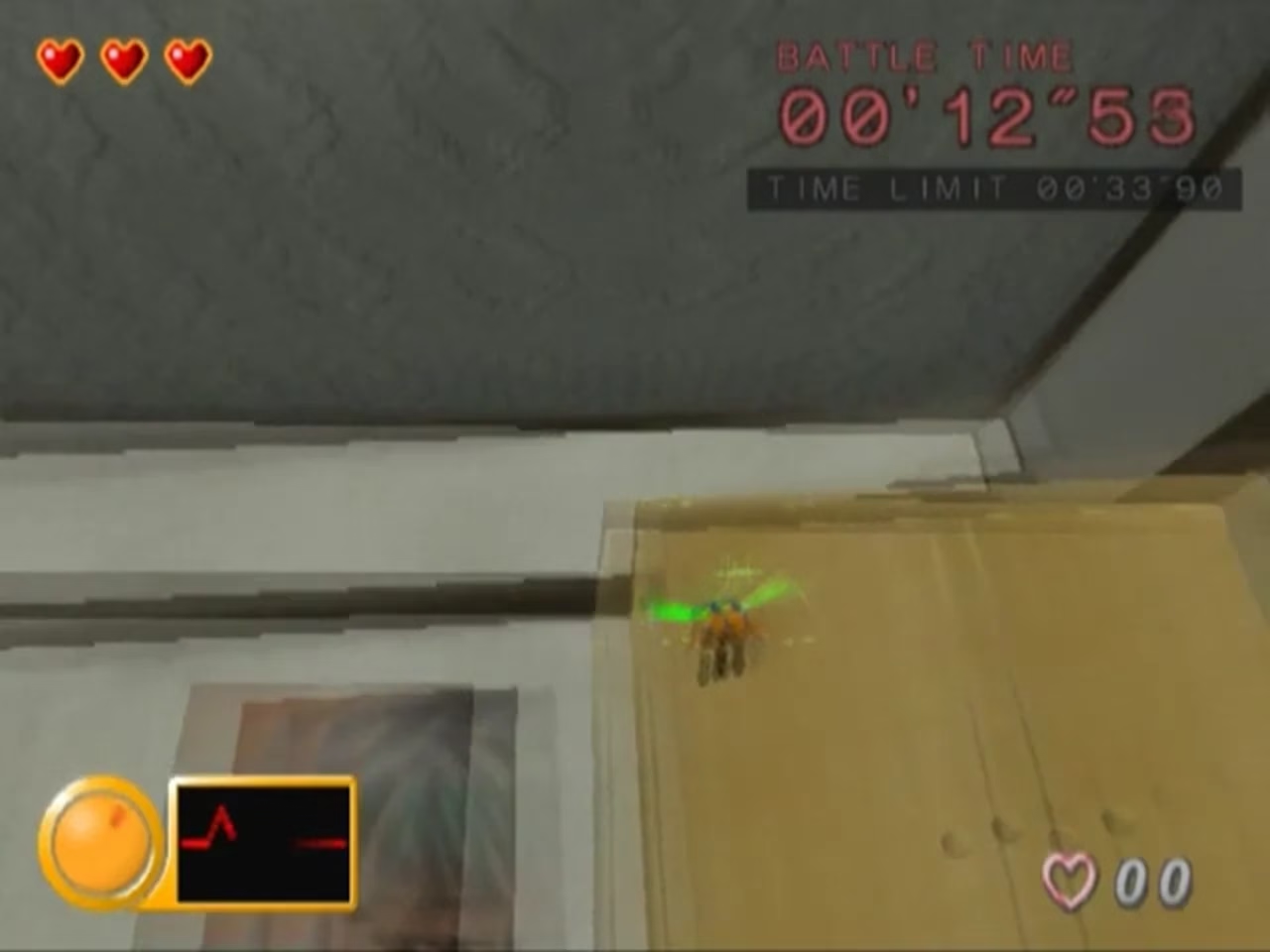
Mister Mosquito turns a family’s home into a hunting ground for a very small, very unwelcome visitor. A bedroom is enormous when you are the insect circling inside it. You look for a place to land, take the blood you need, and hope the person underneath you does not notice until you are gone.
The moment of feeding is much less relaxed than the flight across the room. You have to watch your opportunity and manage the risk of attracting attention. An annoyed human has considerably more reach than your mosquito, and a quiet household scene can quickly become an awkward scramble to stay alive.
The household gives the game its peculiar intimacy. You are not a grand villain; you are the summer nuisance somebody wants to squash before bed. That makes the family’s irritated reactions both funny and entirely understandable. Flying safely through a room while knowing you are the problem is a wonderfully uncomfortable little reversal.
#6 — Stretch Panic
Platform: PlayStation 2
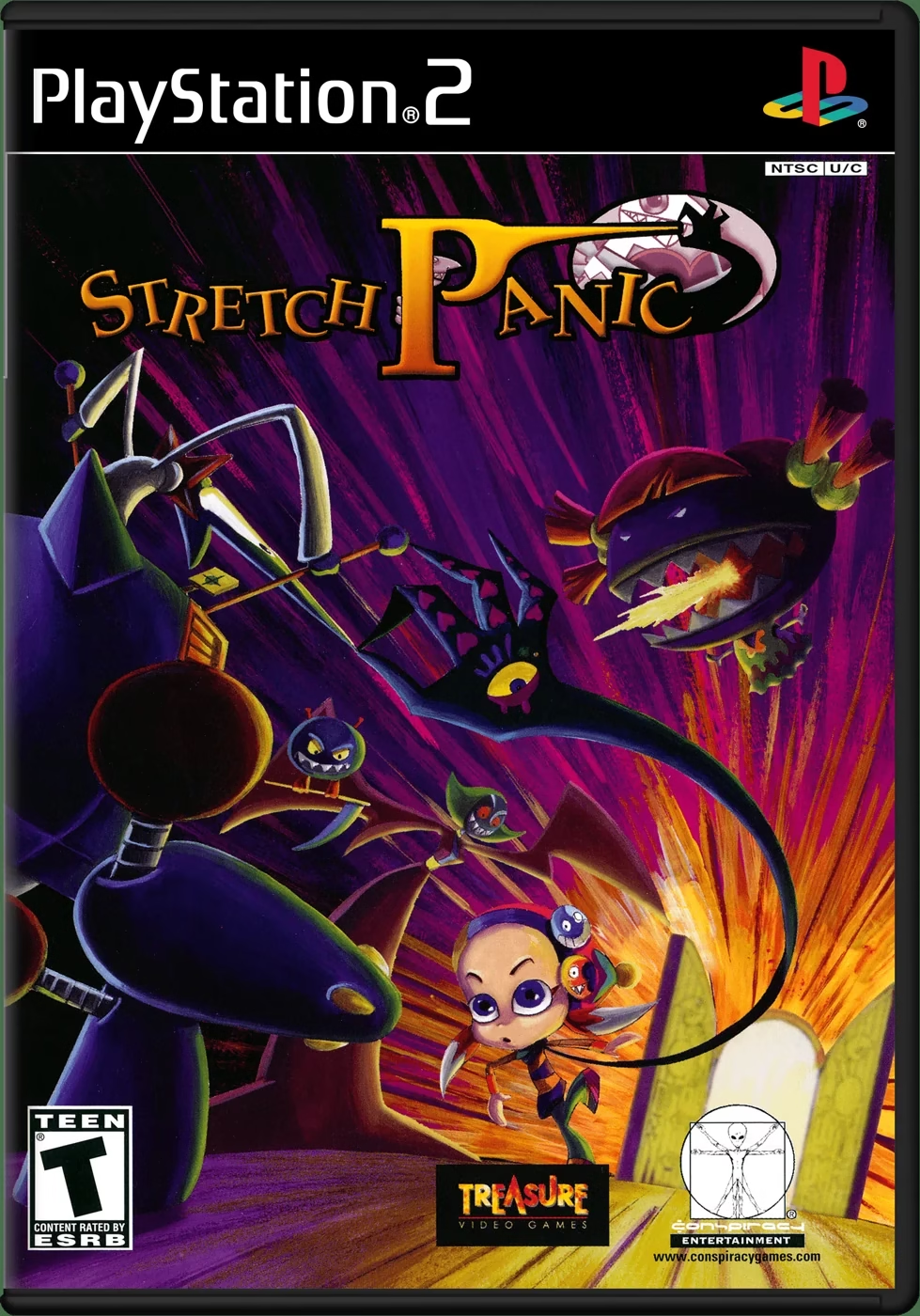
Stretch Panic arms its heroine with a scarf that can grab things and pull them alarmingly out of shape. An enemy’s face becomes something you can stretch. A body that looked odd already becomes stranger once the scarf gets hold of it. Treasure gives the action a gloriously elastic appearance.
Getting a useful grip is the practical business beneath the spectacle. You aim the scarf, find a target, and experiment with what a stretch can do during an encounter. The bosses give that small collection of actions some wonderfully strange subjects, with exaggerated bodies and reactions doing much of the entertainment.
The sparse, peculiar spaces can feel quite unlike a conventional platform adventure. Stretch Panic is most enjoyable when the next opponent gives you something fresh to tug at and a reaction worth watching. It has the charm of a strange toy that has escaped onto a PlayStation 2 disc, complete with faces that really should not be able to move like that.
#5 — Takeshi’s Challenge
Platform: Famicom

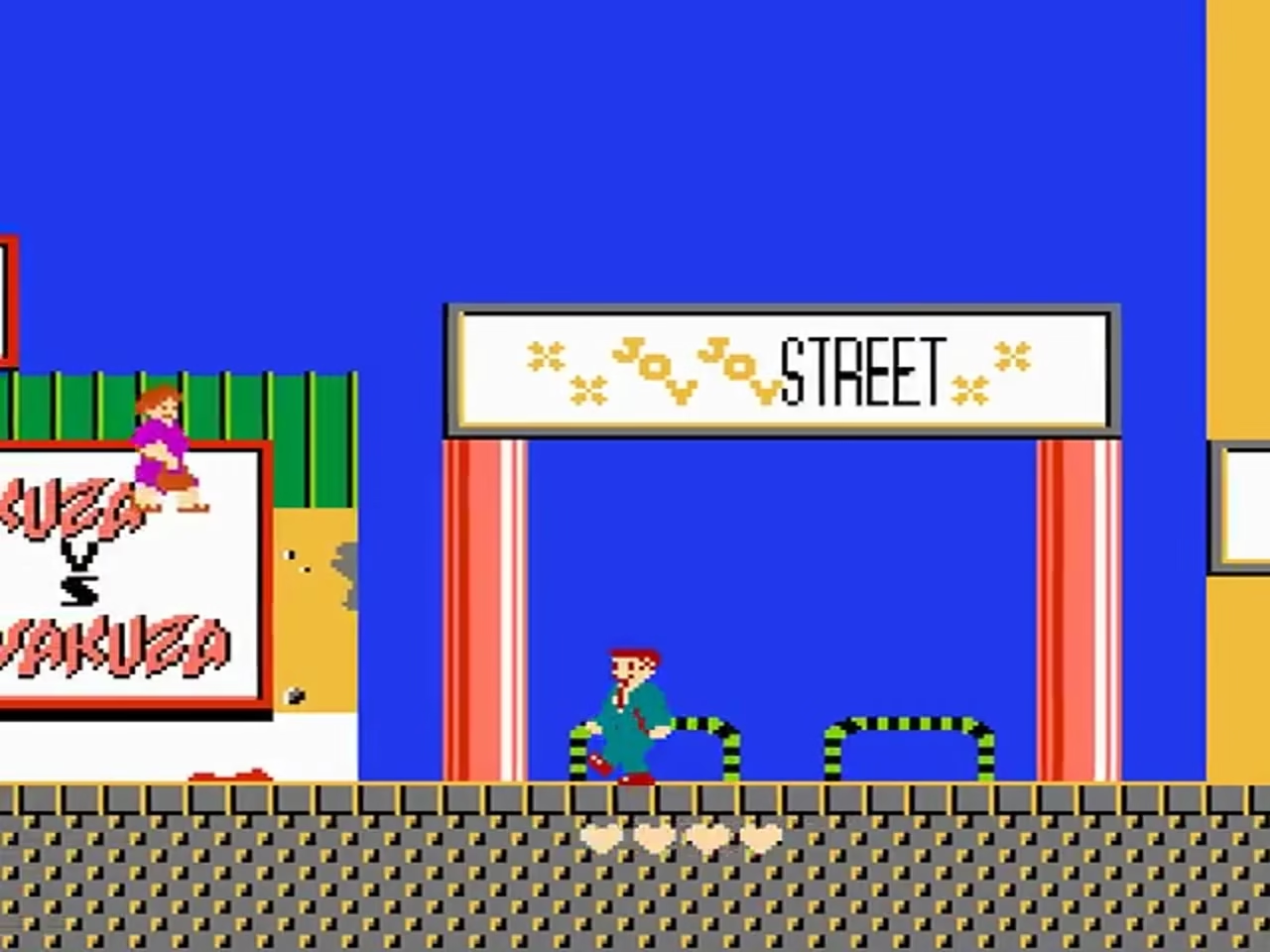
Takeshi’s Challenge lets its office worker wander into a life that seems intent on becoming more troublesome by the minute. Work, family, bars, and a possible treasure hunt all sit somewhere along the route. Finding out what the game expects can be considerably harder than moving the character through the next street.
The notorious detours are part of the adventure’s reputation: karaoke through the Famicom microphone, personal upheaval, and a treasure map that offers very little comfort. Ordinary-looking activities can become obstacles because the required sequence is so difficult to guess. A promising decision can leave you wondering whether you have helped at all.
It is not a friendly game to approach without guidance, and that reputation is deserved. Yet the awkward little world remains fascinating to poke around in. Takeshi’s Challenge keeps producing situations that sound implausible even when someone explains them correctly. The English fan translation shown in our footage makes the signs readable; it does not make the adventure behave itself.
#4 — Eastern Mind: The Lost Souls of Tong-Nou
Platform: PC / Mac
Game reference: Osamu Sato’s official artist site.
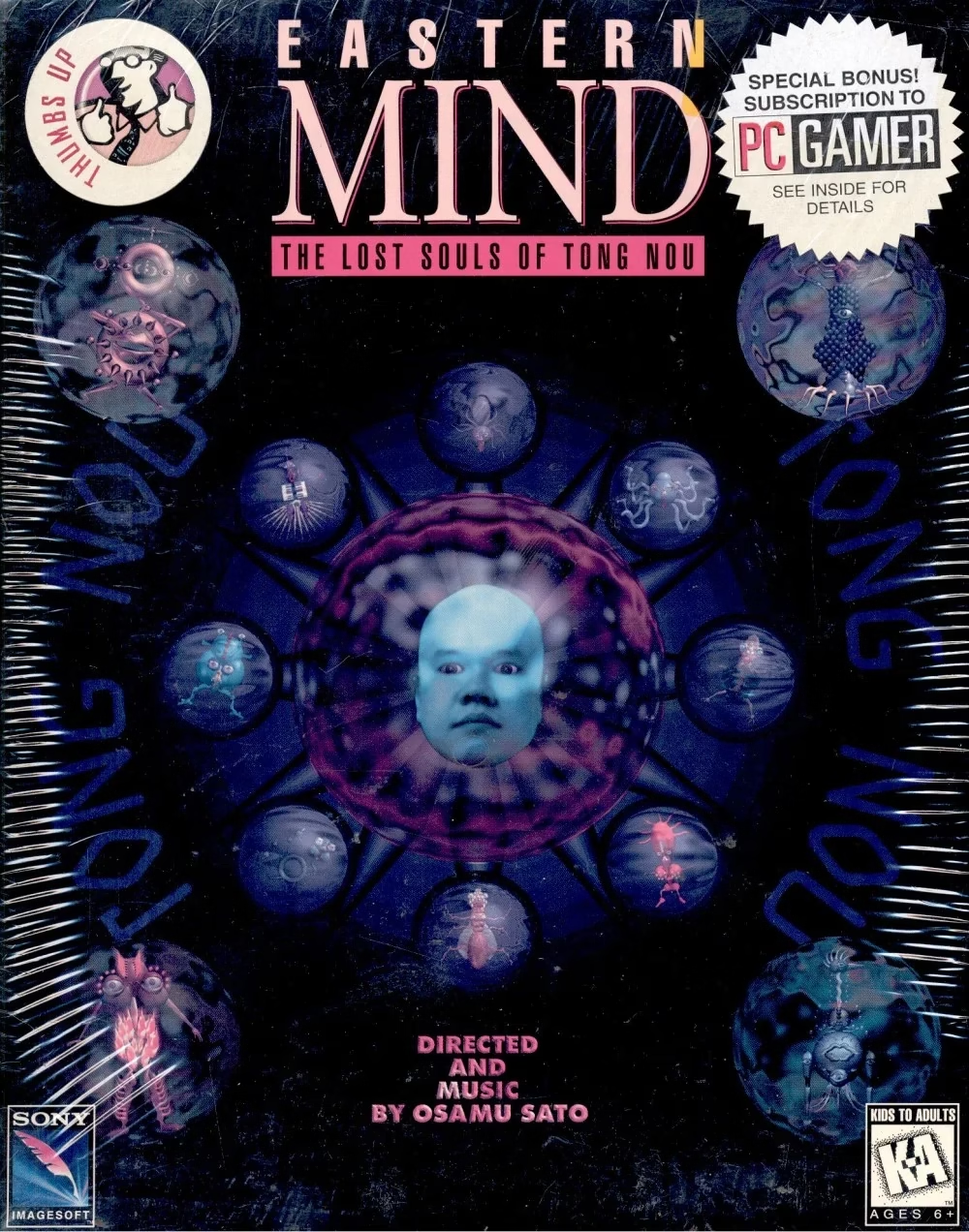
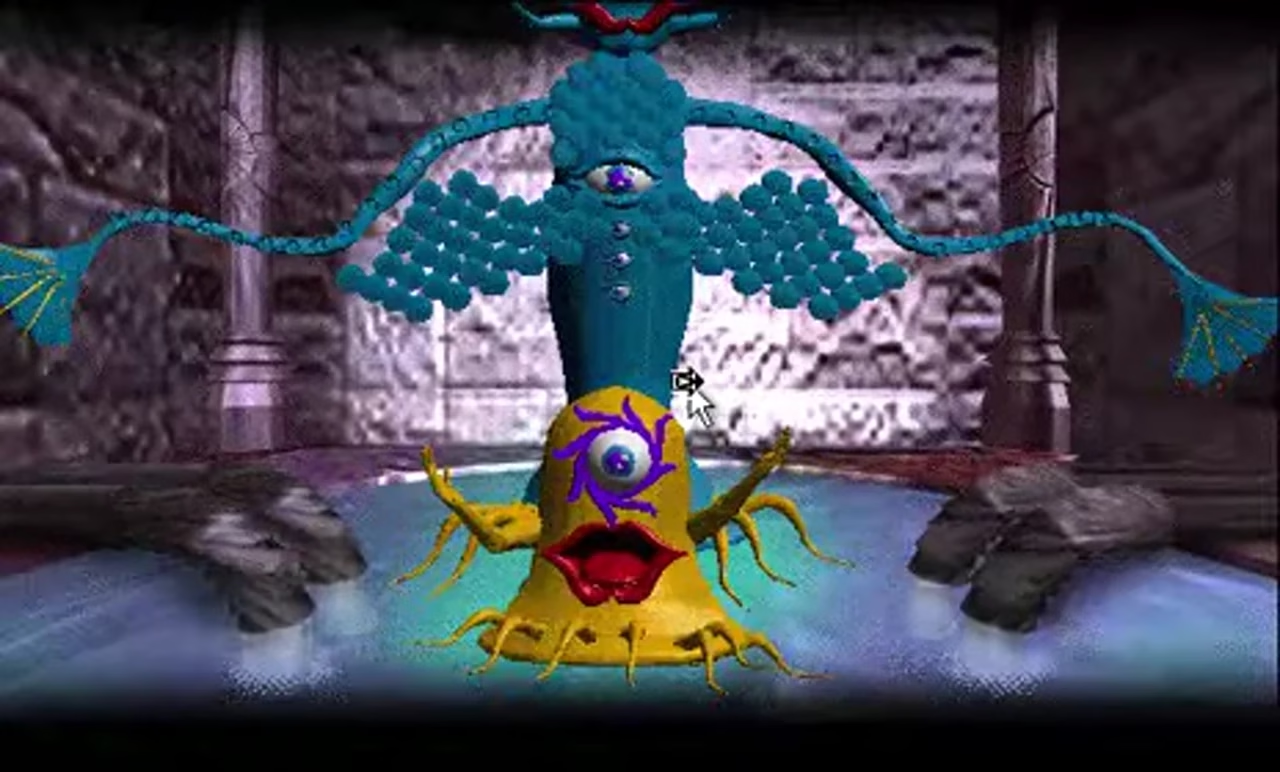
Eastern Mind: The Lost Souls of Tong-Nou greets you with a giant green head and then lets you venture into the world within it. The faces and creatures waiting there look assembled from shapes that do not belong together. A room can feel welcoming for a moment and thoroughly impossible to understand a moment later.
You explore by pointing, clicking, and working through encounters whose strange appearances are often part of the puzzle. Death and reincarnation carry you into other forms rather than ending the entire journey in the usual way. Learning what a new body can do gives the adventure another question to put beside the ones already filling your notebook.
Osamu Sato’s imagery gives the trip a strong, unsettling flavor. Even a conversation can leave you studying a creature’s face instead of concentrating on its words. This is a game to explore slowly, with room to be puzzled by the next object or passage. Hurrying through it would mean missing a great deal of the beautifully peculiar scenery.
#3 — Cho Aniki
Platform: PC Engine CD
The linked database page covers the PlayStation 3 re-release; this entry uses the original PC Engine CD game.
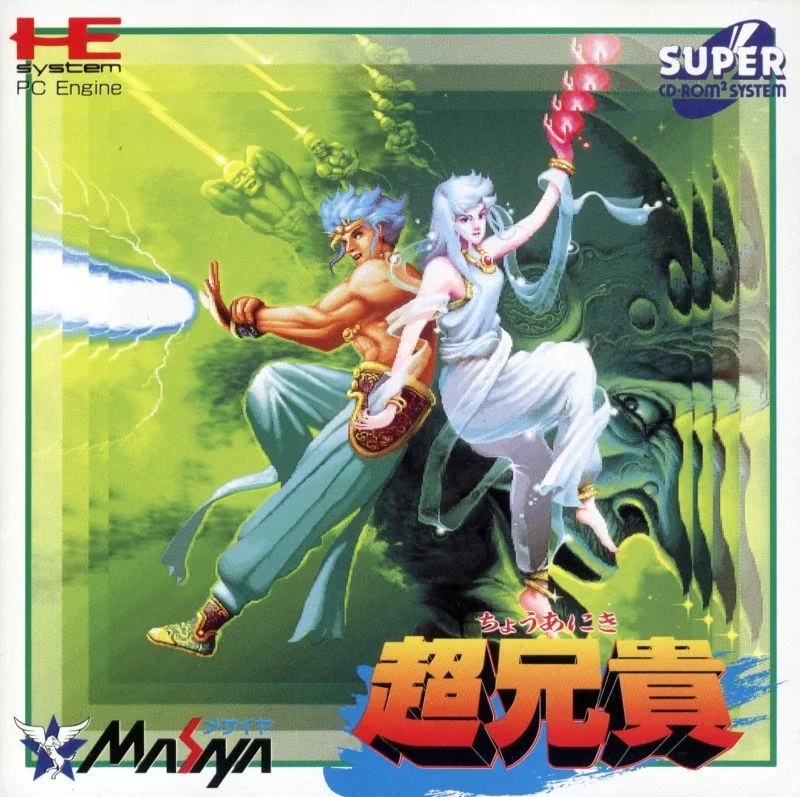
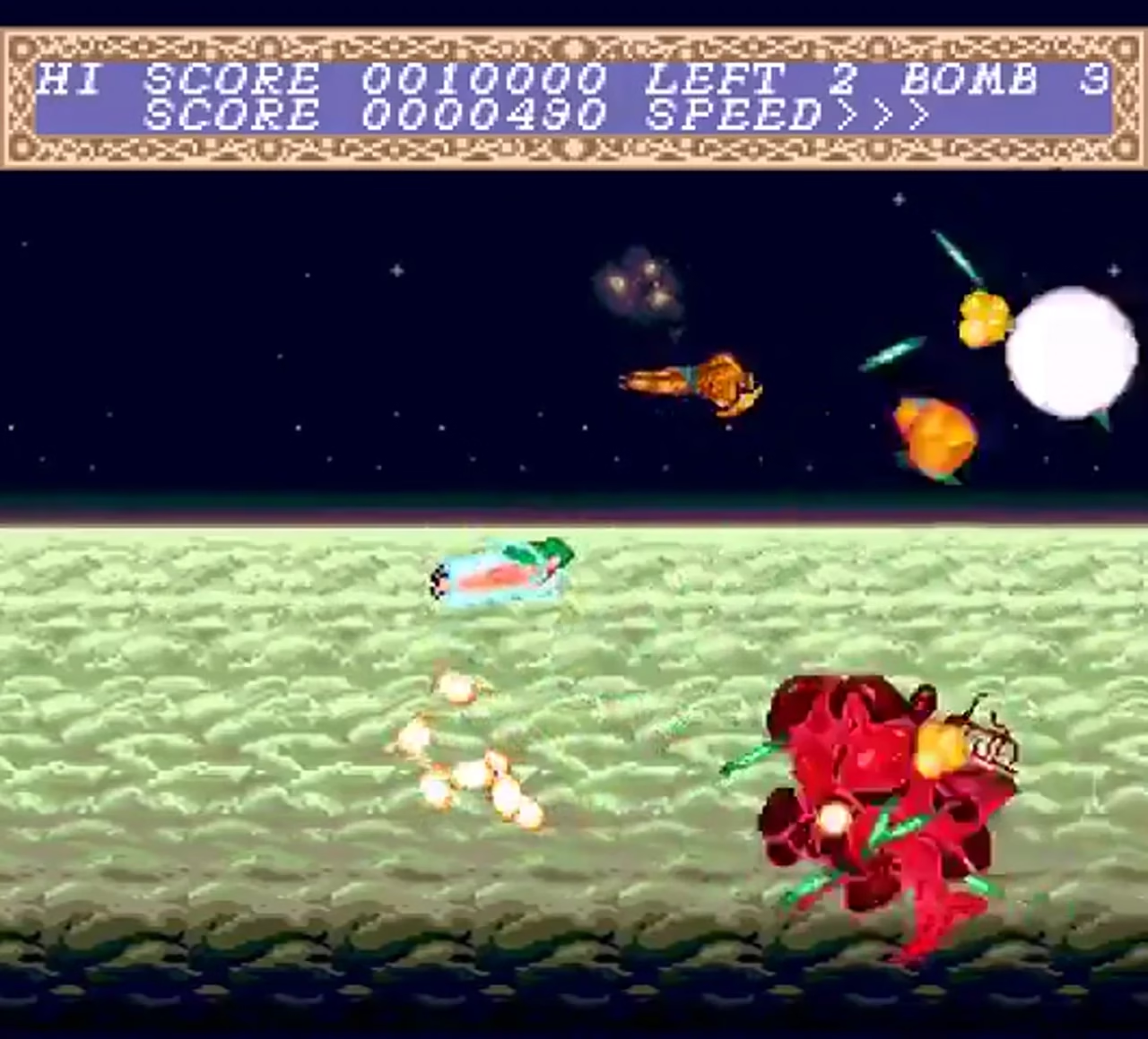
Cho Aniki sends its heroes across a horizontal shooter full of bodies, faces, and structures that would look unusual even without the incoming bullets. Muscular helpers hover beside you as useful companions. The next large enemy can resemble a bizarre statue that has decided to become your immediate problem.
The original PC Engine CD game still asks you to do the familiar work of a shooter. Move through the gaps, keep firing, collect useful items, and learn what the next opponent is about to do. The unusual cast does not excuse you from paying attention; admiring an especially ridiculous enemy is an excellent way to get hit by it.
The animation and music help carry the parade along, giving the strangeness a lively arcade rhythm. It is important to distinguish this original from its even wilder sequels. There is already plenty to look at here, and the bodybuilding companions supply an image that has followed the series ever since. A screenshot makes a strong introduction; a boss moving into the fight makes an even better one.
#2 — Seaman
Platform: Dreamcast
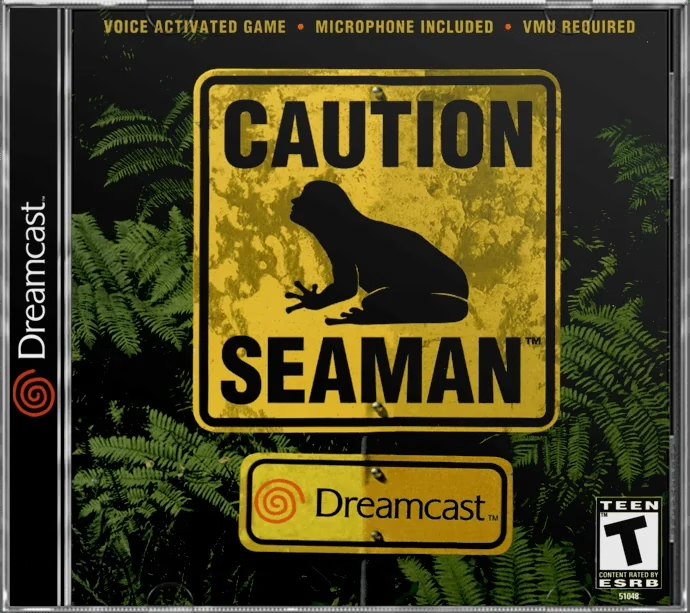
Seaman gives you an aquarium, a microphone, and a creature with a human face. Looking after it begins with the ordinary concerns of keeping something alive: food, air, and a suitable temperature. Then your pet starts talking, and an already uncomfortable face acquires opinions about you.
The microphone turns the relationship into a conversation rather than a collection of menu selections. Seaman asks questions and responds to what you say, sometimes with a manner that makes gratitude seem unlikely. Waiting for the creature to grow gives the exchanges their own peculiar pace; this is not a pet you can rush through a weekend adventure.
The aquarium is an oddly convincing place to spend time. Small changes become interesting because you have been checking in and keeping the inhabitant alive. Then a remark reminds you that the fish is examining you as well. Seaman manages to make routine pet care feel like sharing a room with a stranger who has far too much confidence.

#1 — LSD: Dream Emulator
Platform: PlayStation
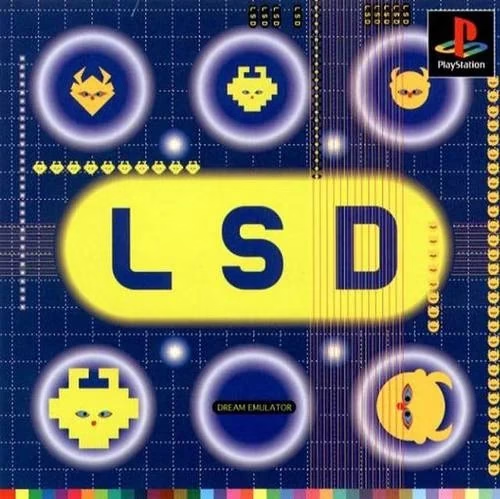
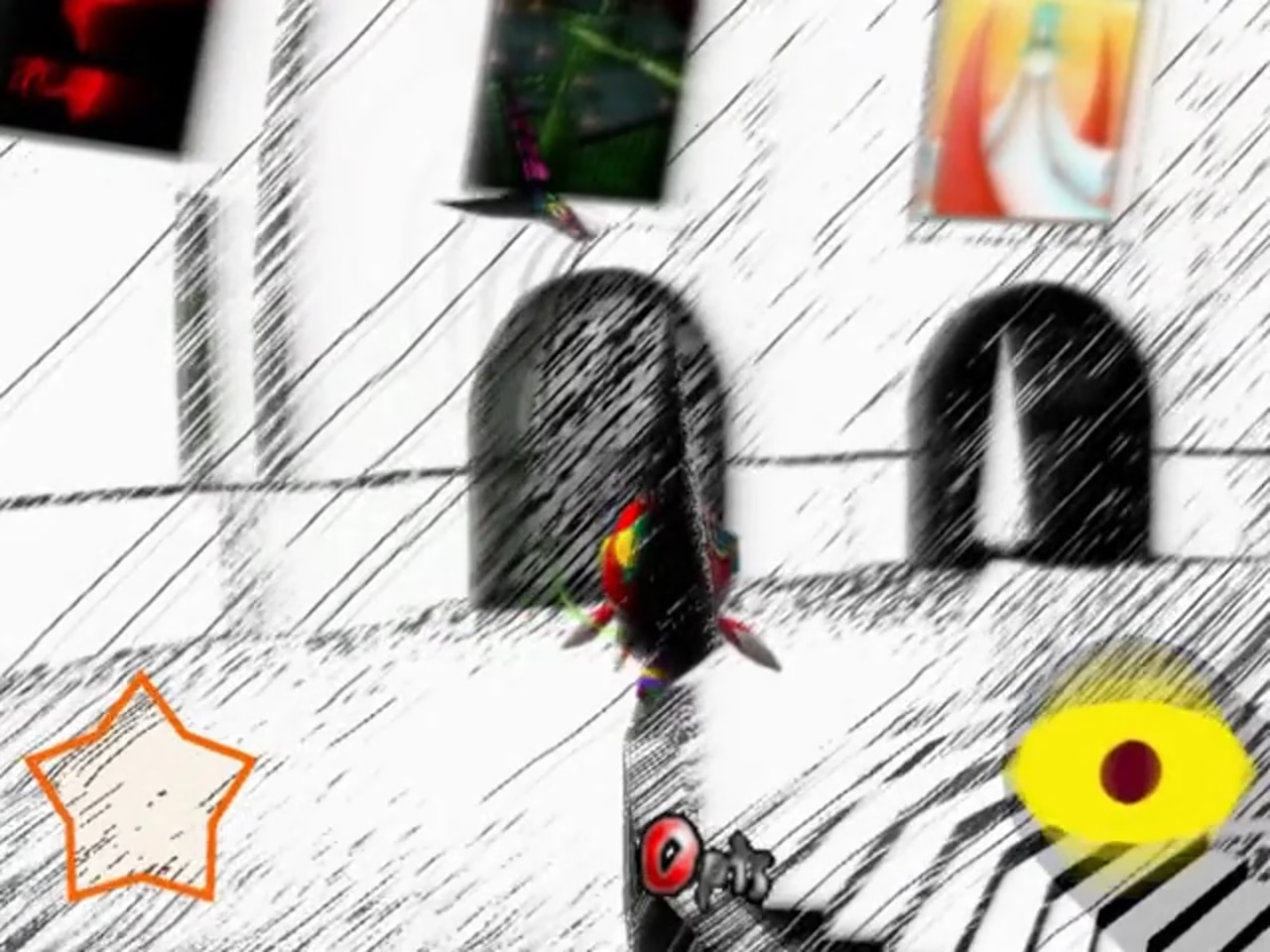
LSD: Dream Emulator can start with a hallway, a room, or a seemingly ordinary stretch of scenery. Walk into something and the next place may have very little in common with the one you left. You keep moving because there is always another corner to look around, even when there is no sensible reason to expect it to help.
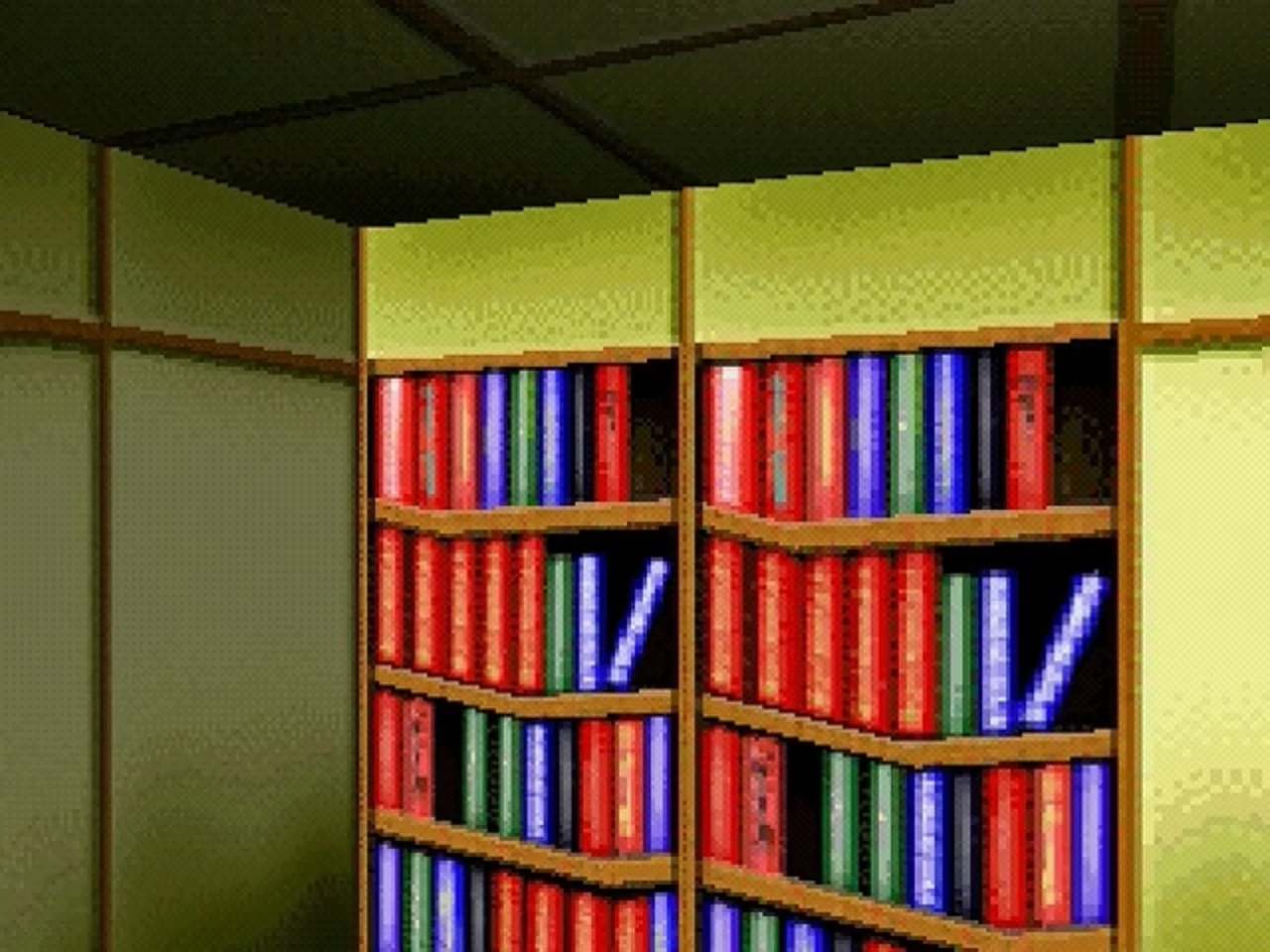
Its dream worlds can feel quiet, comic, or suddenly unsettling. A familiar-looking building does not guarantee a familiar interior, and an unexplained figure can change the mood of a whole scene. The low-resolution textures and awkward spaces make the journey feel even less stable; a wall is both part of the room and a possible exit from it.
There is no conventional boss waiting to tidy up the experience. The appeal is in wandering, finding an image you cannot quite shake, and wondering what the next visit will look like. Of all the games here, LSD is the one most willing to leave you with questions. The next collision might supply an answer, but it is much more likely to supply another strange place.
What is the strangest game you have played?
There is a particular pleasure in handing someone a controller and waiting for the first puzzled look. A dancing enemy in Moonwalker, a question from Seaman, or one unfortunate button press in Panic! can provide it almost immediately. Other surprises take longer: a new creature in Tong-Nou, a difficult stretch of Pepsiman’s delivery route, or a dream in LSD that leaves one unsettling image behind. Which of these did you play, and what wonderfully odd game belongs in the next countdown?
If one of these adventures has you reaching for an older console, our emulation section can help you explore the available options. Check the particular game’s needs before settling in: Seaman uses a microphone, The Typing of the Dead needs a keyboard, and Vib-Ribbon’s audio-CD trick calls for support beyond ordinary controller buttons. A little setup is worth it when the reward is finally meeting that judgmental fish or seeing what your favorite album does to Vibri.