Retro Replay Retro Gaming History, Reviews & Emulation
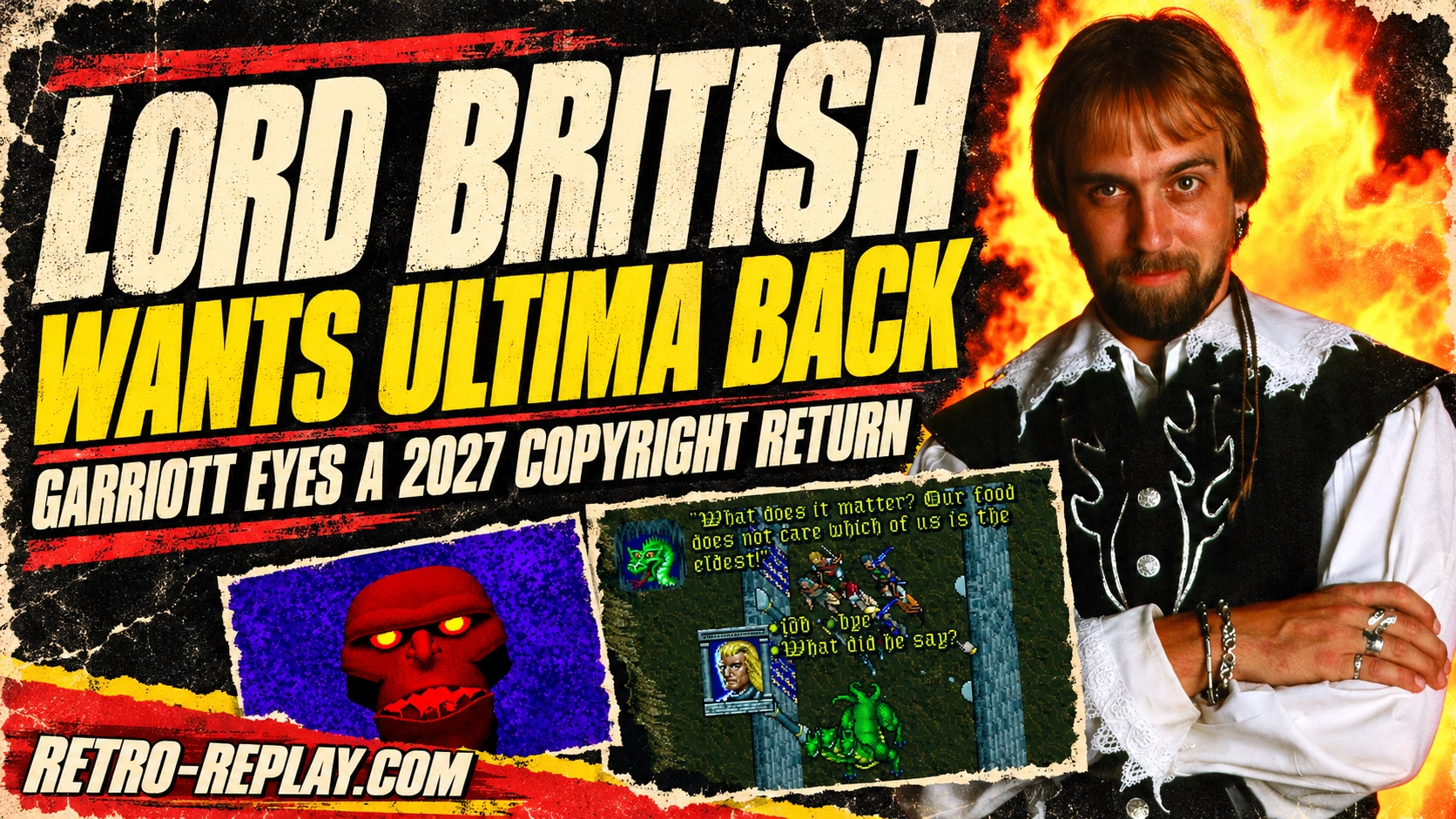
In Ultima VII, a red face fills the screen and offers to become your new friend. The Guardian has an excellent voice, terrible intentions, and rather more confidence than anyone should want in a traveling companion. Then you step into Britannia, start asking questions, and discover that the people already living there have plenty of problems of their own.
It is a wonderful world to get distracted in. You arrive with a grand adventure ahead of you and soon find yourself poking through somebody’s belongings, following a suspicious organization, or having a conversation you absolutely did not expect. For many players, that is the Ultima they would like to visit again.
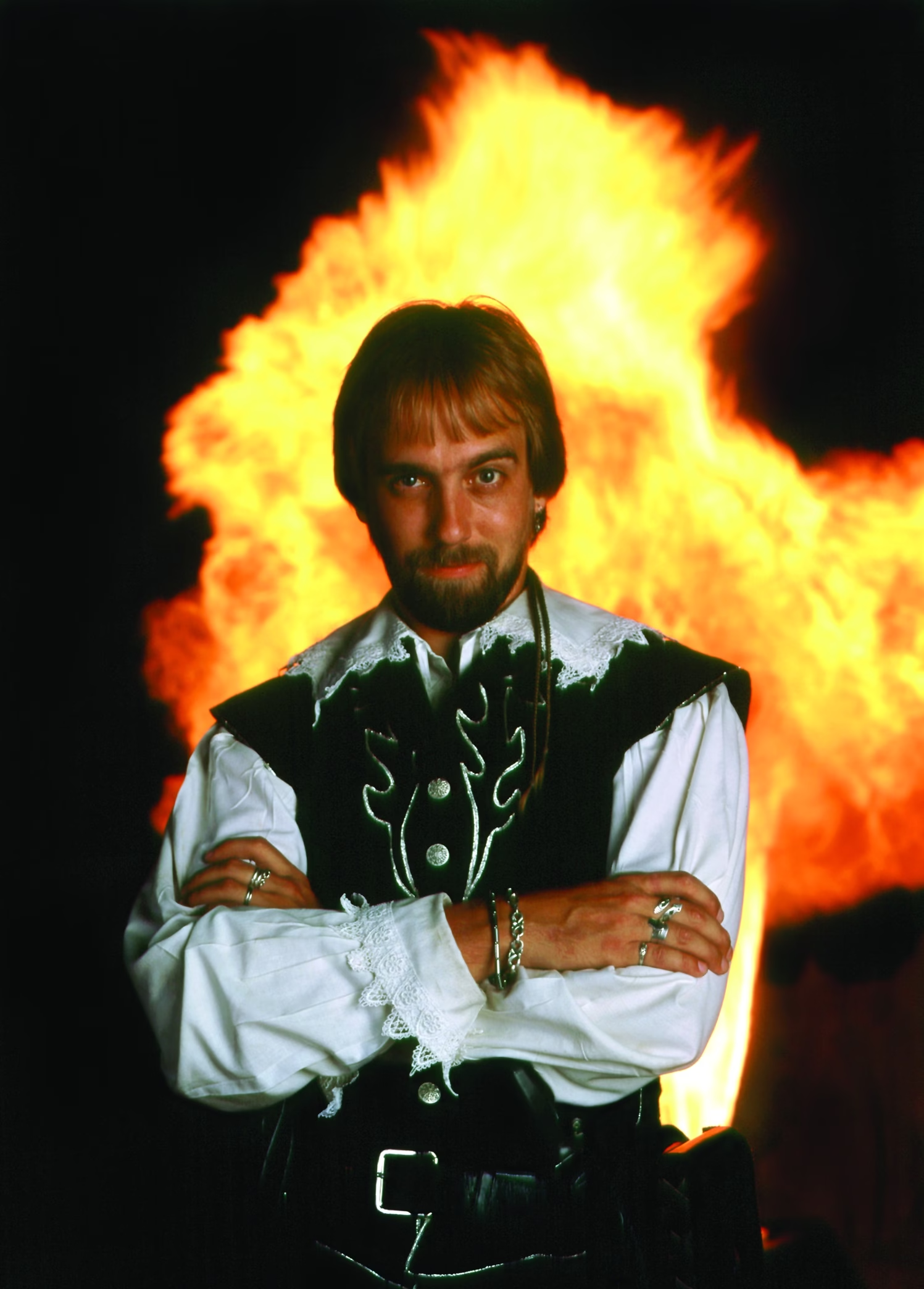
Richard Garriott wants to return, too. The series’ creator, better known as Lord British, says he expects to reclaim copyrights to his original Ultima work in 2027. His recent interviews have raised the possibility of rereleases and sequels, along with the very appealing prospect of Britannia’s original creator getting another say in its future.
There is some paperwork between here and the moongate. Garriott is describing a copyright recovery that he expects next year, not announcing that every Ultima right has already changed hands. The trademarks are still a separate issue, and no new commercial Ultima game has been announced in the interviews discussed here. Even with those qualifications, this is an unusually hopeful piece of news for people whose old cloth maps have spent a long time folded away.
Lord British has been talking to EA
The latest round of coverage, including Polygon’s October 9 report, follows Garriott’s conversation with Jesse Petrilla. In the original TechJesse interview clip, he connects the expected return to the 1992 sale of Origin Systems to Electronic Arts and the passage of 35 years.
Garriott says he contacted EA in April 2026 about taking the copyrights back, and describes the publisher as acknowledging the law and discussing what might happen next. That account comes from Garriott; it is not a separately published EA confirmation of the transaction’s scope or effective date.
“We’ll figure it out, but I get it back officially in 2027.”
Richard Garriott, speaking to Jesse Petrilla.
His possibilities include putting the earlier games out again and making follow-ups. He also says he is talking with EA about whether they should do something together. So this need not become a dramatic tale of a creator marching into a publisher’s office and carrying a box of floppy disks back out. There may yet be cooperation, negotiation, or a more complicated arrangement than the headlines can fit.
This conversation did not begin in October. Inside Games covered his plans in June, and Garriott discussed them again at Dragon Con. The additional interviews make the story more interesting because they get beyond the question of ownership and into what he actually likes making.
How Ultima became part of the EA deal
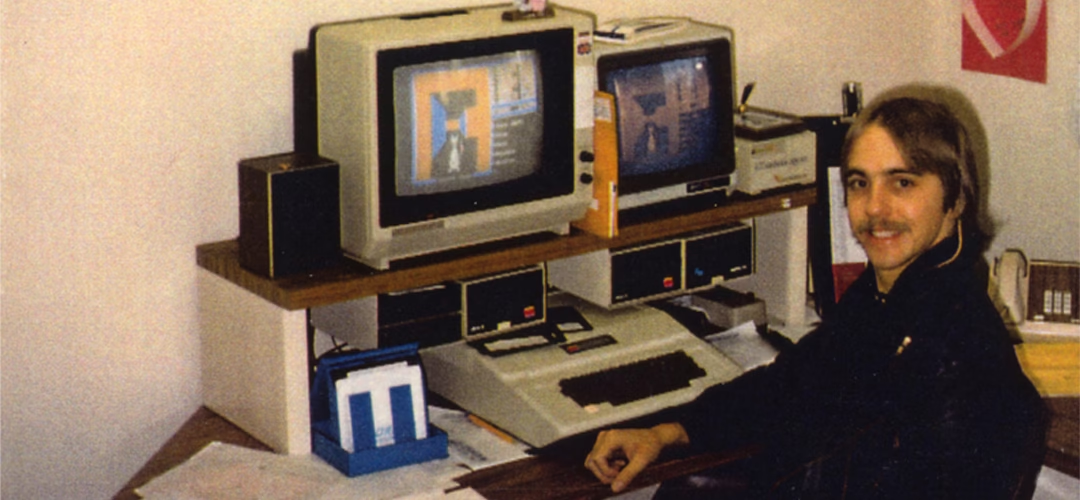
Before the negotiations, the brand names, and the corporate acquisitions, there was Garriott at a computer building places for people to explore. His early work led from Akalabeth to the first Ultima in 1981. The Strong’s history of Ultima traces that beginning and the series’ growth into one of computer role-playing’s foundational names.
Origin followed in 1983. Its own 1989 catalog names Richard and Robert Garriott, Owen Garriott, and Chuck Bueche as the founding team. Ultima III: Exodus was its first release. The company grew around games that asked players to learn their way through a world, with manuals and maps that made opening the box feel like the first part of the adventure.
The sale to EA in 1992 is especially relevant because Garriott says Ultima had been his own property. In a 2011 interview reproduced by RPG Codex, he recalled that the rights had to become part of the acquisition negotiations:
“Up until that moment, I owned Ultima personally.”
Richard Garriott, recalling the EA acquisition.
He described EA wanting the intellectual property included with the business. That older interview gives the current story useful context: Garriott has been explaining his personal ownership and its transfer for years. It is not simply a new argument attached to a sudden desire to make another RPG.
Nor did Ultima stop the afternoon EA bought Origin. More games followed, and Ultima Online arrived in 1997. The acquisition and everything players liked or disliked afterward cannot be squeezed into a tidy “before EA good, after EA bad” chronology. Some of the series’ most important work happened with EA involved.
The small print matters, even in Britannia
The legal route Garriott is discussing is termination of a copyright transfer. Under Section 203 of the U.S. Copyright Act, qualifying grants made by authors can generally be terminated in a statutory window beginning 35 years after the grant, subject to the law’s conditions. That helps explain why 1992 and 2027 keep appearing together.
It is not a universal rule that a studio founder gets a whole franchise back after 35 years. Works made for hire are excluded, joint authorship can matter, and the relevant grant has to qualify. The provision affects rights arising under U.S. copyright law. It does not automatically transfer trademarks or settle every overseas right.
There is also a timing problem in the widely repeated explanation. Garriott describes giving a year’s notice. The Copyright Office’s published guidance instead requires service at least two years, and no more than ten years, before the effective date, with the served notice recorded before termination takes effect. An April 2026 notice alone would not satisfy that minimum for a 2027 statutory termination.
We have not reviewed Garriott’s actual notice, original agreements, or any negotiated settlement with EA. There may be additional facts behind his timetable. For now, 2027 is his stated expectation, not a date we can certify from the interview. That is a reason to describe the claim accurately, rather than dismiss it or quietly rewrite the law to match it.
Existing derivative works also have protection under the statute. The Copyright Office explains that qualifying works made under the grant before termination can continue to be used under its terms. Regaining an underlying copyright does not necessarily give someone every later game, piece of art, or feature that other teams created.
The Ultima name is another conversation
At Dragon Con, in an interview published by Operation Rainfall, Garriott said the copyright and trademark issues remain separate and described negotiations over the latter. His comments should not be read as a promise that every Ultima logo, title, and later installment will become his in one sweep.
For players, the useful question is what a finished arrangement would allow him to make and how it could be sold. Those details are still to come. A proposed return to his original work sounds promising, but it does not establish ownership of Ultima Underworld, the entire live MMO operation, or every contribution made across decades of development.
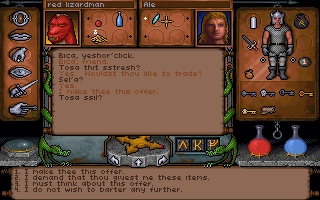
That is particularly relevant to a series with so many branches. Ultima Underworld: The Stygian Abyss has its own development history and creative team. It belongs in any conversation about Ultima’s influence, but its presence on a nostalgic wish list is not evidence that a specific copyright notice covers it.
What would a new Lord British game feel like?
The most enjoyable part of the Dragon Con conversation is Garriott describing a world full of usable things. He talks about cups, plates, and the ability to pick objects up, put them down, and actually use them. His rule is delightfully direct: if you can see it, it will work.
If you have spent time in Ultima VII: The Black Gate, that is familiar territory. A room is more interesting when its contents invite a little interference. A character is more memorable when an ordinary question takes you somewhere strange. You do not need a map the size of a small country if the next house contains something worth noticing.
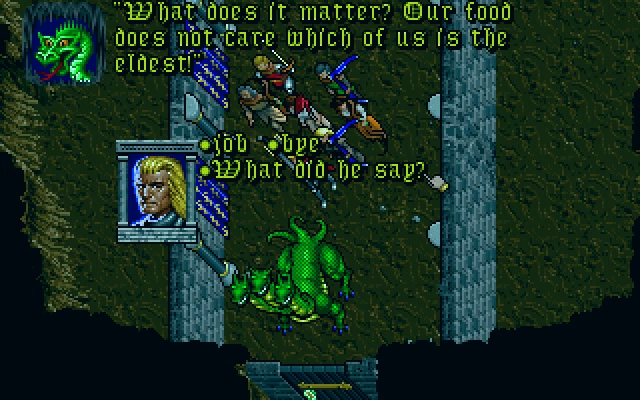
Garriott also describes an interest in ethical questions, purposeful towns, and carefully paced travel. He says experiments are already under way, including AI-assisted prototyping. That is a description of exploratory work, not a production announcement or a promised feature list. The available comments do not give us a release date, platforms, budget, or a finished design for a new Ultima.
It is easy to imagine what fans might ask for. Keep the readable towns. Keep the people who have something more useful to say than a reminder about the nearest quest marker. Keep the freedom to try an awkward solution and occasionally make a mess. Give the player a reason to care whether they have behaved decently, instead of only asking whether they brought a sufficiently large sword.
Those are hopes, not promises. Garriott has said enough to suggest the sort of experience he wants to explore, and we can judge an actual game when there is one to play. For the moment, a smaller, densely furnished Britannia sounds more inviting than a giant empty one.
Ultima Online never left
There is one group of players who have not been waiting for Ultima to return: the people still logging into Ultima Online. Its official website continues to publish news and updates. On October 23, the team announced the first Test Center release of Publish 125, including seasonal activities and other additions.
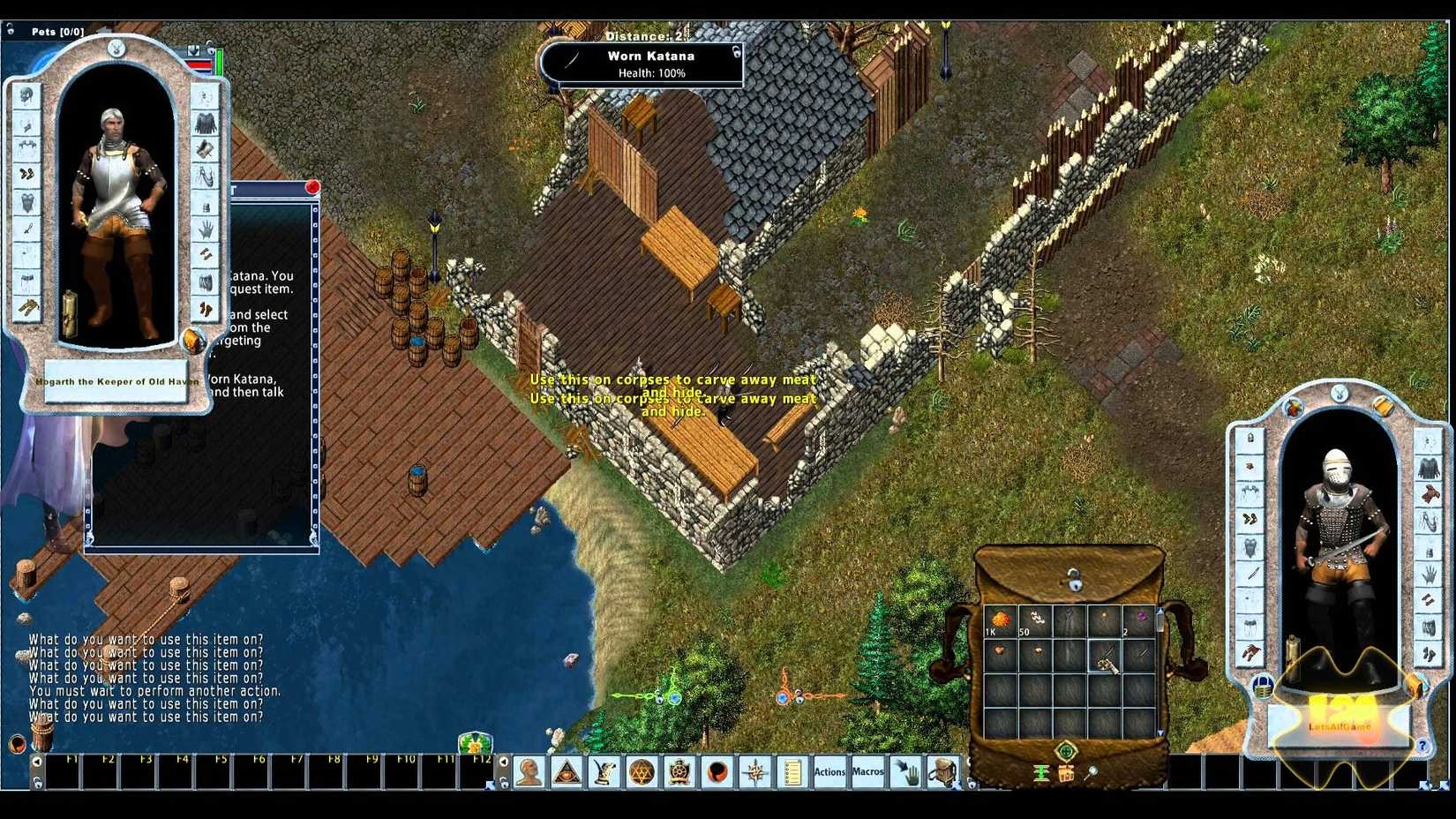
That is worth remembering when the word “dormant” gets attached to the whole franchise. The single-player series has gone a long time without a new numbered installment, but the online game has players, developers, and an ongoing service. Garriott’s expected copyright recovery should not be mistaken for an announced takeover of that service.
It is also possible to enjoy the ownership story without turning it into a prediction about a new MMO. Rereleasing early adventures, making a new single-player RPG, and running a persistent online world are very different jobs. Garriott has mentioned possibilities; we do not yet have the project announcement that tells us which one he will pursue.
You do not have to wait until 2027 to go back
While the negotiations continue, there are already ways into the older games. GOG’s Ultima VII Complete Edition brings together The Black Gate, Forge of Virtue, Serpent Isle, and The Silver Seed. It is a sizable collection of places to get lost in before anybody announces a new one.
The community has done a great deal of work, too. Exult recreates the Ultima VII engine for modern systems using the original game’s data, plot, and graphics. It is not a free replacement for buying those commercial games. xu4, meanwhile, provides a modern recreation of Ultima IV and documentation for getting it running. These projects have their own developers and histories, independent of the current negotiations.
A thoughtful official rerelease could still offer something welcome: a clear starting point, good documentation, sensible controls, and care over what is changed. The old games do not need to have every unusual habit polished away. Some of those habits are the reason people are still talking about them.
For now, Lord British is discussing a return to the work that made him Lord British. There is no new Ultima box to preorder and no confirmed handover of the entire franchise. But after years of wondering whether the next visit to Britannia would ever happen, hearing its creator talk about another one is enough to make an old map worth unfolding.