Retro Replay Retro Gaming History, Reviews & Emulation
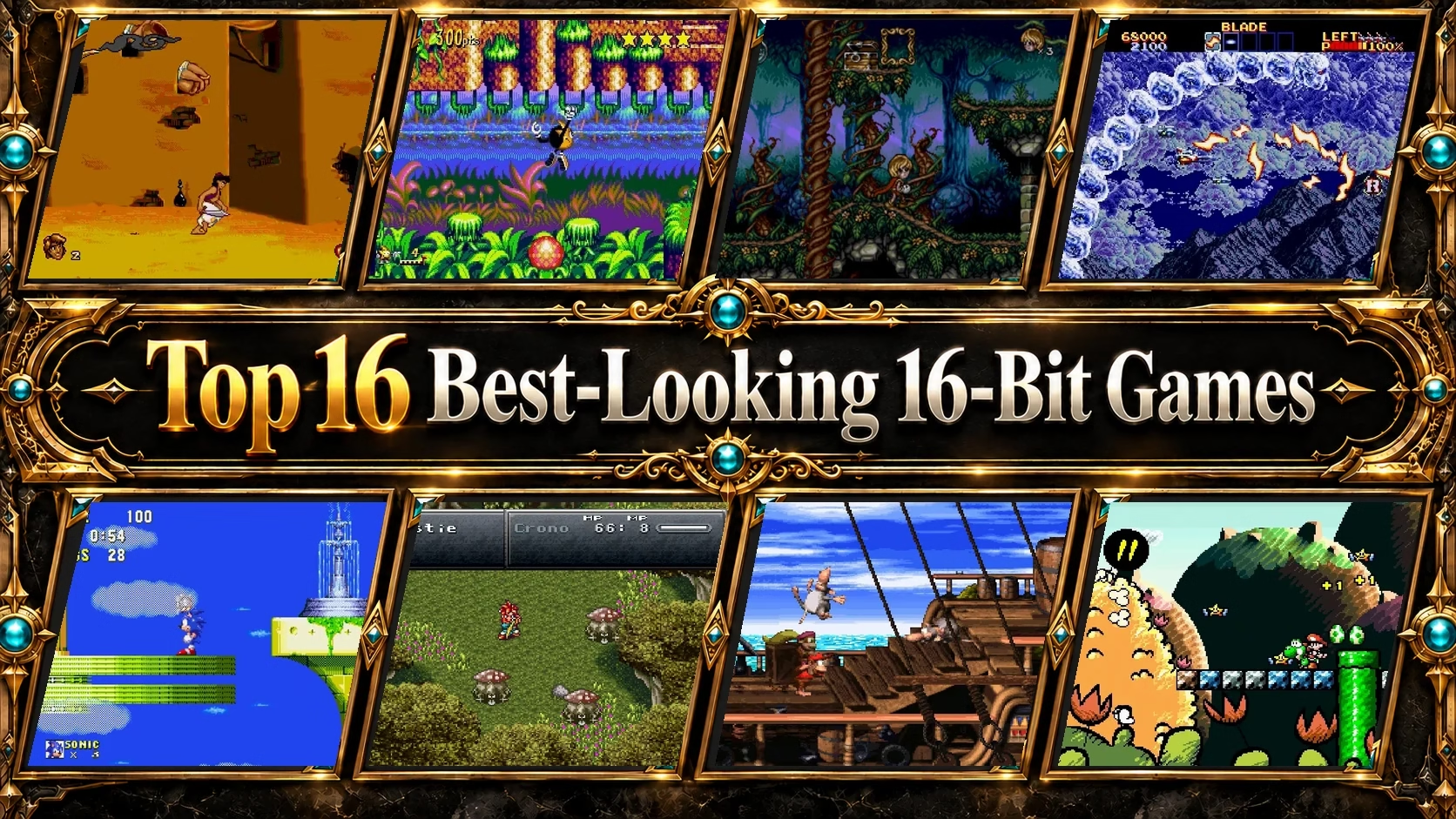
Aladdin springs over a guard, Ristar reaches halfway across the screen, and Yoshi walks through a landscape that looks as though somebody left the crayons out. Put these games beside one another and the variety is wonderful. Sixteen-bit hardware could produce a convincing cartoon, a dense fantasy painting, or a comic page that wanted to punch you back.
Some of the best moments only make sense in motion. Thunder Force IV sends its scenery sliding past at different speeds, Gunstar Heroes turns a boss fight into an animated machine, and Donkey Kong Country 2 lets lively characters loose in a surprisingly gloomy world. Then there are games like Flink, where stopping to look at a tree is a perfectly reasonable use of your time.
And hey… if you would rather watch than read, we have the video here for you also!
This is Retro Replay’s Top 16 Best-Looking 16-Bit Games, ranked for the combination of artwork, animation, effects, and how convincingly those pieces work together while you play. It is a personal selection rather than a hardware benchmark. We are showing the original sixteen-bit versions, including Super Famicom releases and Sega CD’s Flink, with platform labels so that a different port does not sneak into the comparison.
#16: Disney’s Aladdin
Platform: Sega Genesis
The linked database entry covers the Amiga port. This selection and footage feature the Genesis original.
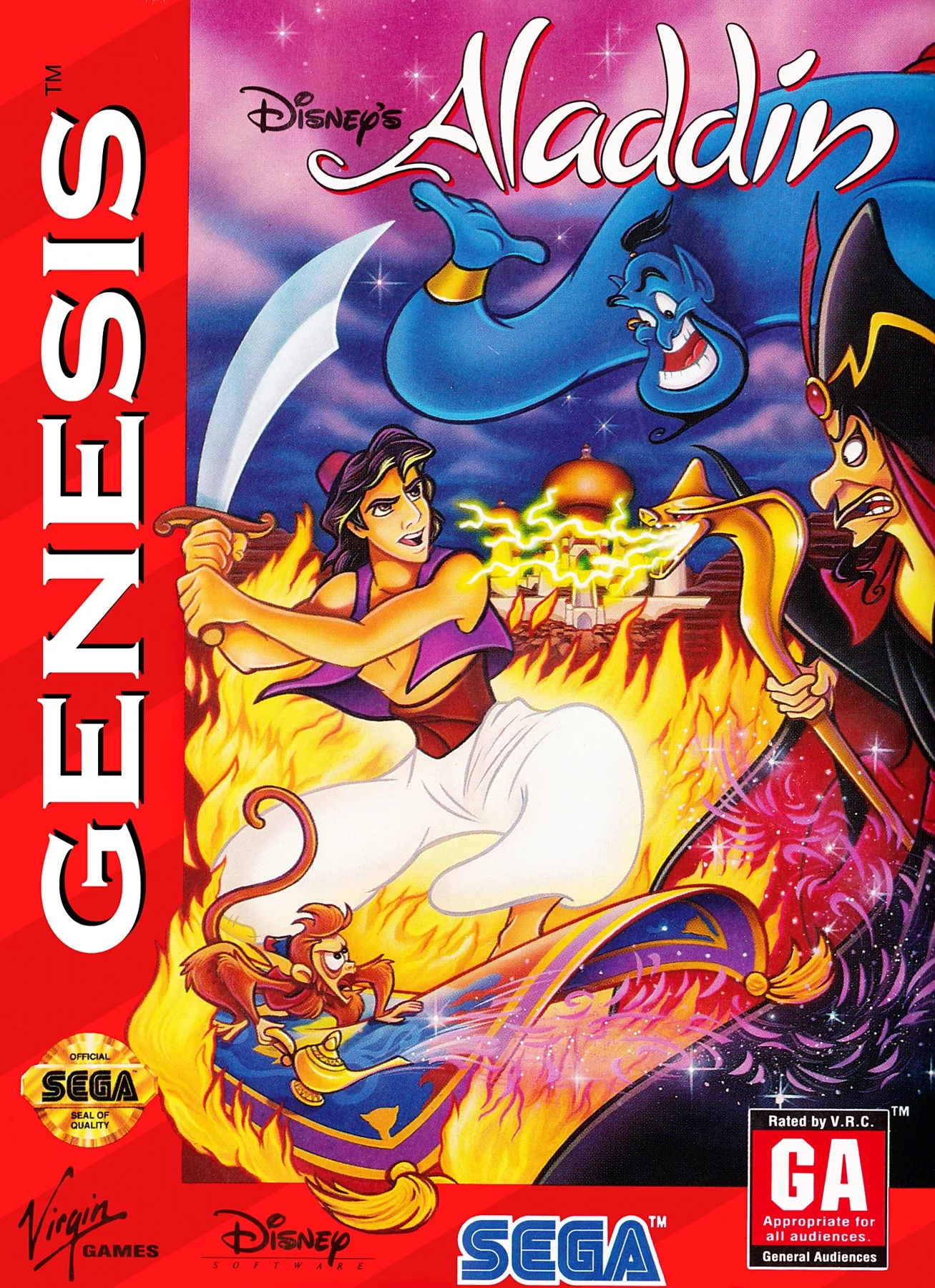
Aladdin vaults over a guard, catches a ledge, and lands with the loose, exaggerated movement of a cartoon character. His trousers billow, enemies pull wonderful faces, and even a moment spent standing still has personality. The Genesis version makes the familiar trip through Agrabah feel delightfully lively.
The backgrounds give that animation somewhere worth visiting. Warm stone, hanging fabrics, rooftops, and cavern walls build scenes that are easy to recognize without becoming flat movie backdrops. The Cave of Wonders changes the palette and mood while keeping the same confident outlines.
This pick is specifically Virgin’s Genesis game, which looks and plays differently from Capcom’s Super Nintendo adaptation. It earns its place through expressive drawing and movement rather than sheer screen clutter. Watch an enemy react to an apple and the appeal is immediate.
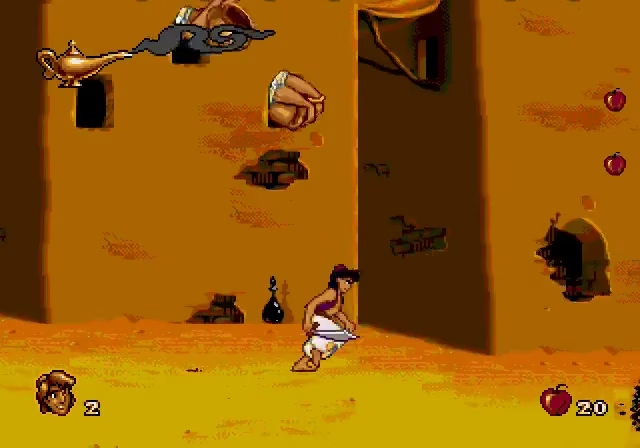
#15: Ristar
Platform: Sega Genesis
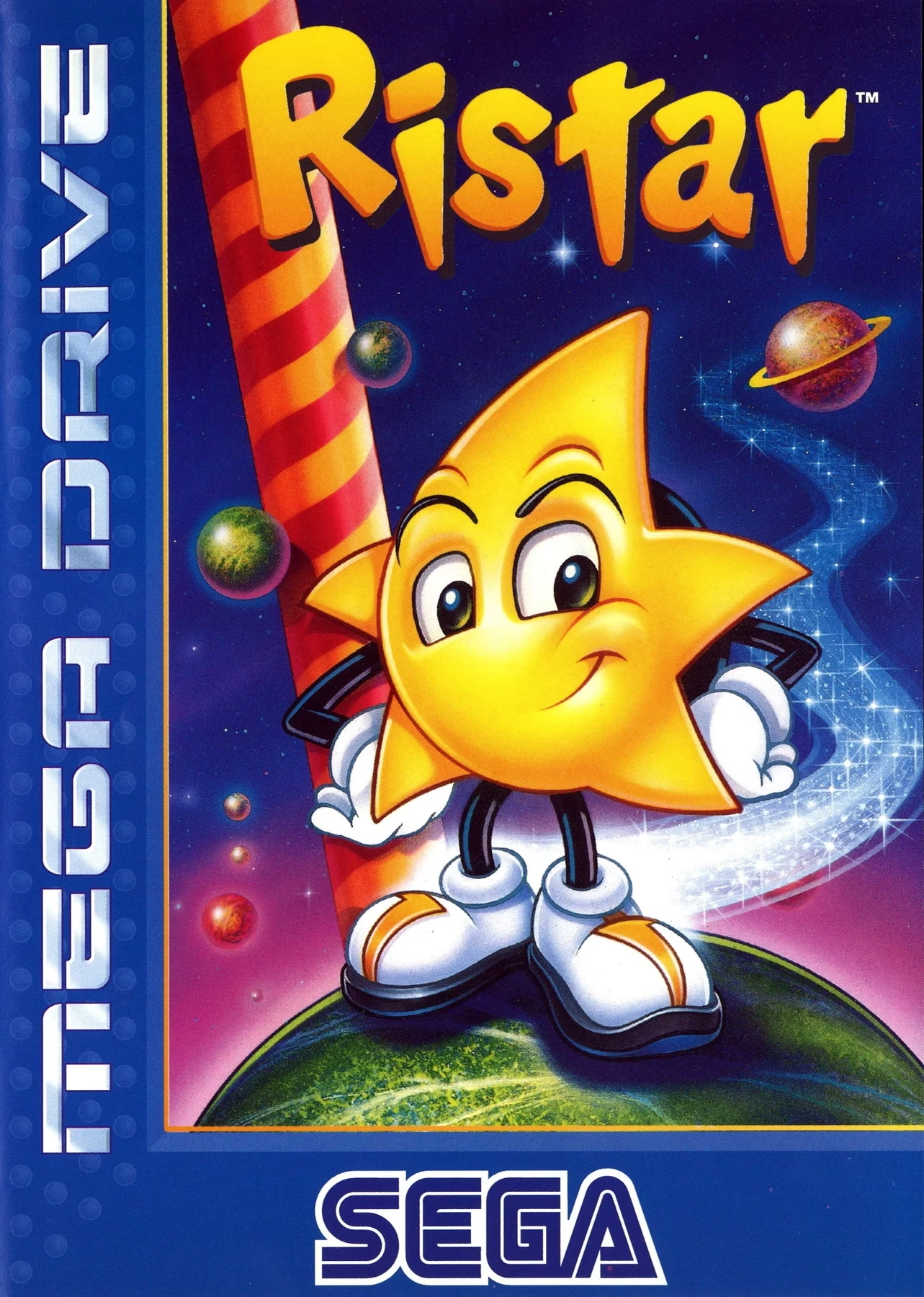
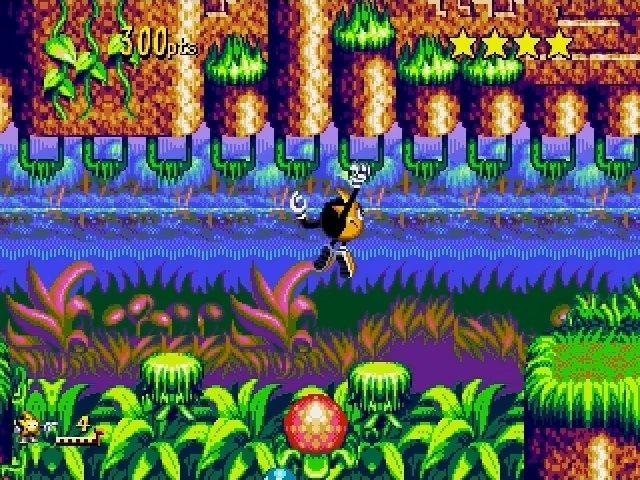
Ristar reaches for an enemy with those enormous stretchy arms, pulls himself forward, and turns a simple collision into a little performance. His face and body do a surprising amount of work. The game can be charming before you have cleared its first screen.
Each planet brings a different arrangement of colors, shapes, and background details. Woodland scenery gives way to water and otherworldly locations without the adventure losing its welcoming look. Foreground objects and distant scenery give the stages depth while leaving room to read the next jump.
There is a lovely balance between the big, readable characters and the busy worlds around them. Ristar can fill a screen with color without burying you in it. It is an especially good game to pause, inspect, and then watch come alive again.
#14: The Misadventures of Flink
Platform: Sega Genesis / Sega CD (Sega CD footage)
Game reference: an interview with Flink artist Henk Nieborg. Footage shows Sega CD.
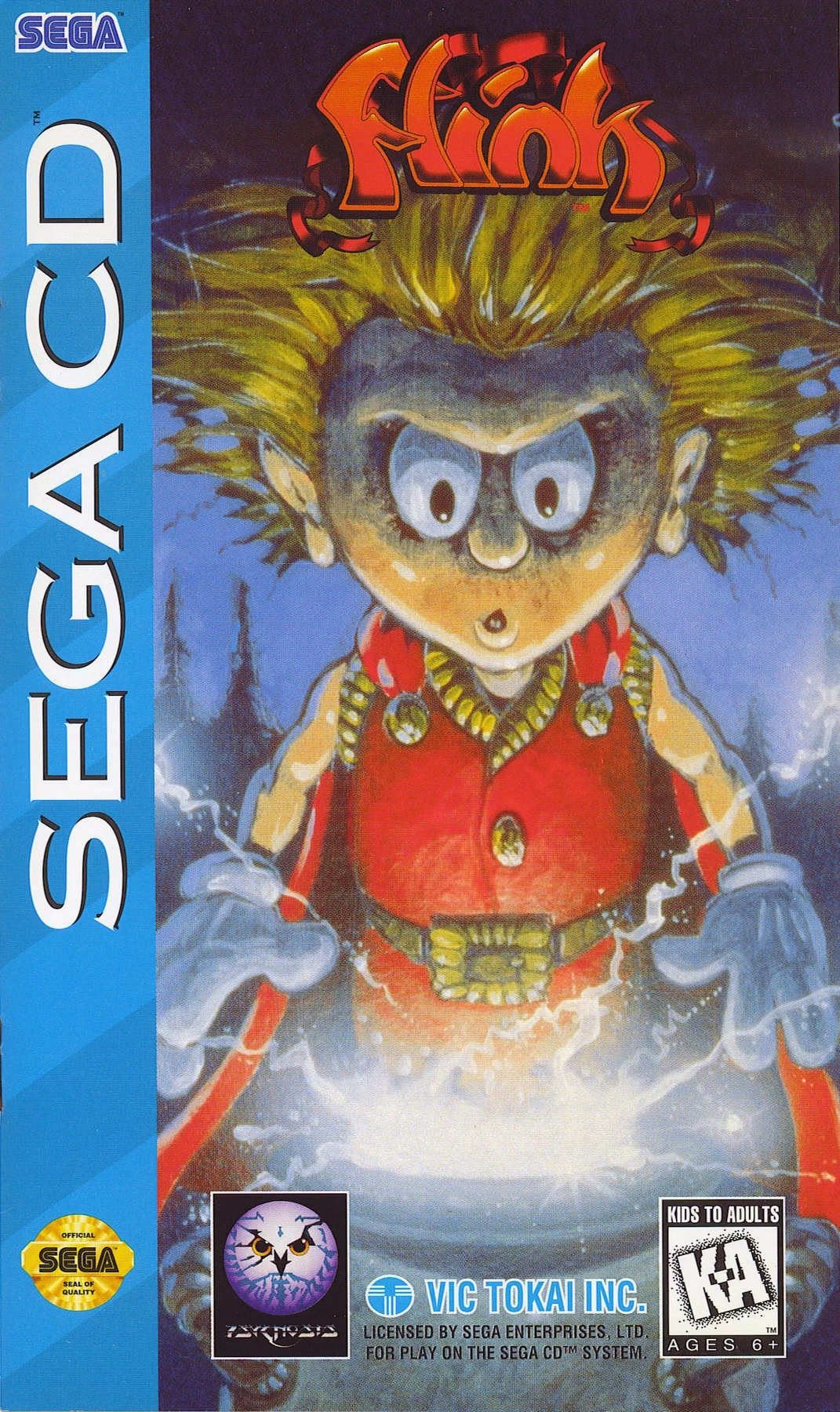
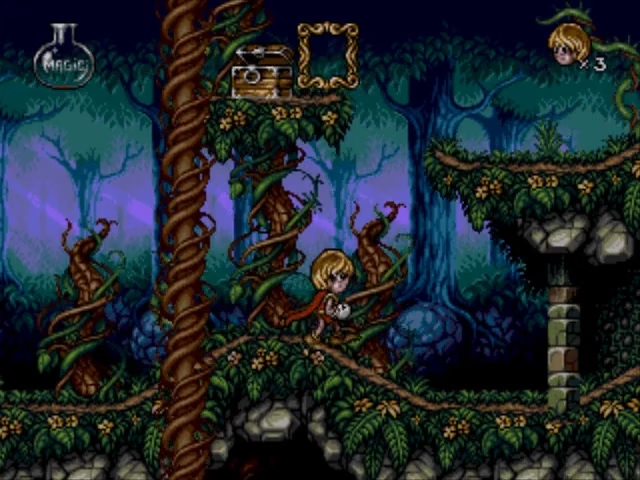
Flink walks into scenery that looks as though someone painted every root and leaf with a very small brush. Twisted trees, textured stone, and dense vegetation make the landscape feel substantial. The little wizard fits into it with a wonderfully exaggerated silhouette.
The environments deserve more than a quick sprint. Foreground branches frame the action, paths wind through detailed surroundings, and the colors carry the same earthy storybook mood from one area to the next. Flink’s animation keeps the character from getting lost in all that scenery.
Our footage uses the Sega CD edition. The Genesis release belongs in the same conversation, but the label identifies the version on screen. Whichever edition you remember, Flink remains a wonderful example of fantasy artwork giving an adventure its own recognizable place.
#13: Super Turrican 2
Platform: Super Nintendo
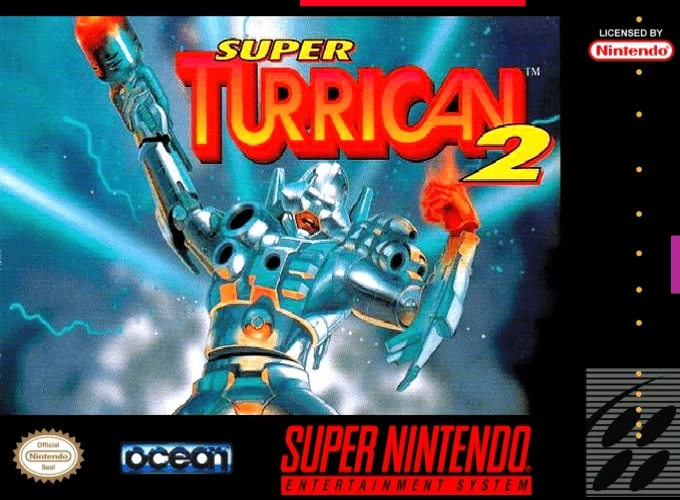
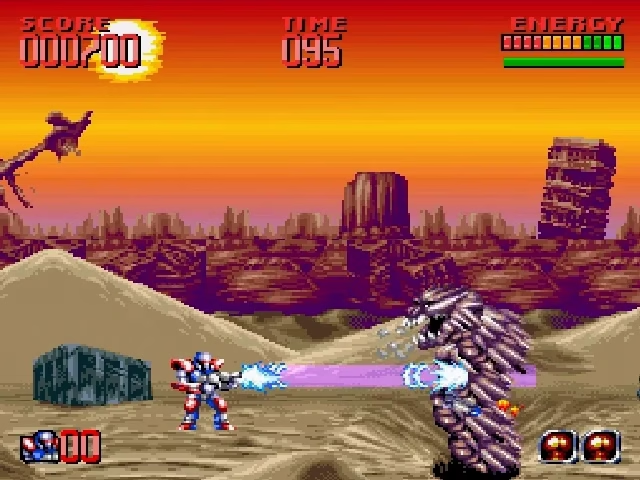
Super Turrican 2 rarely leaves its hero alone with a quiet background. Vehicles, heavy machinery, and enormous enemies keep changing the scale of the action. You can be concentrating on a relatively small jump when something much larger arrives to interrupt it.
Scrolling layers and dramatic movement make the stages feel active beyond the immediate firefight. The vehicles are particularly good at selling momentum, with scenery rushing past while you try to keep track of incoming danger. Explosions give those encounters a satisfyingly excessive finish.
Its spectacle has a harder mechanical edge than the softer platform adventures elsewhere on this list. Metal surfaces, industrial scenery, and outsized bosses make it a distinctive Super Nintendo showcase. A screenshot catches the detail, but movement supplies much of the excitement.
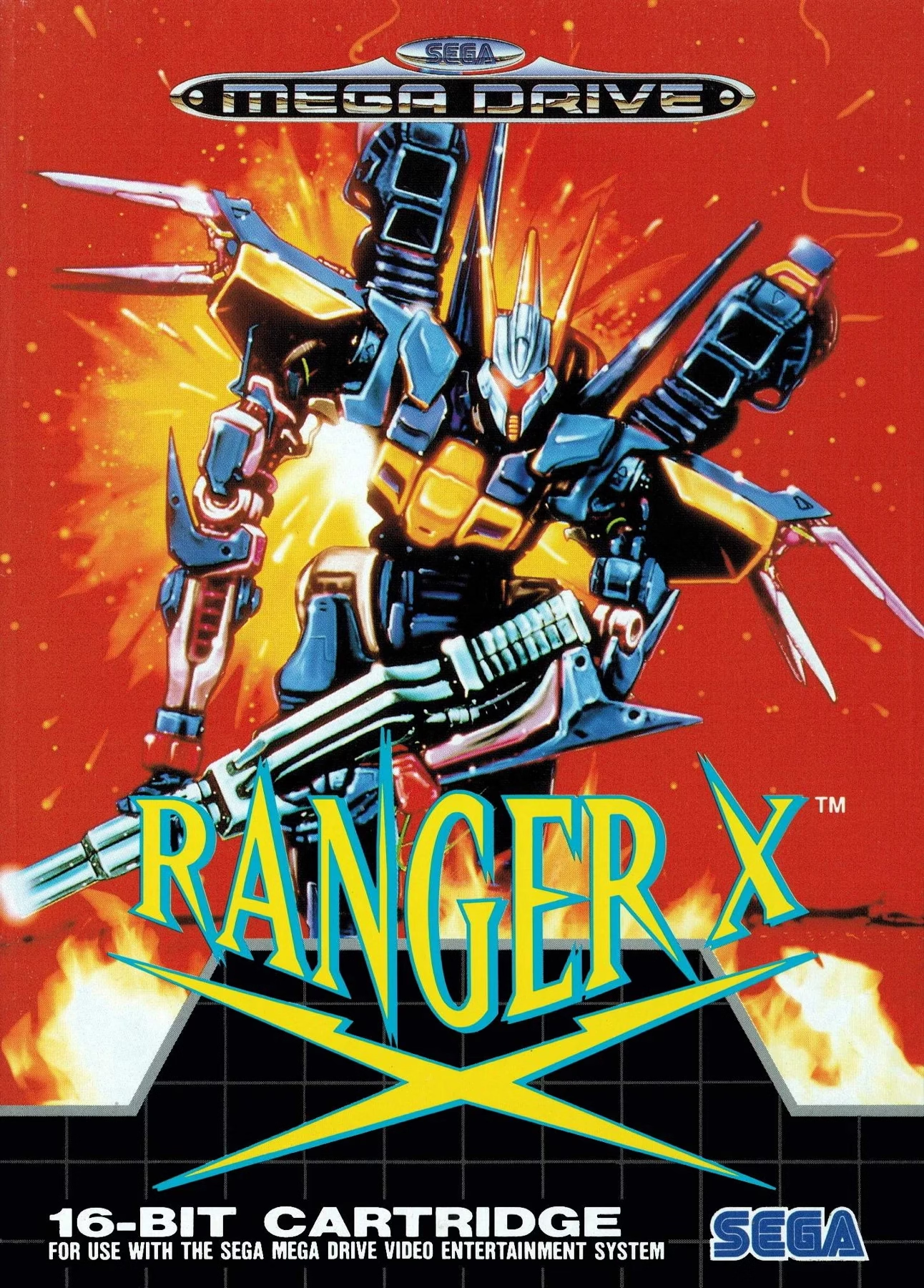
#12: Ranger X
Platform: Sega Genesis
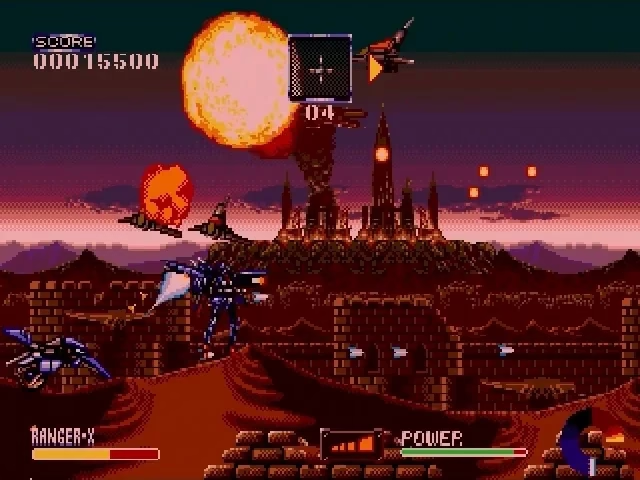
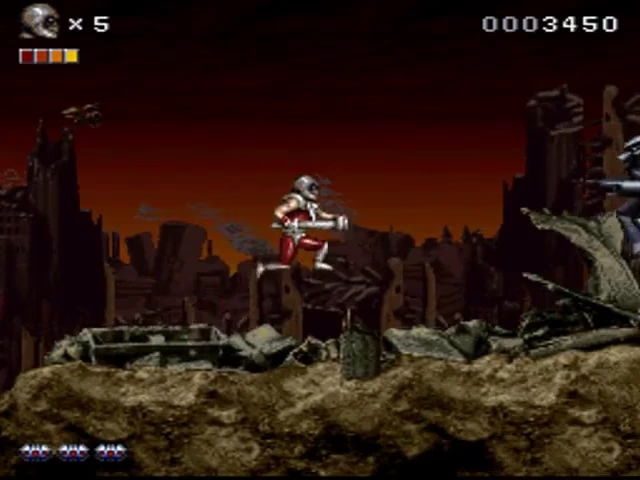
Ranger X puts a flying armored suit beside a support vehicle and lets the battlefield grow around them. The machines have weight, and the scenery provides room to appreciate their size. A launch into the air can turn an ordinary exchange of fire into a much grander scene.
Background layers, strong silhouettes, and shifts in light help separate the player from the mechanical clutter. Enemies can occupy a large part of the screen without turning everything into an unreadable pile. It is dense artwork with a clear sense of where your eyes should go.
The Genesis has plenty of games with impressive individual effects. Ranger X is especially convincing because its machines, environments, and movement share the same muscular style. Watch the support vehicle alongside the airborne suit and the whole arrangement feels unusually ambitious.
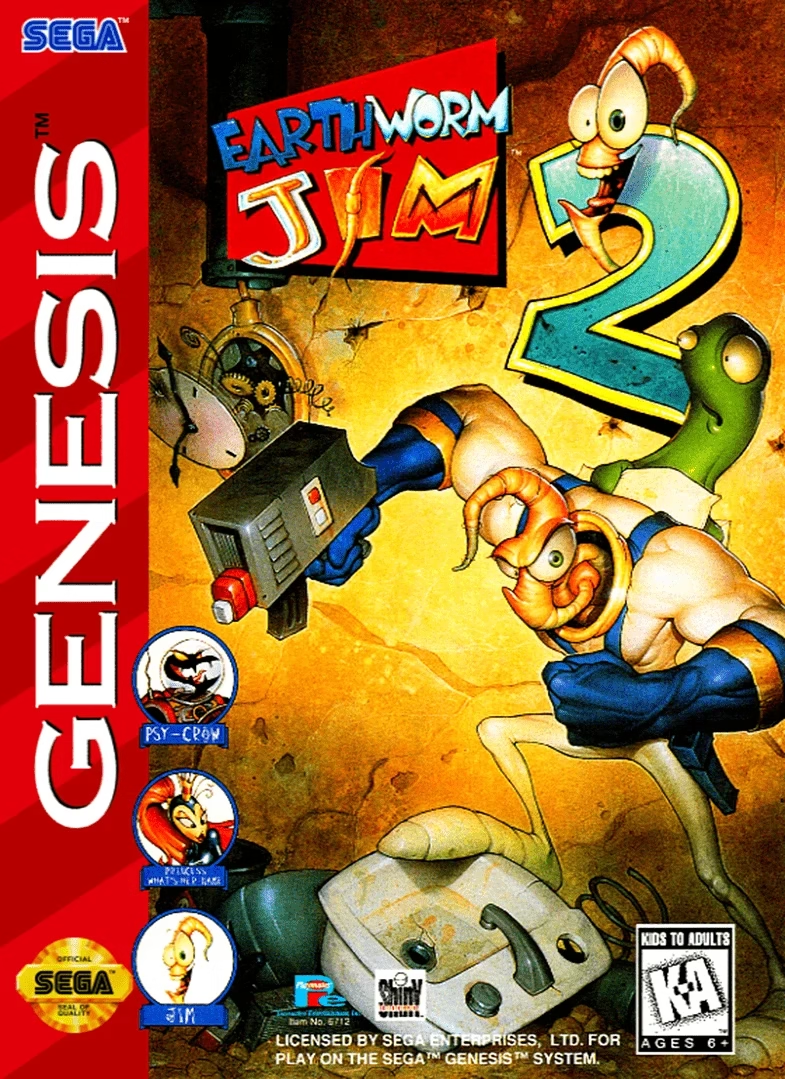
#11: Earthworm Jim 2
Platform: Sega Genesis / Super Nintendo (Genesis footage)
The linked database entry covers the Game Boy Advance port. This selection covers the Genesis and SNES originals; footage shows Genesis.
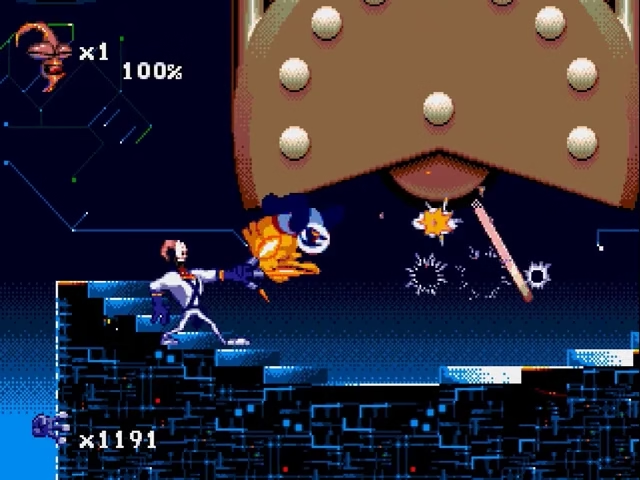
Jim stretches out, snaps back, and barrels into another scene that looks completely unreasonable. Earthworm Jim 2 makes a virtue of characters refusing to hold a sensible shape. Faces, bodies, and reactions are drawn broadly enough that a quick animation can become the joke.
The scenery keeps changing the visual rules around him. Familiar platforming sits beside stranger detours, and the artists seem happy to give the next sequence a completely different mood. The detail is considerable, but the elastic animation is what keeps pulling your attention back.
The footage here is the Genesis version; the Super Nintendo edition is also part of this pick’s appeal. These are the original sixteen-bit releases, not a later conversion. Jim’s ridiculous physical comedy remains the common attraction, even when platform differences change the presentation.
#10: The Adventures of Batman & Robin
Platform: Sega Genesis
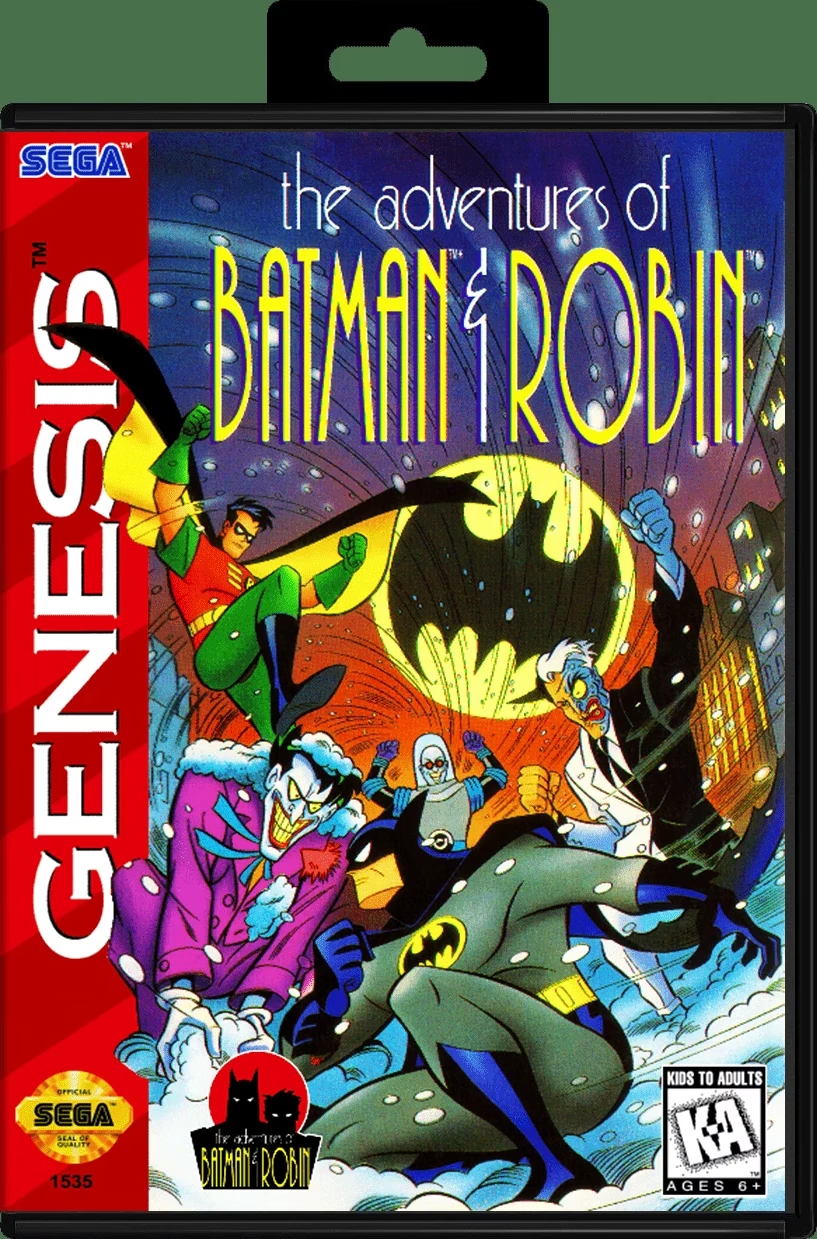
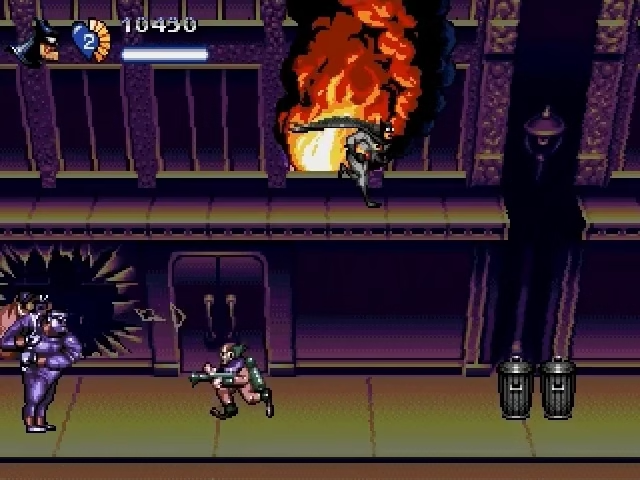
Batman steps into a Gotham that looks ready to consume the entire screen. Buildings, machines, and oversized encounters crowd around the small figure you are trying to keep alive. The Genesis game gives its animated-series inspiration a particularly aggressive electronic edge.
Its most memorable scenes keep the background moving as confidently as the foreground. Layered city scenery and dramatic changes in scale turn battles into elaborate set pieces. Lighting and color shifts can make a familiar stretch of screen feel suddenly unfamiliar.
This is the Genesis action game, rather than the separate Super Nintendo adventure or Sega CD release. Keeping that distinction matters when comparing its effects. It is often a demanding game to play, but there is plenty to admire while you are recovering from the latest attempt.
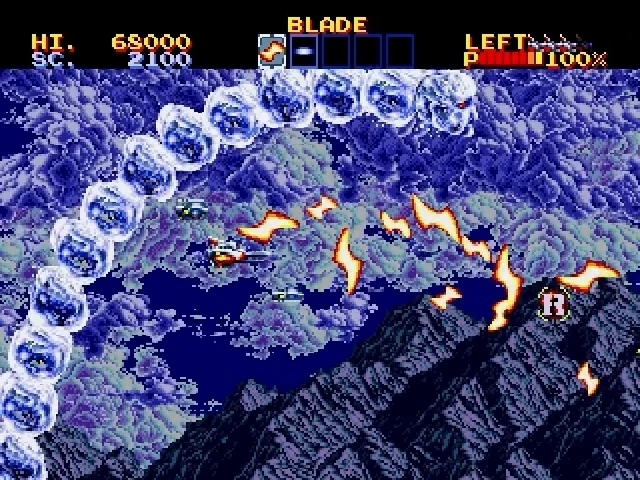
#9: Thunder Force IV
Platform: Sega Genesis
The database uses the North American title, Lightening Force: Quest for the Darkstar.
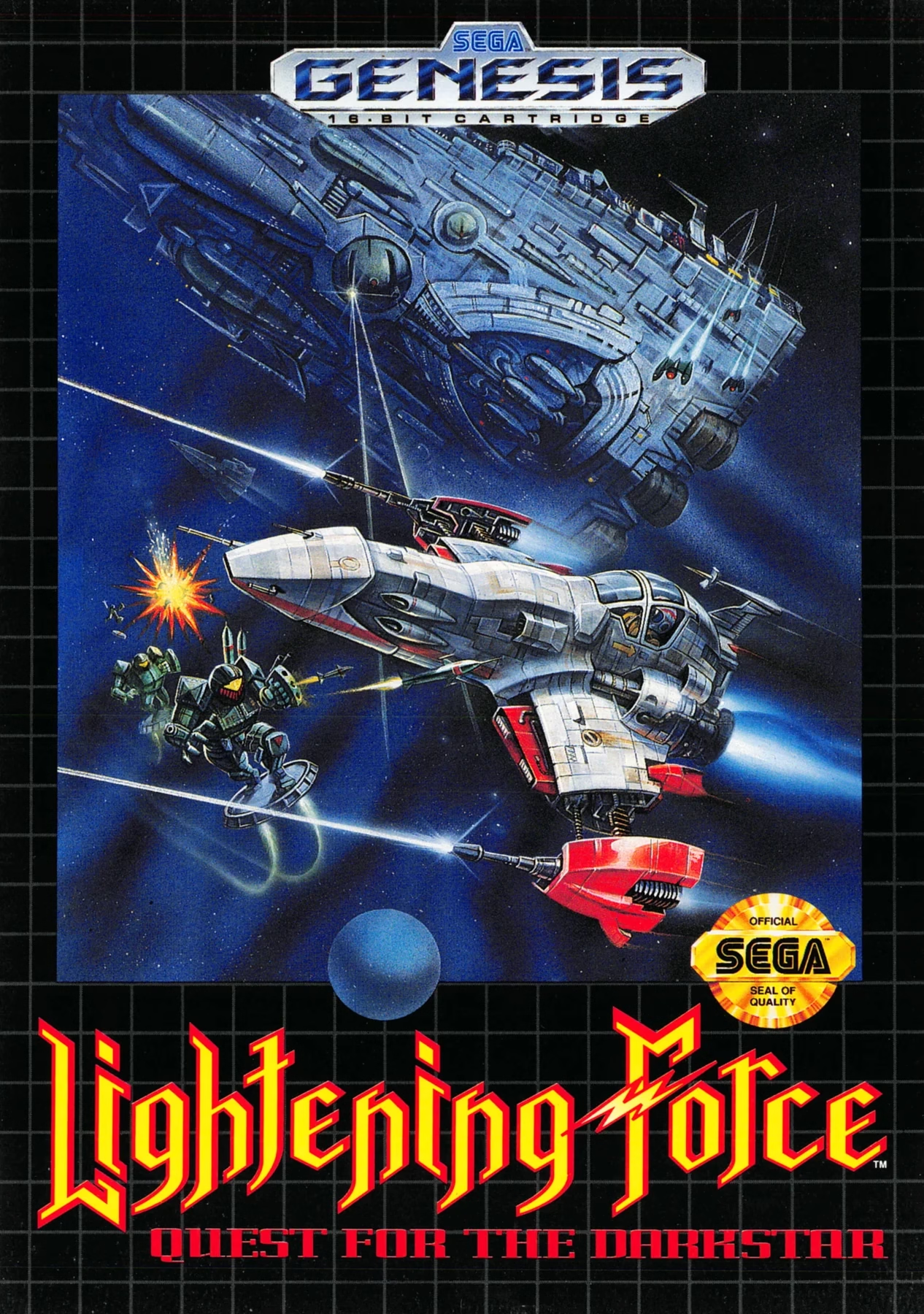
The ship moves across a battlefield that extends above and below the obvious route, while scenery slides past at different speeds. Thunder Force IV makes its environments feel much larger than the screen. Finding a safe line through them is another matter entirely.
Huge ships and mechanical structures give the action scale, but the smaller details matter too. Clouds, water, rock, and industrial surfaces change the texture of each encounter. The backgrounds remain worth looking at even when the foreground is doing its best to overwhelm you.
North American players may know it as Lightening Force: Quest for the Darkstar. Our Genesis label refers to the same original game family. Its visual appeal is at its strongest in motion, when the layered scenery and frantic shooting finally occupy the screen together.
#8: Rendering Ranger: R2
Platform: Super Famicom
Game reference: the publisher’s page for the re-release. This selection and footage feature the original Super Famicom game.
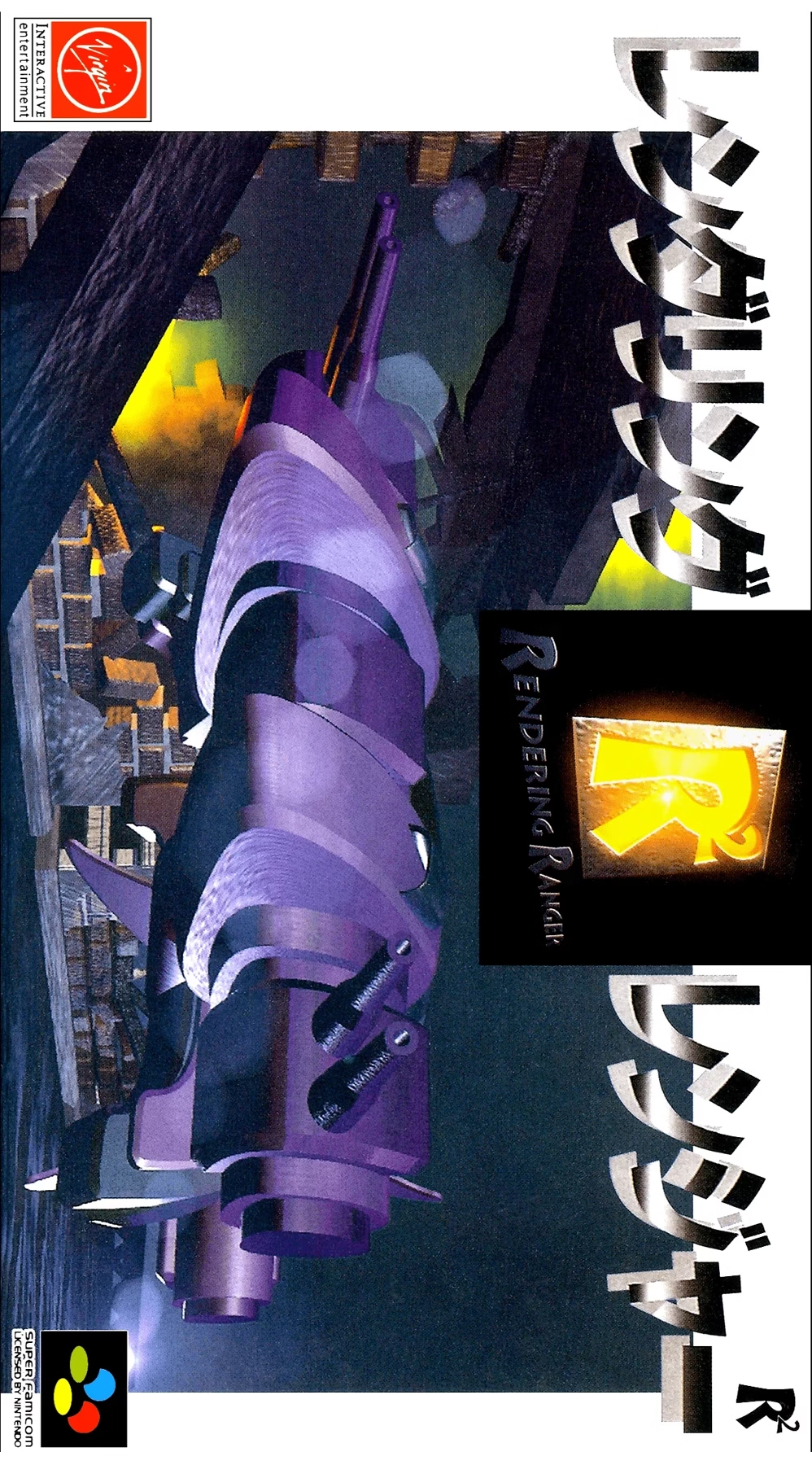
Rendering Ranger: R2 sends a soldier into an invasion, then opens the spectacle up into horizontal shooting stages. Mechanical enemies and enormous bosses supply much of its identity. There is a polished, modeled quality to the artwork that sets it apart from more traditionally drawn action games.
The screen can become a noisy arrangement of enemy formations, projectiles, and expanding explosions. Even in a short excerpt, the switch between a small player character and a huge threat is striking. The machinery looks built for a game that intends to be noticed immediately.
We are showing the original Super Famicom release, marked SFC, rather than footage of a modern remake. Its rarity has sometimes dominated the conversation, but the actual action deserves attention. The imposing bosses and busy shooting sections give you plenty to watch without checking a price guide.
#7: Gunstar Heroes
Platform: Sega Genesis
The database currently files this game under Arcade. This selection and footage feature Genesis.
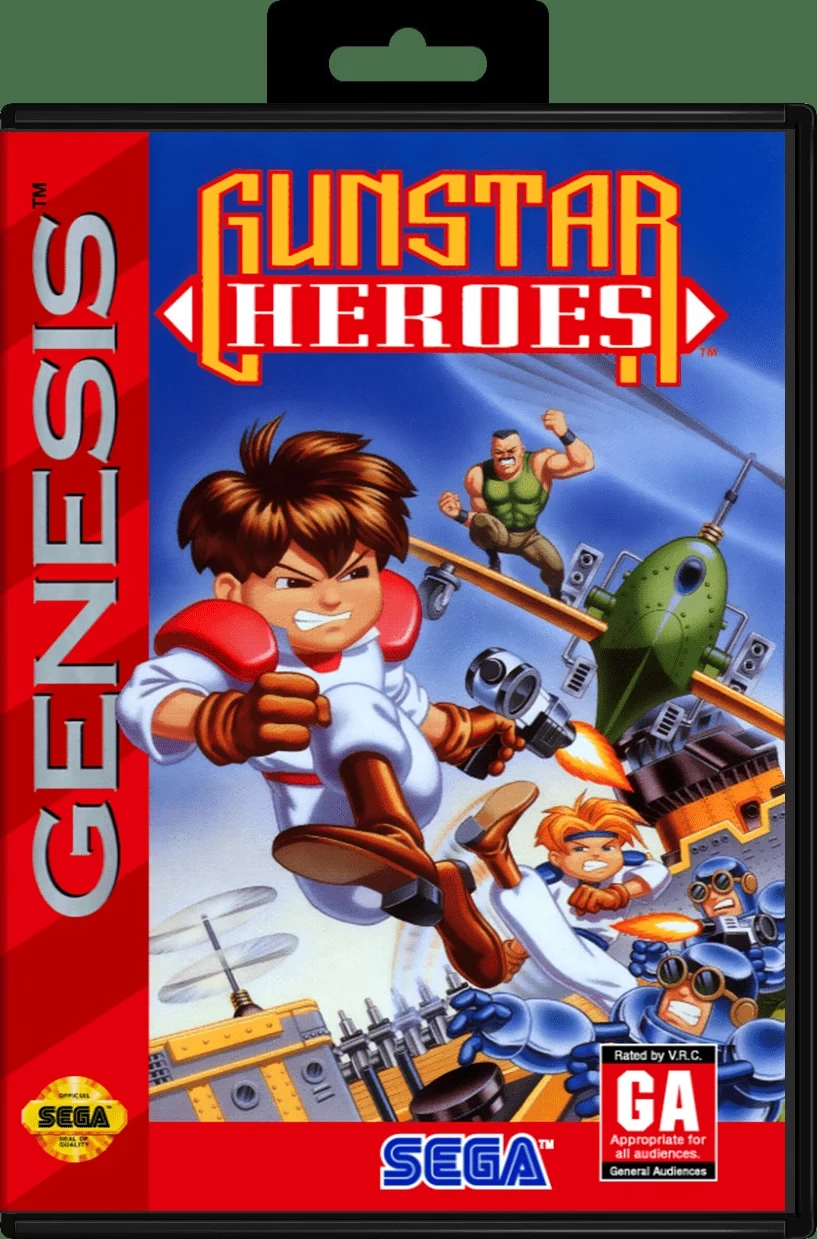
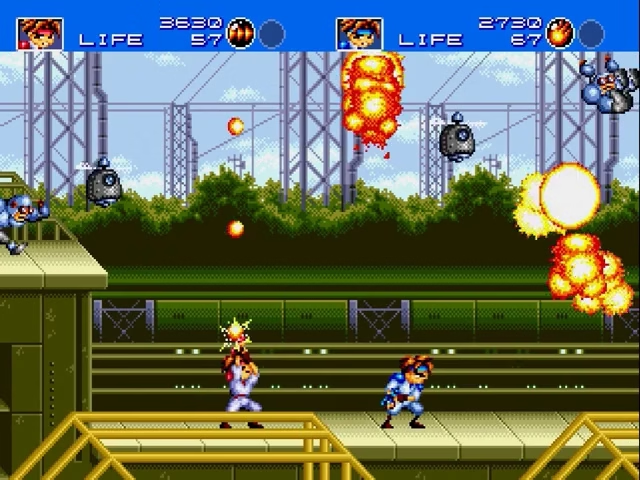
Grab an enemy in Gunstar Heroes and the action becomes gloriously physical. Characters tumble, spin, and fly through stages that seem unable to stay still. The animation gives even a routine fight an exuberance that suits the game’s ridiculous weapons.
Boss encounters push that energy much further. Large machines change shape, articulated parts swing through the battlefield, and the player keeps moving around the spectacle. The screen is full of activity, but strong colors and silhouettes help the important pieces remain readable.
Gunstar Heroes earns its spot through movement as much as individual artwork. A still frame cannot quite explain why throwing an enemy feels so satisfying or why another boss entrance makes you grin. The Genesis footage lets those animations do the talking.
#6: Sonic 3 & Knuckles
Platform: Sega Genesis
The linked entry covers Sonic the Hedgehog 3. This selection and footage feature its combined adventure with Sonic & Knuckles.
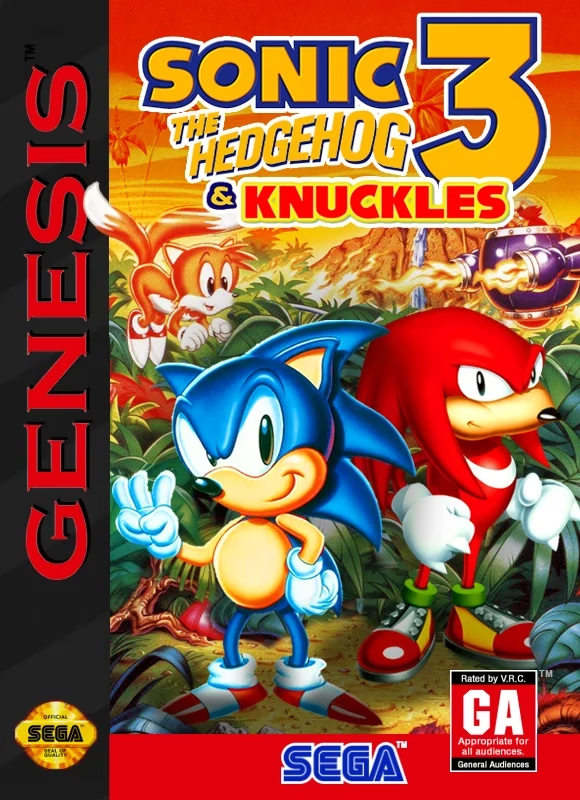
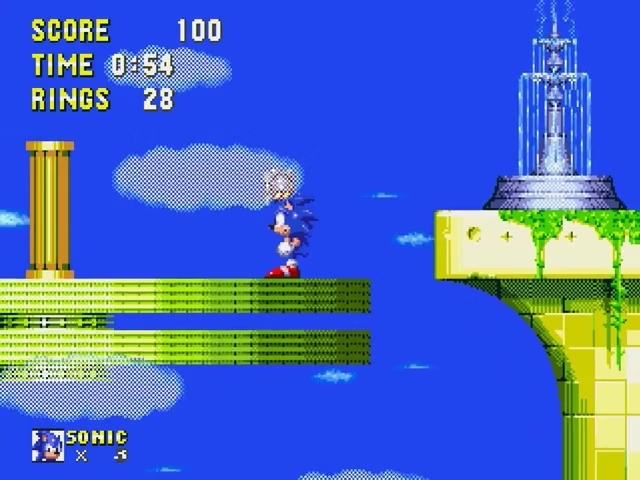
Angel Island changes around Sonic while he is still running through it. Fire, water, machinery, and shifts in scenery keep turning familiar routes into new situations. Sonic 3 & Knuckles gives its long journey a sense of place that survives all the speed.
The zones have strong visual personalities, from elaborate waterworks to glowing volcanic danger. Background layers make those spaces feel deep, while small animations keep scenery from becoming a static wall behind the action. Knuckles and Tails bring their own expressive movement to the same environments.
This entry covers the combined Sonic 3 and Sonic & Knuckles adventure. The footage comes from the combined game, rather than substituting Sonic & Knuckles alone. It is an inviting showcase for the Genesis because the visual variety lasts well beyond a single impressive stage.
#5: Seiken Densetsu 3
Platform: Super Famicom
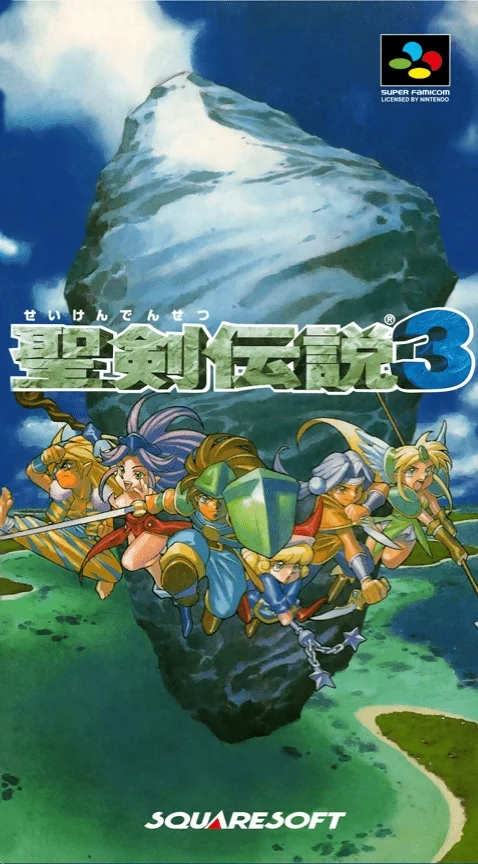
Walk into a town in Seiken Densetsu 3 and it is tempting to inspect the buildings before finding your destination. Roofs, plants, windows, and pathways have a lovely density of detail. The characters look comfortably at home inside that carefully drawn world.
Forests and other fantasy landscapes widen the palette without losing the clarity of the sprite work. Large enemies and bosses can become elaborate pieces of artwork in their own right. The smaller party members still remain easy to pick out against the surroundings.
The game was originally released for Super Famicom, which is why its on-screen label reads SFC. It later became officially known in English as Trials of Mana. Here we are celebrating the original pixel-art adventure, with its richly drawn places and distinct cast.

#4: Chrono Trigger
Platform: Super Nintendo
The linked database entry covers the Nintendo DS re-release. This selection and footage feature the Super Nintendo original.
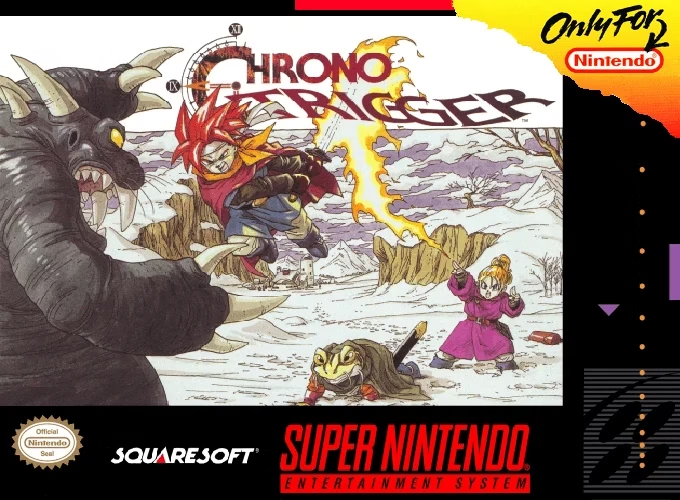
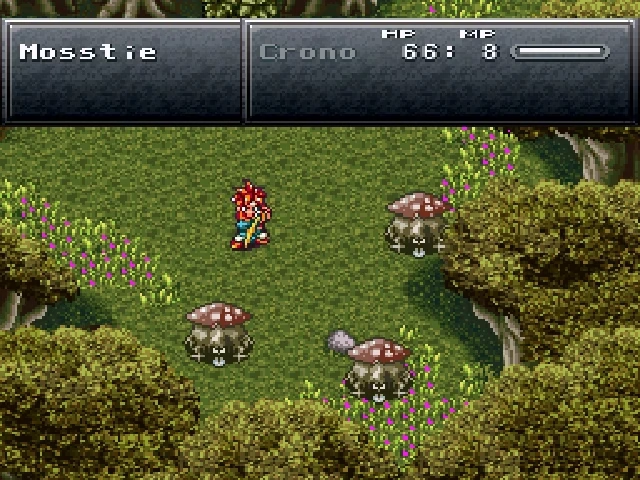
Crono’s journey can take you from a peaceful town to a ruined future without making either place feel like spare scenery. Chrono Trigger gives each period its own colors, architecture, and atmosphere. The pleasure of arriving somewhere new starts before anyone explains why you are there.
The characters are small, but their poses and reactions carry a great deal of personality. Battles preserve the connection between the party and the landscape instead of constantly whisking everyone into a separate setting. Effects add emphasis without making the underlying artwork disappear.
Its floating magical kingdom is an obvious visual highlight, but quieter streets and prehistoric greenery deserve attention too. The consistency is what impresses: very different places still belong to one adventure. Our footage shows the Super Nintendo original.
#3: Comix Zone
Platform: Sega Genesis
The linked database entry covers the Game Boy Advance port. This selection and footage feature the Genesis original.
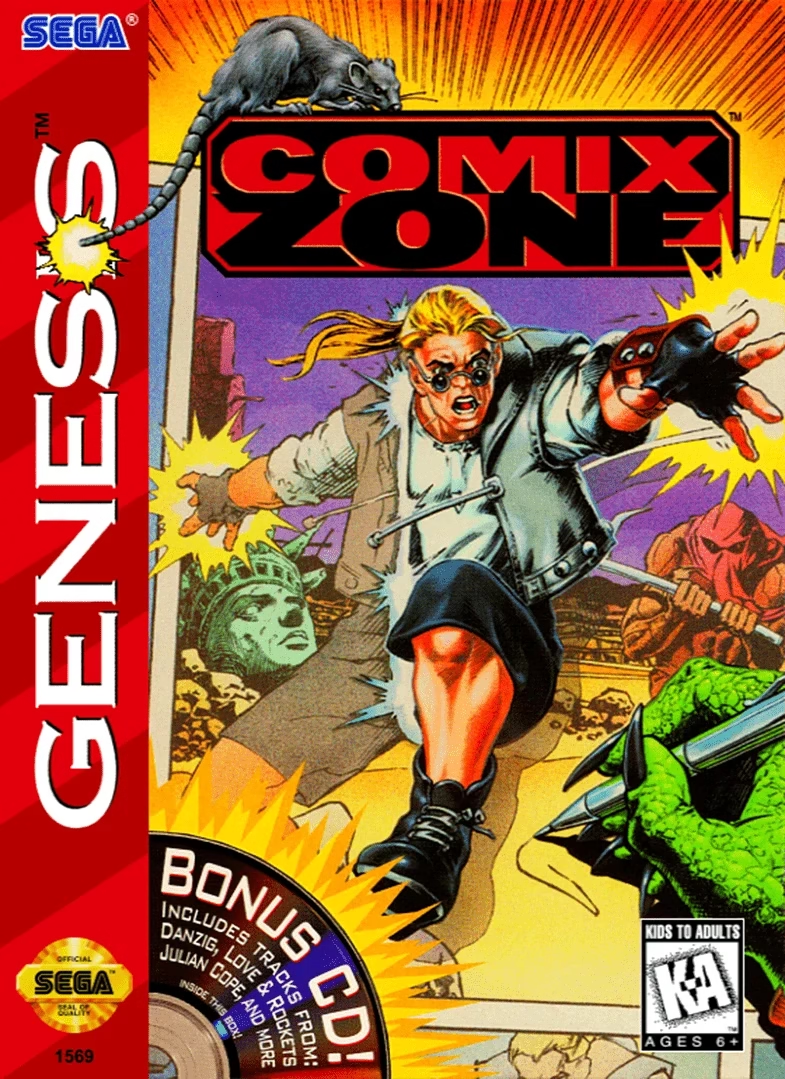
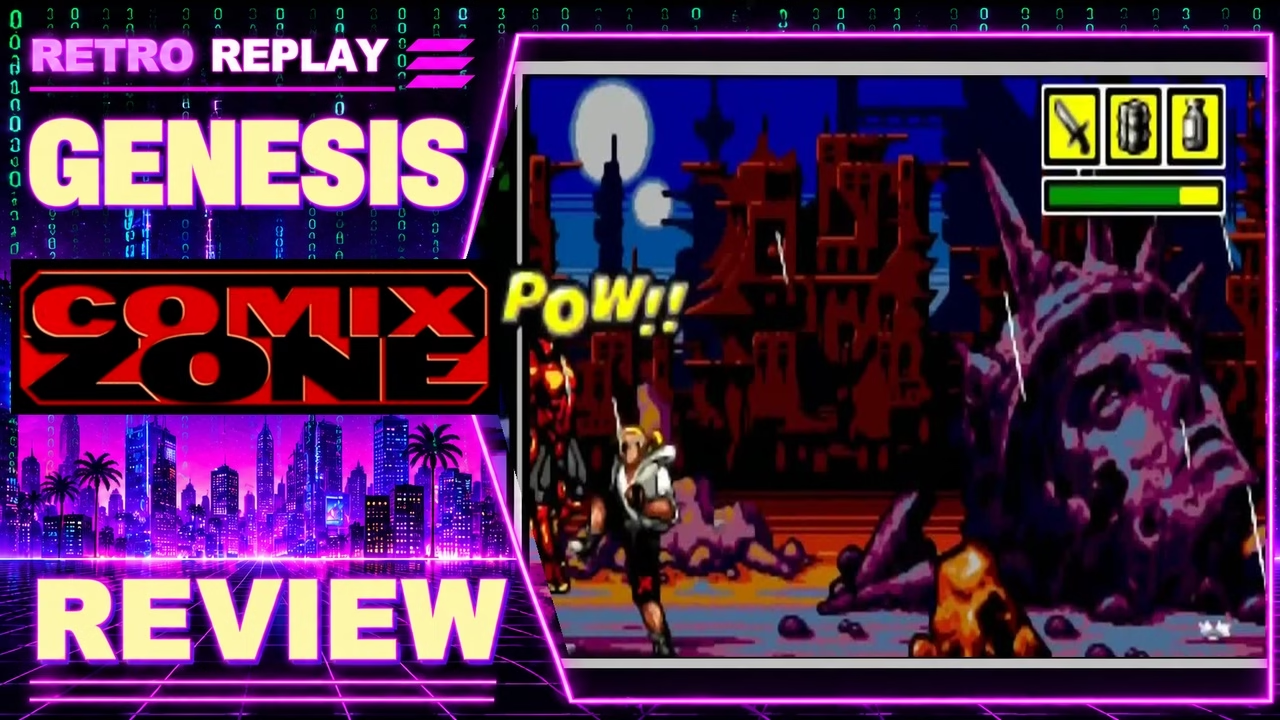
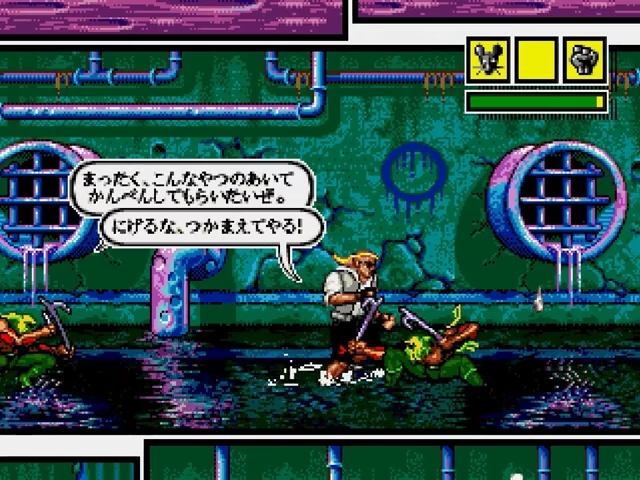
Sketch Turner moves between comic panels while the page itself becomes part of the fight. Borders, torn paper, and enemies appearing on the sheet turn ordinary transitions into visual events. Comix Zone makes its premise visible almost every time you change position.
Bold outlines and confident blocks of color give the characters a suitably illustrated look. The scenery has enough texture to suggest a printed world without becoming muddy. Animation supplies the weight when Sketch throws a punch or gets knocked across a panel.
The presentation is more than a decorative frame around a conventional level. The layout changes how the action is staged and how you read the next threat. This Genesis version remains one of the most immediately recognizable games in the countdown.
#2: Donkey Kong Country 2: Diddy’s Kong Quest
Platform: Super Nintendo
The linked database entry covers the Game Boy Advance port. This selection and footage feature the Super Nintendo original.

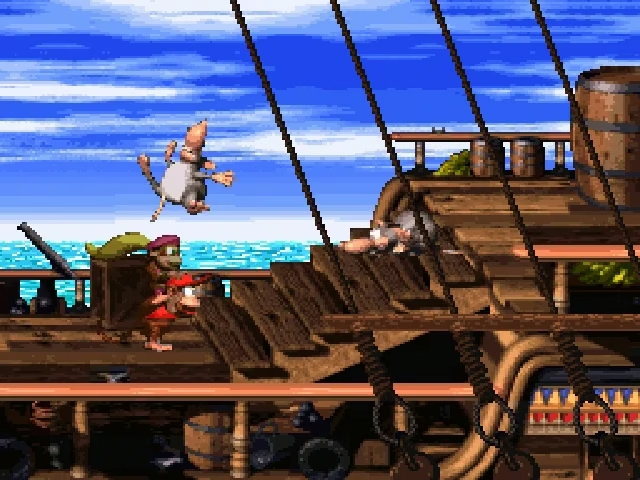
Diddy and Dixie step onto a pirate ship, and Donkey Kong Country 2 already feels different from its predecessor. Timber, rigging, and the surrounding water establish a rougher world. The characters’ animation keeps that darker scenery playful rather than lifeless.
Lava caverns, haunted woods, and amusement park rides give the adventure an unusually rich spread of locations. The pre-rendered artwork is carefully arranged into scenes with foreground detail and convincing depth. Atmospheric color choices make individual stages linger in the memory.
The Super Nintendo version is the focus here. Its strongest images often come from the meeting of a lively character animation and an ominous environment. Dixie floating through a dangerous stretch with her ponytail is a particularly good example of those two moods working together.
#1: Yoshi’s Island
Platform: Super Nintendo
The linked database entry covers the Nintendo Switch re-release. This selection and footage feature the Super Nintendo original.
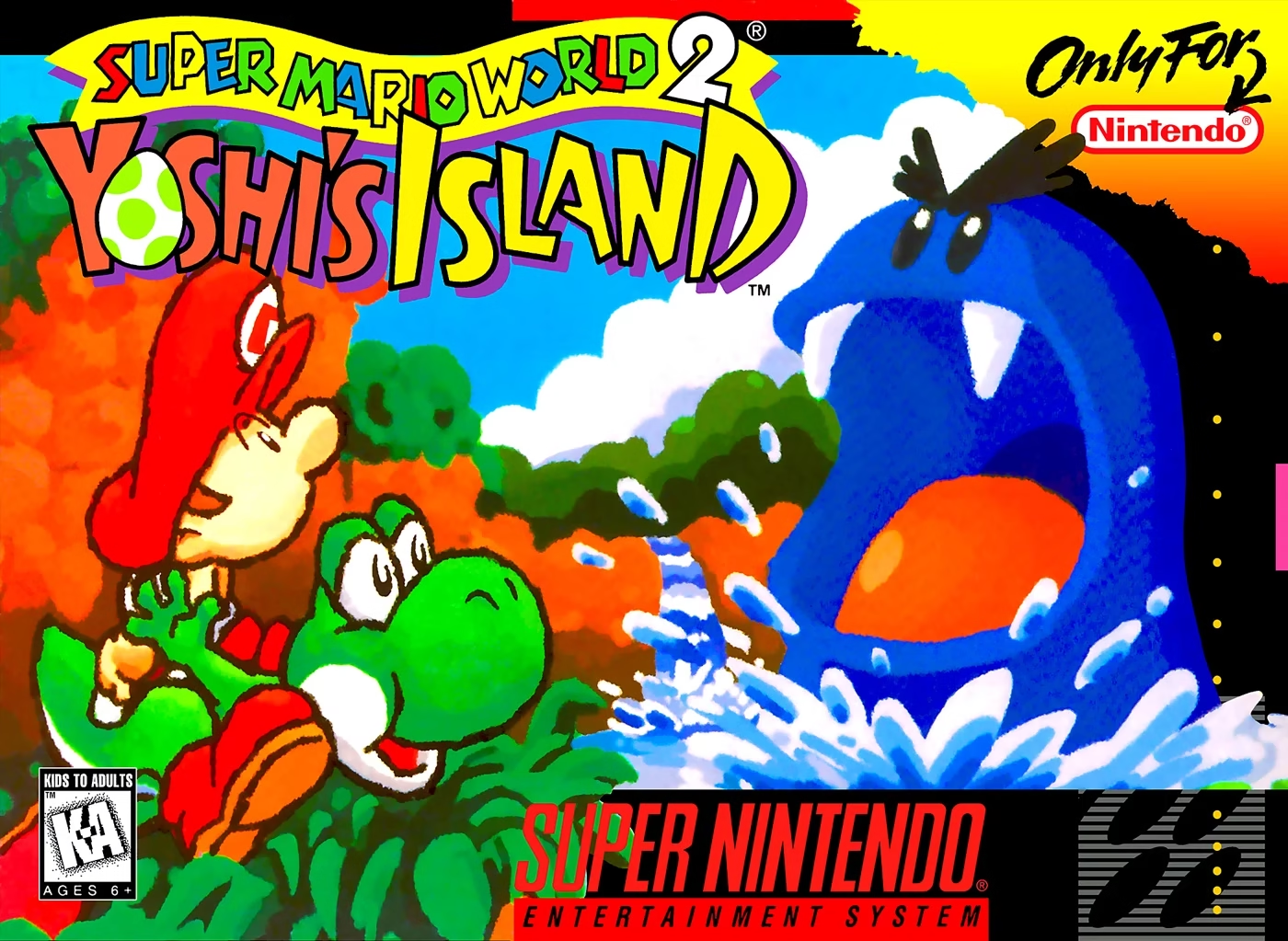
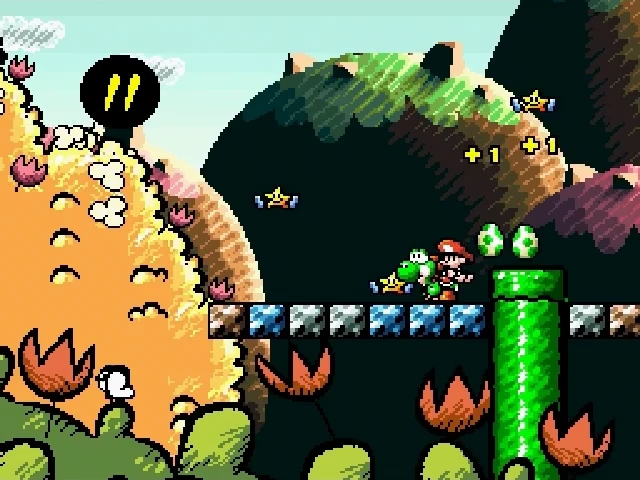
Yoshi walks into a landscape that looks colored by hand, and the familiar race for realistic surfaces suddenly seems beside the point. Rough edges, soft colors, and playful scenery give the island a character all its own. It is immediately inviting without looking plain.
The artwork can also become wonderfully unruly. Transformations change Yoshi’s shape, large enemies distort familiar proportions, and boss encounters turn a simple visual idea into something surprising. The effects belong to the same playful world as the crayon-like backgrounds.
Our number one is the original Super Nintendo game, Super Mario World 2: Yoshi’s Island. Its combination of expressive characters and distinctive scenery keeps the whole adventure visually coherent. A gentle landscape can turn into a spectacular encounter without ever feeling as though you changed games.
Which sixteen-bit game still catches your eye?
There is a good evening in picking two very different games from this list and moving between them. Try Comix Zone’s paper world beside Yoshi’s soft scenery, or follow Flink’s woodland detail with the machinery of Ranger X. Give each a few minutes to move before deciding what catches your eye. Which game would you move higher, and which beautiful sixteen-bit adventure should have joined the countdown?
If the original console is packed away, you can also revisit these games through emulation. Our emulation section covers the different systems and their setup options. Start with the platform named beside the game, use an image that preserves the original proportions, and resist the temptation to stretch the picture across a widescreen display. A little care with presentation makes those backgrounds and animations much easier to appreciate.