Retro Replay Retro Gaming History, Reviews & Emulation
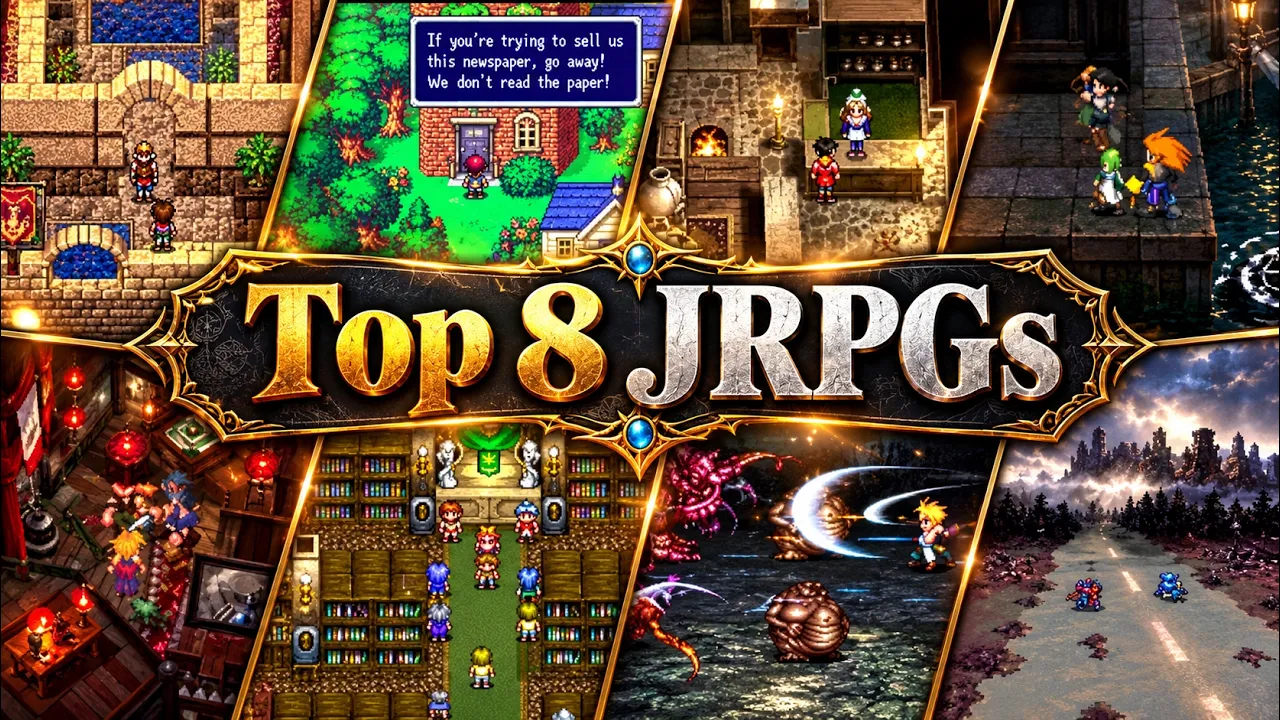
Eight incredible adventures, from the science-fiction sweep of Phantasy Star IV to the time-traveling brilliance of Chrono Trigger. This is Retro Replay’s countdown of the JRPGs that defined the genre for us. How many would make your list?
Would you rather watch than read? Put your feet up and watch our video countdown below. The write-up and game screens are here whenever you want a closer look.
#8 — Phantasy Star IV
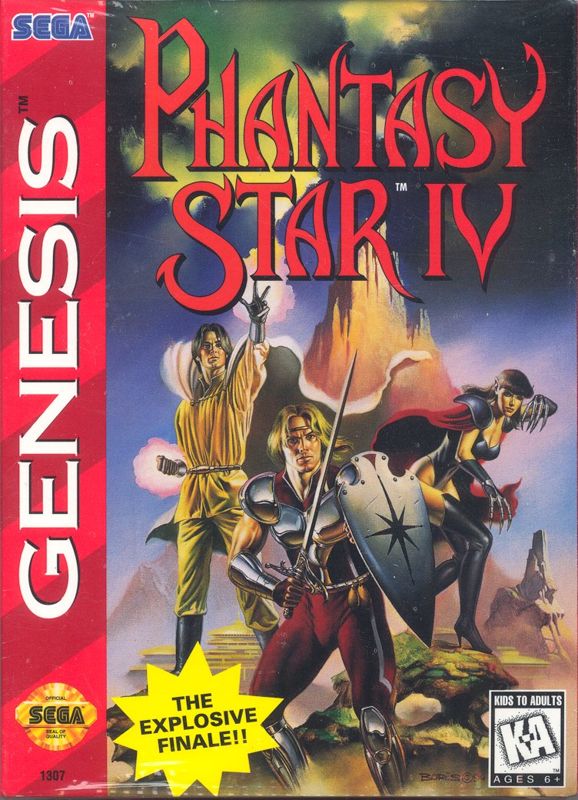
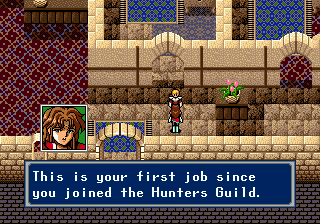
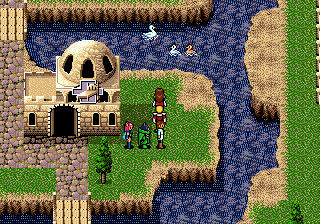
Sega’s Genesis swan song turned its science-fiction universe into a brisk, confident adventure. Chaz and Alys cross deserts, towns, and alien worlds while quick battles and manga-like story panels keep the journey moving. Combination attacks reward experimentation, and the spacefaring setting makes this feel distinct from fantasy-heavy peers.
The battle system is fast for a turn-based game, and the Macro feature lets you save party commands so familiar encounters do not become a chore. Techniques and combination attacks invite players to test how the cast works together. That mechanical pace matters in a long adventure: it leaves more room to enjoy the changing worlds and the next story reveal.
Phantasy Star IV also knows how to use presentation economically. Its comic-panel conversations give character moments an energy that ordinary text boxes could not, while the mix of technology, ancient ruins, and monsters gives Algol its own identity. For a Genesis RPG, it is remarkably assured about when to move quickly and when to let a moment land.

#7 — EarthBound
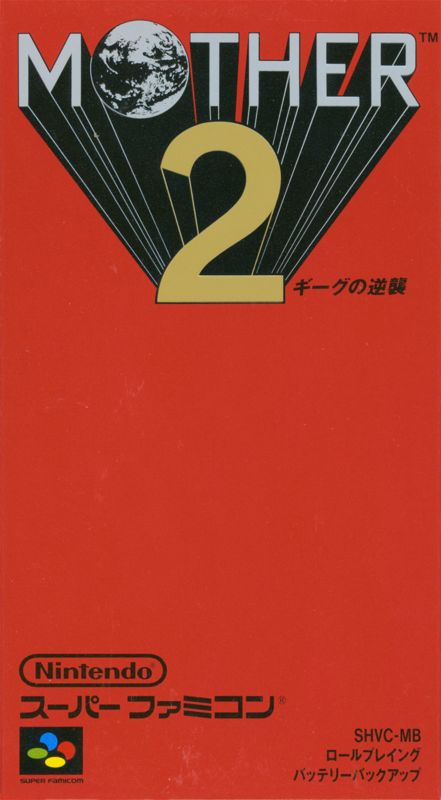
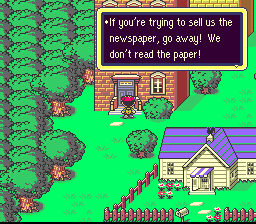
EarthBound makes the familiar strange. Ness starts in a quiet suburb, then encounters cultists, aliens, bizarre towns, and enemies that are funny and unsettling at once. Its rolling HP meter gives combat urgency; its jokes and oddball dialogue gradually make room for a warm story about friendship and growing up.
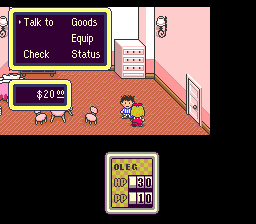
Its locations are memorable because they twist the ordinary. A hotel, a department store, and a roadside town can all become strange or threatening without losing their familiar shape. The writing keeps addressing the player with jokes, surprises, and small human observations, so exploration feels like discovering the next odd conversation as much as the next dungeon.
Combat is deliberately quirky, but its best idea is the rolling HP display: a character who takes a fatal hit may still be saved if you act before the numbers reach zero. EarthBound also gives the journey emotional weight through Ness’s friends and family. Its humor works because there is real affection beneath it.

#6 — Suikoden II

Suikoden II builds a war story around a broken friendship. The conflict between the hero and Jowy gives its politics a human center, while the 108 Stars of Destiny turn recruitment into a reason to explore every corner of the world. Duels, army battles, and traditional party combat make the scale of the struggle tangible.
Recruiting the Stars of Destiny is more than a checklist. Each new ally gives the castle another voice, shop, service, or relationship, making your headquarters grow alongside the war. Some recruits are easy to find; others reward curiosity and attention to side stories. That sense of building a community makes the conflict feel personal beyond the main plot.
Suikoden II also changes scale without losing its focus. Traditional six-person battles show what a small group can accomplish, while duels and army encounters remind you that whole nations are at stake. The central friendship gives those larger events a painful edge. It is the rare expansive RPG whose political drama still turns on recognizably human choices.


#5 — Xenogears

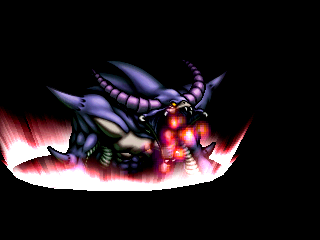
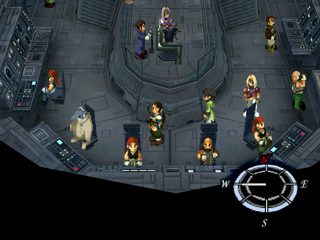
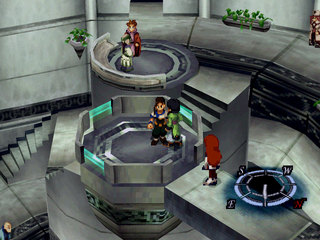
Xenogears aims far beyond a conventional quest. Fei’s journey moves between village life, warfare, giant Gears, and questions of memory, identity, and faith. On-foot battles use button combinations to build special attacks, while mech combat changes the rhythm and stakes. The story can be dense, but its ambition makes it memorable.
Its combat operates on two connected levels. On foot, light, medium, and heavy attacks can be combined into Deathblows. In a Gear, fuel and equipment become critical considerations, so a fight has a different kind of tension. The contrast supports a story that keeps shifting between intimate personal crises and enormous forces moving behind them.
Xenogears can be uneven and demanding, especially as its storytelling grows more compressed later on. Yet its willingness to tackle identity, power, and history at this scale makes it hard to forget. Its most compelling scenes ask players to reconsider what they know about Fei and the world. That ambition keeps it in conversations about the PlayStation’s boldest RPGs.
#4 — Final Fantasy VII

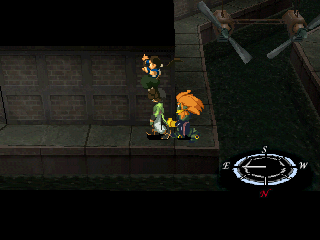
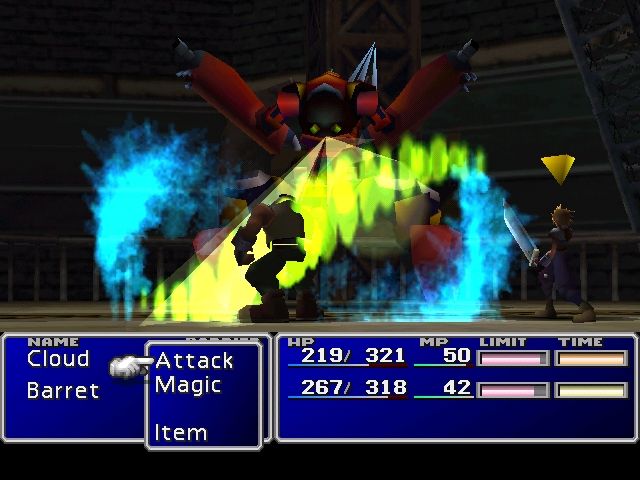
Final Fantasy VII opens with a train arriving in Midgar and immediately gives its ecological conflict a sense of scale. Cloud, Aerith, Tifa, and the party carry a story that grows from a city rebellion into a planetary crisis. The Materia system makes character builds flexible, while its pre-rendered backdrops and cinematic moments gave the PlayStation era a new visual language.
The opening hours are unusually strong. Midgar feels oppressive, crowded, and alive, while the early missions make the conflict with Shinra immediate rather than abstract. As the party leaves the city, the world opens up without losing its central questions about exploitation, memory, and what a person chooses to become. The cast gives those ideas their emotional force.
Materia is a major reason the original remains fun to play. Spells, commands, and support effects can be shifted among characters, encouraging experiments with different combinations instead of locking everyone into one role. The cinematic presentation made headlines in 1997, but the flexibility of its systems and the strength of its scenes explain why players keep returning to it.

#3 — Lunar: Eternal Blue Complete
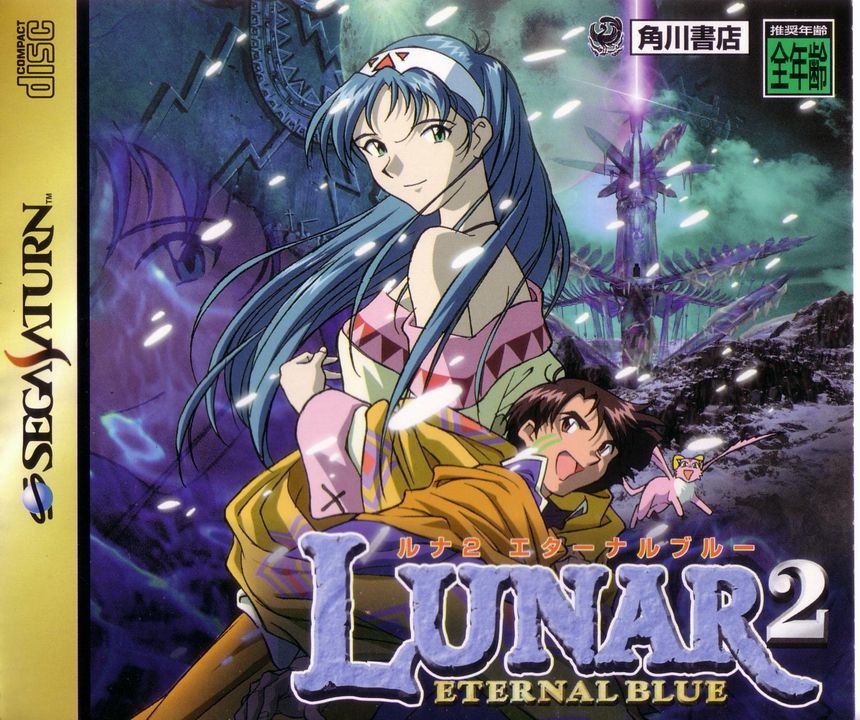
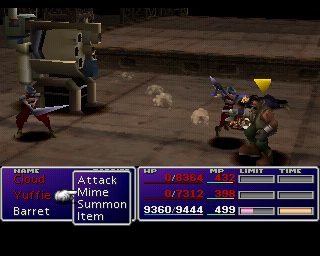
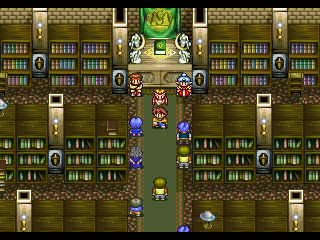
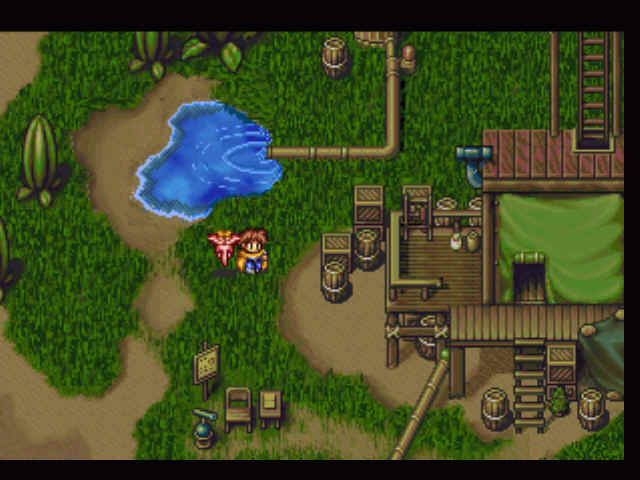
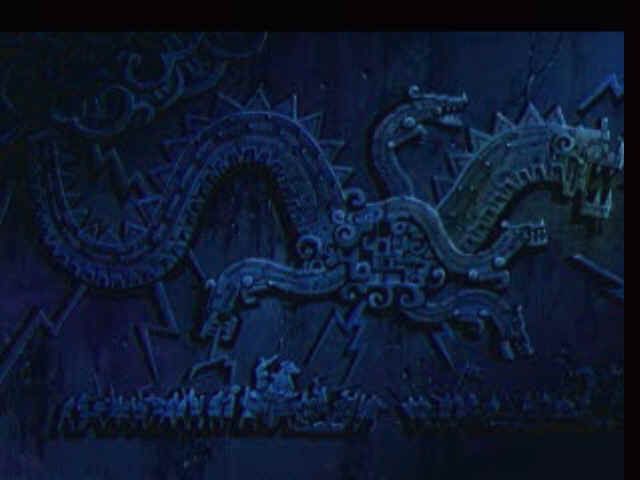
Hiro and Lucia’s journey is a classic romantic adventure with a generous sense of humor. Animated sequences, expressive dialogue, and a close-knit party give the world a storybook warmth. Combat asks players to mind position as well as commands, and the PlayStation Complete release gives this beloved second Lunar adventure a memorable presentation.
Hiro’s search for Lucia gives the adventure a direct emotional pull, and the supporting cast keeps the long journey lively. Its humor and romance are earnest, sometimes unabashedly so. Animated sequences punctuate the story without replacing the appeal of walking through towns, speaking to people, and watching relationships change over time.
The battles add a useful positional wrinkle to classic menu-driven combat. Characters move across the field to reach enemies, which can affect who they can attack and how a turn unfolds. That small difference helps the fights feel more physical. Together with the music and hand-drawn presentation, it gives Eternal Blue Complete an identity that is easy to recognize and difficult to replicate.
#2 — Final Fantasy VI

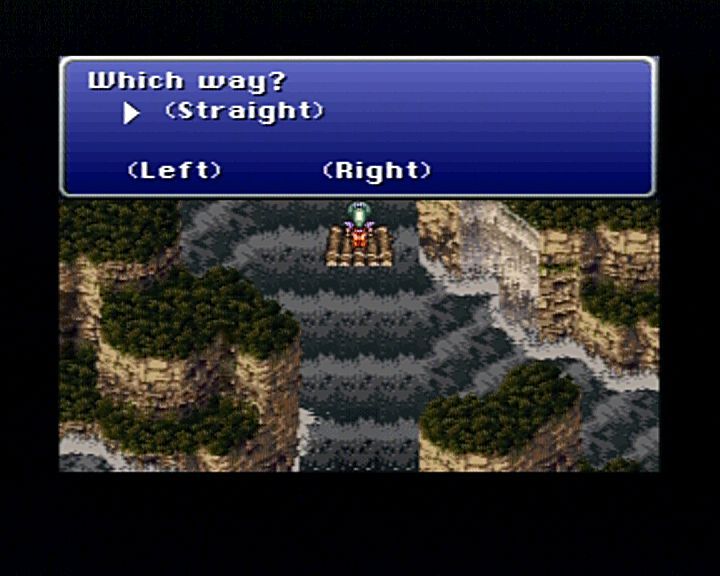
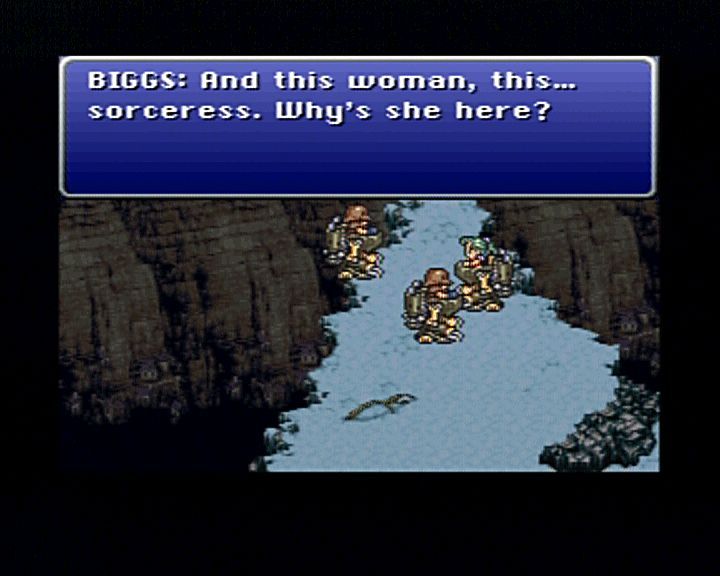
Final Fantasy VI gives almost every member of its sprawling cast a reason to matter. Terra, Celes, Locke, and their allies each bring a different skill and perspective, while Kefka pushes the story toward one of the genre’s most striking turning points. Rich pixel art, the opera sequence, and Nobuo Uematsu’s score show how much the 16-bit form could carry. Our database lists its North American release title, Final Fantasy III.
The ensemble is the key to its structure. Rather than tying every discovery to one lead, the game lets different characters carry different parts of the world and its history. Their unique abilities give them personality in battle, too. When the story divides the group, reuniting and choosing a party becomes part of the emotional journey.
Kefka is more than an obstacle waiting at the end. His actions change the shape of the adventure, and the game asks what its heroes do after a catastrophic loss. The opera, the soundtrack, and the detailed sprite work are famous, but their impact comes from how well they serve that larger story. It remains a high point of 16-bit storytelling.

#1 — Chrono Trigger
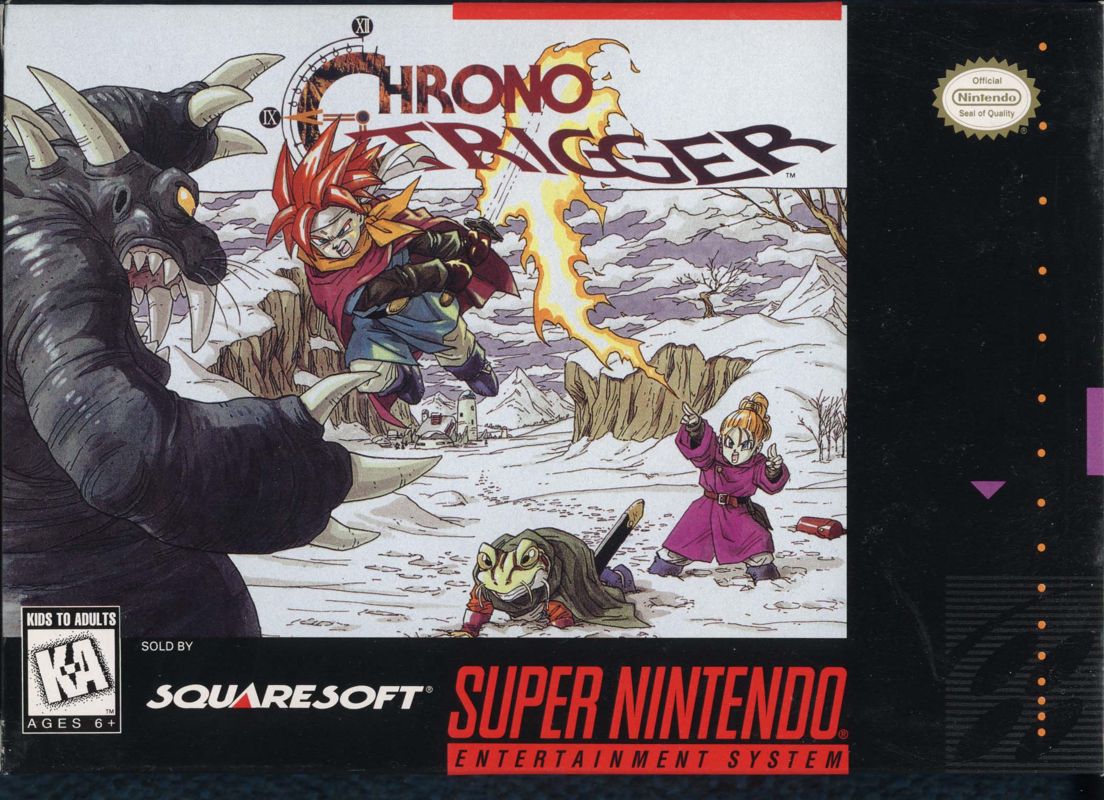
Chrono Trigger makes time travel feel effortless. Crono’s party visits eras that look and sound distinct, and choices in one period can echo into another. Visible enemies, quick battles, cooperative Tech attacks, and multiple endings give it momentum and replay value. It is approachable without being slight, and ambitious without becoming unwieldy.
Its time periods give exploration a clear sense of consequence. A choice or discovery in one era can make another feel newly meaningful, while the compact world encourages players to revisit familiar places with fresh knowledge. Side stories give party members room to grow without dragging the main journey off course. The result is an adventure that feels expansive yet carefully paced.
Combat keeps the momentum going. Enemies are visible in the field, and positioning can matter when choosing Techs that strike lines or groups. Double and Triple Techs make the party feel like a team rather than a collection of separate command menus. Multiple endings then give returning players a reason to test other choices and see a different side of the story.


Keep the adventure going
How many of these eight would make your list? You can revisit these games with emulators on modern hardware. Explore our emulation section for emulator guides and preservation-minded ways to play.
Game images: Retro Replay game database; original game imagery belongs to the respective rightsholders.