 Retro Replay Retro Gaming History, Reviews & Emulation

Retro Replay Review
Gameplay
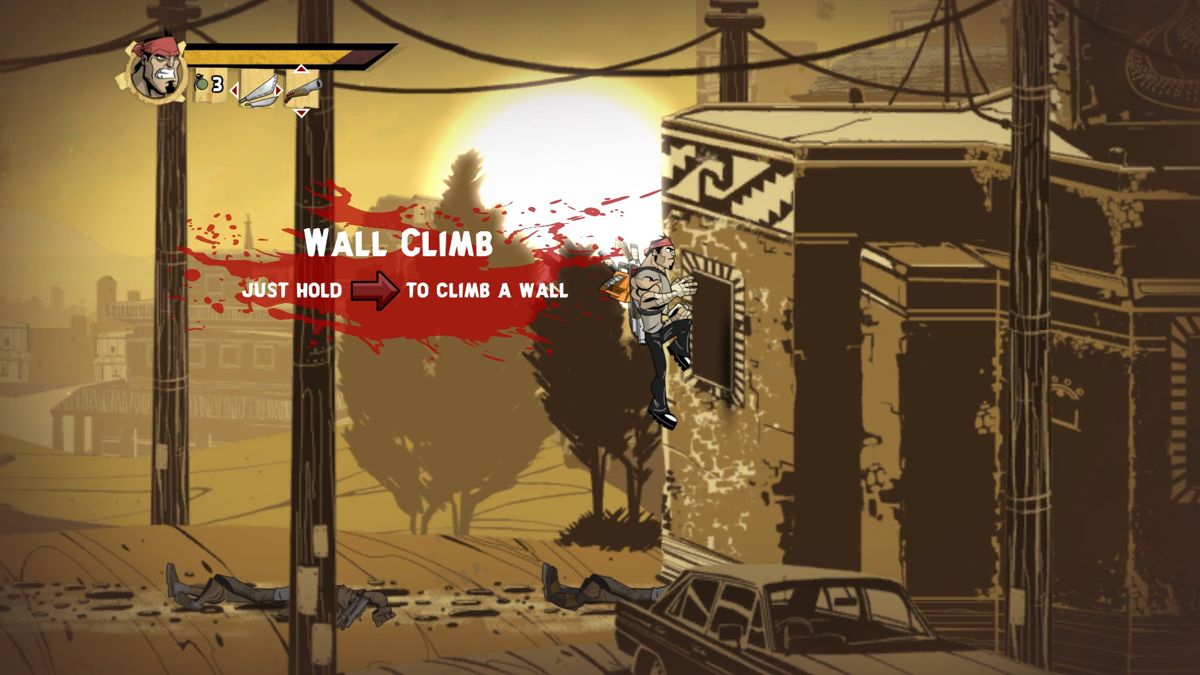
Shank understands that a brawler has to make its first fistfight feel good. You are moving from left to right, jumping through levels and colliding with groups of enemies almost immediately, with a simple but useful three-part arsenal at hand. Knives, heftier close-range weapons, and firearms each sit on their own input, so you can move between them without treating combat like a trip through a menu.
That setup gives the fighting its momentum. The knives suit quick attacks, dropped machetes and chainsaws offer a more brutal change of pace, and shotguns or double pistols let you address threats from a little farther away. Attacks can be linked into combos, which matters when a crowd closes in. The better moments come when you stop relying on one favorite weapon and start reacting to what is on the ground and how many enemies are pressuring you.
There is also a welcome sense of forward motion beyond the fighting. Shank runs and jumps through each stage, and environmental items can feed into acrobatic maneuvers rather than leaving every encounter as a flat stand-and-punch affair. Bosses cap the levels, giving each stretch of enemy-clearing a clear destination. The tradeoff is that the game is relentlessly built around killing another group and moving on; if you need a brawler with lots of downtime or tactical breathing room, its directness can wear thin.
Local multiplayer is more than a duplicate run with an extra body on screen. A separate co-op campaign casts the second player as Falcone, and its stages are built for two people working together against enemies and bosses. If you have a couch co-op partner, this is the strongest argument for spending more time with the game.

Graphics
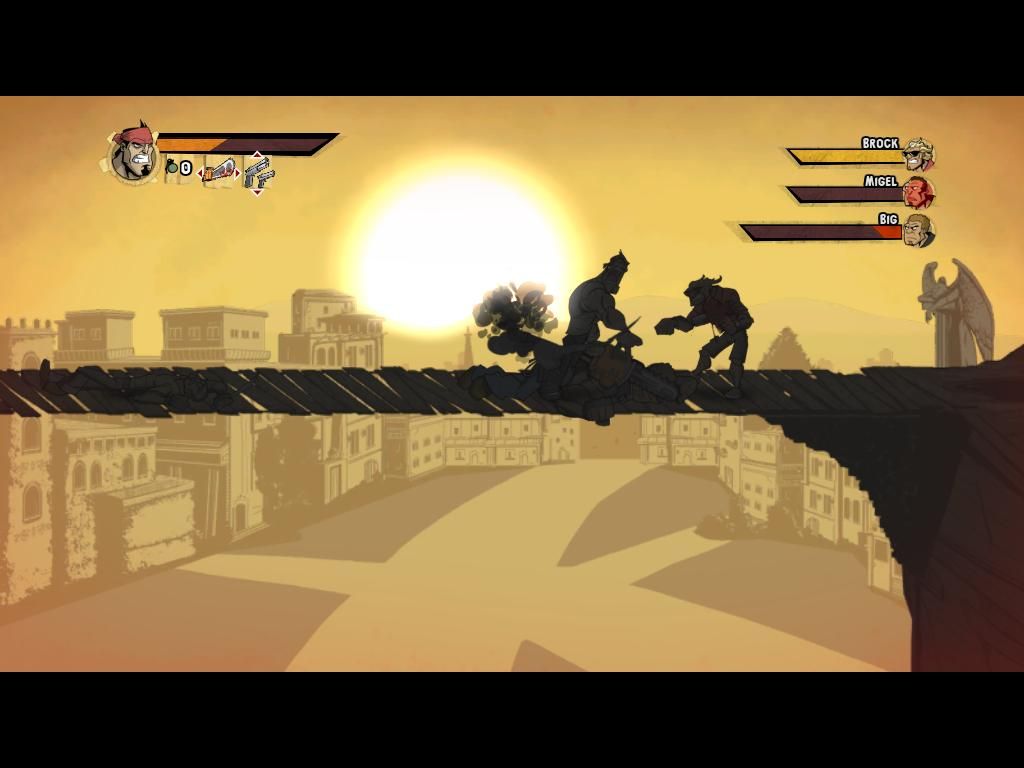
The side-on camera keeps the action legible: you can track Shank as he runs, jumps, and changes weapons while enemies gather around him. In a game that regularly throws groups into the same fight, that straightforward view is a sensible fit.
Story
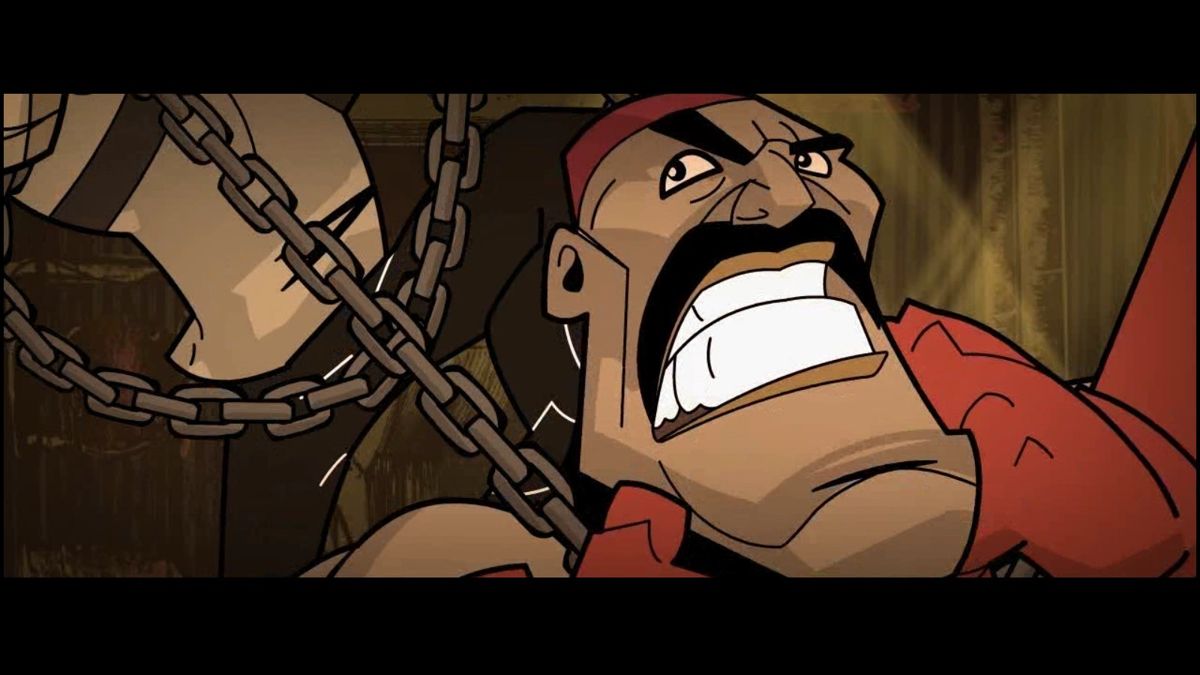
The main campaign runs on a clean revenge motive. Shank is an ex-mob hitman pursuing the gang responsible for murdering his girlfriend in front of him, and every level is another violent step toward that goal. It is not a story built for subtlety, but it gives the constant fighting a personal target.
That bluntness has a benefit: the game does not ask you to lose track of why you are moving forward. You are hunting the people responsible, and the boss encounters naturally fit that escalating pursuit. Anyone looking for a layered crime drama may find the setup thin, but it is suitably direct for an action game this committed to momentum.
The co-op campaign adds a useful extra angle by functioning as a prequel to the main story. Falcone is not just a second controller; his role helps make the separate campaign feel like its own piece of the game rather than an afterthought.
Overall Experience
Shank earns its place on the strength of immediate, weapon-switching brawler action. The first hour should hook you if you enjoy clearing a path through enemies with a mix of close combat, picked-up gear, guns, jumps, and combos. It does not need to complicate that foundation to make the basic loop satisfying.
Frustration is most likely to set in if repeated enemy-heavy encounters begin to feel samey. Much of the experience is deliberately concentrated around fighting hordes and meeting bosses, so your tolerance for that structure will determine how far its energy carries you. The variety of weapon types and environmental acrobatics helps, but it does not transform the game into something other than a focused brawler.
For action fans who miss compact side-scrolling beat-’em-ups, the payoff is worth it, especially with a friend nearby for the dedicated local co-op campaign. At 7.2, it lands as a good, forceful game with a familiar revenge backbone: not deep in every direction, but sharp about the particular kind of violent arcade momentum it wants to deliver.


Reviews
There are no reviews yet.