Retro Replay Retro Gaming History, Reviews & Emulation
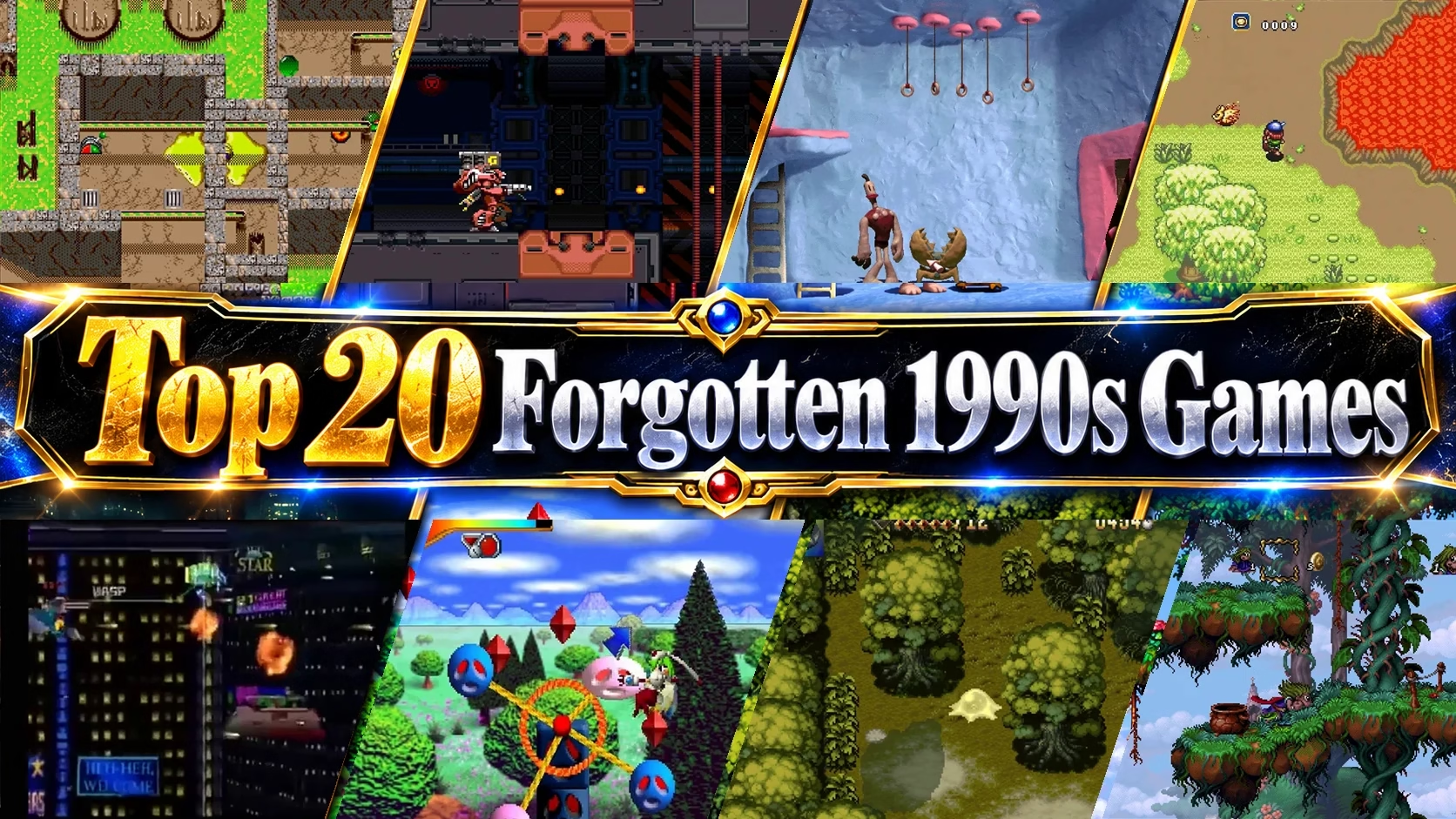
You remember the mascots, the blockbuster sequels, and the games every friend seemed to own. But the nineties also left behind toxic-slime scientists, clay adventurers, transforming police machines, and a tiny hero from the world of Lemmings. This countdown revisits twenty games that deserve another look.
“No one remembers” is our affectionate exaggeration: these games still have fans, and some have devoted followings. Our picks favor distinctive ideas, memorable presentation, and adventures that tend to slip out of the usual conversation. The order is Retro Replay’s personal countdown, with the original platforms specified for each entry.
Would you rather watch than read? Settle in for our video countdown below. The covers, screenshots, and write-ups are here whenever you want a closer look.
#20 — The Ooze
Platform: Sega Genesis
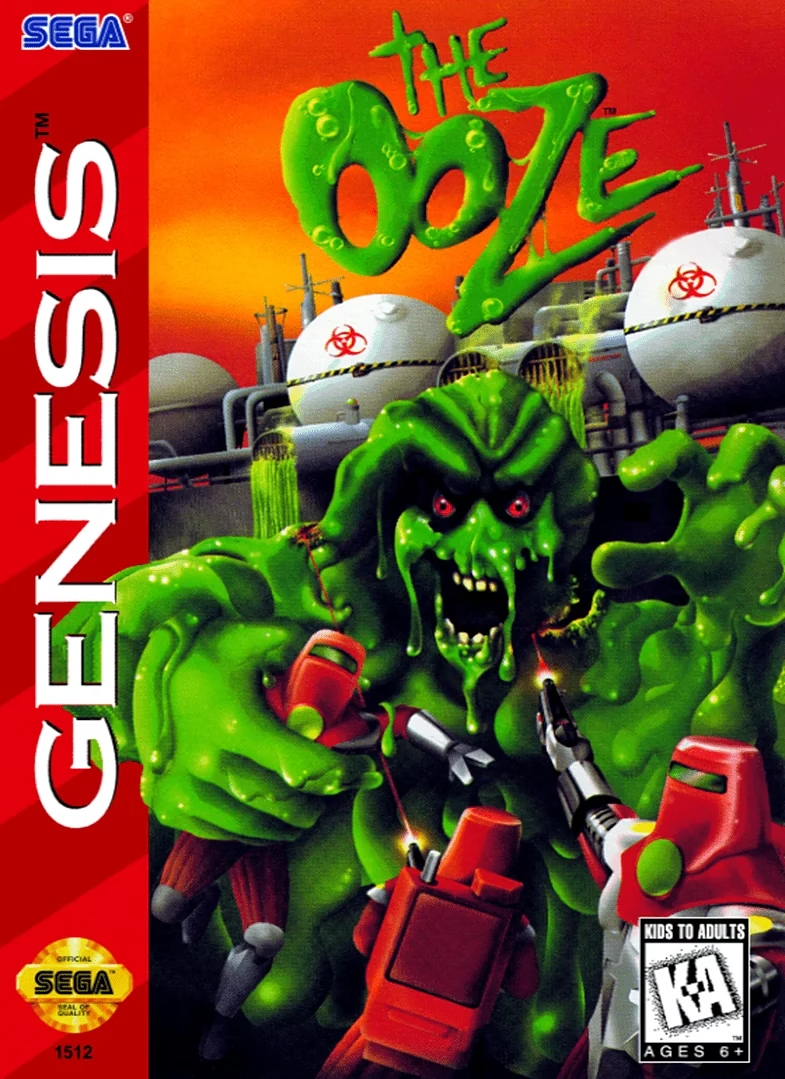
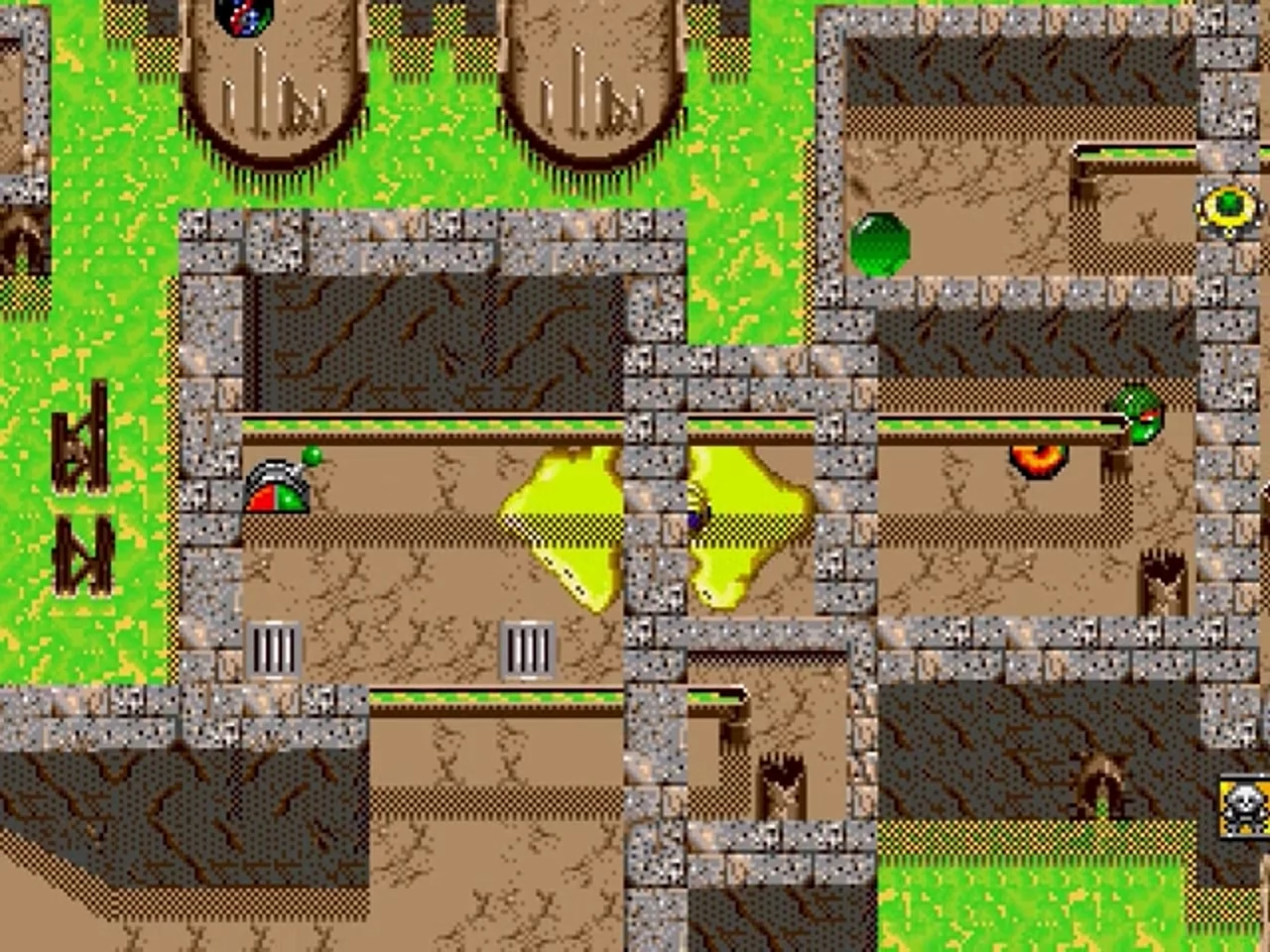
Most games give you a hero with a sword, a gun, or at least a recognizable pair of legs. The Ooze hands you a puddle. A scientist’s transformation into toxic slime becomes the whole adventure: you stretch across the floor, reach into dangerous spaces, and try to hold your scattered body together while a hostile laboratory closes in around you.
Moving that body is where the game gets interesting. Your shape matters as much as your position, so a narrow passage or an awkwardly placed enemy changes how you approach a room. Collecting pieces of your DNA gives the journey a personal goal, while the animation makes even an ordinary movement look faintly disgusting.
It is an odd fit for the familiar Genesis action shelf, and that is exactly why it belongs here. The Ooze can feel demanding and unfamiliar, but its central idea is wonderfully committed. Long after another muscular action hero has blurred into memory, you remember the game that made a spreading green mess its leading man.
#19 — Wild 9
Platform: PlayStation
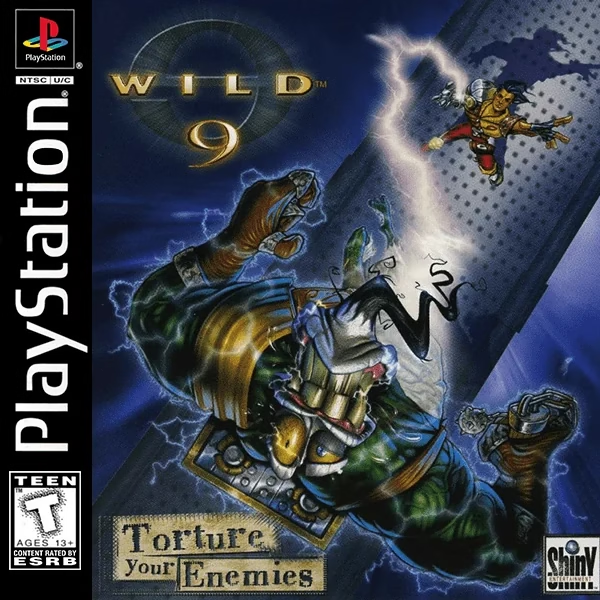
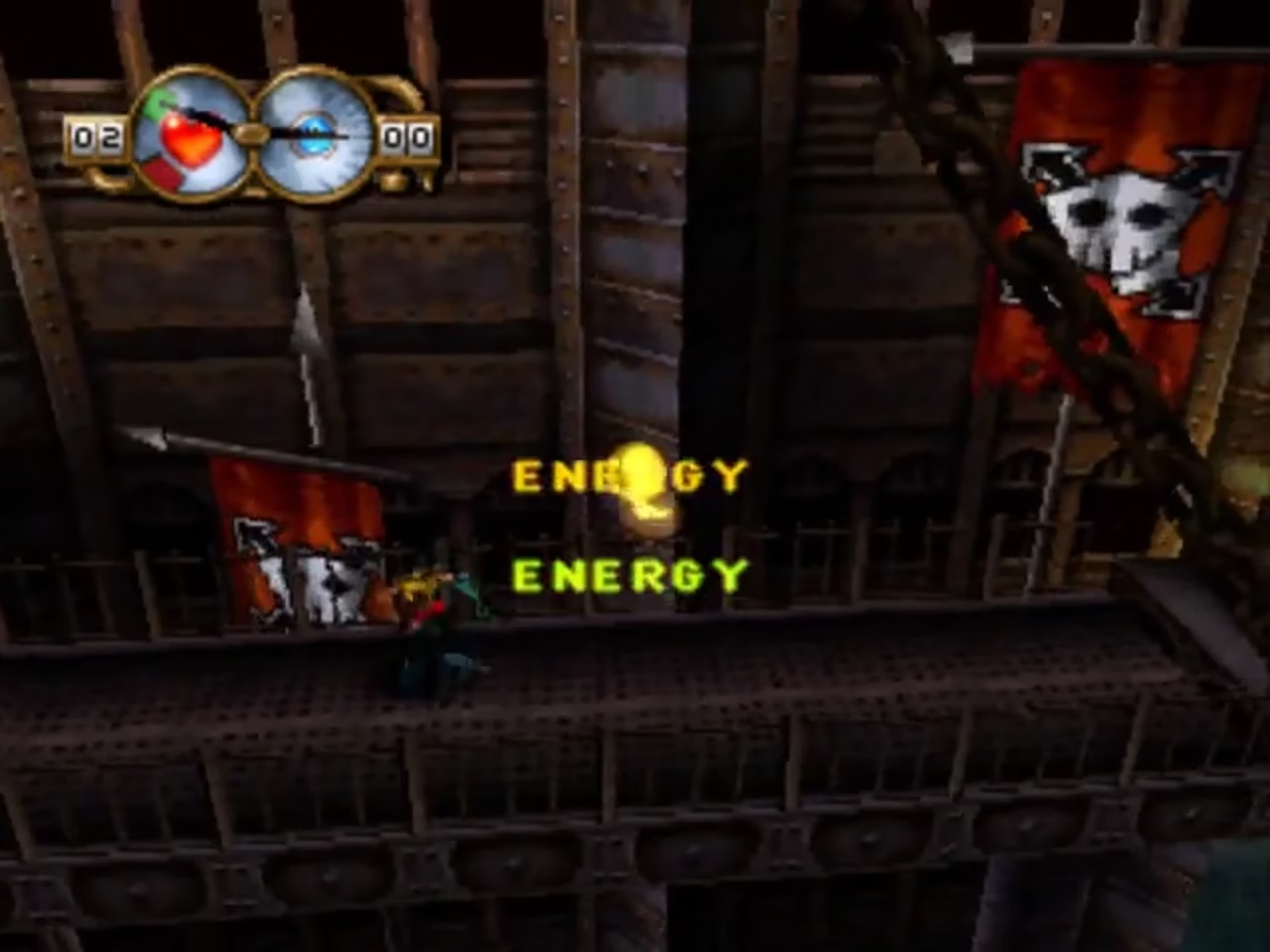
Wild 9 introduces Wex Major with a weapon that makes enemies into playthings. His energy beam grabs an opponent and holds them at a distance, ready to be battered against the scenery. A platform game suddenly becomes a nasty little physics comedy, with the environment supplying the punchline.
The fun comes from seeing what a captured enemy can do for you. Walls, machinery, and hazards become opportunities, and the usual rhythm of stopping to attack gives way to dragging trouble along with you. Shiny’s grotesque character designs and irreverent humor suit a game in which a clean, dignified victory rarely seems to be the point.
The PlayStation had no shortage of loud, colorful action games, but Wild 9 found an unusually specific identity. Its beam is more memorable than many games’ entire move lists. If your recollection of the era is dominated by the same handful of mascots, this is a welcome reminder of how strange the shelf could get.
#18 — General Chaos
Platform: Sega Genesis
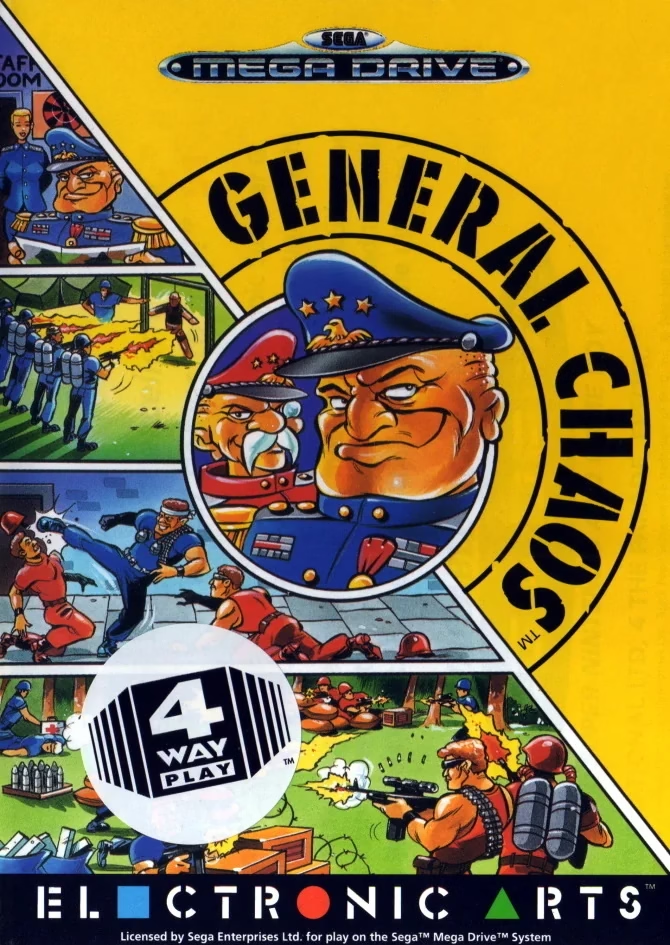
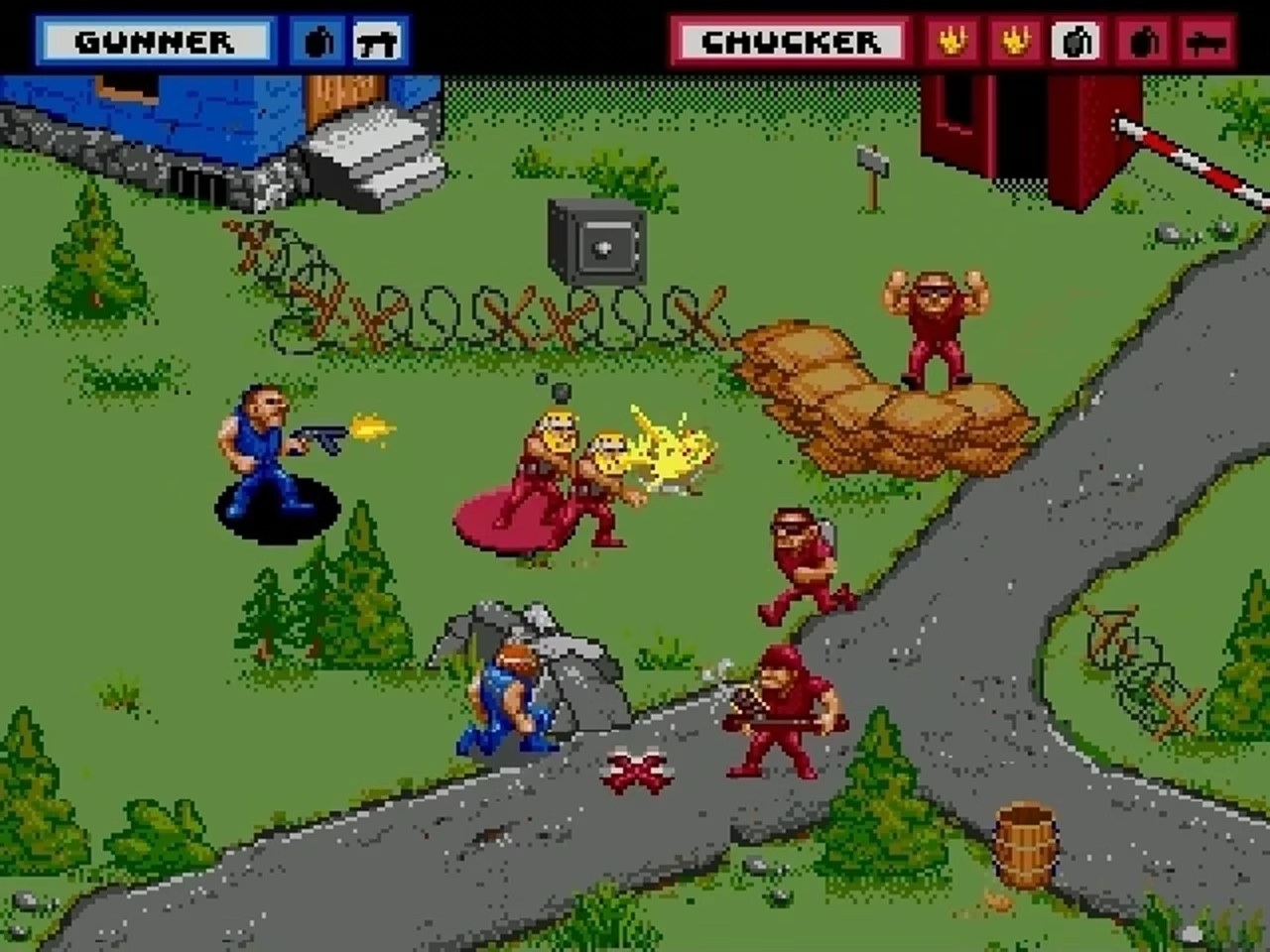
General Chaos looks like a military cartoon that has lost control of itself. Small squads collide on compact battlefields, with exaggerated soldiers trading gunfire and occasionally settling things at much closer range. The perspective gives you enough distance to think, then the fighting immediately makes that thinking difficult.
You choose a squad and guide its positioning while each soldier’s weapon changes the shape of an encounter. A badly placed fighter can leave the whole group exposed; a useful opening can turn into a brawl before you have finished exploiting it. There is a satisfying tug between arranging a plan and reacting to the mess your plan has become.
With another player involved, that mess becomes the attraction. General Chaos delivers the sort of competitive couch session where everyone remembers a ridiculous reversal and nobody agrees about whose fault it was. It deserves a place beside the Genesis multiplayer staples, particularly when you want something less predictable than another straight fighting game.
#17 — Skullmonkeys
Platform: PlayStation
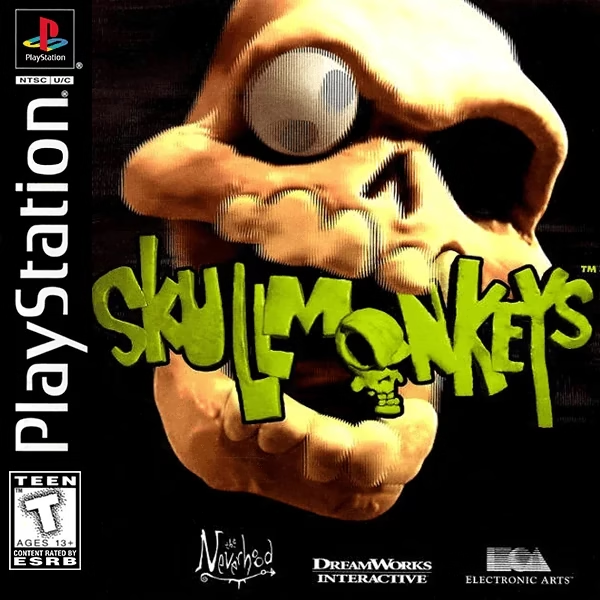
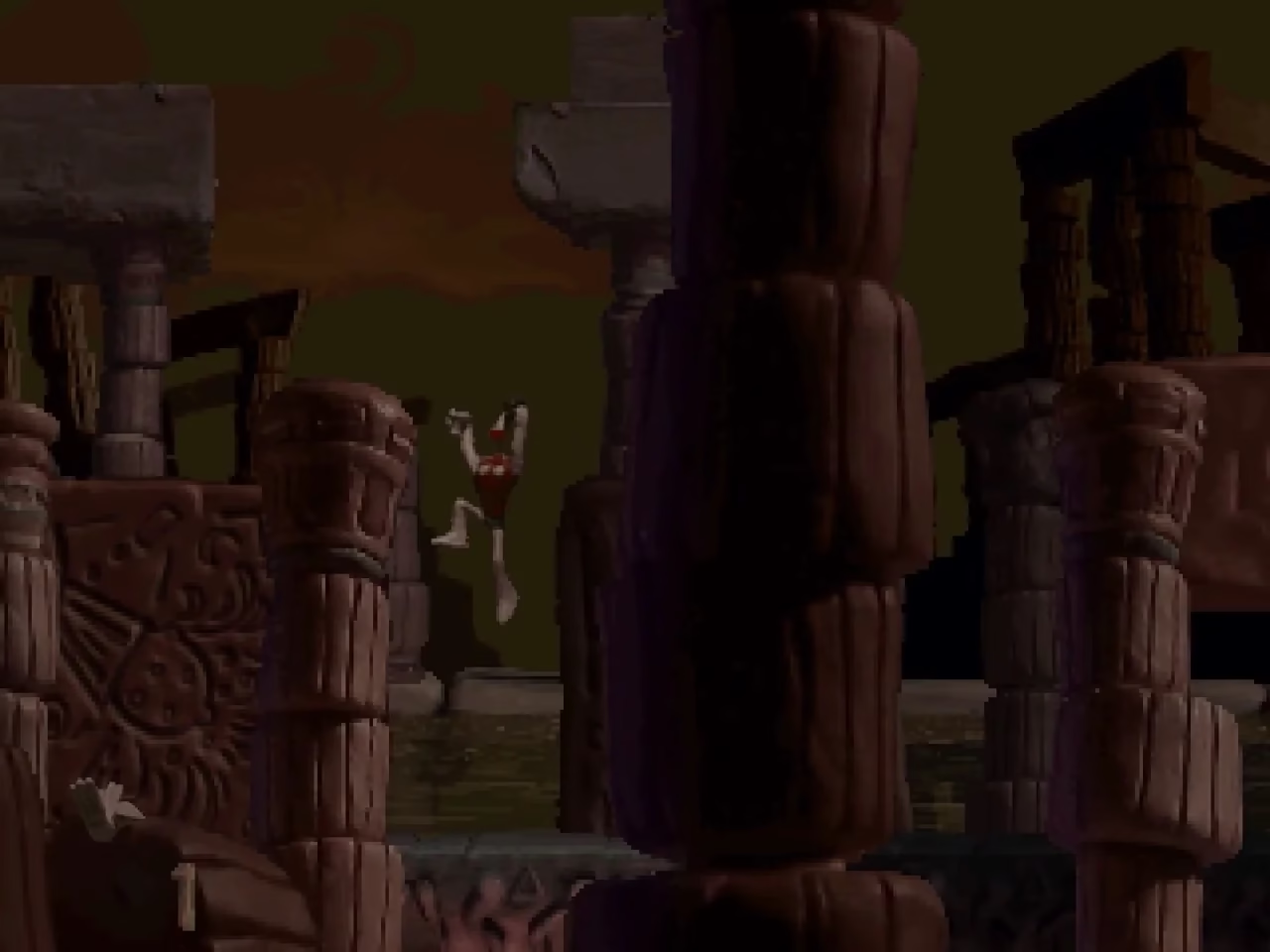
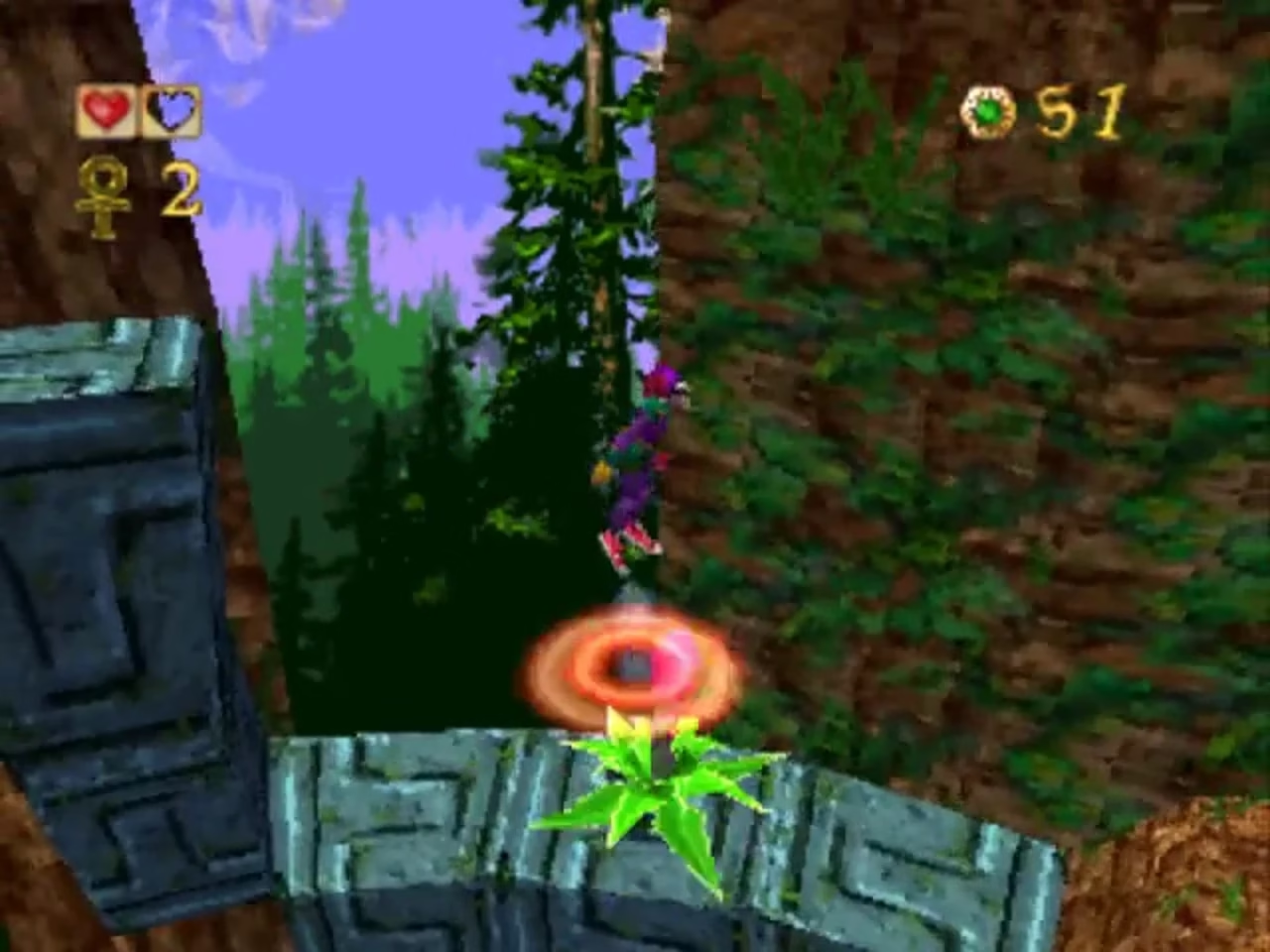
Skullmonkeys takes the clay world associated with The Neverhood and sends it through a side-scrolling obstacle course. Klaymen’s surroundings have the lumpy texture and peculiar expressions of something built on a workbench. Even before a stage has tested your timing, the creatures wandering through it have made an impression.
Behind that handmade appearance is a demanding platformer. Jumps, enemy placement, and the pace of a stage ask for attention, while the visual jokes keep interrupting any attempt to treat the adventure too solemnly. Its animation gives small actions a comic weight that smooth polygons often struggle to reproduce.
Skullmonkeys is easy to remember once you have seen it, which makes its absence from many PlayStation conversations feel especially strange. It offered a very different answer to what a late-nineties game could look like. Come for the clay, stay for a platformer with a mischievous personality and a surprisingly sharp edge.
#16 — The Firemen
Platform: Super Famicom
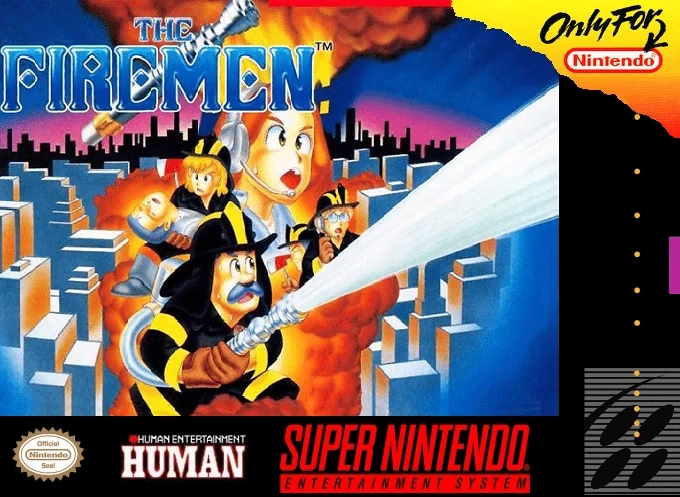
The Firemen makes a burning building feel like an opponent with its own behavior. You move into rooms where flames spread, survivors need help, and the safe route can disappear while you are dealing with something else. A hose replaces the usual action-game weapon, but the urgency is immediately familiar.
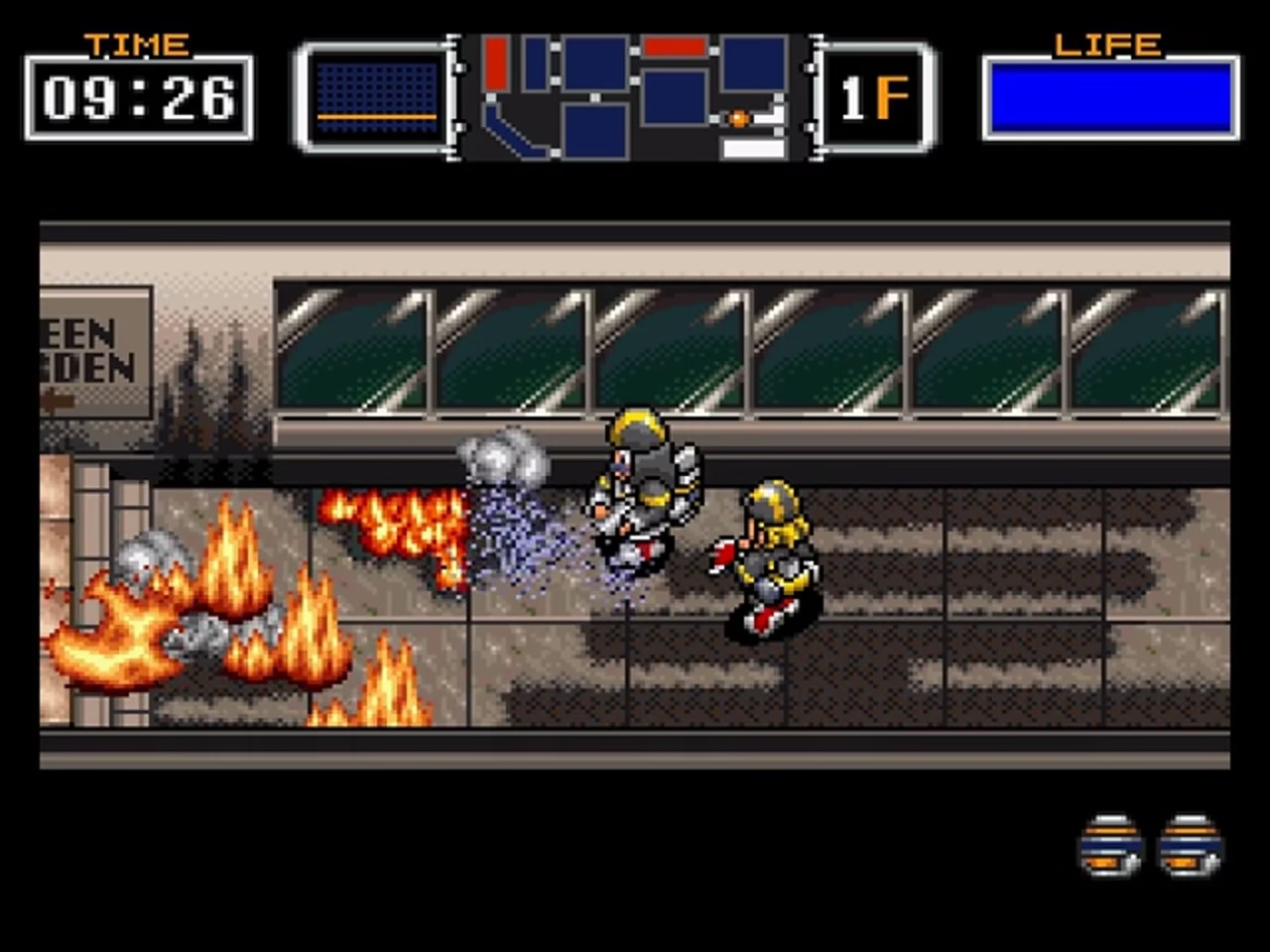
The overhead view lets you read the danger without making it comfortable. Your water stream must reach the right place, and fire near your feet demands a different response from a blaze across the room. Moving deeper into the building means watching the surroundings as closely as whatever is directly in front of you.
That change of subject gives The Firemen much of its appeal. It finds drama in a rescue job and lets the action emerge from the work itself. The Super Famicom version is the one in this countdown, and it remains a fine example of how a familiar action format can feel fresh when the threat follows different rules.
#15 — Metal Warriors
Platform: Super Nintendo

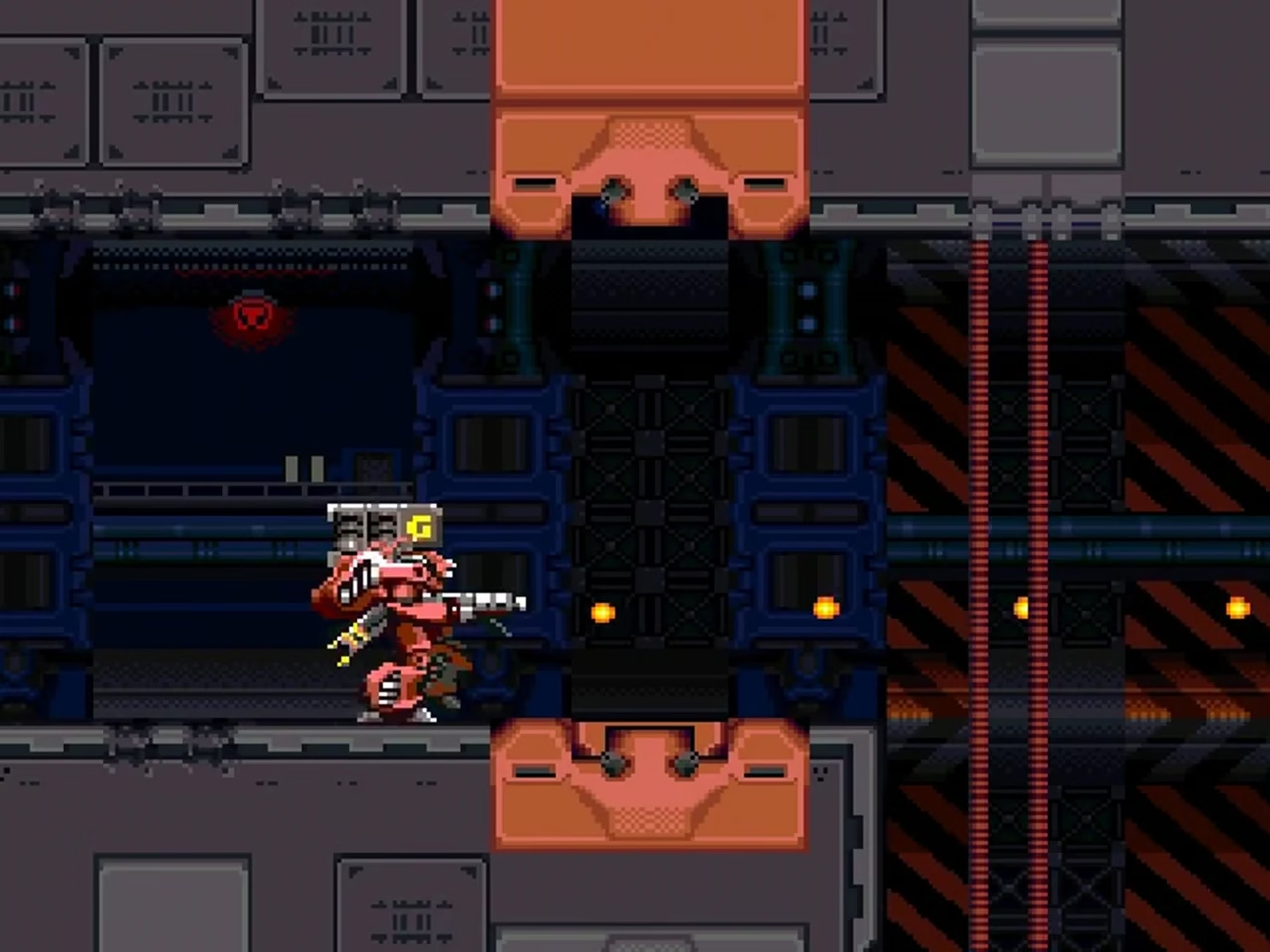
Metal Warriors starts with the irresistible promise of piloting a huge combat machine, then makes the tiny person inside it just as important. Your mech is powerful, but it is a vehicle you occupy rather than a body you permanently own. When circumstances change, you can climb out and look for another answer.
That freedom transforms a firefight. A damaged machine can be abandoned, a different mech can offer a useful movement style, and an exposed pilot suddenly makes the battlefield feel enormous. The contrast between armored strength and human vulnerability creates little stories that a simple health bar could never tell by itself.
Its detailed animation and varied machines make the spectacle satisfying, while multiplayer turns those possibilities into a wonderfully scrappy contest. Metal Warriors is the sort of Super Nintendo game that rewards a demonstration: one stolen mech or desperate escape explains its appeal faster than a list of features ever could.
#14 — Pandemonium!
Platform: PlayStation
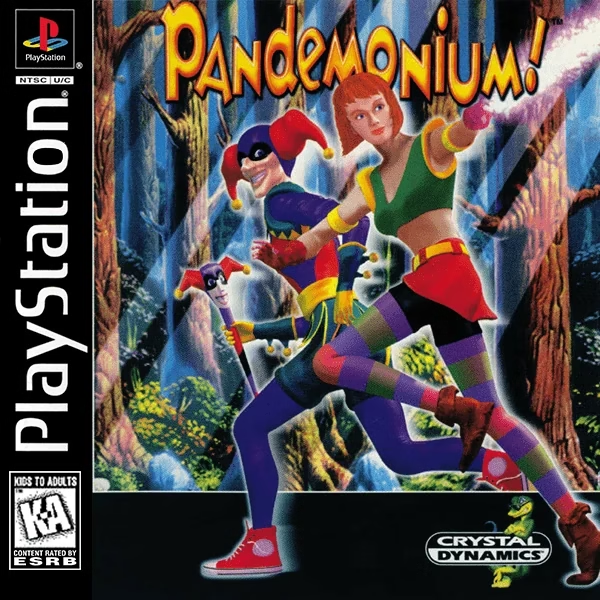
Pandemonium! catches an early PlayStation moment when a platformer could keep familiar running and jumping while showing the world from unexpected angles. The route curls through colorful fantasy scenery, and the camera follows its bends. The stage seems to have more space than your actual path through it.
That controlled route gives the game its distinctive rhythm. You concentrate on timing, enemies, and the next landing while the scenery provides the sense of a larger three-dimensional world. Transformations and elastic character animation add to a playful atmosphere that rarely sits still for very long.
Pandemonium! feels like a cheerful experiment from an era of rapid change. It may not have become the defining platform series of the PlayStation, but its lively presentation still gives it a recognizable place on the system. This entry discusses the original PlayStation game; the linked store listing offers another version of that adventure.
Related database entry: Pandemonium! — N-Gage edition.
#13 — Herc’s Adventures
Platform: PlayStation
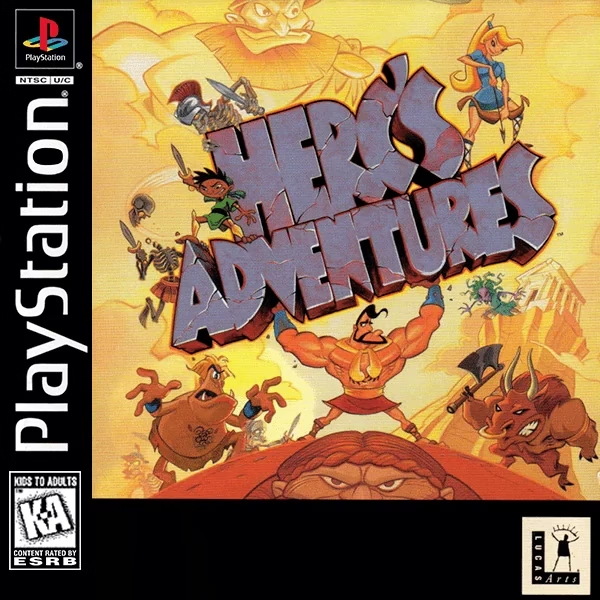
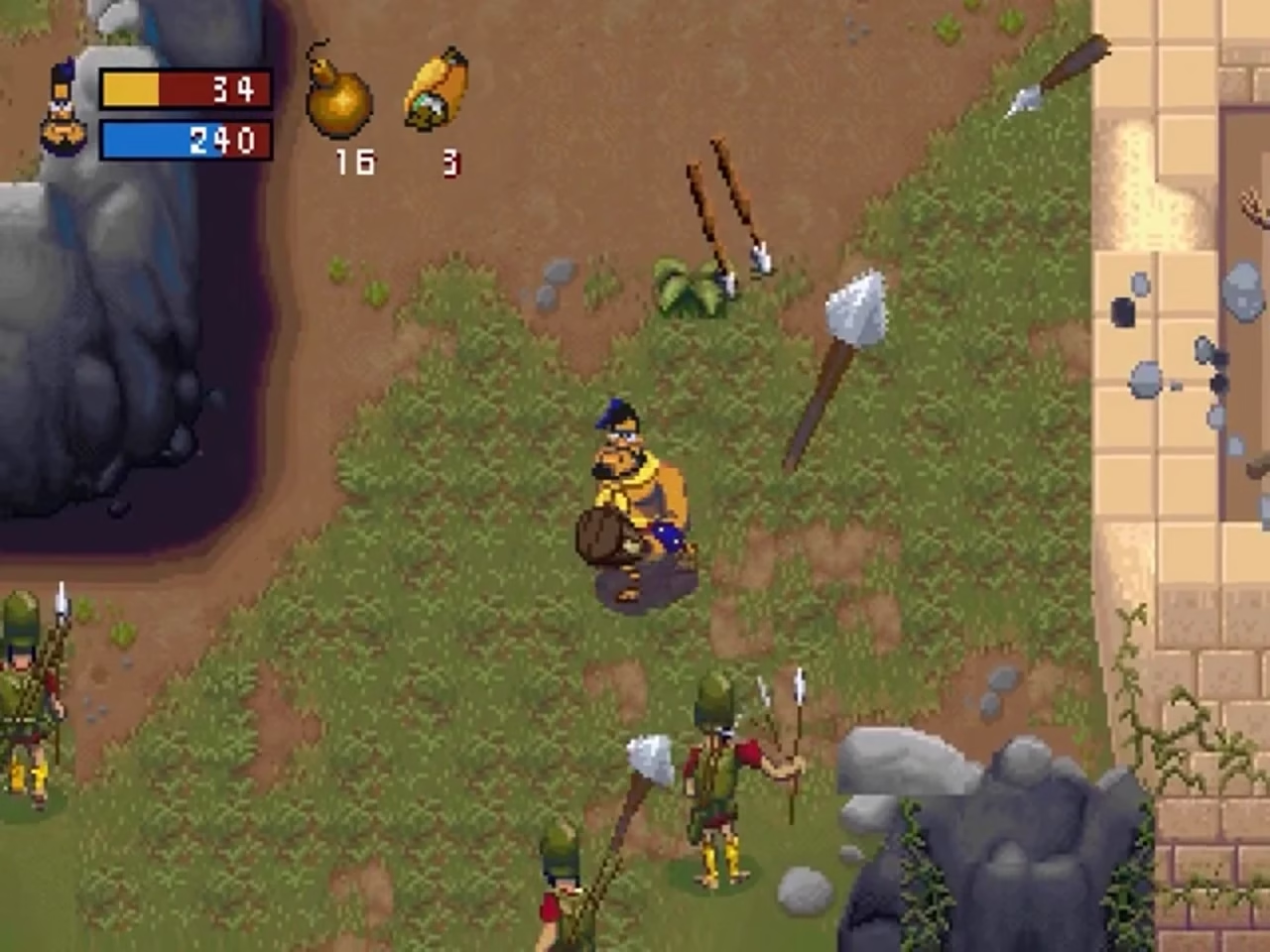
Herc’s Adventures treats Greek mythology as an invitation to cause trouble. Hercules, Atalanta, and Jason move through an overhead world of monsters, odd characters, and ancient legends with their dignity thoroughly punctured. The cartoon animation makes the setting feel welcoming even when the next creature is trying to kill you.
Exploration gives the adventure room to breathe between fights. Each hero brings a different approach, and the broad landscape invites you to wander into situations that are as comic as they are dangerous. With two players, the journey gains the pleasing confusion of sharing an action adventure rather than merely taking turns at one.
There is a warmth to its silliness that still works. Herc’s Adventures has plenty of action, but its lasting attraction is how much character LucasArts packed into the world around that action. It is a great pick for anyone who remembers the PlayStation mainly for grim cities and wants to rediscover its brighter side.
#12 — Future Cop: LAPD
Platform: PlayStation

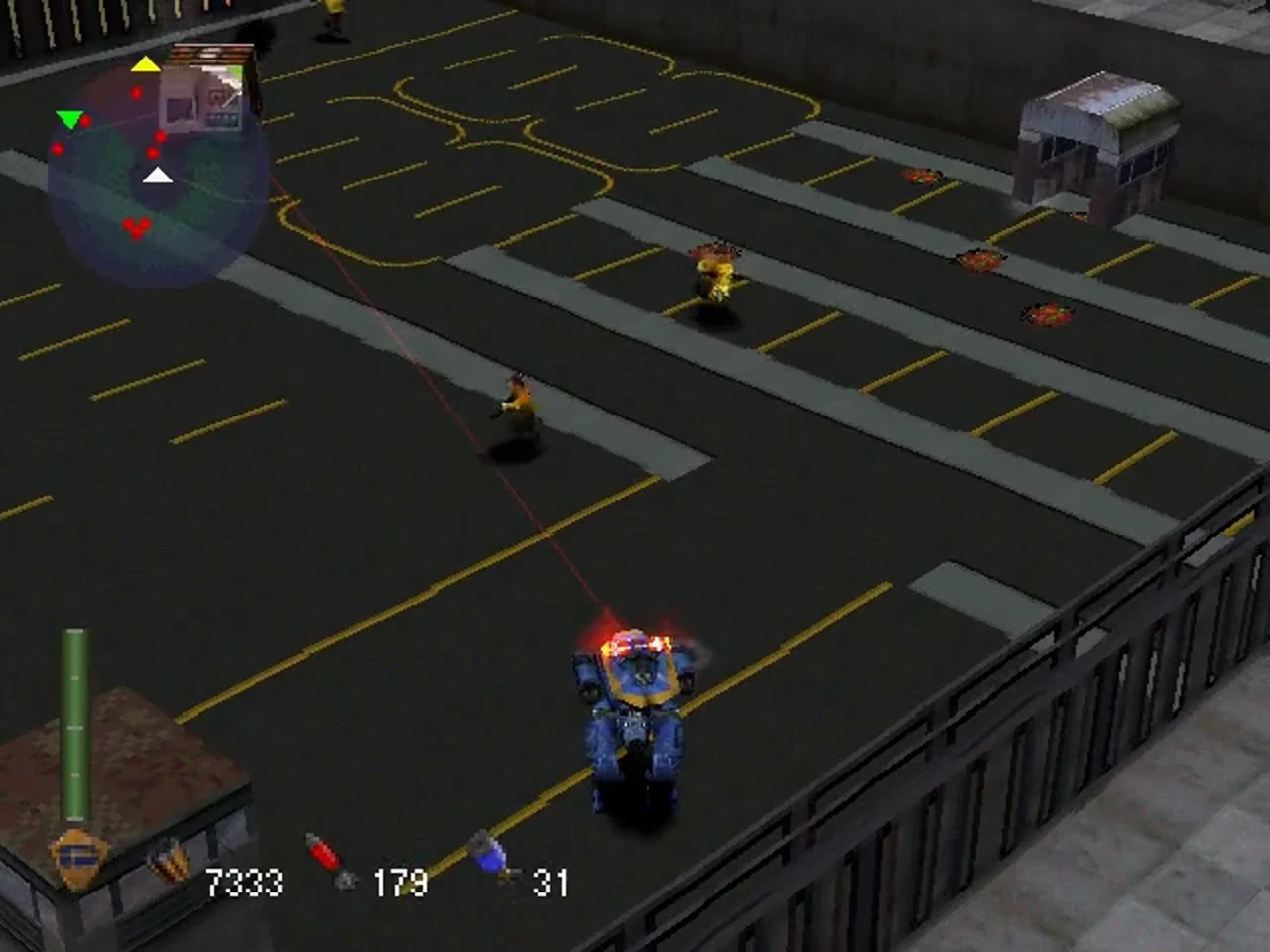
Future Cop: LAPD gives futuristic police work a transforming armored machine. One moment you are stomping through a hostile Los Angeles; the next, your vehicle’s other form changes how you cross the battlefield. It is a loud, busy action game with enough mechanical personality to make another street full of targets feel entertaining.
Its standout surprise is Precinct Assault. Bases, vehicles, defenses, and the struggle to push toward an enemy headquarters turn the machine into one part of a larger battle. You still act directly, but success also depends on paying attention to what is happening beyond your immediate firefight.
That mode is why people who played Future Cop often talk about it with unusual affection. It offers something more distinctive than its title or police premise initially suggests. The campaign supplies spectacle, while Precinct Assault gives you a reason to keep experimenting after the first impression has worn off.
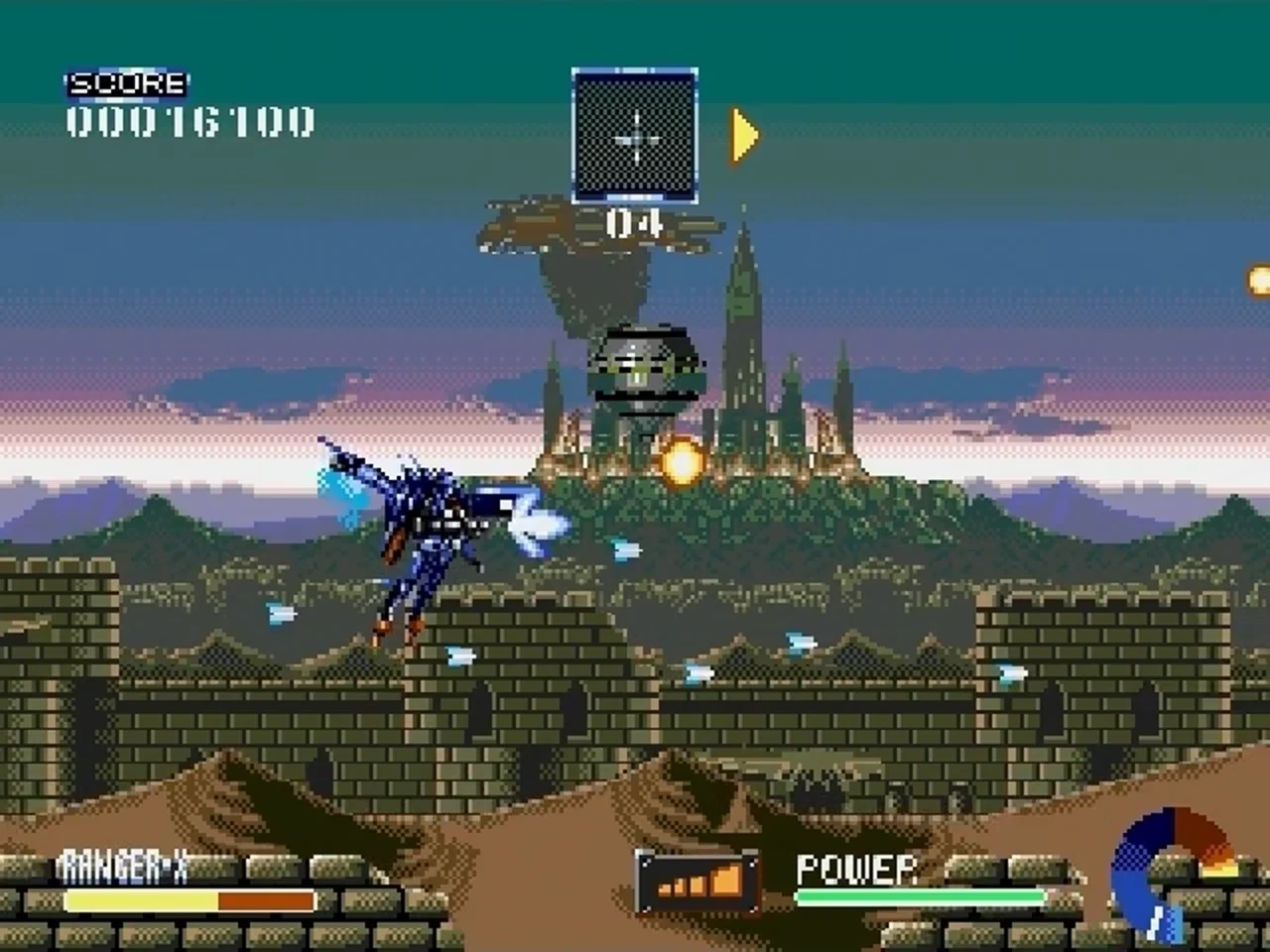
#11 — Ranger X
Platform: Sega Genesis

Ranger X makes its mechanical hero look impressive before you have learned how to use him well. A jet-assisted suit, a supporting vehicle, and richly detailed battlefields create the feeling of a larger operation. Then the controls reveal a game that expects you to understand its equipment rather than simply run right and shoot.
Flight and the support vehicle change your relationship with the ground. You can reposition above a threat, use the terrain, and bring different weapons into the fight, but doing everything at once takes practice. Its action has a deliberate complexity that makes a well-handled encounter feel earned.
The Genesis presentation remains a major part of the pleasure, with effects and animation that give the machines weight. Ranger X asks for a little patience before its systems click. Once they do, it becomes an excellent reminder that the system’s action library extended well beyond its best-known characters.
#10 — No One Can Stop Mr. Domino!
Platform: PlayStation
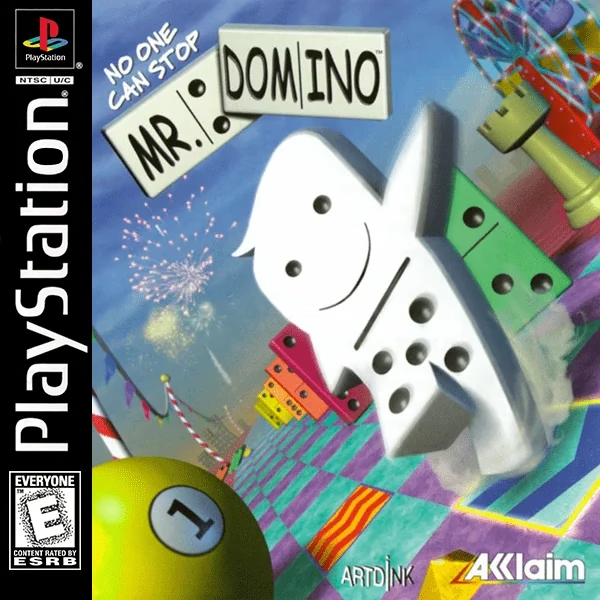
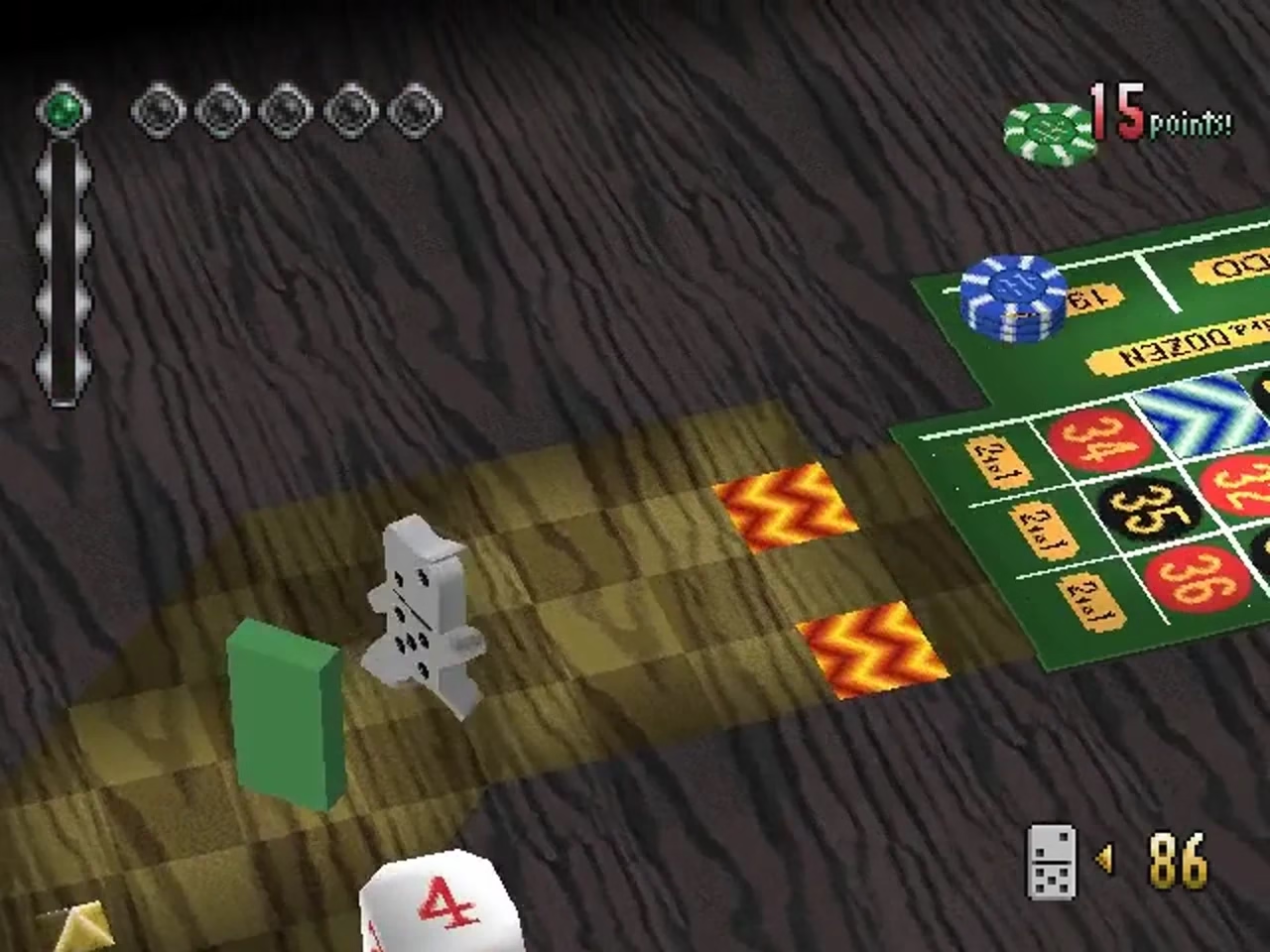
No One Can Stop Mr. Domino! sounds like a joke until you see its little runner racing around a course with a trail of dominoes behind him. The goal is to build a useful chain, trigger the right reactions, and keep moving before the opportunity gets away from you. Ordinary locations become strange miniature machines.
Placement and timing matter more than the absurd premise suggests. A promising line can fail because of a gap, an obstacle, or a badly timed turn, and then the course must be read again. The satisfying moment is when several small decisions become one long, ridiculous cascade.
Its personality makes that repetition inviting. Mr. Domino belongs to a PlayStation tradition of puzzle games that were willing to look completely unlike their neighbors. You might struggle to explain it before someone plays, but a successful chain reaction usually finishes the explanation for you.
#9 — The Neverhood
Platform: PC
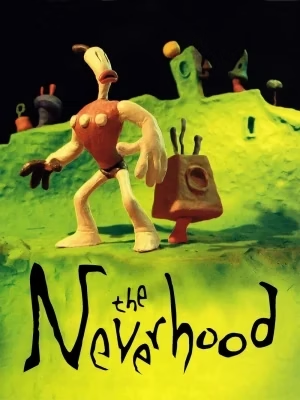
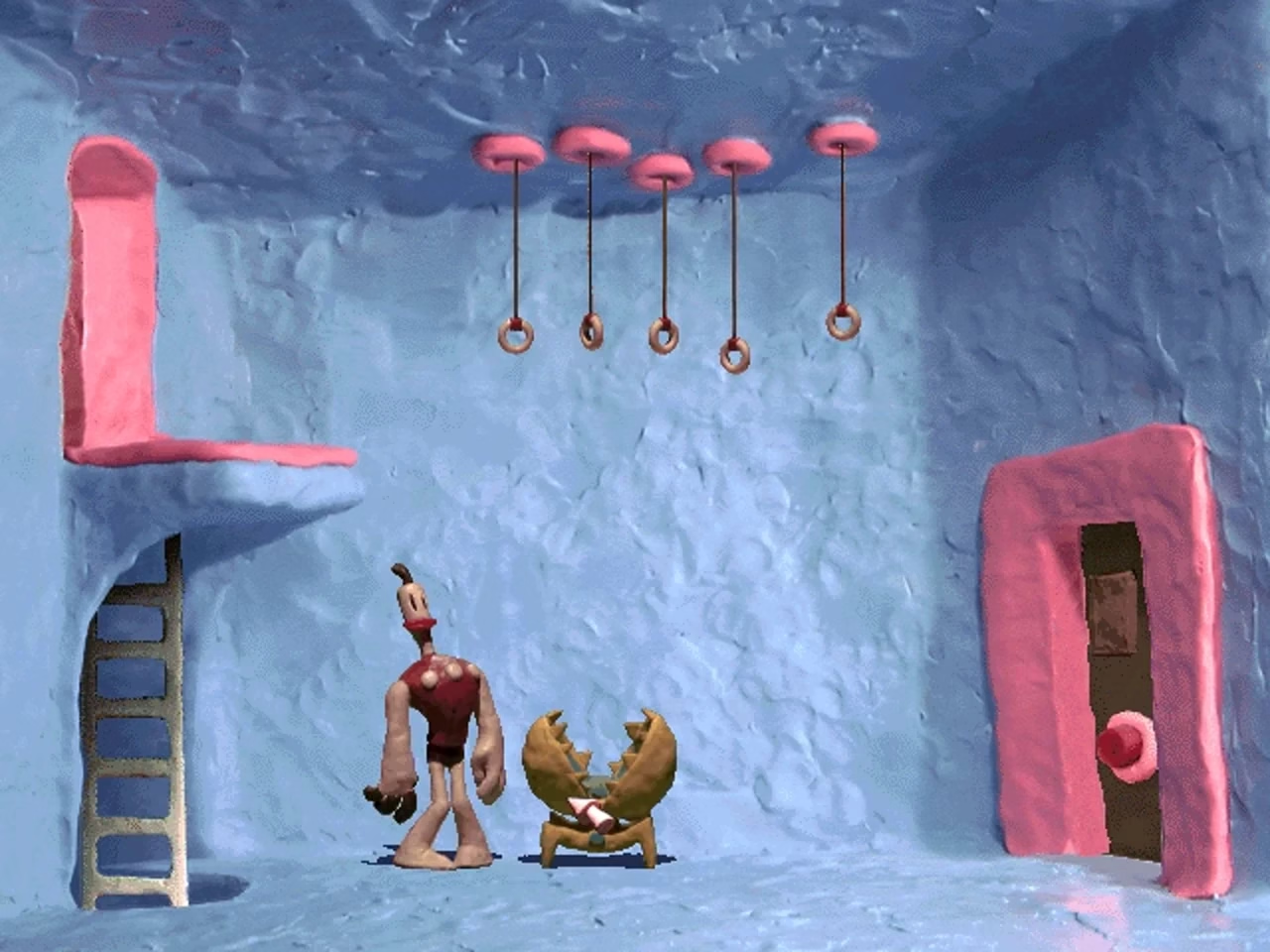
The Neverhood opens a world that looks as if someone could reach into the screen and leave a fingerprint in it. Klaymen walks through clay rooms, encounters strange machinery, and reacts to a landscape with a peculiar sense of humor. The material itself is part of the performance.
As a point-and-click adventure, it invites you to look, listen, and work out how its odd spaces connect. Visual jokes sit beside puzzles, while the soundtrack helps make the world feel stranger still. Progress often comes from noticing a small detail in a place that already seems overloaded with personality.
The result is a PC adventure whose atmosphere is inseparable from its construction. The Neverhood can be puzzling and deliberately eccentric, but that is part of why its images linger. Our footage shows the PC game through ScummVM; Retro Replay’s existing database entry covers the related PlayStation release and is labeled accordingly below.
Related database entry: The Neverhood — PlayStation edition.
#8 — Crusader of Centy
Platform: Sega Genesis
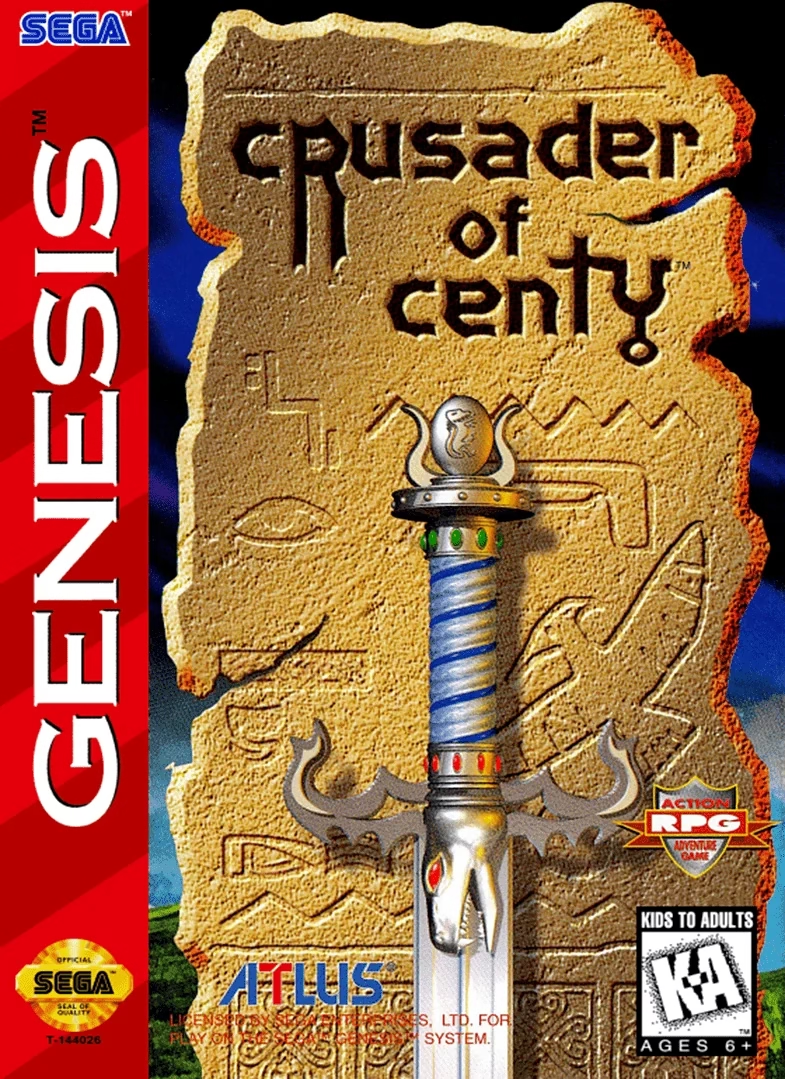
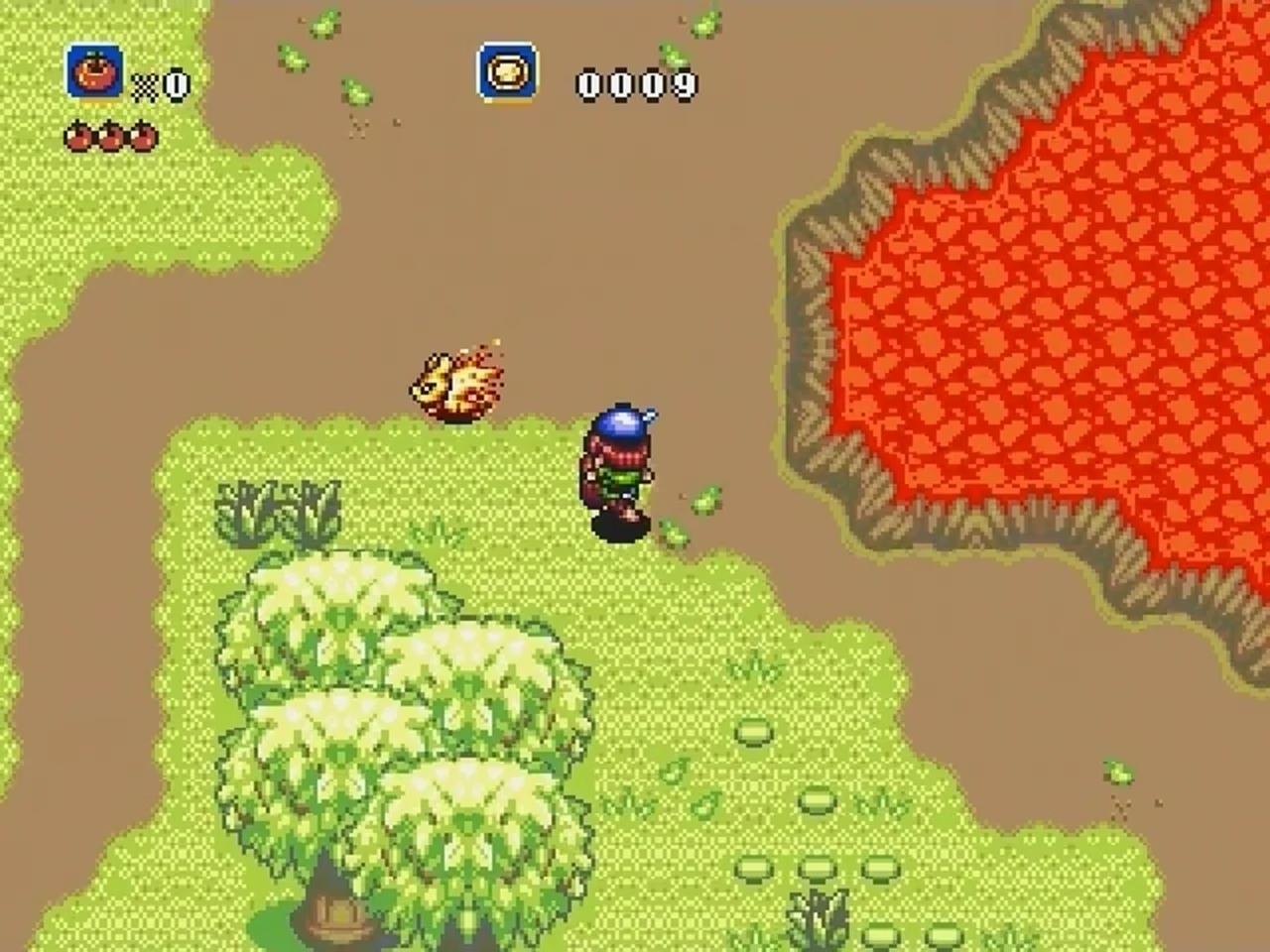
Crusader of Centy begins with the familiar comforts of a colorful action adventure: a young hero, a sword, and a world waiting beyond home. Corona’s journey soon gains a different character through the animals that accompany him. They are part of how you understand the world as well as how you move through it.
Those companions lend abilities that change combat and exploration. A new partnership can make a previously awkward situation manageable, giving you a reason to reconsider places and experiment with combinations. The adventure’s friendly appearance also makes its questions about humans and monsters feel more affecting when they arrive.
It is tempting to describe Crusader of Centy through another famous action RPG, but spending time with it reveals its own gentle, thoughtful identity. Genesis owners had something special here. The pleasure comes from a world that grows more complicated without losing the inviting color that brought you into it.
#7 — Heart of Darkness
Platform: PlayStation
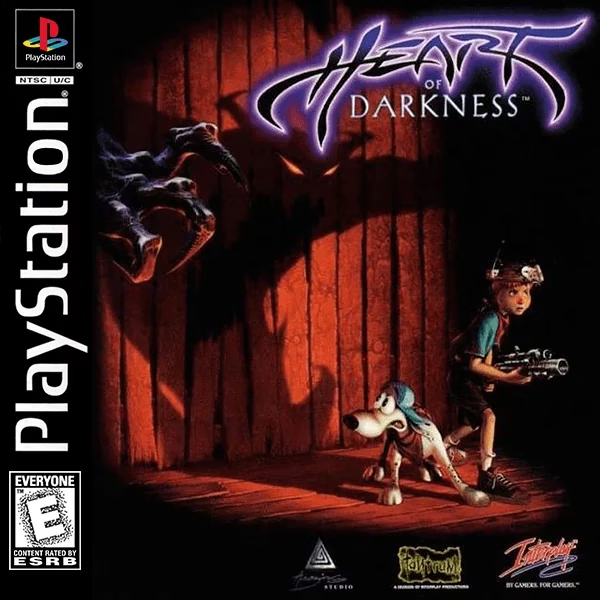
Heart of Darkness follows Andy into a hostile world in search of his dog, and immediately makes that small, personal mission feel enormous. Creatures lurk in the shadows, the scenery seems alive, and the animation gives Andy’s struggle a convincing physicality. It looks like an adventure film whose hero has wandered into real danger.
Playing it requires precision and patience. You read a scene, test a movement, and learn from the many ways Andy can fail. The cinematic detail makes a narrow escape exciting, but it also makes the frequent deaths startlingly vivid. Progress often feels like finally discovering how a dangerous little sequence was meant to unfold.
That severity will not suit every player, yet it is part of the game’s identity. Heart of Darkness combines an affectionate rescue story with a world that offers very little forgiveness. Its finest moments make the effort worthwhile: a beautifully animated passage, a hard-won escape, and the feeling that your small hero has survived something much bigger than himself.
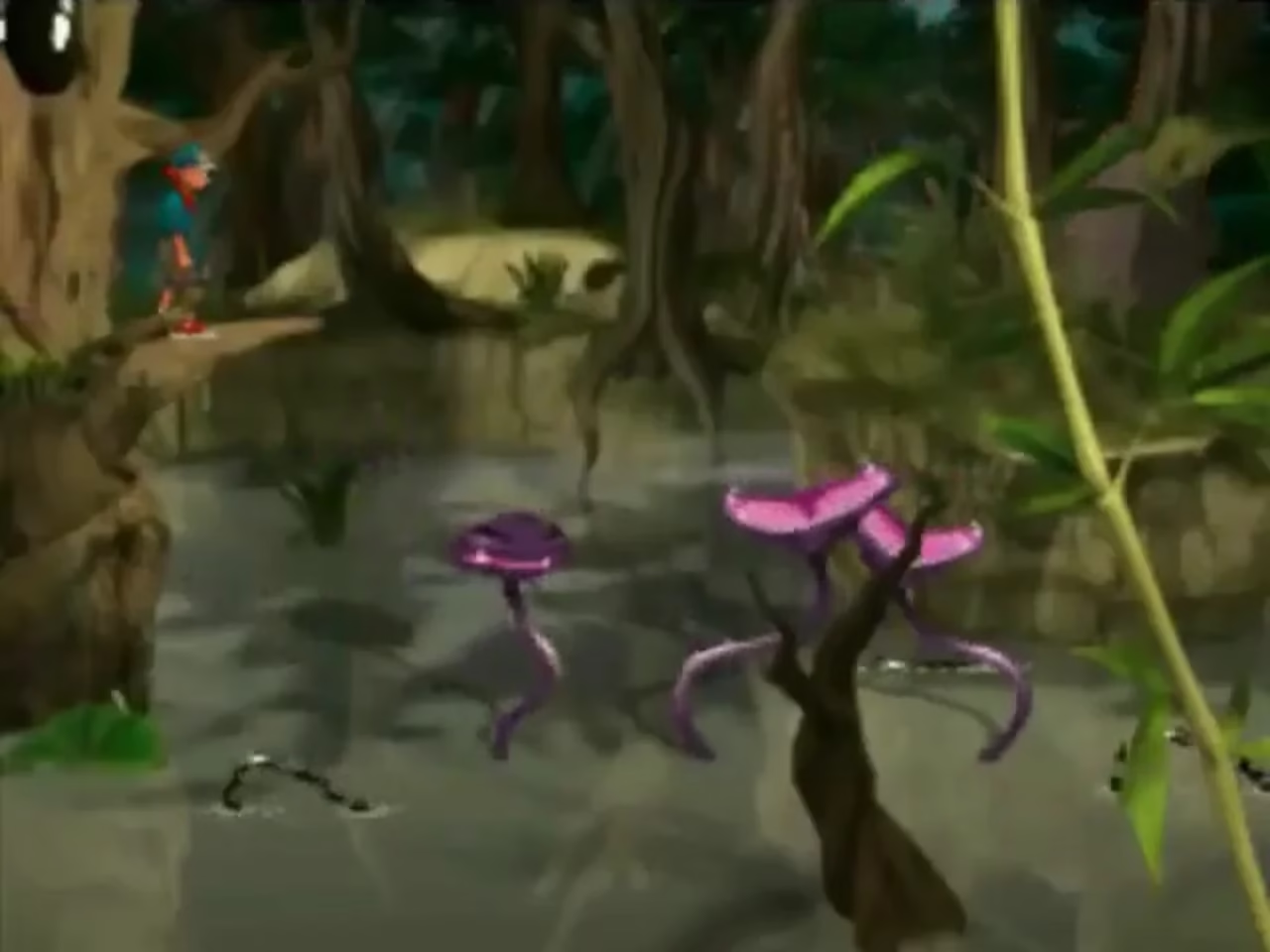
#6 — Mischief Makers
Platform: Nintendo 64
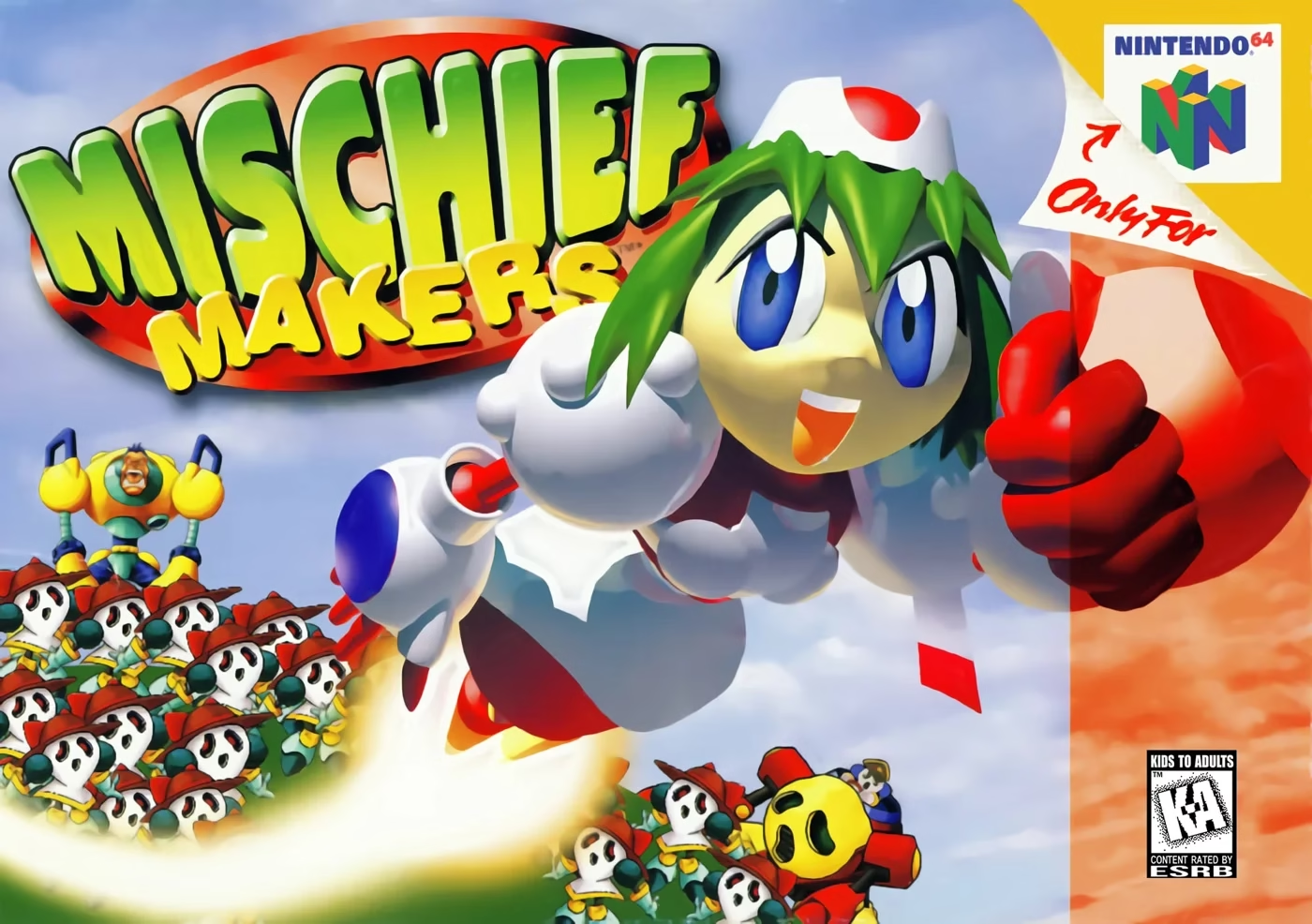
Mischief Makers builds its vocabulary around grabbing. Marina Liteyears grabs an object, an enemy, or something that hardly looks useful yet, then shakes or throws it to find out what happens. Treasure takes that simple interaction and keeps discovering new ways to make it surprising.
The stages ask you to learn the game’s particular rhythm rather than rely on familiar platforming habits. Objects can become transport, weapons, or puzzle pieces, and boss encounters turn those possibilities into elaborate performances. Its expressive characters make the experimentation feel delightfully ridiculous even when the timing becomes demanding.
On a Nintendo 64 remembered for three-dimensional worlds, Mischief Makers gives two-dimensional action a wonderfully noisy voice. It is an easy game to recognize and a harder one to master. If you missed it, Marina’s habit of shaking the world until it gives her an answer is still an excellent introduction.
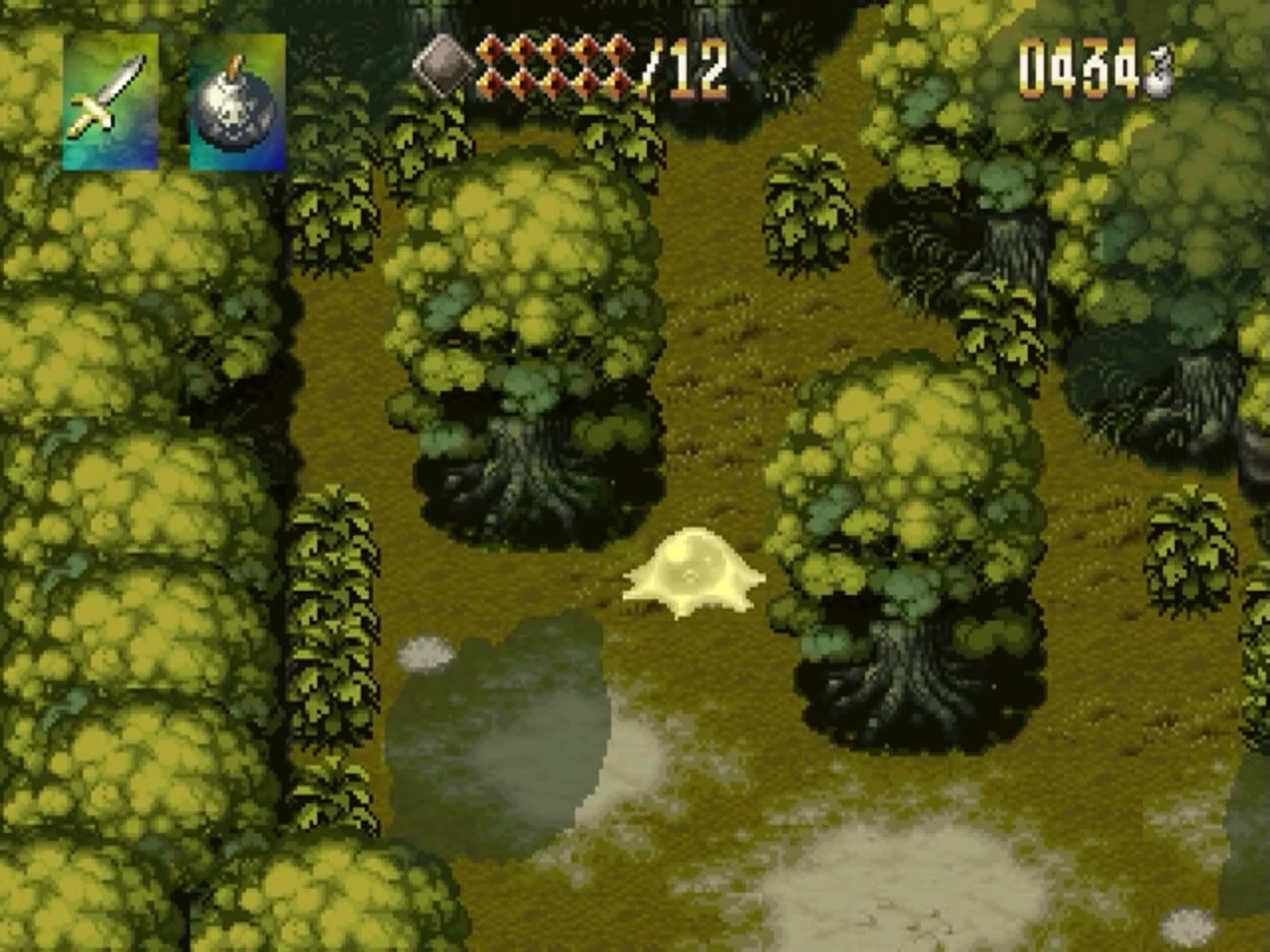
#5 — Alundra
Platform: PlayStation
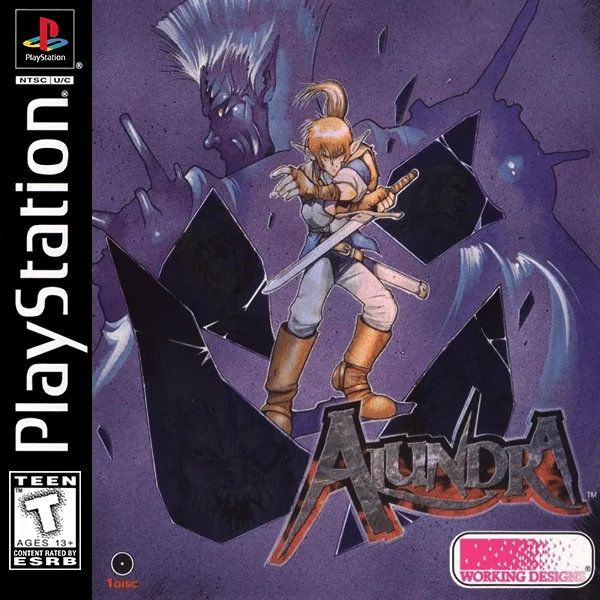
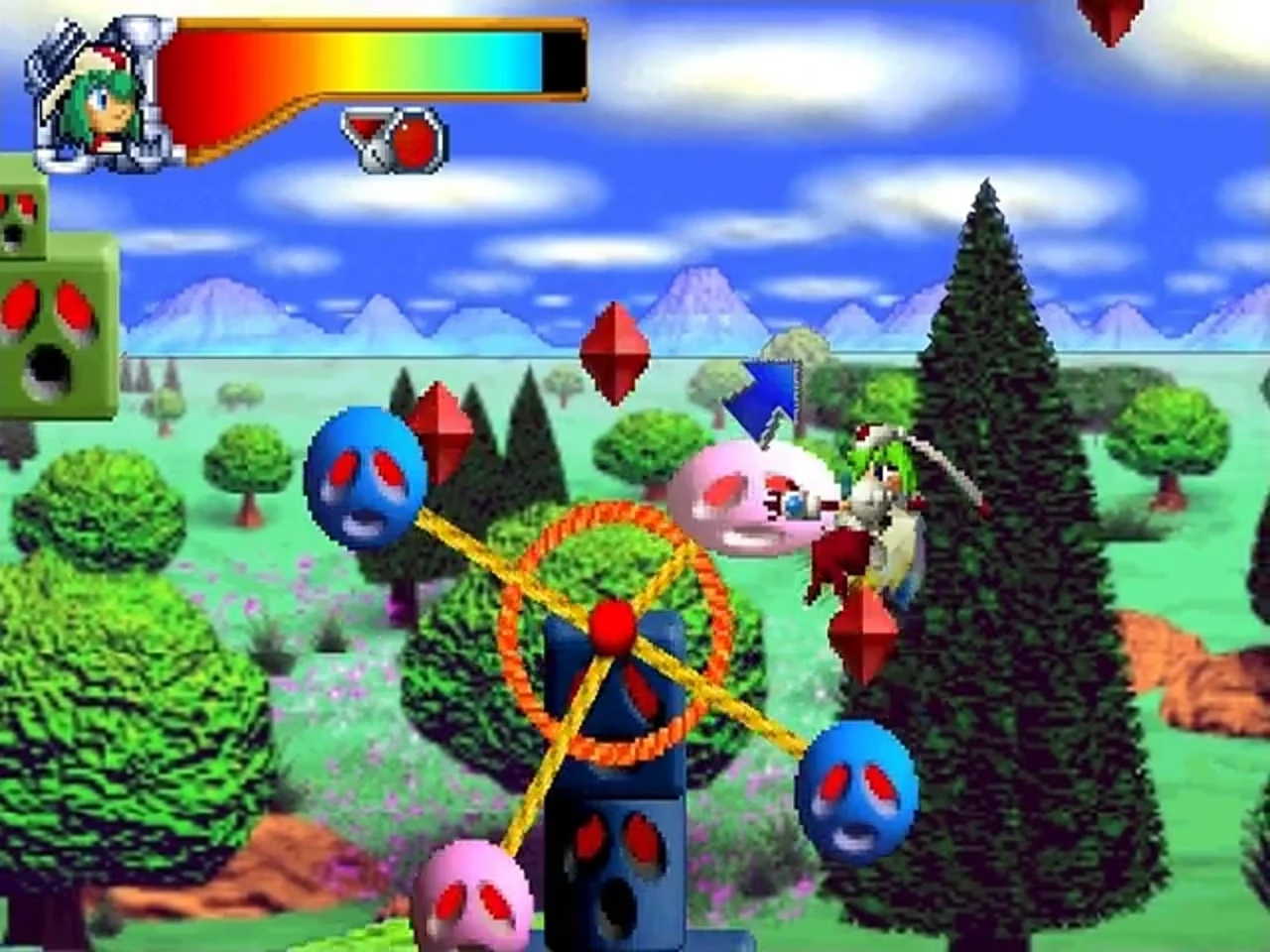
Alundra’s village looks peaceful enough to make its nightmares hurt. Its wandering hero can enter dreams, where ordinary fears become places you must explore and survive. The connection between those dangerous spaces and the people outside them gives the adventure an emotional pressure beyond the next dungeon entrance.
The action and puzzles are substantial in their own right. You jump, fight, investigate mechanisms, and work through rooms that reward careful observation. The pixel art makes the world inviting, while the story repeatedly challenges the expectation that an inviting world will necessarily be a safe or kind one.
Alundra earns its place through that combination. It has the tactile pleasures of a strong action RPG and the growing unease of a community in trouble. Players who came looking for a cheerful adventure may have found something darker than expected, and that surprise remains one of the best reasons to revisit it.
#4 — Einhänder
Platform: PlayStation
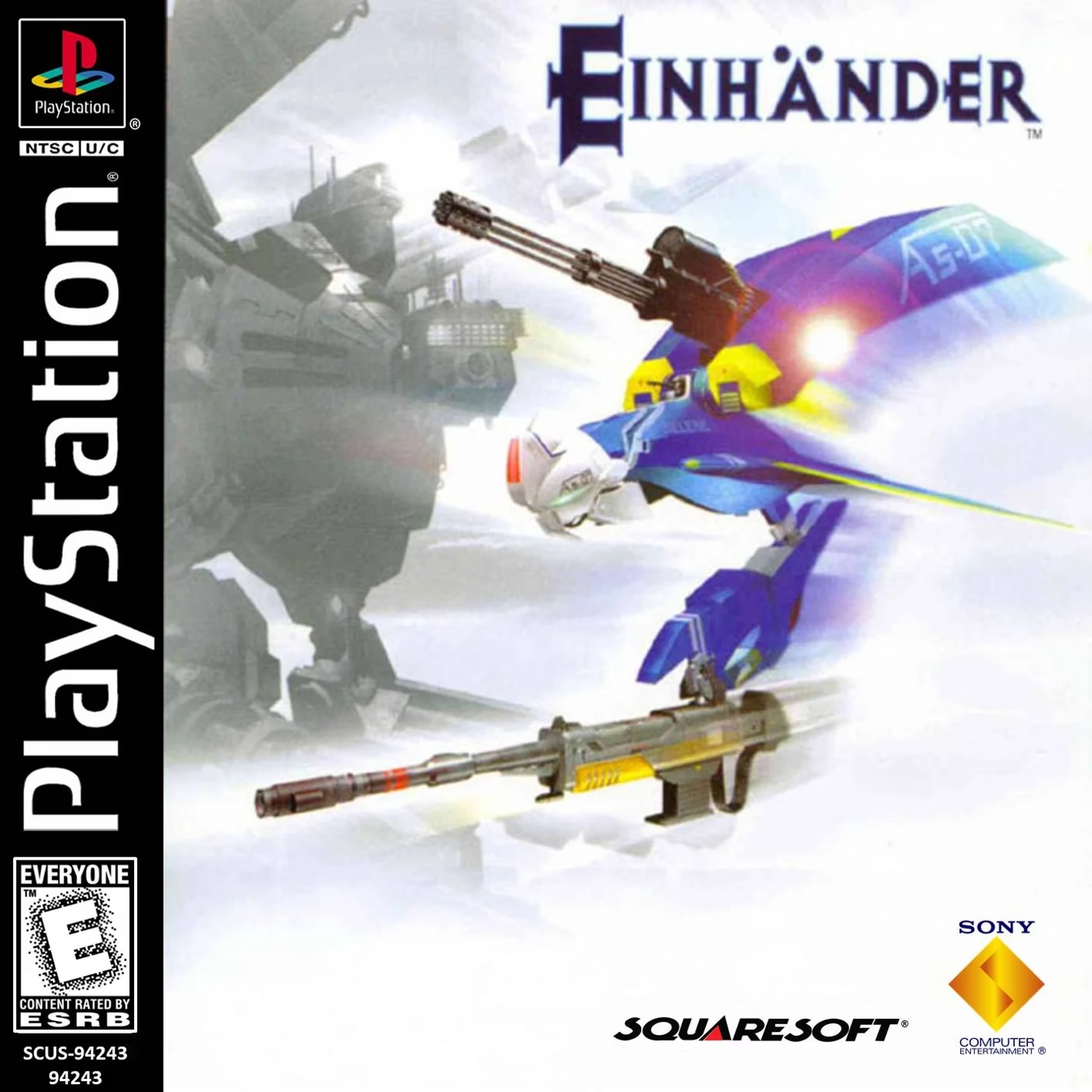
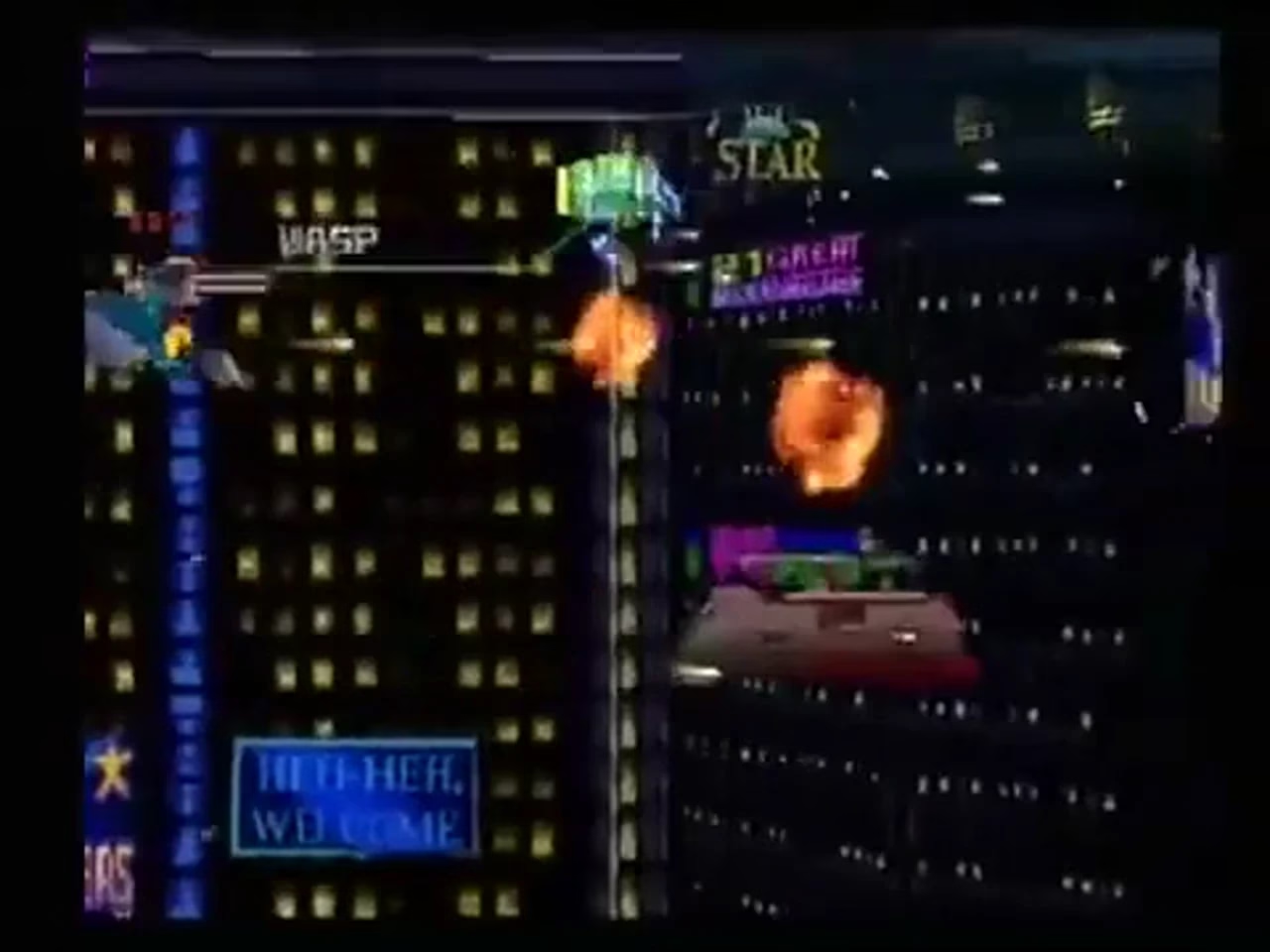
Einhänder sends a small fighter into a city that seems built to overwhelm it. Machinery crowds the screen, enemies arrive from awkward angles, and the viewpoint gives a side-scrolling shooter an unusually cinematic scale. You are always moving forward, but the world feels larger than the strip you can safely occupy.
Its weapon system makes defeated enemies valuable. Gunpods can be taken and attached to your ship, so a fight is also an opportunity to change your equipment. Managing those weapons, their placement, and their ammunition gives each stretch of action a tactical texture beyond simply holding the fire button.
Square’s shooter has the confidence of a game that knows exactly how it should sound and move. The music and mechanical designs keep the pressure lively without flattening everything into noise. Einhänder remains a striking PlayStation detour, particularly for anyone who associates the company’s nineties output entirely with RPGs.
#3 — Alien Soldier
Platform: Sega Mega Drive
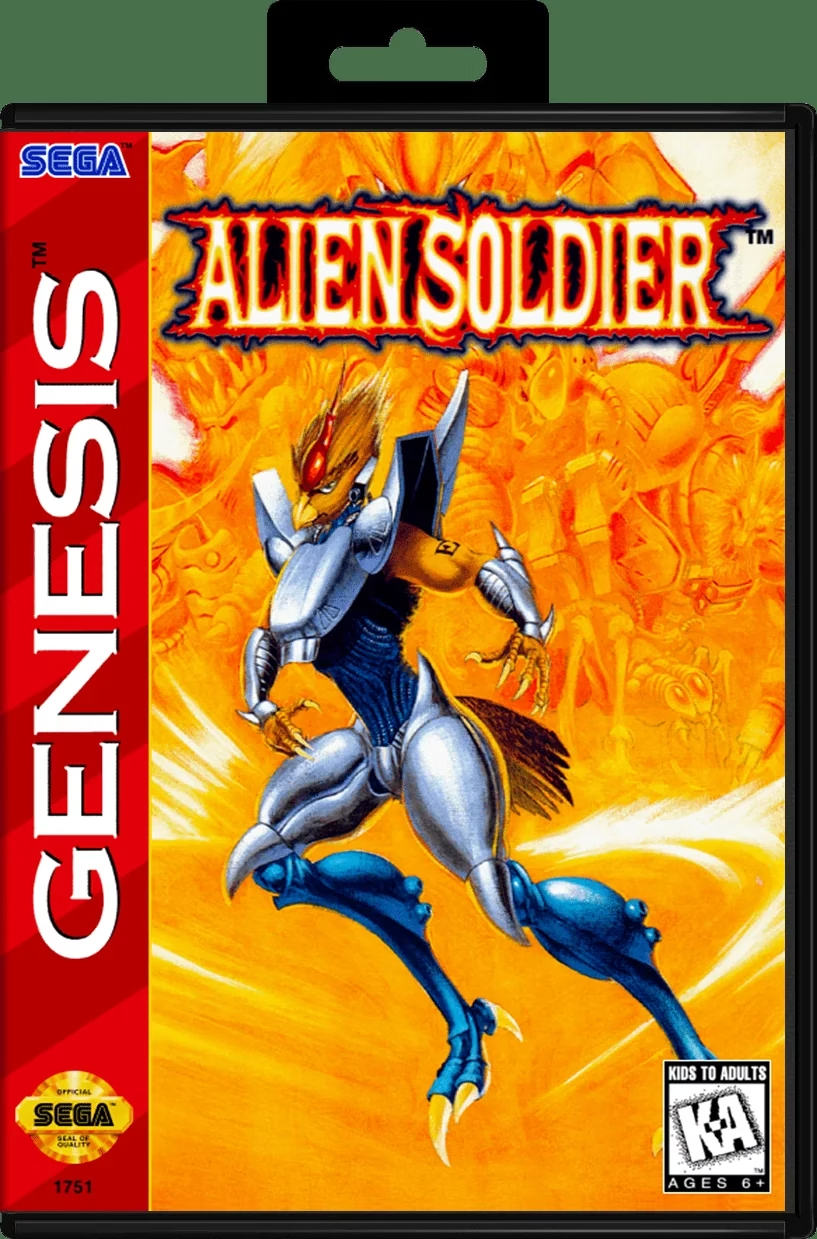
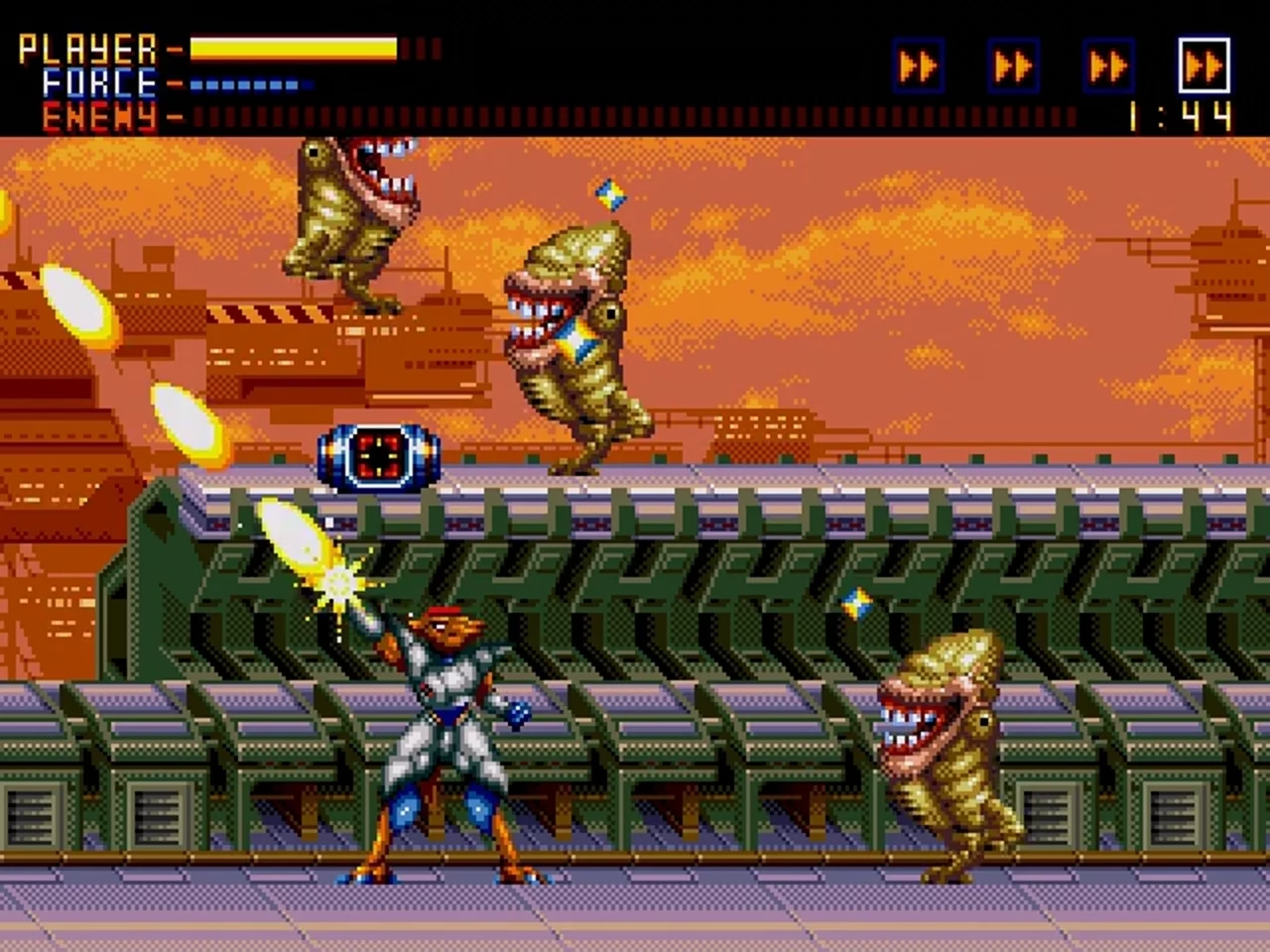
Alien Soldier has little interest in keeping its biggest ideas for a distant finale. Huge opponents arrive with alarming regularity, each demanding that you understand a different combination of movement and attack. Treasure turns the boss encounter into the main language of the adventure.
Learning that language takes work. Your weapons and mobility offer considerable freedom, but the game expects you to use them deliberately under pressure. A fight that initially looks impossible becomes readable as you understand its pattern, then thrilling when you can move through that pattern without hesitation.
This is a demanding Mega Drive showcase with a personality as intense as its pace. Its original availability varied by region, which helped make it easier to miss than some of the console’s familiar favorites. For players willing to practice, the reward is action that feels densely designed from one confrontation to the next.
#2 — Omega Boost
Platform: PlayStation
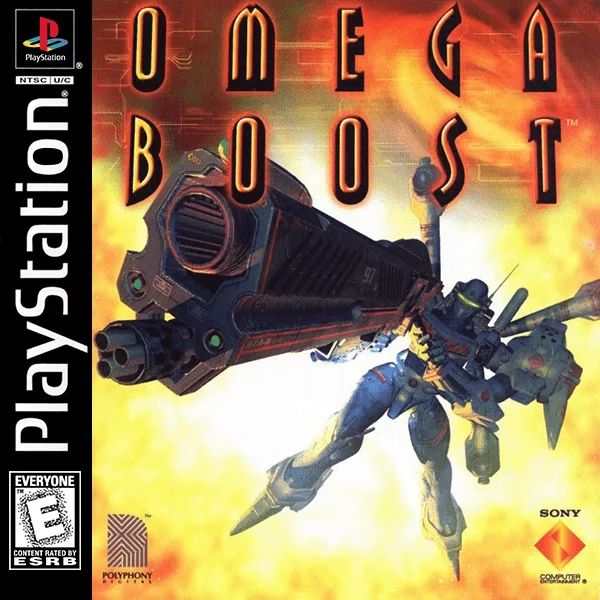
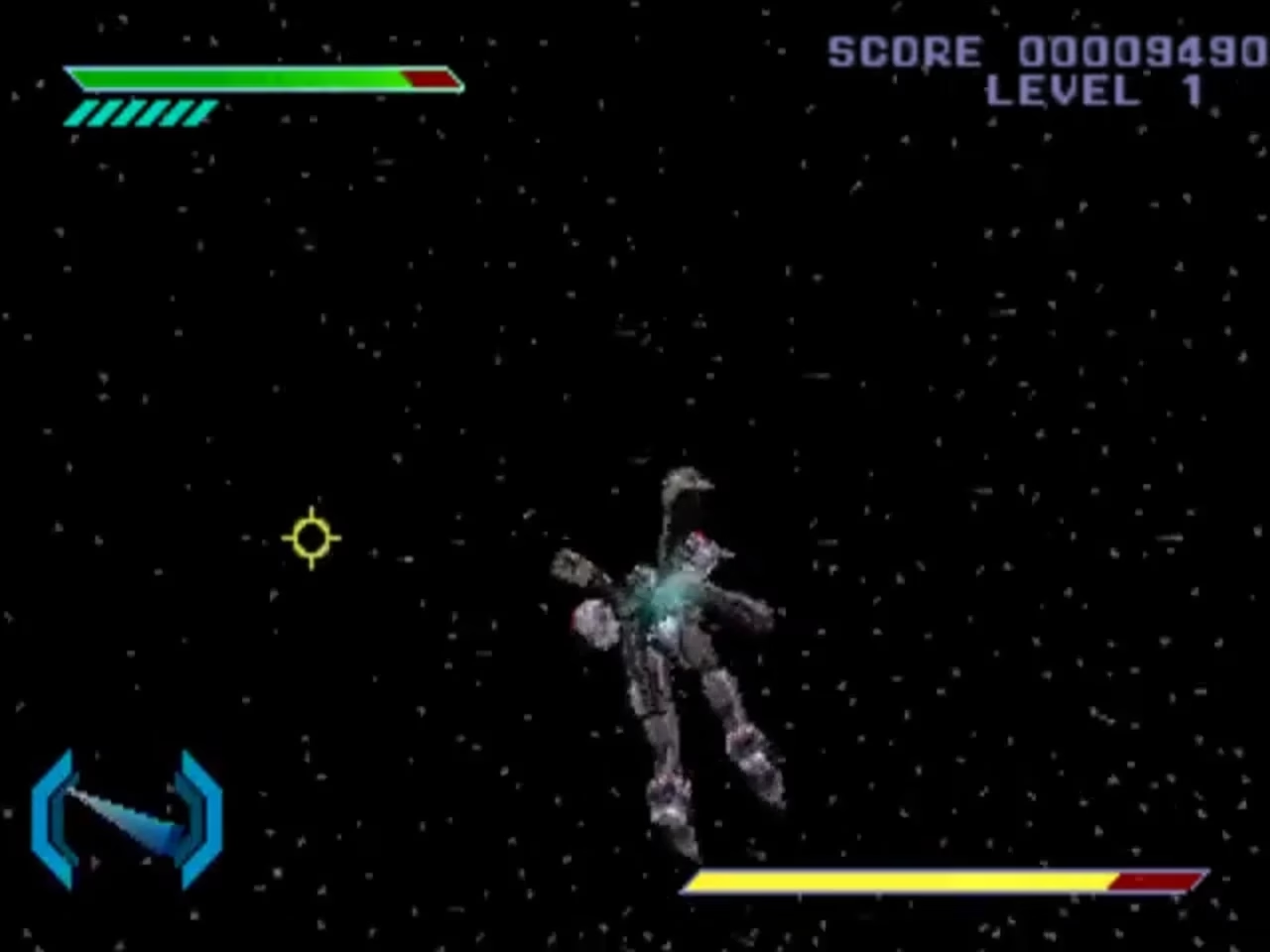
Omega Boost puts you in a flying combat machine and makes speed part of the spectacle. Space opens around you, enemies sweep into view, and a lock-on attack turns a cluster of targets into a burst of movement and light. Its presentation makes the machine feel sleek and dangerous rather than cumbersome.
The trick is learning to follow the battle through that motion. Finding targets, choosing when to attack, and reacting to larger machines gives the flights their structure. The camera and effects make the encounters look dramatic, but clear decisions are still needed beneath all that visual energy.
Coming from Polyphony Digital, Omega Boost is an especially intriguing branch of PlayStation history. It shows the studio pursuing a very different kind of speed from the racing it became known for. It is a compact, memorable change of direction that deserves to be recalled for more than the surprise of who made it.
#1 — The Adventures of Lomax
Platform: PlayStation
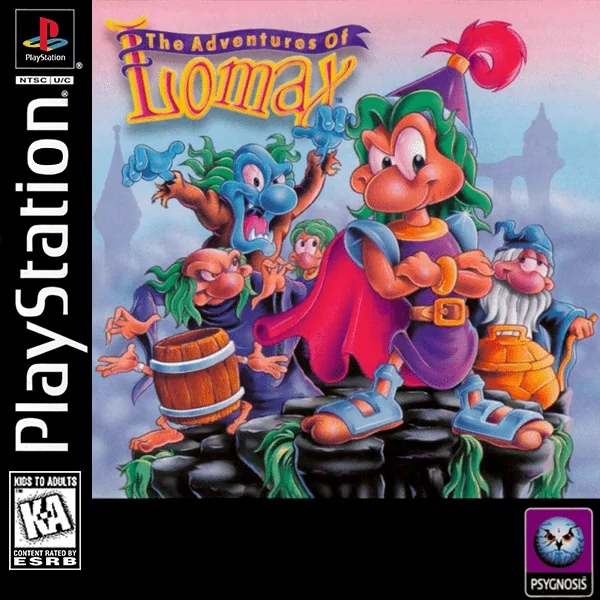
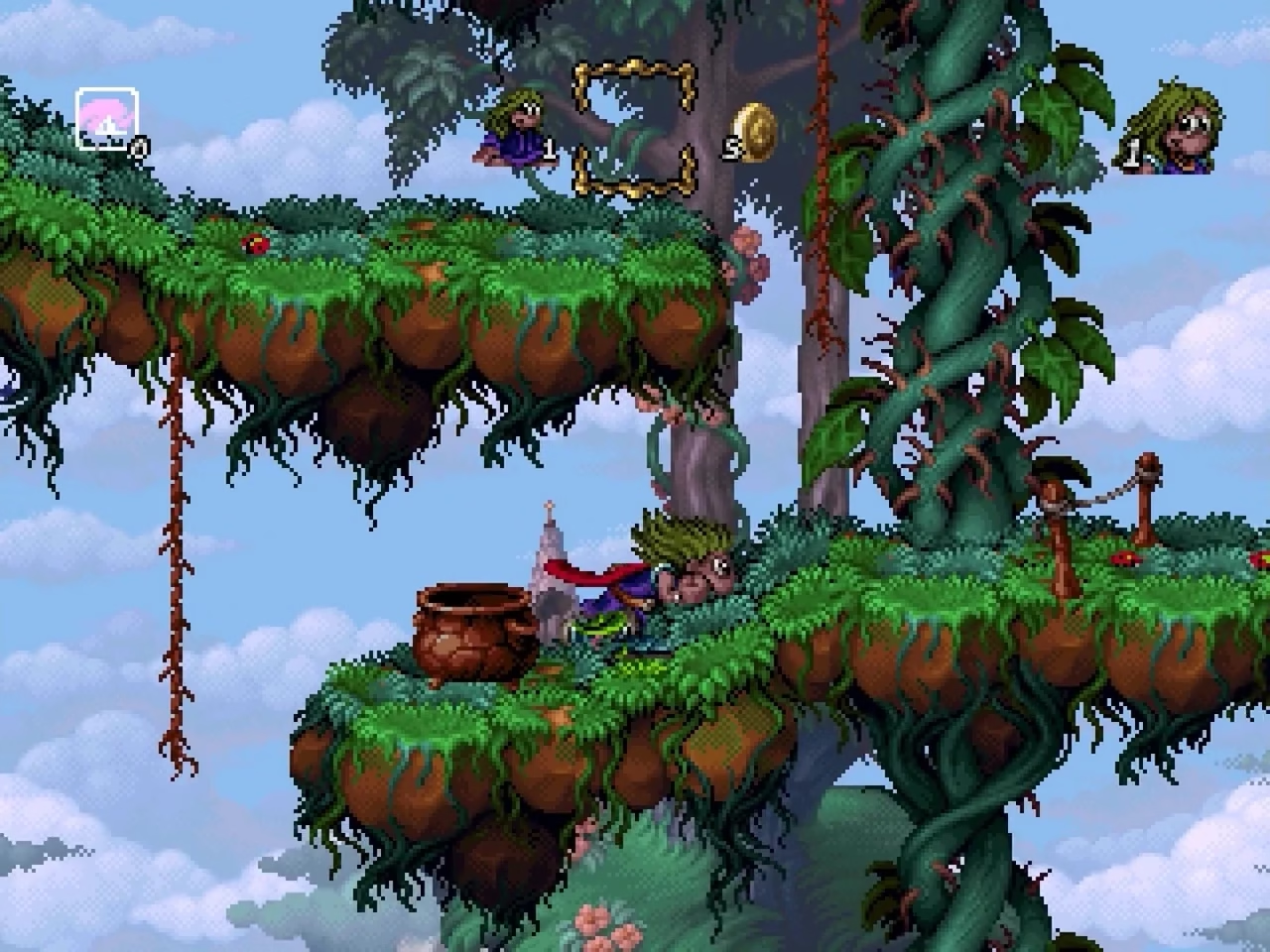
The Adventures of Lomax takes a familiar little Lemmings figure and gives him a world with room to breathe. Lomax moves through richly illustrated scenery with the bounce and expressiveness of a proper animated character. On a console rushing toward polygons, its detailed two-dimensional artwork feels wonderfully assured.
There is a platformer beneath all that beauty. Jumps, enemies, and useful abilities shape the route, and the Lemmings connection gives the adventure an identity beyond its cheerful hero. The pleasure is in moving through a stage whose small details keep catching your eye without asking you to stop playing.
Our number one is a celebration of the games that slipped past the loudest conversations. Lomax did not need to become a household name to deserve attention. Its animation, color, and sense of craft make it an ideal final rediscovery: a PlayStation adventure that can still make someone look at the screen and ask how they missed it.
Which one did you play?
A forgotten game is often just one good recommendation away from becoming someone’s next favorite. Tell us which of these you remember, which you missed, and what belongs in the next countdown. To revisit older systems, explore our emulation section for a starting point.