Retro Replay Retro Gaming History, Reviews & Emulation
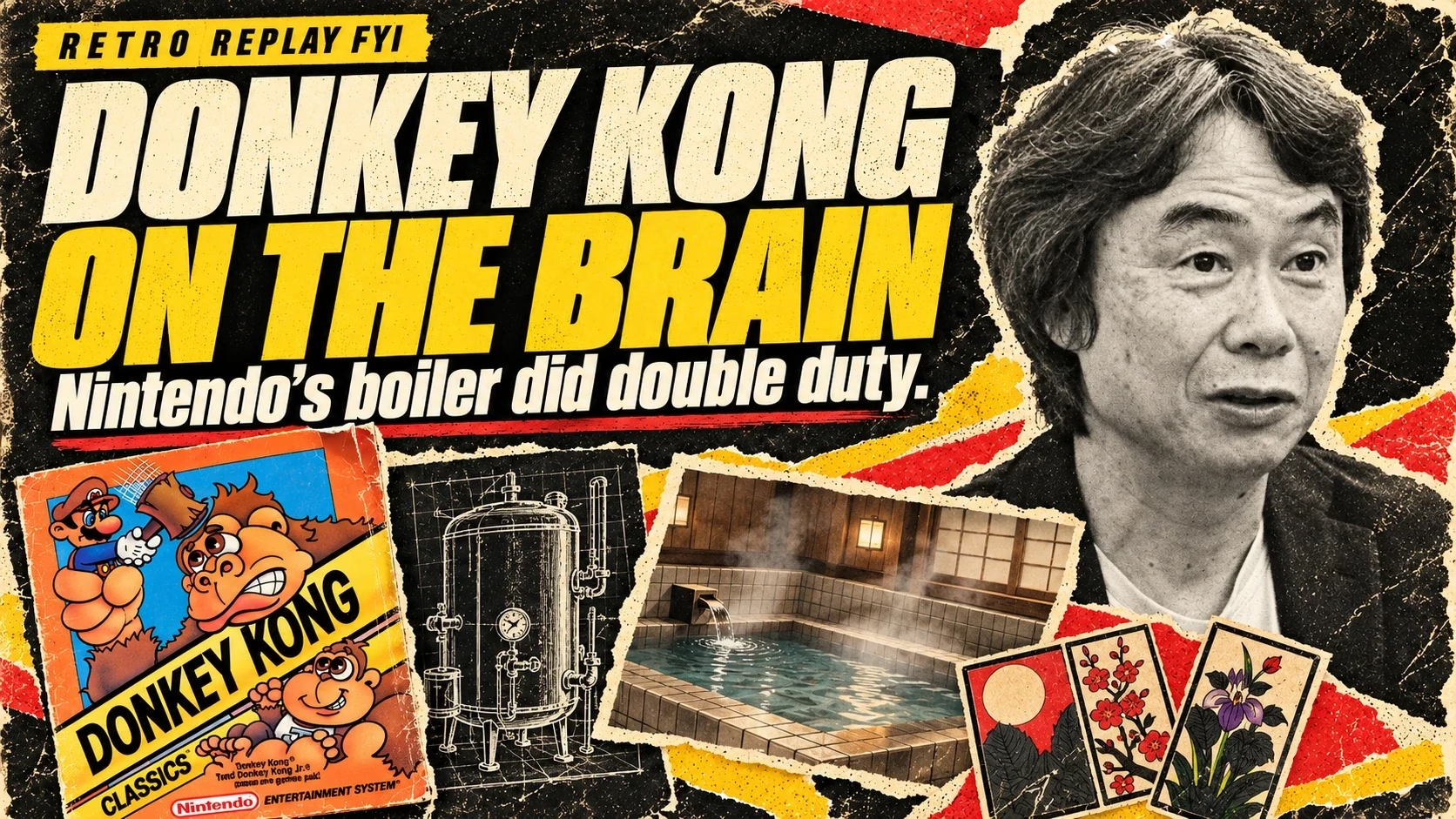
Some people do their best thinking in the bath. While working on the original Donkey Kong in the early 1980s, Shigeru Miyamoto had a particularly convenient one: Nintendo’s company bath. Its hot water came from the boiler used by the playing-card factory. That’s quite a long way from an arcade cabinet, but apparently a good place to get your thoughts in order.
He was staying in Nintendo’s company housing and bathing at work. Once the factory workers had gone home, he could take his time in the tub and sort through the day’s ideas.
A useful perk after everyone went home
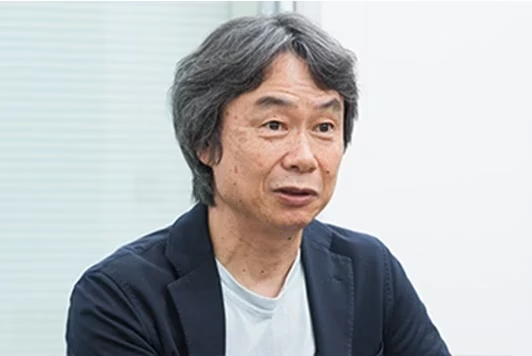
In Nintendo’s 2016 Donkey Kong interview, Miyamoto recalled living in company housing across the river. Factory workers used the adjoining bath after their shifts. Later at night, it was empty, leaving him time to relax and collect his ideas.
You can understand the appeal. After spending the day trying to solve something, getting away from the desk can feel like a small victory. A warm bath sounds considerably better than staring at the same problem for another hour.
The boiler had another job
Nintendo needed the boiler for its Japanese playing-card production and also used it to supply the bath. One bit of factory equipment was doing double duty. Miyamoto called the bath “a lifesaver.”
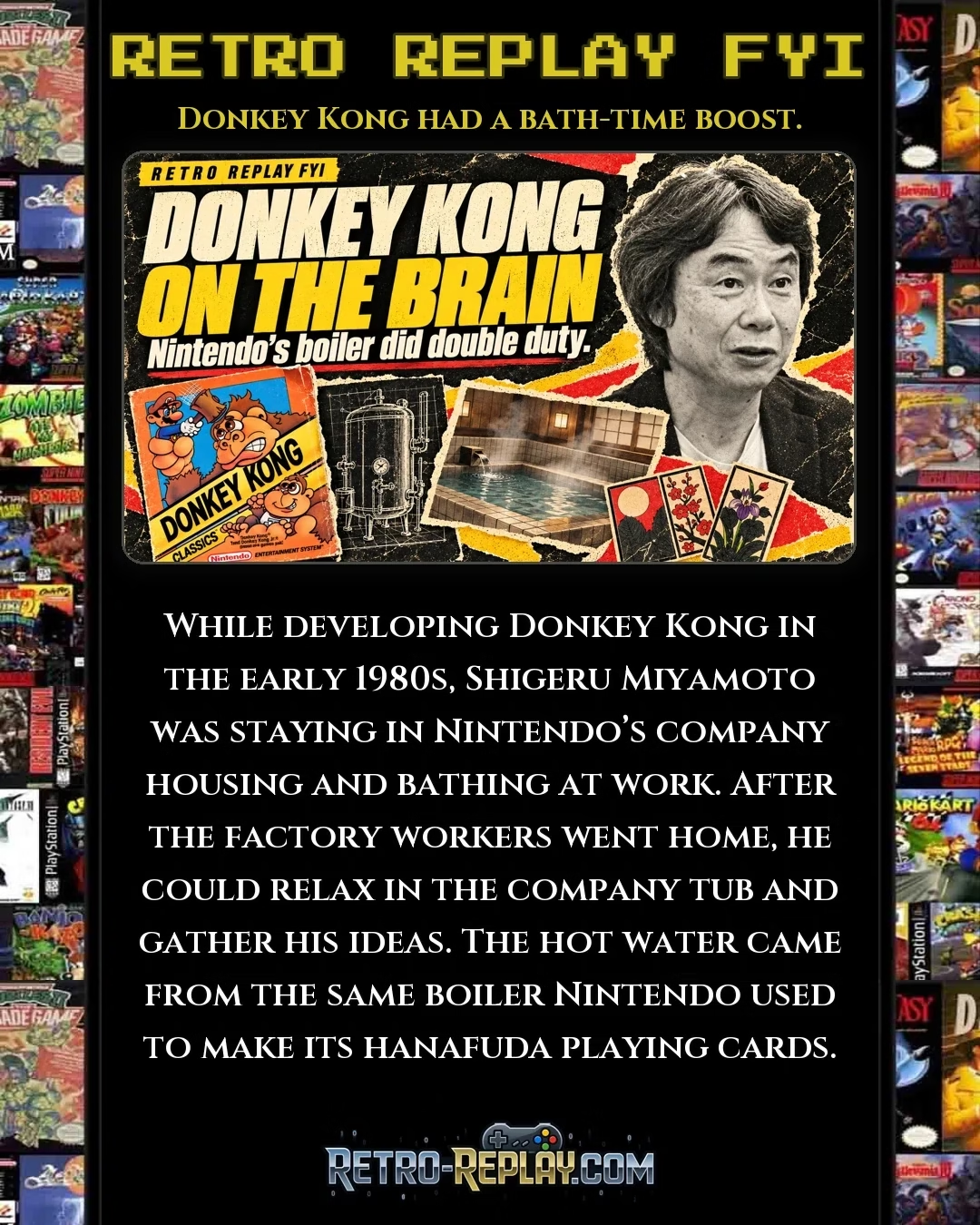
The cards are a lovely part of this story. Nintendo’s company history begins in 1889 with Fusajiro Yamauchi making and selling hanafuda in Kyoto. Donkey Kong reached arcades in 1981. By then, the company had spent decades finding different ways to entertain people.
We tend to tell that history as a sequence of new products. The old ones step aside, and the next era begins. Then a detail like this turns up: the card factory’s boiler is still there, and a game designer is grateful for the bath it heats.
Meanwhile, the barrels kept coming
Donkey Kong feels wonderfully direct when you play it. There’s trouble at the top, a route upward and something coming down to ruin your plan. You can understand what you want to do almost immediately. Doing it is another matter.
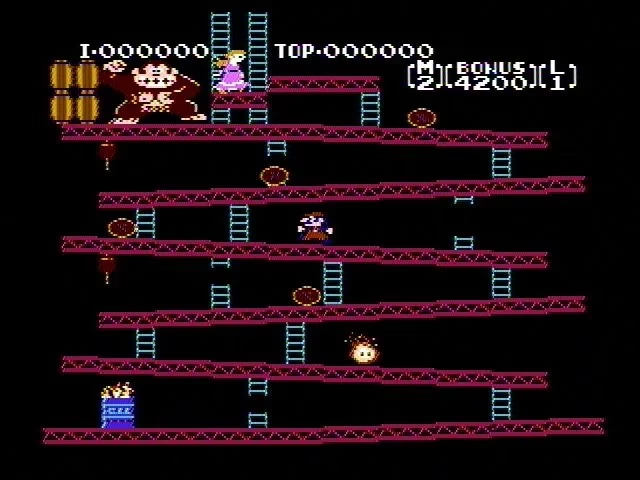
A barrel approaches and you hesitate. Jump now, or wait? Take the ladder, or keep moving? A tiny mistake can end a good run, which somehow makes another attempt feel like a reasonable use of the next few minutes.
That’s the game people remember. The company bath belongs to the quieter side of making it, when the person working on all those decisions finally got a little time to think.
A very Nintendo bit of plumbing
I wouldn’t go looking for a bathtub on the Donkey Kong development credits. Still, it’s hard not to enjoy the connection. The equipment helping Nintendo make playing cards also supplied a useful break for the man working on its arcade game.
Sometimes the best detail in a development story is this small: the bath was warm, everyone else had gone home, and Miyamoto could take his time.
Sources
- Nintendo’s 2016 Donkey Kong developer interview, for Miyamoto’s firsthand account of the housing, factory boiler and company bath.
- Nintendo’s official company history, for the hanafuda origins and 1981 arcade release.
- WIRED: Miyamoto Spills Donkey Kong’s Darkest Secrets, 35 Years Later, for contemporary coverage of the interview.
- Retro Replay’s Donkey Kong Classics database entry, for the later NES compilation’s artwork and gameplay image.