 Retro Replay Retro Gaming History, Reviews & Emulation

Retro Replay Review
Gameplay
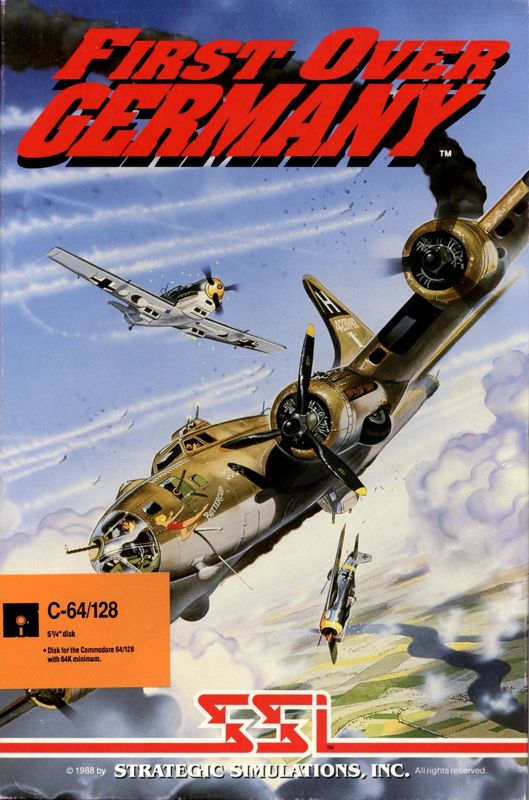
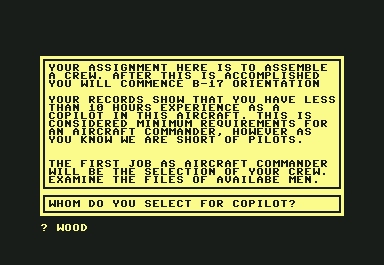
The first hour is deliberately instructional, and you should not skip its spirit even if you are eager to get to Germany. First Over Germany begins with an unseasoned pilot and asks you to choose a crew, learn to fly, take off, join formation, and conduct practice bombing runs. It is a stern introduction, but it gives the later campaign a satisfying sense of progression. You are not simply handed a B-17 and sent toward a target; you have to prove you can handle the routine that keeps a bomber and its crew together.
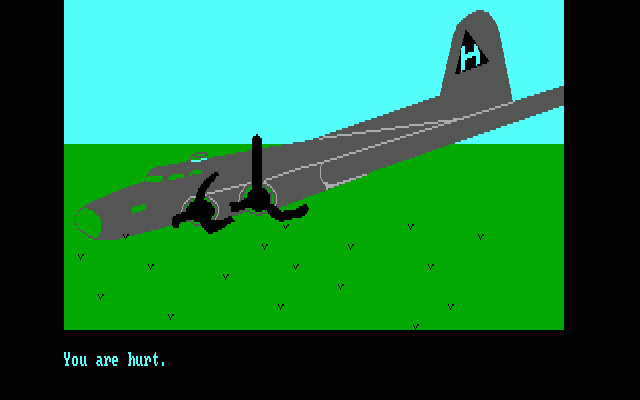
What starts to click is the way the game treats a mission as a whole chain of responsibilities. Bombing is central, yet it is only one part of getting a good result. Staying in formation and finishing the mission matter, as do enemy aircraft shot down, while poor outcomes such as crashing, ditching, bailing out, or using a secondary airfield pull your efficiency down. That scoring makes safe, disciplined flying feel valuable rather than like dead time between combat encounters.
The crew dimension is another strong idea. Your aptitude and stamina, along with the copilot, bombardier, navigator, engineer, radio operator, and gunners, all influence how missions go. Add thirteen possible kinds of aircraft damage, and a raid has room to turn ugly even after you have learned the basics. Frustration can set in because the game is clearly less interested in instant heroics than in punishing mistakes across a long tour. If you enjoy methodical military simulations, though, that severity is exactly where its tension comes from.
The 25-mission duty tour is a meaningful payoff for the training. Briefing screens establish each assignment and its objectives, then the efficiency system gives you a reason to care about more than merely returning alive. It is a good fit if you want a World War II air-war game built around competence, attrition, and accumulating consequences. If you want a quick, forgiving flight-combat rush, the formal training and formation emphasis will feel like a barrier.

Graphics
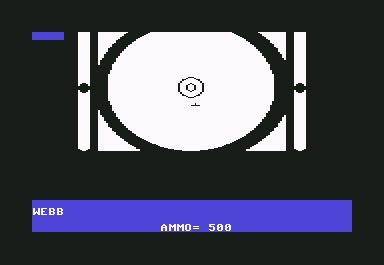
First Over Germany uses first-person flight and top-down viewpoints, putting the aircraft operation alongside a broader view of the action. The briefing screens are also an important part of what you see between sorties, laying out each mission before you commit the bomber and crew to it.
Story
This is a historical campaign rather than a character-driven war story. The game follows the real-world formation of the 306th Bomb Group, from training through its move to Thurleigh, England, before sending you on raids over Germany. That structure gives the opening lessons a clear purpose: they are part of the unit’s path into combat, not a detached tutorial.
Your role as a second lieutenant keeps the story grounded in professional development. You begin with limited flight experience, assemble a crew, and gradually move from practice work in the United States into the pressure of a 25-mission combat tour. The narrative momentum comes from promotion in responsibility and the mounting record of sorties rather than scripted drama.
That approach will land best if you like history conveyed through procedure. Every mission briefing and post-mission efficiency result becomes part of your version of the tour. A clean return reinforces the feeling that you are building a capable crew; a damaged aircraft, broken formation, or forced bailout turns the same campaign into a harsher account of survival.
Overall Experience
First Over Germany earns its strongest moments by refusing to reduce a B-17 raid to a bombing reticle and a return trip. Training, crew selection, formation flying, damage, objectives, and scoring all pull in the same direction: you are managing a demanding bomber assignment, not just chasing targets. The result has a satisfying seriousness once its routines become familiar.
Its patience requirement is real. Early flying instruction and practice missions ask you to accept repetition before the campaign reaches England, and the efficiency penalties can make a bad run sting. Yet the game gives those setbacks purpose because your tour is measured across many missions, not a single clean victory. You will get more from it by treating each sortie as part of a longer record rather than restarting mentally whenever conditions go wrong.
For a gamer drawn to historical simulations, First Over Germany is worth the commitment. The campaign’s connection to the 306th Bomb Group, the long progression from trainee to combat pilot, and the pressure of keeping both aircraft and crew effective make it more absorbing than its simple premise suggests. It is demanding, sometimes unforgiving, and much more rewarding when you meet it on its own deliberate terms.


Reviews
There are no reviews yet.