Retro Replay Retro Gaming History, Reviews & Emulation
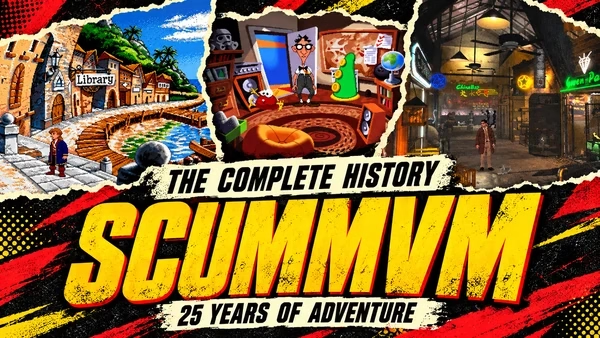
You have remembered the pirates, the music and at least three jokes. You have not remembered what to do with the thing in your inventory. Twenty minutes into Monkey Island, the old routine is coming back nicely: walk into a room, annoy everybody in it, leave with something that probably belongs to somebody else.
For a while, getting the game to start could be the hardest puzzle of the evening. The disc was fine. The computer was considerably more powerful than the one you used before. Somewhere between the installer, the operating system and the missing sound, they had agreed that this was no longer any of their business.
ScummVM became a way through that nonsense. Give it the right game files and it would take you back to the adventure. In 2001, that mostly meant LucasArts. A quarter of a century later, you can open the same launcher and find Sierra mysteries, children’s adventures, dungeon crawlers and Blade Runner waiting beside the pirates.
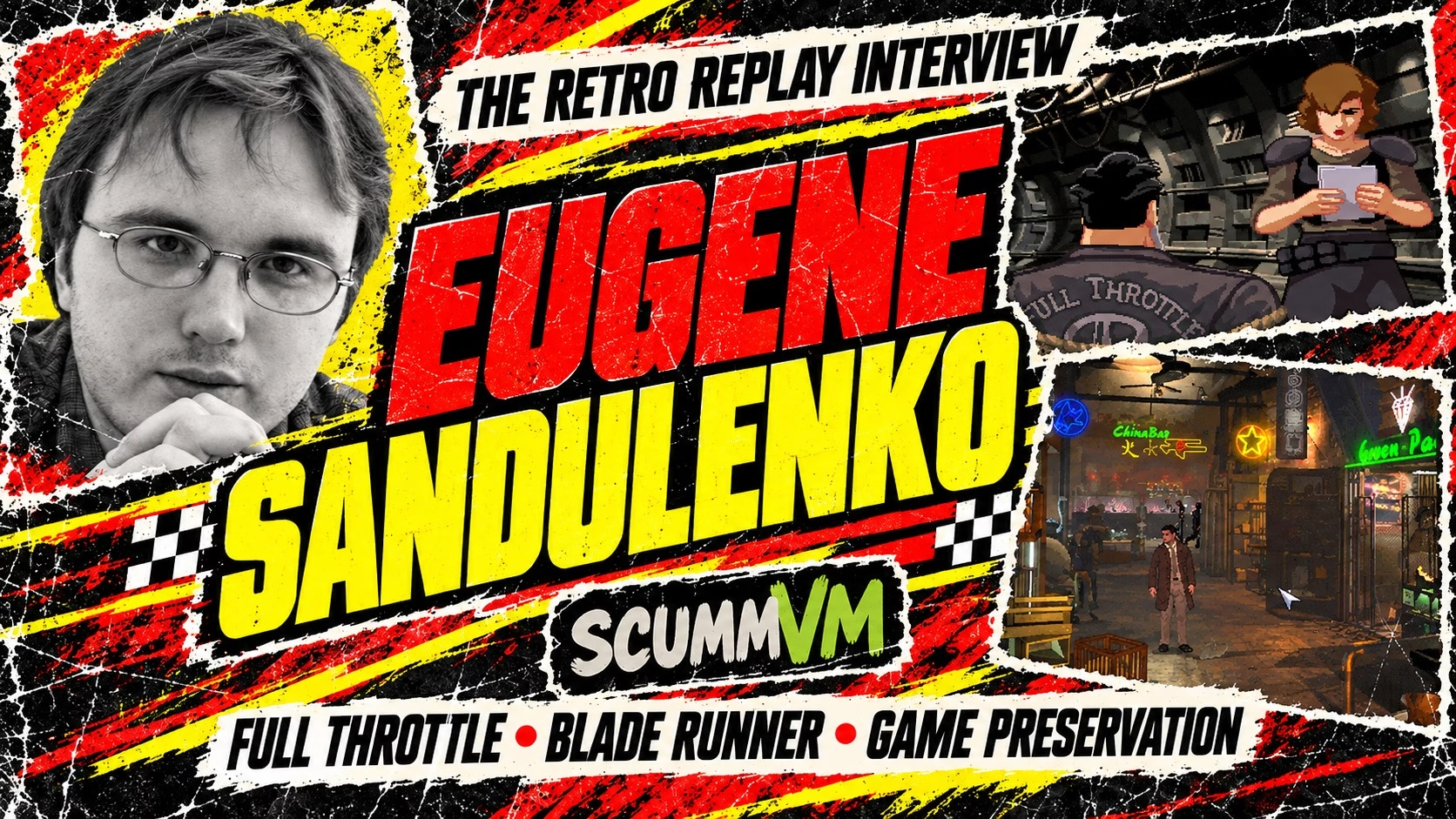
Ludvig Strigeus and Vincent Hamm started the project. James Brown, Max Horn and a growing team kept it moving, and the list of games kept getting less predictable. Our interview with project leader Eugene Sandulenko fills in a few of the stories along the way. He arrived to fix Full Throttle. It turned out to be a very effective way of losing the next two decades to adventure games.
Explore ScummVM’s history
- Before ScummVM: Maniac Mansion (1987) and the machinery behind the jokes
- 2001: Ludvig Strigeus, Vincent Hamm and a new route to Monkey Island
- 2002: James Brown, Max Horn and games that almost work
- What ScummVM replaces, and what it keeps
- Simon the Sorcerer (2002): the name stops describing the whole project
- 2002: a letter from LucasArts
- Beneath a Steel Sky and Flight of the Amazon Queen (2003–2004): developers open the door
- Full Throttle (2003 onward): one broken font becomes a large job
- Freddi Fish, Pajama Sam and children growing up with ScummVM
- Dreamcast, Nintendo DS and phones: adventures leave the desk
- 2006–2009: leaders, students and a licence worth defending
- Sierra enters the launcher (2007–2010)
- Lands of Lore and the dungeon beyond the point-and-click adventure
- Blade Runner (2019): the mountain behind the neon
- Original bugs, restored conversations and the options menu
- ResidualVM and the adventures ScummVM could not yet hold
- AGS and Director (2021 onward): a much bigger cupboard of discs
- 2026: twenty-five years, and still another engine to investigate
- Playing through ScummVM today
- One more click
Before ScummVM: Maniac Mansion (1987) and the machinery behind the jokes
Maniac Mansion lets you choose a group of teenagers, send them into a decidedly unhealthy house and see what happens when curiosity gets ahead of good judgement. Beneath the jokes and the objects to steal, the computer has a fairly demanding job. It must get a character to the door, play the right animation and keep track of what everyone else is doing while you change your mind.
Ron Gilbert and Aric Wilmunder helped build SCUMM for that job at Lucasfilm Games. The name stood for Script Creation Utility for Maniac Mansion. As the project’s archived technical introduction explains, scripts described the scenes and interactions, while the interpreter handled the computer running them. A new adventure could use that machinery again, with additions as its designers found more things they wanted to do.
Years later, someone outside LucasArts could look at those old game files and see a way back in. The rooms, characters and instructions were still there. Write a new program that understood them, and a familiar adventure might play on a machine its original developers had never seen.

Monkey Island 2 made that an enticing prospect. Its islands are crowded with little distractions, odd jobs and people whose lives you make worse while trying to improve your own. Fate of Atlantis sends Indy through an adventure with enough conversations and branching routes to swallow an evening. Day of the Tentacle lets you meddle with the same house across centuries. These were games people wanted to revisit, not merely files they wanted to keep.
Unfortunately, the box could survive in better condition than your ability to play what was in it. You could keep the manual, look after the discs and buy a faster computer, then discover that the upgrade had somehow left you further from the game.
2001: Ludvig Strigeus, Vincent Hamm and a new route to Monkey Island
Ludvig “ludde” Strigeus wrote the original ScummVM, with Vincent Hamm becoming its co-founder. Hamm appears under names including yazoo and yaz0r; Strigeus also wrote the original SimonVM. You can still find those contributions in the credits, at the beginning of a list that has grown rather longer than either man’s first piece of code.
On 9 October 2001, Strigeus pushed the initial repository revision, the date remembered in the twentieth-anniversary account. Early builds and a website followed around those first months. There was something to download, something to try and, for a programmer who liked the idea, something to get involved in.

“ScummVM” told the technically inclined what they were getting: a virtual machine for SCUMM. Everybody else could concentrate on the more appealing part, which was the chance to play Monkey Island again. It was not a particularly elegant name. It was memorable, and there would soon be too many games attached to it to make changing it painless.
The new program used the original game data, so the artwork and writing were already waiting. Making them behave was another matter. A character had to know where to walk, a sound had to arrive at the right moment, and scripts needed to get the answers they expected. If any of that went wrong, an old favourite could suddenly do something very unfamiliar.
Reaching the first room must have looked encouraging. Reaching the last one was a much bigger job. An adventure can hide its nastiest failure behind an item you picked up three islands ago, a conversation you handled differently or a door you opened before the programmer expected you to. There is a lot of room between “the game starts” and “you can finish it”.
Players helped explore that gap. They downloaded builds, tried their favourite adventures and reported where the trip ended unexpectedly. Sometimes the next person to help was already sitting at home, delighted that the game worked well enough to get them stuck.
2002: James Brown, Max Horn and games that almost work
The early news posts have the feel of a busy room with the door left open. James “ender” Brown reports progress, asks for help and explains why a release is late. Max “fingolfin” Horn became another of the people steering the work. The project was picking up maintainers who would still be there when the excitement of another working title gave way to the next awkward bug.
In March 2002, the team froze changes while reorganising the engine into cleaner C++. Another working game was exciting, but the code also had to be something the next volunteer could understand. Otherwise each adventure risked becoming a private puzzle whose answer was known to one exhausted person.

The April testing call asked players to finish several LucasArts adventures and report serious failures. It distinguished crashes and freezes from smaller sound-synchronisation problems, and promised autosaving. Losing an evening to an adventure’s own trap was one thing. Losing it to the interpreter’s bug needed a better answer.
A May update mentioned a script race in Sam & Max’s Mystery Vortex that had kept developers awake. Two things happening in an unexpected order could spoil the illusion. To the player, Sam and Max should simply continue behaving like Sam and Max. Someone else had to determine why they suddenly did not.
It is easy to enjoy those reports now. At the time, there was an actual release waiting on the answer. Brown and the other maintainers had to keep the code moving while asking people to be patient, come back with a better bug report or have another go at finishing a game. ScummVM was becoming a community with chores.
What ScummVM replaces, and what it keeps
The difference becomes clearer when you watch what ScummVM does with a game folder. It supplies the engine that reads the adventure’s data and runs it. The old executable can stay behind. As the official FAQ explains, this is a replacement implementation of the game software, rather than a recreation of the whole computer.
DOSBox takes the other route, recreating an environment for the original DOS program. Both approaches can put the same game back on your screen. ScummVM gets there by understanding the adventure itself, which is why it needs support for that game and sometimes for that particular edition.
Once the team controls the engine, it can also repair an original bug or give a mouse-led adventure more comfortable controls on another device. Of course, a replacement program can introduce new bugs too. The early testing calls were not excessive caution. They were how the team found out what it had actually made work.
Simon the Sorcerer (2002): the name stops describing the whole project
Simon the Sorcerer was an easy guest to invite. Another young man in an unsuitable outfit, another countryside full of people who needed something, another inventory filling with items whose usefulness was not immediately apparent. Adventure Soft’s game had plenty in common with the adventures already on the menu. Its engine was a different matter.
The addition was announced in April 2002; the 0.2.0 release followed in May. ScummVM had crossed out of LucasArts territory within its first year. Anybody hoping for a perfectly descriptive name had arrived too late.

Simon needed its own engine work, covering the way its resources, animation, sound and game logic behaved. Once that was in place, it could share the surrounding services and sit beside LucasArts games in the launcher. To a player choosing what to play that evening, the difference in plumbing was happily invisible.
This was also how one favourite could lead to another. Developers had reused and revised their engines across games. Learn enough about one and a related title might become a realistic next project. It might also contain a horrible surprise, but by then somebody would usually be curious enough to investigate.
2002: a letter from LucasArts
In June 2002, Brown had an update that involved rather less adventuring: LucasArts’ legal department had contacted the team and requested removal of the site. According to his account, the request assumed ScummVM was distributing LucasArts’ engine. The team replied that its implementation came from its own reverse engineering and decoding work.
ScummVM continued. Brown’s post records the team’s side of the exchange, with no court ruling attached. For people giving their spare time to a program, it was an unwelcome reminder that the owner of the games could take an interest for reasons other than fixing Sam & Max.
The team could write a new interpreter, but Guybrush and his adventures still belonged to their owners. Players needed the original data from suitable copies of the games. That distinction remained part of ScummVM as the library grew, and it would make the next kind of publisher relationship especially welcome.
Beneath a Steel Sky and Flight of the Amazon Queen (2003–2004): developers open the door
Robert Foster has had a bad journey by the time you take control in Beneath a Steel Sky. A helicopter has brought him into a vast industrial city, and escaping the immediate trouble only introduces him to more of it. Revolution’s world looks oppressive, then keeps letting peculiar people and jokes poke holes in the gloom. It is a fine place to lose an evening.
In August 2003, ScummVM 0.5.0 arrived with support for the game, alongside Revolution’s decision to make it freely available. Here was an authorised adventure you could download and play, with its creators helping the route back to it. After the LucasArts correspondence, that was a much more pleasant sort of news to announce.
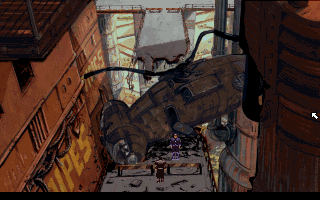
Flight of the Amazon Queen found a home on the same freeware shelf. Joe King’s jungle adventure is broad, cheerful and thoroughly aware of the serials it is borrowing from. You can spend a while enjoying its nonsense before remembering that this was supposed to be a quick test of your new ScummVM installation.

The official freeware collection gave newcomers something useful to do straight away. No cupboard excavation was required. Download an authorised game, point ScummVM at it and see whether an old adventure could still claim your afternoon.
Even help from the original developers left plenty to untangle. Their code expected particular compilers, libraries and machines. An archive could contain the answer to a mystery and still require a small expedition through obsolete tools before anybody could use it.
Sometimes those archives arrived after the hard detective work. Sandulenko says the original Simon and Gobliins sources became available after the engines had already been reversed. The team could compare its understanding with the old code, chase obscure behaviour and fix what it had missed. Even late help was help.
Full Throttle (2003 onward): one broken font becomes a large job
Eugene “sev” Sandulenko came to ScummVM through a Russian copy of Full Throttle that crashed because of a font problem. Fixing it revealed another obstacle. The bike-fighting sequences had not been implemented. Ben could get only so far down the road.

Full Throttle makes that obstacle particularly irritating. Ben’s adventure rolls along on animation, music and a hero who would prefer to solve the problem without a long conversation. Getting him through one scene only to stop at the next action sequence leaves the engine unfinished at exactly the point where the game wants to move.
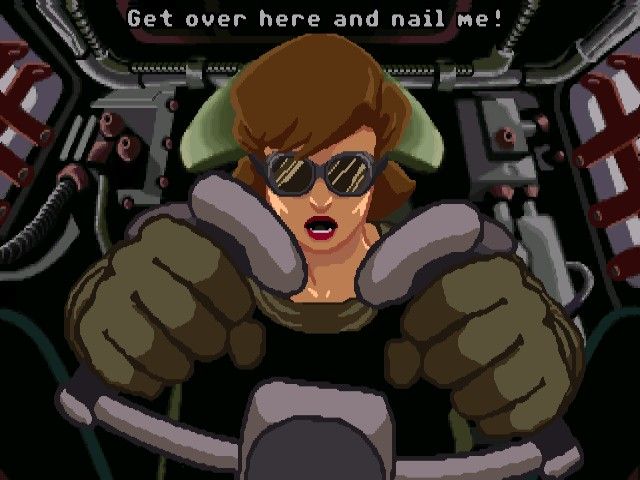
Sandulenko went into the IRC channel and asked who was working on the missing action. Nobody was. He had about ten years of reverse-engineering experience, so he took a look at INSANE, the additional technology behind those sequences. The name was about to become rather appropriate.
“Of course, I had no idea how deep the rabbit hole would be.”
Eugene Sandulenko, speaking to Retro Replay
INSANE had six interacting state machines, he explains, with some stretching beyond 120 states. Video frames carried information that could alter what happened next, skip backwards or forwards, and change the engine’s state. The moving pictures were also part of a much larger set of instructions. Getting the movie to play would only get you started.
ScummVM’s compact version eventually ran to nearly 9,000 lines, by Sandulenko’s count. Some entire engines in the project are smaller. All that work sits behind a stretch of biker action that a player can pass through without giving its construction a second thought.
By then, Sandulenko had found rather more to do than repair a font. The project he joined in 2003 already held several engines, and its collection offered plenty of opportunities to become distracted. The next games he worked on were ones he wanted his daughters to play.
Freddi Fish, Pajama Sam and children growing up with ScummVM
Click around a Humongous Entertainment adventure and the room tends to reward you. Something moves, somebody answers, a little visual joke plays out. Children can explore without having to prove they have understood the whole puzzle first. Freddi Fish and Pajama Sam make curiosity feel like a perfectly good way to spend the afternoon.
Humongous used and extended SCUMM. Its games needed that branch’s particular animation, sound and game behaviour to work properly.
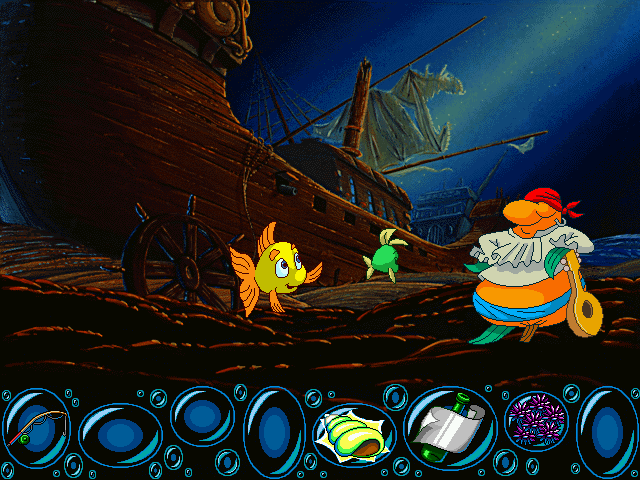
Sandulenko and Travis “Kirben” Howell worked on bringing those games into ScummVM. For Sandulenko, the audience was close to home: he wanted his daughters to grow up with gentle adventures that had educational elements. Freddi Fish, Pajama Sam, Putt-Putt and SPY Fox gave him a reason to keep opening the code after Full Throttle was done.

Humongous had taken SCUMM into activities, sports and puzzles as well as adventures. Following the engine through that catalogue could put some unexpected neighbours beside Monkey Island. The program’s name was becoming a less reliable description of an increasingly enjoyable menu.
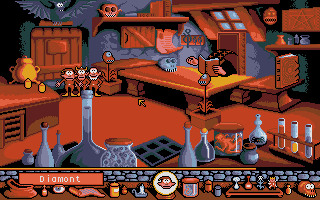
Then somebody donated a fully reversed Gobliiins engine. Sandulenko already liked the game, with its three little specialists and screens full of experiments that might work or might punish everybody involved. Another favourite had turned up with work waiting to be done. His account of staying with ScummVM has a great many such turning points.
Dreamcast, Nintendo DS and phones: adventures leave the desk
By February 2002, ScummVM had already reached a Sega Dreamcast. Marcus Comstedt’s port had entered the repository, giving the console something rather different to do with its evening. A machine built for console games could now take a turn at adventures that had belonged on a computer desk.
To get there, the engine needed a way to ask the host machine for pictures, sound and input. ScummVM’s shared interfaces supplied that connection. A new platform port still had plenty to worry about, especially memory and controls, but it could bring existing engine work along with it.
Nintendo DS was a particularly tempting fit. Put an adventure under a stylus and pointing at a door feels fairly obvious. There were small screens to contend with and games that wanted more resources than the handheld could offer. Still, carrying one of these worlds around in a pocket was a lovely reward for the compromises.
The 2007 DS update brought more games and better speed, while an iPhone port followed later that year. Adventures were finding a new life on touchscreens. The puzzles remained quite capable of stopping you, but at least you could now fail to solve them somewhere comfortable.
Keeping those versions going required somebody to care for them. Sandulenko says a stable backend can need little attention for years, until the platform changes or the maintainer moves on. Old downloads can outlast active support, so the current download list is worth checking before planning a reunion with an old handheld.
2006–2009: leaders, students and a licence worth defending
By April 2006, Sandulenko had accumulated an impressive number of jobs. Max Horn’s announcement making him a project leader mentioned engines, the interface, releases, infrastructure and getting other people involved. He was becoming the third person helping steer a project that had plenty of places to wander.
Somebody needed to make sure those separate efforts met in a release. An engine developer could finish a difficult piece of work while a platform maintainer was chasing a completely different failure. Translators needed usable text. Testers needed builds. None of those jobs came with the freedom to assume everybody else was finished.
The 2007 Google Summer of Code announcement welcomed seven students into that busy workshop. They had defined tasks and mentors who could help them find their way through the project. It cost the experienced developers time, but it also brought in people who might stay after their summer assignment was over.
Then the team found its work somewhere it had not expected. In December 2008, contributors discovered ScummVM inside Wii editions of Freddi Fish, Pajama Sam and SPY Fox that did not comply with its GPL licence. According to the official statement, distributor Atari Deutschland had not known it was there. Developer Mistic Software disputed the contributors’ rights in the code concerned.
The dispute was settled in May 2009. Mistic paid legal fees and made a donation to the Free Software Foundation, without admitting infringement. ScummVM could be used commercially under its licence, but the volunteers had conditions attached to sharing their work. Enforcing them had become another job on the list.
That November brought something more cheerful to download: ScummVM 1.0.0, with a shiny logo, more ports and a substantial round of stability work. Eight years into the project, the version number finally looked as settled as the launcher already felt to many of its users.
Sierra enters the launcher (2007–2010)
Sierra could make a beautiful screen feel remarkably dangerous. You would admire the scenery, take a few steps and discover that the game had been waiting for an opportunity to kill you. Returning players came back with affection and, quite sensibly, a habit of saving often. Those adventures deserved their place in the launcher too.
The earlier Sierra games arrived through work associated with Sarien. ScummVM’s 2007 release supported AGI titles including King’s Quest I–III and Space Quest I–II. Getting further along Sierra’s catalogue meant tackling SCI, the technology behind a later and increasingly varied generation of adventures.
FreeSCI had been working on that problem for years. Its merger into ScummVM in February 2009 brought that work and its contributors into the project. Anyone picturing a grand switch being thrown should read the mailing-list discussion: the newly merged code did not yet compile. There was a to-do list.
By October 2010, version 1.2.0 had stable SCI support. King’s Quest, Quest for Glory, Space Quest and Laura Bow could join the same menu as Monkey Island. Old arguments about which publisher made the best adventures could now be settled by playing several of them and becoming equally stuck in each.
The Sierra games brought their own expectations. Text entry, menus, movement, sound and timing all had to behave well enough that a player could concentrate on the puzzle. An old script written with one machine in mind could be thoroughly unhelpful on another. Reproducing the room was the pleasant part. Reproducing everything that might happen in it took longer.
The work carried on through the catalogue. Version 2.0.0, released in December 2017, added later SCI adventures including Gabriel Knight, Gabriel Knight 2, King’s Quest VII, Phantasmagoria and Space Quest 6. Sierra’s move into filmed performances and more elaborate multimedia had left the team with another generation of problems to solve.
A player could follow a Gabriel Knight investigation one evening and come back for Space Quest’s jokes the next. The shared launcher did nothing to soften either game’s personality. Sierra’s strange, sometimes cruel adventures were available to make a fresh impression.
Lands of Lore and the dungeon beyond the point-and-click adventure
A corridor in Lands of Lore looks peaceful right up to the moment something starts coming down it. Then you are choosing attacks, watching the party and trying to get a spell ready before the situation becomes a reload. Taking your time to admire Westwood’s artwork is best done after the immediate company has been dealt with.
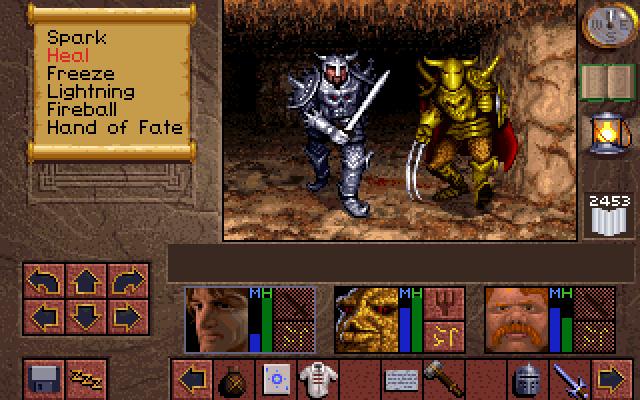
Lands of Lore came into ScummVM through the Kyra engine, Sandulenko explains, with Eye of the Beholder work following. The project had followed another useful trail through related technology and found itself looking after dungeon crawlers. Anyone still expecting only LucasArts adventures was overdue another look at the menu.
These games made different demands on an evening. Instead of trying another conversation, you might be juggling spells and party members while retreating from a fight. Adventures and RPGs became accepted territory, with interactive fiction and story-led FMV widening the choice further.
The team still had to decide what it wanted to take on. Sandulenko describes a preference for adventures, RPGs and some other games with substantial stories. Other genres could come along when they shared an engine already being supported. ScummVM had room for surprises, without promising to run every old program somebody found on a disc.
Blade Runner (2019): the mountain behind the neon
Blade Runner is very good at making you linger. McCoy stands beneath the lights in Chinatown while the street carries on around him, and for a moment it is tempting simply to watch. Then there is evidence to examine, someone to question and a story that may depend on how much you believe them. Westwood built a place you want to enter and an investigation you want to stay for.
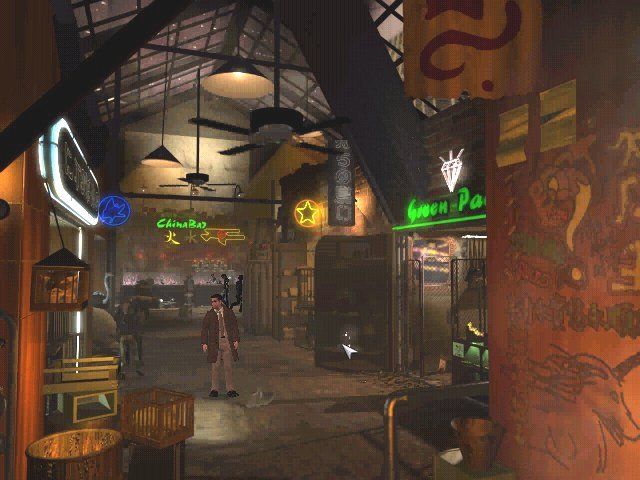
Getting back into that city required a formidable amount of work. Sandulenko describes game logic written directly in C++, divided among DLLs for locations, characters and dialogue: 117 of them, plus the main executable. There was no convenient pile of adventure scripts waiting for a new interpreter to read.
The characters’ voxel graphics were only one part of the problem. Every conversation and event needed its behaviour recovered too. A working street scene could look wonderful while leaving the investigation unable to continue. The team had to get beyond the postcard.
Two attempts stalled, Sandulenko recalls. Then Peter Kohaut appeared with work further along than the team’s earlier efforts, joined the project and helped make a final push possible. The engine credits name Kohaut, Thanasis Antoniou, Thomas Fach-Pedersen and Sandulenko. The city came back a piece at a time.
“You do things one by one. It is like drawing an artwork: you are laying one stroke after another and filling in the details.”
Eugene Sandulenko, speaking to Retro Replay
In October 2019, ScummVM 2.1.0 added Blade Runner support. That December, GOG put the original game back on sale, running on ScummVM with fixes and conveniences including support for fan-made subtitles. After all the investigation required to reconstruct it, somebody could buy the game and begin an investigation of their own.
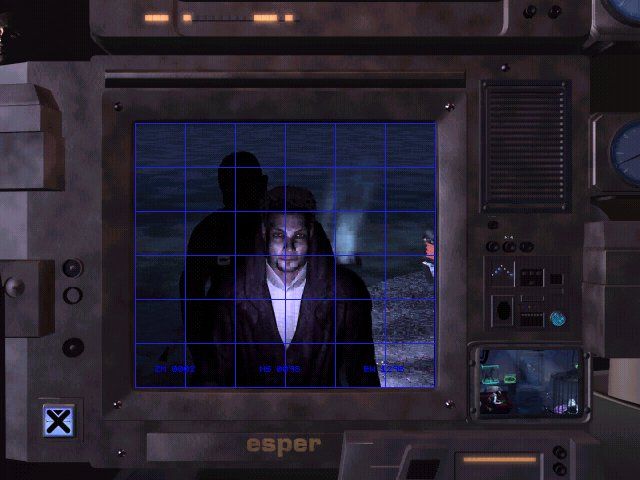
That ordinary purchase was an especially satisfying ending to years of extraordinary work. The engine, game data and distribution had come together. A person hearing about Blade Runner no longer had to begin by working out how to obtain and persuade an old copy to run.
Once the game worked, there were other temptations: subtitles to add, bugs to repair and unused material to investigate. The team could do more than bring McCoy back. It could change parts of the experience, which meant deciding how much to put in front of a returning player.
Original bugs, restored conversations and the options menu
Suppose you remember a conversation exactly as it was. A restored line may be fascinating, or it may be a small interruption in the game you came back to play. Now suppose a bug has just ruined your progress. You are likely to be rather less sentimental about that part of the original experience.
With its own engine implementations, ScummVM can repair behaviour and patch game scripts. It can also support extra music, accessibility features and restored material. Once a developer understands a game deeply enough to rebuild its engine, the list of things they could improve is likely to grow.
Sandulenko says the team puts substantial additions behind options, starting players with the vanilla version. SCUMM work has ranged from fixes to reinstating dialogue that disappeared when certain floppy adventures moved to CD. Returning players can investigate those differences without having to make them part of every visit.
ScummVM does fix original bugs, and Sandulenko acknowledges criticism that it does not preserve enough of the limitations. People studying a game’s exact original behaviour still have good reasons to use hardware emulation and the old executable. A smoother evening of play and a faithful record of every historical fault are different things to ask from a program.
For somebody trying to finish an adventure, readable subtitles or a repaired dead end can be an enormous kindness. The options menu lets the team offer some of that help while giving players a say. You may want to investigate every recovered scrap of dialogue. You may simply want the version you remember, with fewer crashes.
ResidualVM and the adventures ScummVM could not yet hold
Manny Calavera has the familiar adventure-game problem of being surrounded by people who will not cooperate. He also has a 3D body, a very distinctive walk and a world built on technology that SCUMM could not explain. Grim Fandango looked like it belonged in this company. Getting it there took a different project.
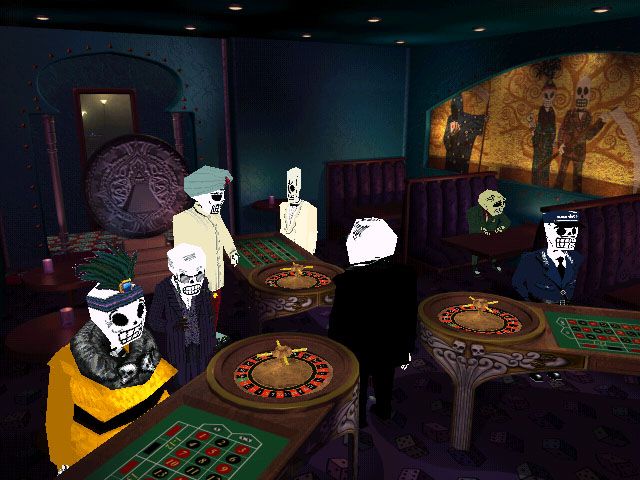
ResidualVM became ScummVM’s sister project for adventures outside the older 2D boundaries. Developers worked across both, shared ideas and passed fixes back and forth. For players, it meant learning which program to open before getting on with the game.
On 9 October 2020, the projects announced they were merging. ScummVM would take in adventures and RPGs whether they were 2D or 3D. People who had already been working alongside each other could finally do so under one roof.
A year later, the 2.5.0 anniversary release brought stable support for Grim Fandango, The Longest Journey and Myst III: Exile. Twenty years after the initial repository revision, there were some particularly welcome new destinations in the launcher.
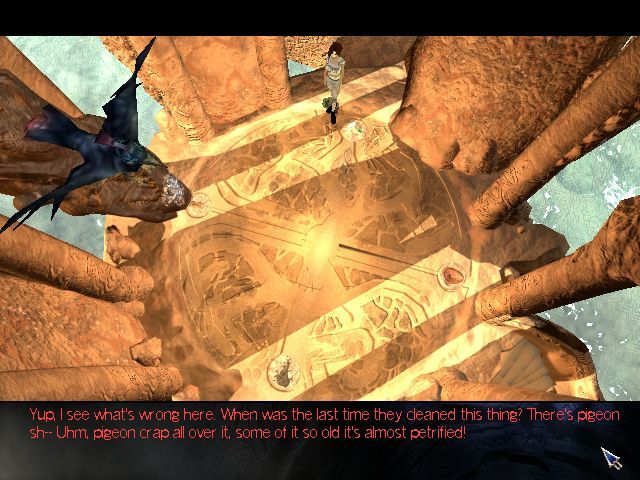
The Longest Journey asks you to settle in with April Ryan, listen and follow her through worlds that take their time to unfold. Myst III is quieter company, leaving you to look around its panoramic places and work out what the machinery wants. After years of pirates and inventory jokes, ScummVM could send you somewhere with a very different pace.

The 3D work was a substantial change behind the scenes, too. Sandulenko calls it a major architectural challenge and says that compatibility remains less mature in this part of the project. These adventures had a home in ScummVM, with more repairs and refinement still waiting for the people looking after them.
AGS and Director (2021 onward): a much bigger cupboard of discs
While people were working to bring old adventures back, other developers were busy making new ones. Chris Jones’s Adventure Game Studio gave them a way to build rooms, characters and puzzles of their own. Fan projects and commercial releases grew around it. The old publishers might have moved on; the people who wanted another adventure had not.
The 2021 anniversary release added support for AGS games using versions 2.5 and later within the supported range. A project built around revisiting LucasArts now offered a route into a large community of later adventures. The next discovery in the launcher did not have to be something you remembered from a big cardboard box.
Then there were the other discs. The educational ones, the interactive stories, the art experiments and multimedia titles that once sat beside the games. Macromedia Director had let their authors combine sound, pictures, video and scripts into all sorts of experiences. Years later, the files could still be sitting safely on a CD while the software needed to make sense of them had become a problem.
Early Director titles L-ZONE and Spaceship Warlock were among the 2021 additions. They were an invitation into a much less orderly collection. Different Director versions could behave differently, and a title might have arrived with extra components that its author reasonably expected everyone involved to possess.
This is where much of Sandulenko’s attention goes now. He describes building the Director engine largely from specifications, while coping with several generations of technology and extensive rewrites in the original. Then come the Xtras, extensions that could give individual titles yet more things to depend on. Each can leave another reverse-engineering job at the door.
A universal Director player is consequently a much harder proposition than the name might suggest. Getting one title working can be cause for celebration without proving that the next disc will cooperate. The flexibility that gave multimedia authors so much freedom has left preservationists plenty to be getting on with.
Some of that work reaches places beyond the usual adventure-game audience. Sandulenko describes collaborations with museums using Director material in exhibition kiosks. An old interactive display can have a second life, with visitors meeting software they would never have known to search for.
An obscure disc needs a champion. Somebody has to find a copy, recognise what is interesting about it and want it working enough to investigate the awkward bits. Monkey Island arrives with an audience already waiting. A forgotten multimedia experiment may first need someone to show the rest of the team why they like it.
2026: twenty-five years, and still another engine to investigate
ScummVM began 2026 by changing the numbers on the download. Version 2026.1.0 arrived on 31 January, introducing year-based numbering and plans for more frequent releases. After a long succession of versions beginning with 0, 1 and 2, the calendar was taking over.
The 25th-anniversary release followed on 11 October as 2026.4.0. It announced 194 newly supported games and twelve new engines. Star Wars: Rebel Assault and its sequel, Harvester, Dungeon Master and more Nancy Drew adventures were among them. That was one release’s additions. The modest LucasArts project had become quite a crowded place.
The repair list was just as eclectic. Lure of the Temptress needed a pathfinding fix. Early Humongous titles received compatibility work. Elsewhere there were sound changes, translations and dungeon-crawler conveniences. Adding another engine does not persuade the earlier ones to look after themselves.
The nickname “Never-slop” also fits a less enjoyable part of Sandulenko’s current workload. In our interview, he describes low-quality AI submissions stealing time and fun from the project. Someone still has to check what arrives and decide whether it helps. A volunteer who came to solve an interesting old puzzle can instead spend the evening sorting through somebody else’s careless work.
He has a warmer answer when asked how to keep volunteers interested. It sounds like someone who still enjoys having other people turn up to share the work.
“People are led by example big time. When I stay active in the project, I see how other people also have fun with me.”
Eugene Sandulenko, speaking to Retro Replay
Today’s leadership credits list Sandulenko with co-leader and administrator Lothar Serra Mari. Keep scrolling and the page fills with engine developers, port maintainers, translators and documentation contributors. Retired members remain there too, their names attached to work that somebody else can now build on.
A player can still help in the most appropriate way imaginable: play an adventure. Find the failure, note the edition, explain what happened and send a useful report. That gives a developer somewhere to start. The next person to enter that room may get through it because you took a few minutes to explain why you could not.
Playing through ScummVM today
For another visit, pick up ScummVM from the official downloads page and check your game against the compatibility list. The documentation explains which files to copy. Checking the edition first can save a tedious false start, especially when an original, a remaster and a console release have similar names.
ScummVM is free; most commercial games still need data from your own legitimate copy. The authorised freeware collection makes an easy first stop, and supported digital releases can spare you the hunt for an optical drive. If you have an old save you are particularly attached to, check whether it transfers before planning to resume halfway through the story.
It is worth spending a moment with the sound and display options. An adventure heard through a different music device can sound surprisingly unfamiliar, even when every note belongs there. Choose what suits you, get comfortable and give the first scene a chance to do its work.
The source repository, developer blogs and bug tracker are there when curiosity about the work takes over. Our emulation history follows neighbouring projects, while our conversation with Eugene Sandulenko explores his own work in much greater detail.
One more click
Some of the machines ScummVM once arrived on as an exciting new port are now old enough to need a preservation effort of their own. Meanwhile, the adventures keep finding new players. A game that someone rescued for themselves in 2001 can be somebody else’s first encounter with the genre today.
Once the game starts, you are unlikely to think about the engine for very long. There is music you recognise, somebody blocking a door and an object you are fairly sure you have tried on everything. Within a few minutes, the computer has become the least interesting part of the evening.
You open the inventory again. Surely that thing must be useful for something. Twenty-five years of work have brought you all this way, and you are still going to try it on the door.
Sources and further reading
- Retro Replay’s Eugene Sandulenko interview
- ScummVM credits and contributor roles
- Archived FAQ on SCUMM’s origins
- Early development: March code reorganisation
- April 2002 testing call
- Simon announcement and 0.2.0 release
- LucasArts legal correspondence, as reported by the team
- Beneath a Steel Sky and ScummVM 0.5.0
- Sandulenko’s leadership appointment
- Google Summer of Code, 2007
- Wii GPL dispute settlement statement
- ScummVM 1.0.0
- FreeSCI merger discussion
- Stable SCI support in 1.2.0
- ScummVM 2.0.0 release notes
- Blade Runner’s digital return
- ResidualVM merger announcement
- Twentieth anniversary and ScummVM 2.5.0
- New version numbering and release cadence
- Twenty-fifth-anniversary release