 Retro Replay Retro Replay gaming reviews, news, emulation, geek stuff and more!

Retro Replay Review
Gameplay
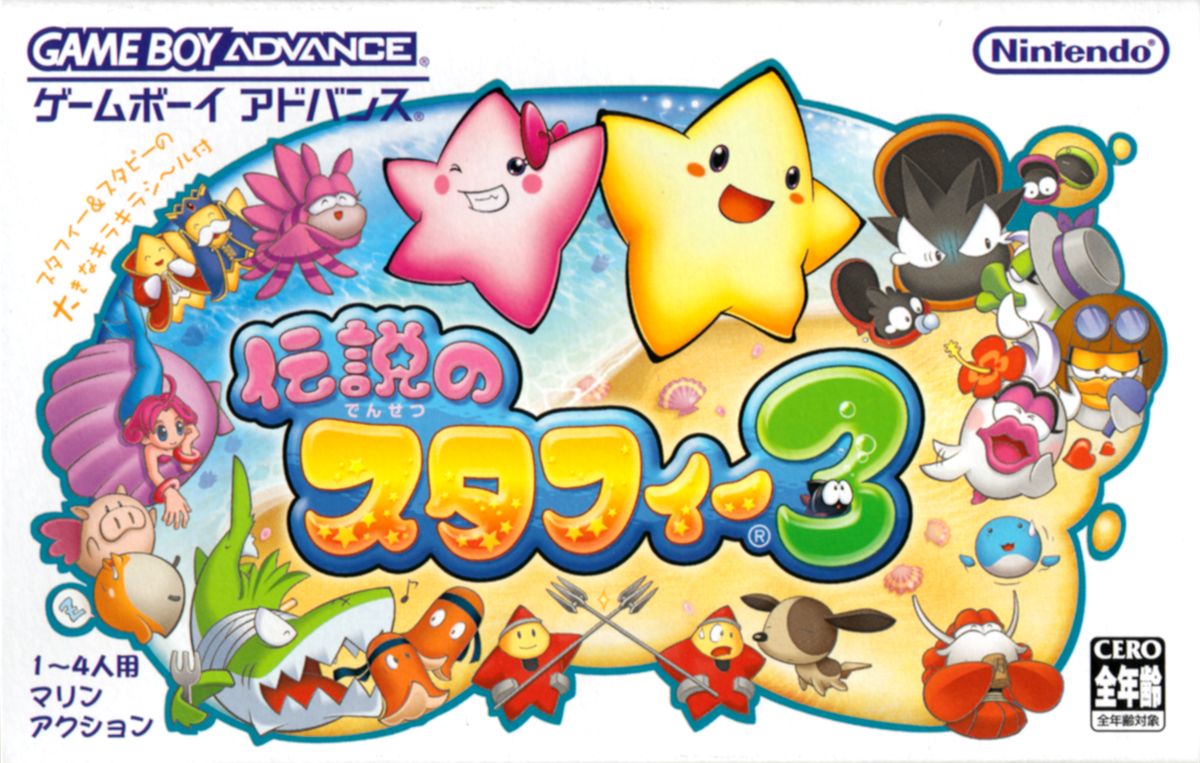
Densetsu no Starfy 3 builds on the series’ signature platforming formula with fresh mechanics that keep each stage feeling lively. Players switch between Stafy and his new playable sister, Stapi, taking advantage of their distinct abilities. Stafy excels with his classic spins and floating jumps, while Stapi brings a unique wall jump and the ability to crawl through narrow gaps, opening shortcuts and hidden areas that would otherwise remain off-limits.
(HEY YOU!! We hope you enjoy! We try not to run ads. So basically, this is a very expensive hobby running this site. Please consider joining us for updates, forums, and more. Network w/ us to make some cash or friends while retro gaming, and you can win some free retro games for posting. Okay, carry on 👍)
The game’s structure revolves around completing tasks assigned by NPCs to clear the path to the bonus roulette at the end of each level. Whether you’re retrieving lost items, clearing out enemy hordes, or taking on mid-stage mini-bosses, these objectives break the monotony of standard platforming and encourage exploration. Bonus orbs awarded for stringing together enemy hits reward skillful play and add an extra layer of challenge for completionists.
Progression is smooth and satisfying: as you advance, both Stafy and Stapi learn new moves that retroactively unlock previously unreachable zones. This Metroidvania-lite element encourages backtracking and rewards close attention to level design. The orb economy doubles as both health and currency, so players must balance risk and reward when deciding whether to press on for extra orbs or cash them in for new outfits and accessories.
Controls are tight and responsive, making the series’ trademark swimming and platforming sections feel intuitive. Special stages, such as underwater mazes and timed dash challenges, change the pace and showcase the characters’ unique abilities. Occasional vehicle levels—like riding a rocket-powered shell—add a dash of variety, preventing the gameplay from becoming overly repetitive.
Graphics
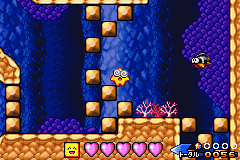
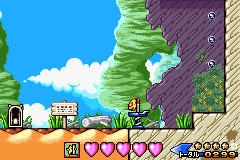
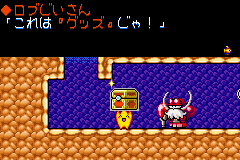
The visual style of Densetsu no Starfy 3 is a vibrant celebration of pastel hues and cartoony charm. Every environment, from sun-kissed beaches to shadowy caverns, pops with color and personality. Background elements are often layered and animated, giving each level a sense of depth that belies the Game Boy Advance’s technical limitations.
Character animations are fluid and expressive, especially during combat sequences and signature moves like Stafy’s spin dash. Enemies are designed with whimsical flair, ranging from grumpy crabs to mischievous flying fish, each with distinct attack patterns that telegraph their behavior. Boss encounters are visually striking, with boss arenas rendered in larger sprites and dramatic camera zoom-ins that heighten the tension.
Special effects—such as sparkling orb pickups and burst animations when enemies are defeated—add polish without overwhelming the screen. The interface remains clean, displaying health orbs, collected currency, and task objectives clearly. Cutscenes use comic-style panels with speech bubbles, providing narrative context while preserving the game’s playful aesthetic.
Story
Picking up where Densetsu no Starfy 2 left off, Starfy enjoys a well-earned rest—only to be thrust back into action when the nefarious Ogura escapes and wreaks havoc across the kingdom. The premise is simple but effective: chase down Ogura before he causes further chaos. Alongside Stafy, his pink sister Stapi joins the fray, creating a dynamic duo whose sibling banter adds lighthearted humor to the proceedings.
Dialogue is sprinkled with endearing character moments, from Stafy’s cheerful determination to Stapi’s spunky confidence. The game doesn’t take itself too seriously, often breaking into comedic beats when a task goes awry or an NPC reacts to your progress. Still, there’s enough narrative thread—brief though it may be—to provide context for the diverse locales you explore, from sun-drenched shores to icy peaks.
Boss battles serve as key story milestones, each encounter bringing Ogura’s minions into the spotlight. These fights often come with tailored cutscenes that animate the villain’s menacing declarations and set the stage for the next chapter. While the overall plot remains straightforward, the charm of the characters and the variety of environments keeps the story engaging throughout.
Overall Experience
Densetsu no Starfy 3 stands out as a delightful platformer that appeals to both younger players and nostalgic veterans of the series. Its blend of tight controls, inventive level design, and light exploration elements creates a well-rounded package that rarely overstays its welcome. The addition of Stapi not only diversifies gameplay but also enhances replay value by encouraging players to revisit stages with her unique skill set.
The game’s pacing is thoughtfully balanced: straightforward levels ease you in, while optional challenges and secret paths beckon completionists to dig deeper. The orb economy cleverly merges health management with customization, giving players a tangible reward for mastering levels and pulling off combo chains. Unlocking new outfits for Stafy adds a charming cosmetic incentive that underscores the game’s playful spirit.
With its beautiful graphics, catchy soundtrack, and whimsical storyline, Densetsu no Starfy 3 offers a satisfying adventure from start to finish. It may not radically reinvent the genre, but it refines and polishes everything that fans love about the series. For anyone seeking an upbeat, well-crafted platformer on the Game Boy Advance, this title remains a standout choice.


Reviews
There are no reviews yet.