 Retro Replay Retro Replay gaming reviews, news, emulation, geek stuff and more!


Retro Replay Review
Gameplay
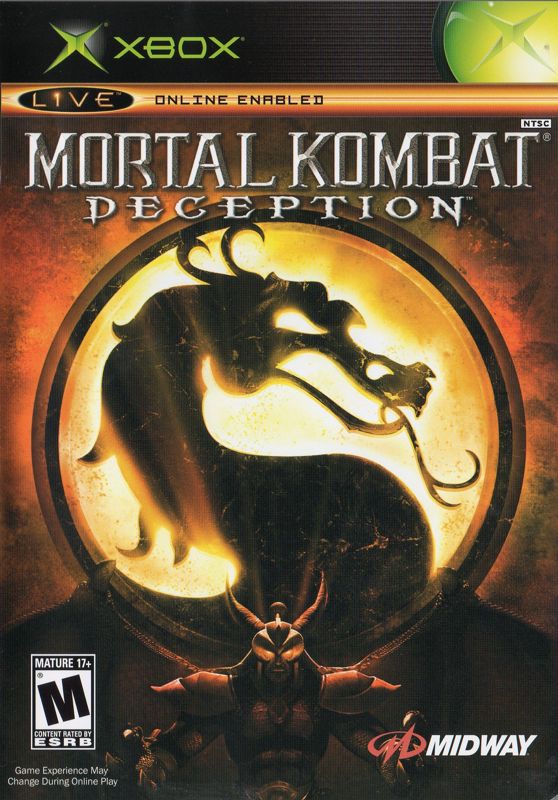
Mortal Kombat: Deception builds on the solid foundation of the Deadly Alliance engine, offering fast-paced, bone-crushing combat that longtime fans will find both familiar and refreshing. The core Arcade, Versus, and Practice modes make a triumphant return, providing the straightforward ladder fights and one-on-one duels that have defined the series. What sets Deception apart is the expanded Krypt and its hidden items—collectible unlockables that reward exploration as much as skill.
(HEY YOU!! We hope you enjoy! We try not to run ads. So basically, this is a very expensive hobby running this site. Please consider joining us for updates, forums, and more. Network w/ us to make some cash or friends while retro gaming, and you can win some free retro games for posting. Okay, carry on 👍)
Beyond the traditional offerings, Deception introduces three new mini-game modes that add variety and challenge to the experience. Konquest Adventure mode takes players on a linear quest through the realms, blending RPG-like progression with platforming and puzzle elements. Chess Kombat cleverly combines turn-based strategy with the brutal fighting mechanics of Mortal Kombat, allowing you to capture pieces—and opponents—through victory in the arena. Puzzle Kombat delivers bite-sized brain teasers where chaining attacks in the right order becomes a satisfying mental workout.
The roster of fighters is expansive, featuring a dozen selectable characters from the outset and nine newcomers who each bring unique playstyles to the table. Veterans like Sub-Zero, Scorpion, and Mileena feel as deadly as ever, while fresh faces such as Ashrah, Havik, and Shujinko introduce novel mechanics and special moves. Matchups require strategic use of each character’s strengths—whether you’re stringing together aerial combos with Ermac or zoning opponents with Kabal’s hooks and reels.
Graphics
Graphically, Mortal Kombat: Deception refines the visual template established in Deadly Alliance. Character models are impressively detailed for their generation, with intricately designed armor, flowing capes, and textured skin that convey both realism and the series’s trademark dark fantasy aesthetic. Each fighter’s signature colors and accessories pop on-screen, making it easy to identify opponents even in the heat of battle.
Arenas in Deception showcase a diverse range of locales, from fiery volcanic pits and misty tombs to desolate battlefields strewn with skulls. Environmental hazards—like spiked walls or swinging scythes—in some stages add an extra layer of danger and spectacle, encouraging players to learn each arena’s quirks. The lighting effects, particularly the glow of magic projectiles or the sparks from clashing weapons, enhance the overall immersion.
Animations are fluid, striking a balance between the over-the-top flair of earlier entries and a more grounded, weighty feel. Fatalities and brutality finishers remain the series’s pièce de résistance, featuring graphic detail that still surprises. While the frame rates occasionally dip in chaotic multiplayer matches, the core fighting experience remains smooth and responsive, even when multiple special effects fill the screen.
Story
Deception’s narrative picks up after the events of Deadly Alliance, focusing on the fallen dragon king Onaga’s rise to power. Though the story is delivered through brief cutscenes and Konquest vignettes rather than an in-depth cinematic campaign, there is enough lore and dramatic tension to keep series veterans engaged. Shujinko’s role as the unwitting collector of powerful relics ties together many plot threads, providing context for the new characters and their motivations.
The Konquest mode deepens the storyline by allowing players to guide Shujinko through each realm, unlock character biographies, and experience side quests that flesh out the game’s universe. This adventure aspect transforms the oft-overlooked single-player component into a meaningful journey, drawing attention to hidden fighters and unlocking background details that the Arcade ladder alone does not provide.
While the overarching plot may feel lightweight compared to modern genre standards, it remains true to Mortal Kombat’s mythos—filled with betrayals, improbable alliances, and the looming threat of absolute destruction. For players seeking narrative depth, the interspersed comic-book-style panels and Konquest journal entries supplement the minimal in-match dialogue, hinting at larger forces at play without bogging down the brisk action with long cutscenes.
Overall Experience
Mortal Kombat: Deception successfully expands the series’ formula, offering a robust package that caters to competitive fighters and casual players alike. The multitude of game modes ensures that boredom is kept at bay: whether you’re climbing the ladder in Arcade mode, tormenting friends in Versus, or hunting for hidden treasures in the Krypt, there’s always a new challenge around the corner.
Online play on PlayStation 2 and Xbox brings global competition to your living room, letting you test your favorite fighter’s combos against real-world opponents. Although the GameCube version lacks online functionality, it sweetens the deal by including Goro and Shao Kahn as exclusive, playable characters—an incentive that fans of the series’s lore won’t want to miss.
Ultimately, Mortal Kombat: Deception stands as one of the more ambitious entries in the franchise. Its engaging roster, inventive mini-games, and refined visuals deliver hours of replayability. Whether you’re a die-hard Kombatant seeking to master every special move or a newcomer intrigued by brutal finishers and deep unlock systems, Deception provides an experience that feels both familiar and refreshingly expanded.


Reviews
There are no reviews yet.