 Retro Replay Retro Replay gaming reviews, news, emulation, geek stuff and more!
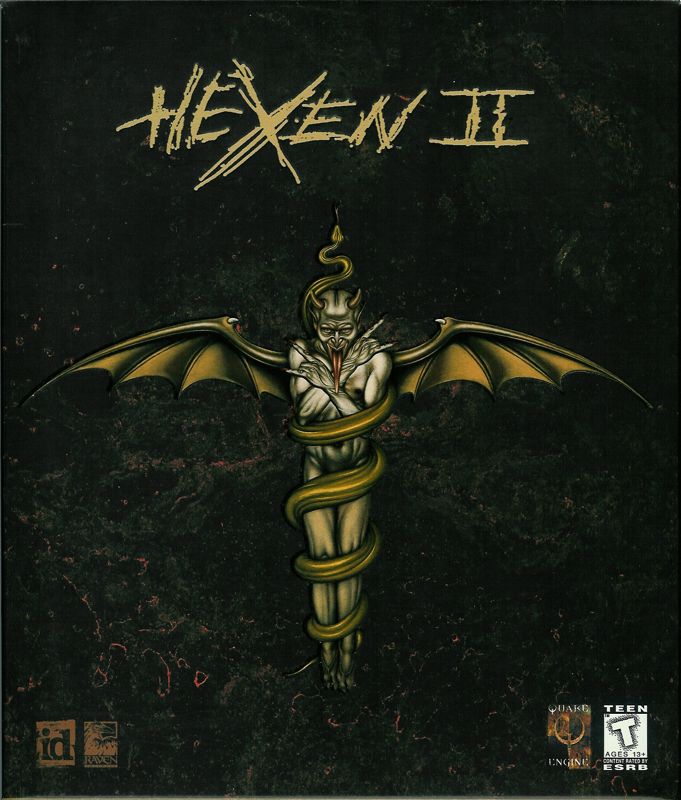
Retro Replay Review
Gameplay
Hexen II builds upon the franchise’s first-person shooter roots by weaving in deep role-playing mechanics and puzzle-solving elements. Players choose from four distinct character classes—Paladin, Crusader, Assassin, and Necromancer—each offering unique stats, abilities, and playstyles. This diversity encourages multiple playthroughs, as the way you approach combat, exploration, and item management shifts dramatically based on your hero of choice.
(HEY YOU!! We hope you enjoy! We try not to run ads. So basically, this is a very expensive hobby running this site. Please consider joining us for updates, forums, and more. Network w/ us to make some cash or friends while retro gaming, and you can win some free retro games for posting. Okay, carry on 👍)
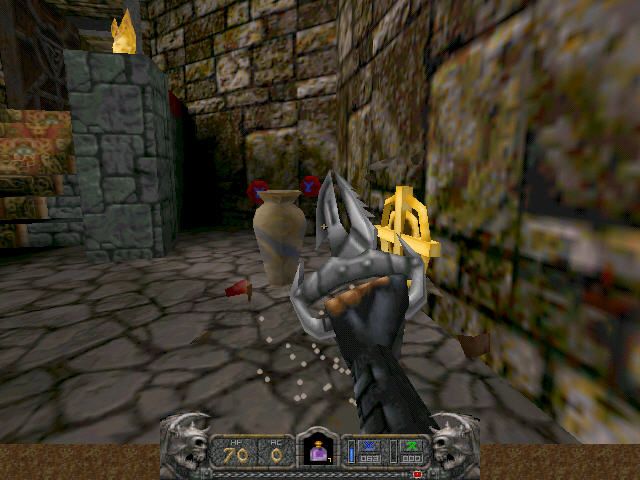
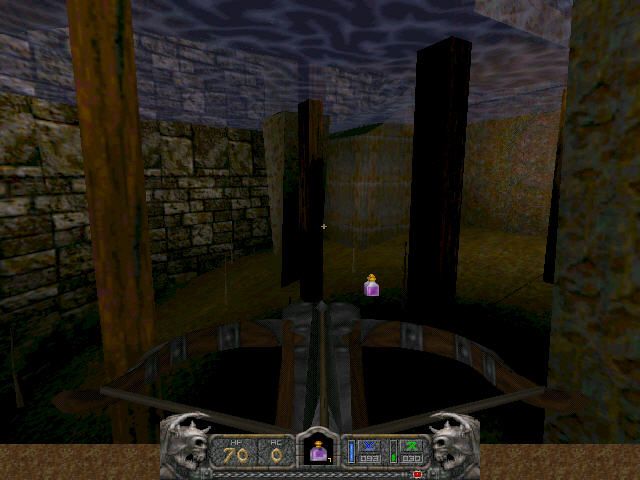
Combat in Hexen II is a satisfying blend of melee and magic. Melee-focused characters like the Paladin unleash crushing blows up close, while mana-powered ranged weapons allow other classes to rain devastation from afar. The game’s Tome of Power system rewards exploration with temporary, enhanced firing modes, injecting bursts of adrenaline when you find these rare artifacts. Strategic use of health and mana pickups further enriches the battlefield, forcing you to weigh risk versus reward in tense skirmishes.
Puzzle design plays a starring role in Hexen II’s progression. Areas are interconnected in four stylistically distinct realms—medieval European, Mesoamerican, ancient Egyptian, and Greco-Roman—and often require you to flip switches, locate keys, or shuttle between stages several times to unlock new paths. These brain-teasers never feel tacked on, as they’re seamlessly integrated into the level architecture and narrative. The absence of enemy respawns upon re-entry lets you focus on solving puzzles without fear of backtracking ambushes.
Graphics
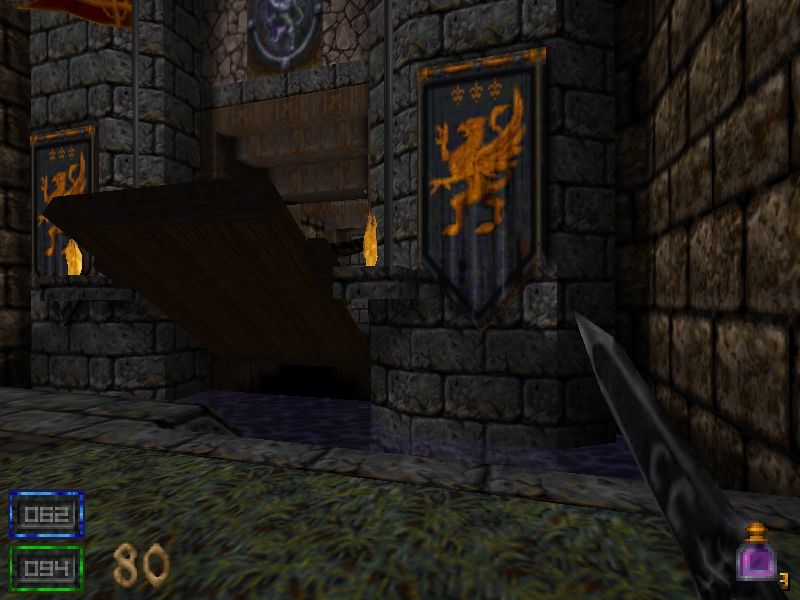
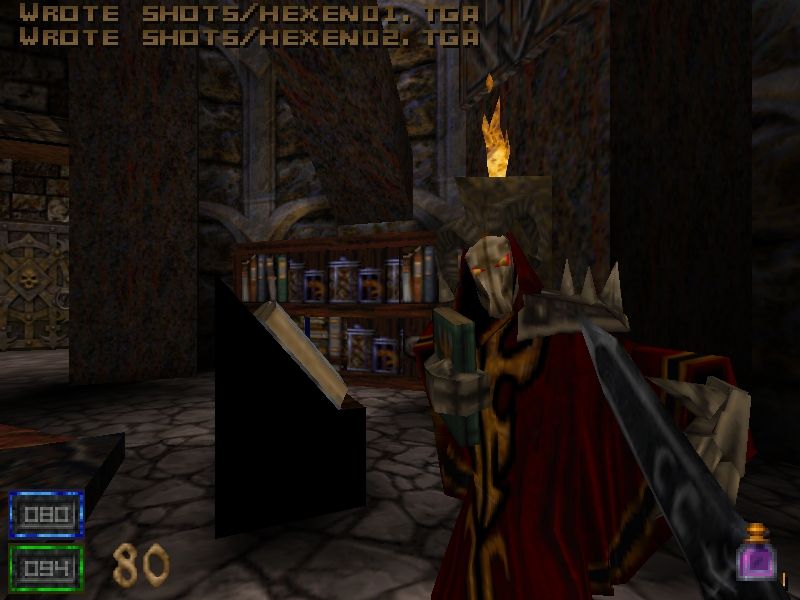
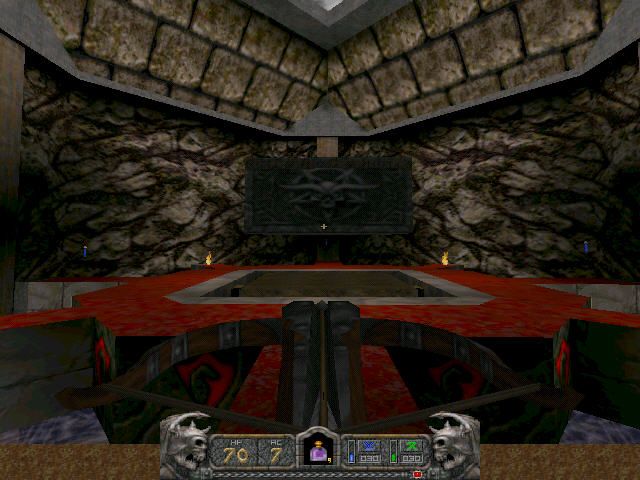
Hexen II’s visuals represent a significant leap from its predecessors, thanks to the Quake II engine’s support for colored lighting, dynamic shadows, and higher-resolution textures. Each of the four realms has its own palette and architectural flair: moss-covered stone and flickering torches in medieval castles, sun-drenched temples in the Mesoamerican zone, and grandiose columns in Greco-Roman halls. This variety keeps exploration fresh and makes each new area distinct.
Character models and enemies boast more detailed animations and skeletal rigs than those in older Heretic and Hexen titles. Swinging axes, whipping spells, and the eerie stalking of undead creatures feel weighty and animated, even if today’s standards deem them blocky. Environmental details—such as cascading waterfalls, moving machinery, and ambient particle effects—add layers of immersion that reward careful observation.
While some textures may look dated by modern benchmarks, the game’s art direction remains strong. Moody lighting and atmospheric sound design compensate for polygon counts, ensuring that even shadowy catacombs and torchlit shrines retain a palpable sense of dread. With the right graphics settings, Hexen II still holds its own as a visually engaging medieval fantasy shooter.
Story
The narrative thrust of Hexen II picks up after the defeat of two Serpent Rider brothers, leaving Eidolon—the mightiest of the demon triumvirate—to continue his campaign of conquest over the world of Thyrion. Players step into the boots of a lone hero fated to challenge each of Eidolon’s generals, the Four Horsemen of the Apocalypse, before confronting the ultimate evil. This setup provides a clear sense of purpose and stakes, lending urgency to every battle and puzzle.
While the storyline unfolds through evocative in-game text and scripting rather than lengthy cutscenes, the world-building is nonetheless compelling. Each realm you explore feels like an extension of Thyrion’s mythos, from sunken ruins haunted by undead priests to lava-forged fortresses crawling with infernal sentinels. Lore tidbits scattered throughout journals and altar rooms deepen your understanding of Eidolon’s tyranny and the hero’s prophetic role in Thyrion’s salvation.
The four Horsemen encounters serve as narrative high points, each boss’s design and lair reflecting their apocalyptic domain. Defeating them not only unlocks new regions but also peels back layers of the story—illuminating Eidolon’s plans and the broader consequences of his rule. By the time you storm his stronghold, the journey feels earned, with gameplay and lore intertwining to deliver a satisfying payoff.
Overall Experience
Hexen II remains an engaging title for fans of classic FPS-RPG hybrids. The freedom to choose between four wildly different classes, coupled with extensive exploration and brain-teasing puzzles, grants a sense of agency rarely seen in contemporaneous shooters. Even decades after its release, the mix of melee and magic combat feels dynamic, while engine enhancements lend the world an atmospheric richness that holds up surprisingly well.
Replayability shines through in multiple ways: not only do the four classes offer divergent strategies, but hidden secrets, alternate routes, and build options encourage thorough world exploration. The experience of powering up weapons, leveling your hero’s attributes, and finally unleashing upgraded abilities never grows old. Community-made mods and source ports further extend longevity with enhanced visuals, quality-of-life improvements, and custom levels.
Though certain conventions of late-’90s design—like occasionally obtuse puzzle solutions or backtracking—may test modern patience, Hexen II’s strengths in world design, class variety, and immersive combat ensure it stands as a memorable chapter in the Heretic/Hexen saga. For anyone seeking a medieval fantasy shooter with depth, challenge, and atmosphere, Hexen II remains a worthy expedition into Thyrion’s dark realms.


Reviews
There are no reviews yet.