 Retro Replay Retro Gaming History, Reviews & Emulation

Retro Replay Review
Gameplay
The first hour has a strong built-in motive: Blon-Win is arrested, cut off from her psychic powers, and needs to turn confinement into an escape. That is a better fit for a command-based adventure than a grand open-ended premise would be. You have a practical reason to examine the situation, seek out contacts, and push every available interaction toward a way out of WWWF’s grip.
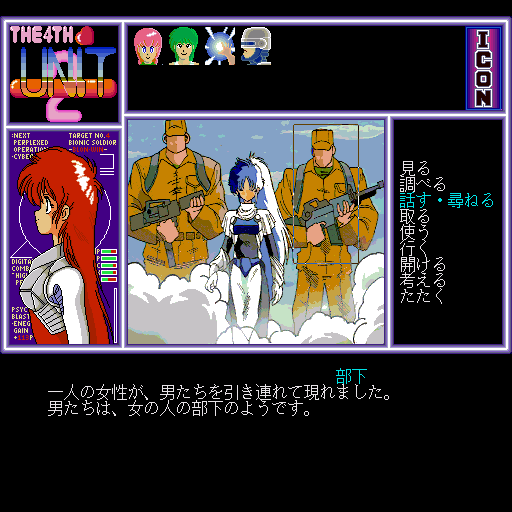
The 4th Unit 2 uses a familiar Japanese adventure structure: select verbs from a menu, then use them on characters and objects highlighted on screen. It is predominantly free of puzzles, so the pleasure is not in cracking elaborate logic chains. Instead, it comes from moving the plot forward through investigation and conversation. That makes the game easier to enter if traditional adventure-game dead ends exhaust you, but it also means your tolerance for menu-based interaction matters a great deal.
Data West made a smart refinement by cutting rarely used commands, including dialogue Yes/No responses and Rescue. Fewer verbs means less time playing the old adventure-game guessing game of wondering which obscure command the author expects. The remaining format is still deliberate and text-led, though. If clicking through interactions in search of the next useful response sounds tedious, streamlining will not transform it into a faster-paced genre.
Graphics
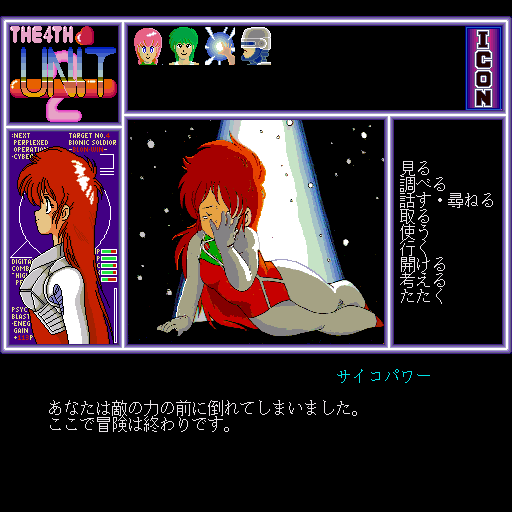
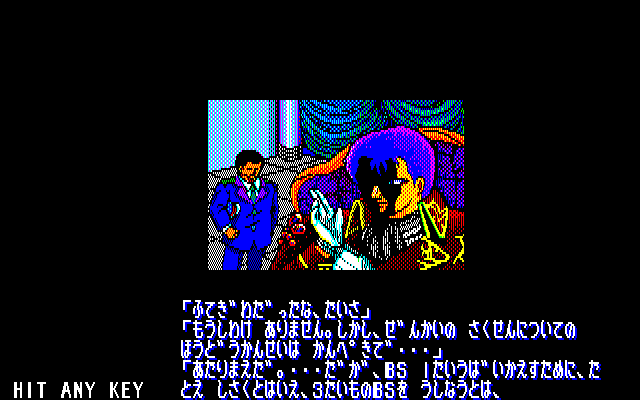
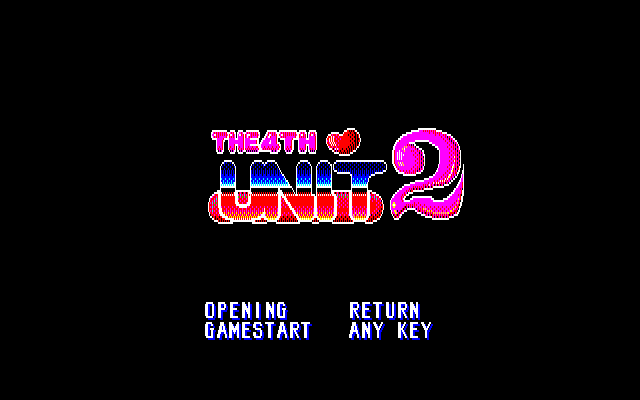
The game uses a first-person adventure view, with characters and objects called out directly on screen for interaction. That should keep the important targets in sight instead of asking you to hunt blindly through every scene, and it suits the focused, menu-driven structure.
Story
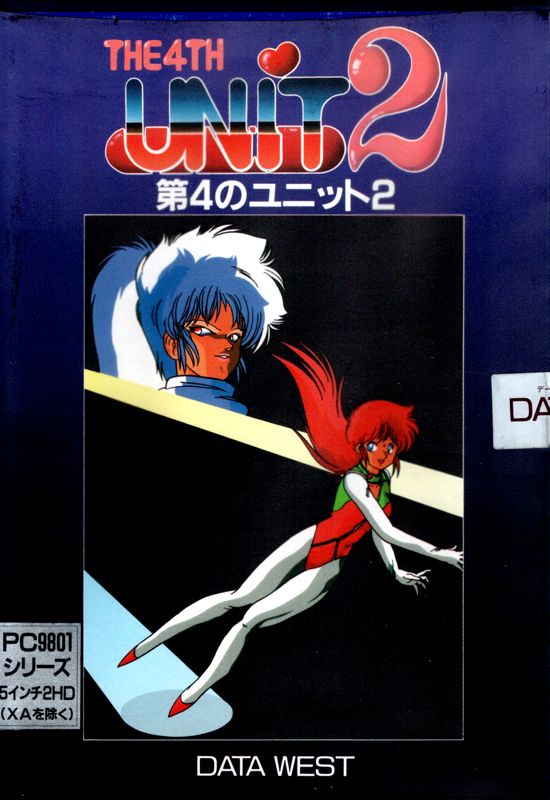
Blon-Win’s predicament gives the sequel a satisfying reversal. She begins as the bionic soldier who exposed WWWF’s dark dealings, then finds herself neutralized and imprisoned by the organization she challenged. Dalzy, the new bionic soldier employed by WWWF, is more than a generic new threat because her role is specifically to shut down Blon-Win’s psychic advantage.
The story is built around a straightforward retaliation arc: reach friends, escape captivity, and bring down the conspiracy. That directness is a strength. You are not asked to admire vague sci-fi lore before anything happens; the central conflict is already personal and underway.
Its biggest limitation is also part of its charm. This is an anime-flavored futuristic conspiracy told through a compact adventure format, so the draw rests on whether you want to follow Blon-Win’s counterattack rather than solve dense riddles. The stakes are clear, the enemy is clear, and the sequel wastes little energy disguising what it wants you to do.
Overall Experience
The 4th Unit 2 looks like a purposeful sequel rather than a reinvention. It keeps the core interaction style intact, then pares back the commands that added friction without adding much drama. That makes it a sensible choice if you like classic Japanese adventures but have little patience for overloaded verb menus.
Go in for the escape-and-revenge momentum, not for a demanding puzzle challenge. The game’s strongest promise is the chance to guide an already capable heroine through a moment of vulnerability and back into a fight against WWWF. The stripped-down interface supports that forward motion well.
For the right retro adventure fan, that is enough: a concise science-fiction follow-up with a clear heroine, an immediate antagonist, and fewer menu hassles than its predecessors. It is harder to recommend to anyone who needs action, complex puzzles, or broad player freedom, but its focused approach has a real appeal.


Reviews
There are no reviews yet.