 Retro Replay Retro Replay gaming reviews, news, emulation, geek stuff and more!
Retro Replay Review
Gameplay
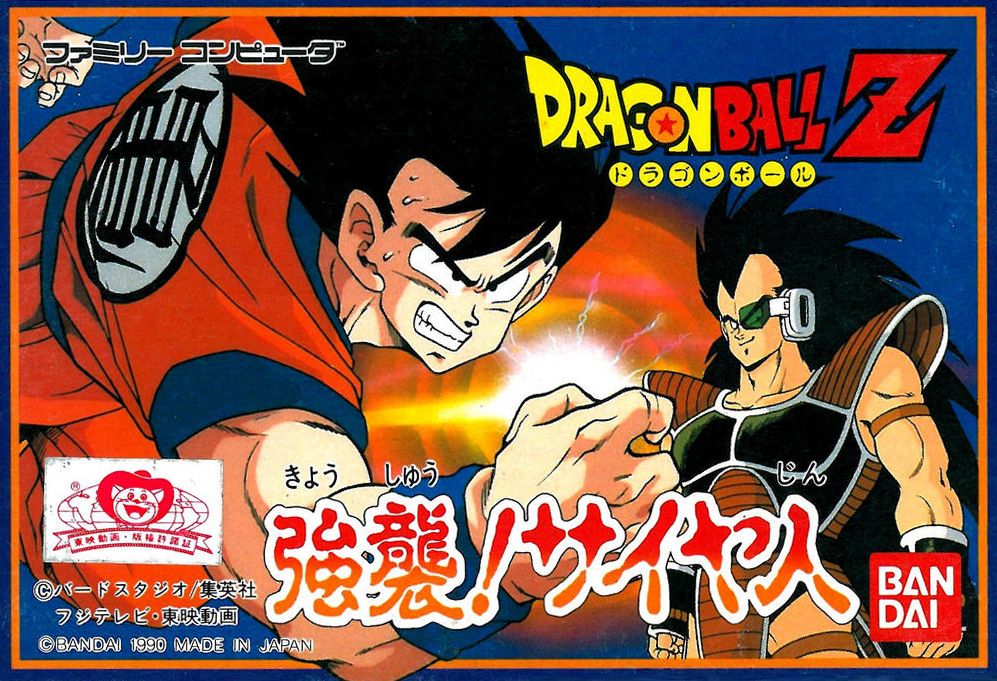
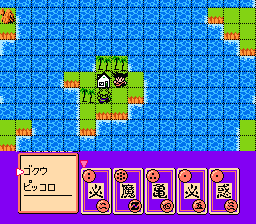
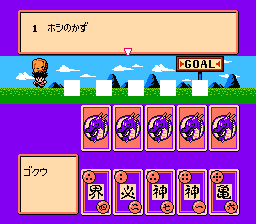
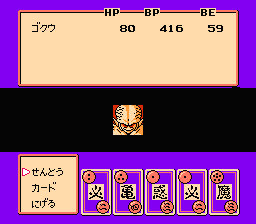
Dragon Ball Z: Kyōshū! Saiyajin introduces a unique blend of fighting and RPG mechanics, anchored by its card-based movement system. Each turn, you select cards that determine how far your character traverses the map, transforming exploration into a strategic puzzle where positioning and planning matter just as much as power levels. This approach keeps encounters fresh, as you must decide when to push forward aggressively and when to hold back and build momentum for a critical clash.
(HEY YOU!! We hope you enjoy! We try not to run ads. So basically, this is a very expensive hobby running this site. Please consider joining us for updates, forums, and more. Network w/ us to make some cash or friends while retro gaming, and you can win some free retro games for posting. Okay, carry on 👍)
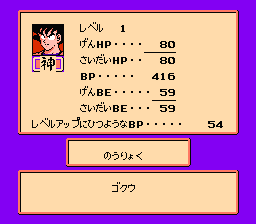
The training stations sprinkled across the map add an RPG layer that encourages you to invest time in character growth. By visiting these zones, you can allocate stat points, unlock new abilities, and boost your fighter’s card deck. This mechanic creates a satisfying loop of preparation and payoff: victory in battle rewards you with experience, which in turn strengthens your roster for the next round of challenges.
Controlling a roster of fan-favorite characters—Goku, Piccolo, Krillin, Yamcha, Tien, Chiaotzu, and even young Gohan—means each fighter has distinct strengths and weaknesses. Some excel at long-range ki blasts, while others dominate with close-quarters combat. Balancing your team before heading into a major showdown forces you to think like a coach: who benefits most from training, and which combination can withstand Frieza’s elite Saiyan warriors?
Once a clash begins, battles unfold automatically in cinematic sequences that capture the fast-paced, aerial combat Dragon Ball is known for. While you’re not directly inputting combos in the moment, your pre-battle preparation and card choices heavily influence how these sequences play out. Success hinges on crafting a solid deck and ensuring your characters are leveled appropriately, making each automated fight feel earned.
Graphics
For a title of its era, Kyōshū! Saiyajin delivers vibrant, hand-drawn sprite work that stays true to Akira Toriyama’s iconic designs. Characters on the field are instantly recognizable, with smooth animations that bring energy to their ki blasts and martial arts moves. The visual fidelity may not rival modern 3D fighters, but its charm and attention to anime-accurate detail resonate with fans.
During battles, the camera shifts dynamically to highlight key moments: a rapid-fire exchange of punches, a charged Kamehameha wave, or a dramatic throw. These sequences feel almost like watching an episode of the show, complete with speed lines, impact flashes, and expressive character portraits. While you’re watching more than playing in these moments, they nonetheless inject excitement and narrative flair into victories.
The overworld map uses a clean, grid-based layout, with simple but effective tilesets representing training grounds, enemy bases, and sacred fight arenas. Though minimalistic, this design choice keeps the focus on strategic movement and card management rather than intricate environmental detail. Occasional background portraits and color changes signal story beats, helping to differentiate between mundane stretches and high-stakes confrontations.
Menus and card graphics maintain a consistent visual theme, employing energetic fonts and bold iconography to convey card strength and special effects. Everything feels cohesive, from the suiting-up screens to the character status panels. If there’s a minor drawback, it’s that repeated viewing of the same animations can lessen their impact over a long campaign—but the initial impression remains strong.
Story
Kyōshū! Saiyajin faithfully adapts the Saiyan Saga from the Dragon Ball manga, plunging players into a world where Goku discovers his extraterrestrial heritage. Right from the Radditz arrival to the climactic battle against Vegeta and Nappa, the game hits all the key narrative beats, giving veteran fans a comforting feeling of familiarity while guiding newcomers through the essentials of the Saiyan conflict.
The story unfolds through dialogue boxes, voiced snippets, and evocative artwork that punctuate your journey on the board. Friendships form naturally as Piccolo sets aside his rivalry, Krillin provides comic relief, and Gohan’s hidden potential rises to the surface. Character interactions feel authentic, capturing the personalities that define the series. This emphasis on relationships gives the RPG mechanics deeper emotional stakes.
While the pacing occasionally slows to accommodate training detours and card-farming, frequent battle sequences prevent the narrative from stagnating. Each victory propels you forward, whether you’re rescuing Gohan, confronting the Saiyan prince, or shipping off to King Kai’s planet. By spacing out major events across multiple stages, the game ensures you feel growth alongside the cast.
Some plot details are understandably compressed to fit the gameplay structure, meaning ultra-fans might notice omitted dialogues or trimmed subplots. However, the core story remains intact, and the game’s blend of exploration, strategy, and cutscene drama keeps the Saiyan Saga feeling engaging from start to finish.
Overall Experience
Dragon Ball Z: Kyōshū! Saiyajin offers a novel take on the franchise formula, layering strategic card mechanics over a beloved narrative. The synergy between training, tactical movement, and cinematic battles creates a loop that’s as addictive as it is accessible—especially for players who appreciate a slower burn rather than nonstop button-mashing.
For longtime Dragon Ball aficionados, the game’s faithful retelling of the Saiyan Saga, combined with well-crafted character art and dynamic fight sequences, delivers a healthy dose of nostalgia. Newcomers with no prior manga or anime background might find the cast overwhelming at first, but clear tutorials and in-game guides help ease the learning curve.
Replay value stems from experimenting with different team compositions and card-building strategies. You might take a second run with a focus on brute-force decks, or attempt to min-max every character’s stats for a nearly unstoppable roster. Side objectives and training side-quests further flesh out the world, making subsequent playthroughs feel rewarding rather than repetitive.
In the end, Kyōshū! Saiyajin stands out as a creative entry in the Dragon Ball game library. Its unique approach to RPG-fighter hybrids, paired with a well-loved storyline, makes it a must-try for fans and strategy enthusiasts alike. Whether you’re reliving Goku’s first Saiyan battle or discovering that epic clash for the first time, this title delivers a compelling, character-driven adventure.


Reviews
There are no reviews yet.