 Retro Replay Retro Replay gaming reviews, news, emulation, geek stuff and more!




Retro Replay Review
Gameplay
Momotarō Densetsu Gaiden delivers a classic Japanese-style RPG experience wrapped in a fairy-tale packaging, making it accessible to younger players while still offering enough depth for genre veterans. You don’t directly control Momotarō himself; instead, you embark on three distinct storylines as Yashahime, Binbōgami, and Urashima. Each protagonist brings unique abilities and narrative flair, ensuring that each chapter feels fresh and distinct. The game’s turn-based combat system uses a first‐person perspective for encounters, injecting a sense of nostalgia reminiscent of early console RPGs.
(HEY YOU!! We hope you enjoy! We try not to run ads. So basically, this is a very expensive hobby running this site. Please consider joining us for updates, forums, and more. Network w/ us to make some cash or friends while retro gaming, and you can win some free retro games for posting. Okay, carry on 👍)
Party management is straightforward but strategic. You can recruit allies, equip them with various weapons and armor, and fine-tune their abilities as they level up. Although the game is pitched toward children—complete with charming dialogue boxes and simple tutorials—level caps and randomized enemy encounters introduce just enough challenge to keep older players engaged. Balancing exploration on the overworld map with dungeon delving and town visits maintains a satisfying gameplay loop.
Exploration spans islands, caves, and villages inspired by Japanese folklore, each populated with NPCs who offer side quests, gossip, or items. Traveling the world map feels seamless, and the random battle rate is tuned well: not so frequent that it becomes tedious, but enough to keep your party on their toes. Dungeons are designed with varied puzzles and minor environmental hazards, adding a light layer of puzzle-solving to the combat-heavy progression.
The pacing of the game is commendable. While the main story progresses in structured chapters, side content encourages backtracking, item hunting, and character upgrades. If you’re a completionist, the temptation to explore every nook will test your patience—especially if you want to upgrade Binbōgami’s unusual “poverty god” skills or delve deeper into Urashima’s underwater-themed episodes.
Graphics
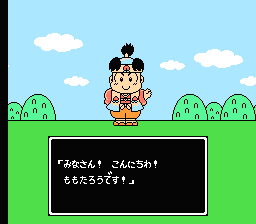
Momotarō Densetsu Gaiden’s visuals carry a distinct late-8-bit/early-16-bit charm, featuring bright color palettes and caricatured character sprites. Each folkloric hero is instantly recognizable—Yashahime’s demon-slaying attire, Binbōgami’s ragged robes, and Urashima’s fishing outfit stand out in both towns and battle sequences. The sprite work is clean, with expressive animations that bring each character’s unique personality to life.
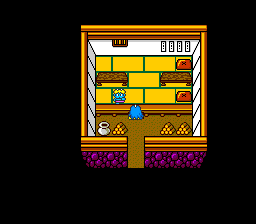
Background environments are equally varied, from quaint village huts to ominous demon fortresses. The tile sets are reused cleverly across multiple areas, but small decorative touches—such as peach trees on Momotarō’s home island or wave motifs in Urashima’s underwater scenes—help each locale maintain its own flavor. Battle backdrops change according to your location, preventing visual monotony during frequent encounters.
While not groundbreaking by today’s standards, the art direction leans into its folkloric theme, using bold outlines and exaggerated features that would resonate with children. Menus and icons are easy to read, and the HUD is laid out with clarity: HP, MP, and status effects are displayed prominently without cluttering the screen. Simple but effective, these design choices keep gameplay flowing smoothly.
Overall, the graphics strike a balance between readability and charm. Fans of retro JRPGs will appreciate the consistency of the pixel art style, and younger audiences will be drawn in by the game’s cartoon‐like presentation. Though limited by hardware of its era, the game’s visual personality shines through every town and dungeon.
Story
Momotarō Densetsu Gaiden weaves together three seemingly unrelated Japanese folk tales under the unifying presence of Momotarō himself. Even though Yashahime, Binbōgami, and Urashima originate from different legends, the game cleverly ties their adventures to the peach‐born hero. Momotarō appears periodically as a guide or ally, reminding players of the series’ roots while allowing each protagonist’s narrative to shine.
Yashahime’s story focuses on her struggle with her demonic heritage as the daughter of King Emma. Her chapter delves into themes of identity and acceptance, all framed in fairy‐tale dialogue that’s easy to follow. Binbōgami’s tale adds humor and social commentary: as the poverty god, he’s forced to confront the very people he curses, exploring ideas of compassion and redemption. Finally, Urashima’s arc offers a picturesque undersea adventure, with mythical sea creatures and a focus on friendship.
Despite its child-friendly tone, the script occasionally touches on surprisingly mature ideas—loss, arrogance, and the responsibilities of power—but always resolves these themes in a way that feels hopeful and uplifting. NPC interactions and town gossip provide extra lore, making the world feel lived-in. Side characters have small but memorable moments, such as a thief who steals Binbōgami’s coins or a talking turtle who guides Urashima underwater.
The nonlinear structure—three self-contained stories rather than one long epic—means pacing never drags. Each chapter concludes with a boss fight that ties back to the overarching demon-island conflict, reminding players of Momotarō’s legacy. While not a masterpiece of narrative complexity, the game’s story succeeds as an engaging folklore anthology, suitable for both young audiences learning these legends and veteran players looking for a charming JRPG detour.
Overall Experience
Momotarō Densetsu Gaiden offers a delightful fusion of Japanese folklore and classic RPG mechanics. Its approachable difficulty curve makes it an excellent starting point for children new to the genre, while nostalgia-driven adults can appreciate the simple yet rewarding combat system and colorful presentation. The trio of independent yet thematically connected stories ensures that players rarely feel stuck in repetitive gameplay loops.
While the graphics and audio are firmly rooted in their era’s limitations, their effective design and cultural flair give the game a timeless appeal. You’ll find yourself pausing to admire background details, reread quirky NPC dialogue, or revisit dungeons to grind for specific gear. The game’s length is moderate—perfect for those wanting a complete JRPG experience without committing 60+ hours.
One of the game’s greatest strengths is its ability to introduce folkloric heroes beyond Momotarō, expanding the series’ universe in creative ways. Whether you’re teaching children about Yashahime’s demon‐slaying heritage or reminiscing about Urashima’s turtle-friend legend, the title strikes the right balance between education and entertainment.
In summary, Momotarō Densetsu Gaiden is a charming, well-crafted RPG that stands out for its narrative variety and heartwarming depiction of Japanese legends. It may lack modern production polish, but its gameplay loop, memorable characters, and cultural resonance make it a valuable addition to any retro RPG collection or a fun introduction for new players.


Reviews
There are no reviews yet.