 Retro Replay Retro Replay gaming reviews, news, emulation, geek stuff and more!
Retro Replay Review
Gameplay
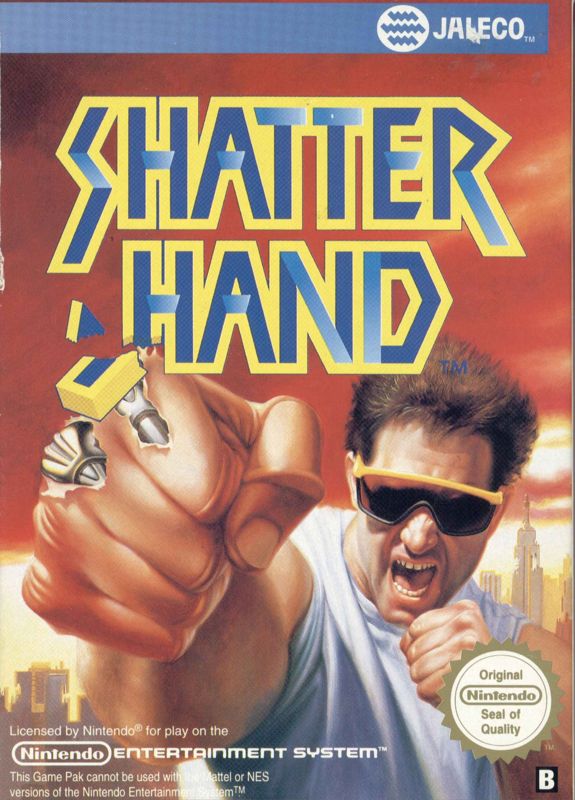
Shatterhand’s gameplay hinges on its tight, responsive punch mechanics and eight-directional scrolling action. You control an enhanced commando who relies solely on his cybernetic fists to dismantle waves of mechanical and biomechanical foes. Each punch not only deals damage but also triggers the firepower of any hovering satellite robot you have currently equipped.
(HEY YOU!! We hope you enjoy! We try not to run ads. So basically, this is a very expensive hobby running this site. Please consider joining us for updates, forums, and more. Network w/ us to make some cash or friends while retro gaming, and you can win some free retro games for posting. Okay, carry on 👍)
These satellite robots add a layer of strategic depth: by collecting specific combinations of floating α-β letters hidden inside white boxes, you can swap between eight unique satellite types. Each satellite offers a distinct automatic weapon—ranging from homing missiles to spread lasers—so mastering which support drone pairs best with your playstyle becomes critical when facing larger enemies and bosses.
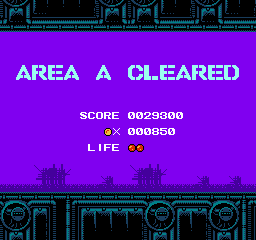
The non-linear stage selection further enhances replayability. After the mandatory opening factory level, you’re free to tackle five intermediate stages in any order—refinery, anti-gravity research facility, submarine, burning subway, or filtration plant—before confronting General Grover’s missile launch complex. This freedom lets you adjust your difficulty curve and experiment with different satellite setups before the final showdown.
Graphics
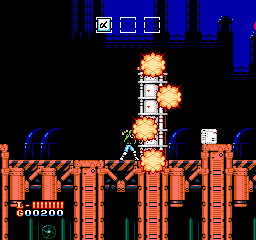
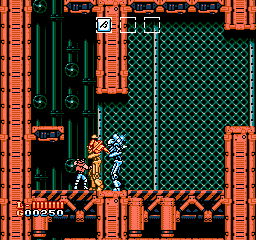
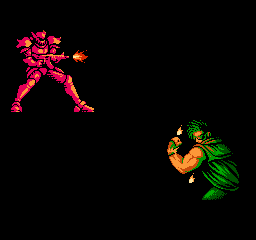
Despite its NES origins, Shatterhand delivers vibrant, detailed pixel art that brings both industrial and organic environments to life. Background layers scroll smoothly in eight directions, creating a sense of depth as conveyer belts whiz by or gravity-defying labs spin overhead. Enemy sprites—whether spiny mechanical crabs or grotesque bio-mechs—are clearly defined and packed with small animations that make each encounter visually distinct.
Color palettes shift dramatically between stages: the refinery’s fiery hues, the submarine’s cool blues and greens, and the subway’s smoky oranges all feel unique. Boss designs are particularly memorable, often occupying a large portion of the screen with menacing animations and attack telegraphs that feel fair, yet challenging. The game’s visual clarity helps you read incoming threats quickly, an essential feature when battles become chaotic.
Small touches—like sparks flying from exchanged punches and satellite blasts lighting up the battlefield—lend Shatterhand a polished, arcade-style flair. Even on hardware limited to a handful of colors per tile, the art team managed to evoke a futuristic military-industrial complex that never feels repetitive. Each new biomechanical boss introduces fresh color combinations and animation cycles to keep players engaged through all seven stages.
Story
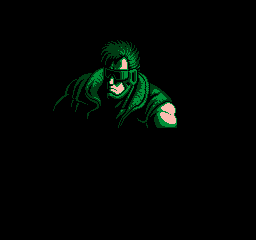
At its core, Shatterhand offers a straightforward plot: you are an elite android soldier sent to dismantle the Metal Command, led by the tyrannical General Grover. While dialogue and cutscenes are minimal, the narrative unfolds through stage design and escalating enemy encounters—each environment hints at the sprawling reach of Grover’s industrial empire.
From the smoke-choked refinery to the anti-gravity research facility, every level feels like a piece of a larger, sinister operation. Background details—overhead pipes dripping toxic sludge or control panels flickering with digital readouts—reinforce the idea that you’re fighting through an oppressive, mechanized world. Occasional boss introductions feature brief text overlays that provide context without slowing down the relentless action.
Although Shatterhand doesn’t linger on character backstory, it nails the classic 8-bit hero’s journey formula: you are the last hope against overwhelming mechanical tyranny. The game culminates in a tense, multi-phase battle against General Grover himself, offering enough narrative payoff for players who have persevered through the factory, refinery, and beyond. The sense of progression and looming peril keeps the stakes high from start to finish.
Overall Experience
Shatterhand stands out as a challenging yet fair action title that rewards pattern recognition, precise timing, and strategic satellite selection. The ability to choose your path through the five middle stages ensures that you never feel railroaded; you can save your favorite—or easiest—levels for last, or dive straight into the toughest challenges to maximize your satellite arsenal.
While difficulty spikes can be steep—particularly in the burning subway and the final missile launch complex—the game’s consistent pacing and varied stage themes keep frustration in check. Checkpoint placements are generous enough to allow repeated attempts without long backtracking, and the variety of satellite weapons means each retry feels fresh as you swap missile pods for flamethrowers or lasers.
Overall, Shatterhand delivers a satisfying blend of tight controls, imaginative visuals, and dynamic stage selection that still holds up decades after its release. Whether you’re a retro enthusiast or a newcomer seeking a finely tuned punch-’em-up, this title offers an engaging, action-packed journey through seven uniquely designed levels on the path to taking down General Grover and his Metal Command.


Reviews
There are no reviews yet.