 Retro Replay Retro Replay gaming reviews, news, emulation, geek stuff and more!


Retro Replay Review
Gameplay
Sweet Home delivers a surprisingly deep blend of Japanese-style role-playing mechanics with survival horror tension. Players control five distinct investigators—Kazuo, Akiko, Taro, Asuka, and Emi—each boasting a unique, item-based skill that is essential both in combat and environmental puzzles. The turn-based battles are familiar to RPG fans: characters level up, gain new equipment, and learn to coordinate attacks and healing, but the twist lies in resource scarcity and the ever-present fear of permadeath.
(HEY YOU!! We hope you enjoy! We try not to run ads. So basically, this is a very expensive hobby running this site. Please consider joining us for updates, forums, and more. Network w/ us to make some cash or friends while retro gaming, and you can win some free retro games for posting. Okay, carry on 👍)
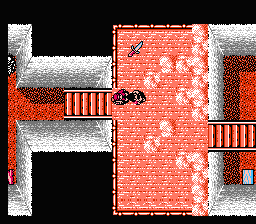
Exploration is where the game truly shines. The mansion is divided into interconnected rooms filled with locked doors, hidden passages, and ominous murals. To progress, you must strategically form small teams tailored to each challenge. For instance, Emi’s lockpicking prowess opens sealed areas, while Asuka’s medical kits keep the group alive after encounters with restless spirits. Taro’s camera reveals clues hidden to the naked eye, and Akiko’s vacuum cleaner clears dusty obstacles, making mapping the sprawling estate a genuine puzzle.
Combat encounters are randomized but never feel trivial. Each ghostly apparition or animated fresco demands careful party composition and resource management. You’ll quickly learn that healing items are precious, ammunition for certain weapons is limited, and overextending one character can lead to devastating consequences. This adds a layer of strategic tension—every corridor might host a fight or a puzzle, so planning your route and conserving supplies are paramount.
Graphics
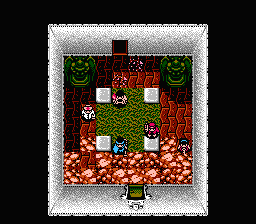
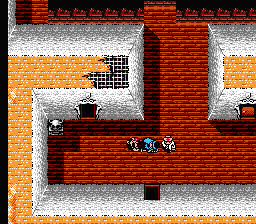
Sweet Home’s retro-inspired pixel art exudes atmosphere through clever use of color and shadow. Despite hardware constraints, the designers craft a truly haunting mansion: long, flickering hallways, broken furniture, and eerily detailed murals hint at the dark history of Mamiya Ichirou. The sprite work for both investigators and monsters is surprisingly expressive, conveying fear, determination, and the supernatural with just a handful of pixels.
Lighting plays a pivotal role in elevating the mood. Kazuo’s lighter casts a trembling circle of light that barely illuminates the path ahead, underscoring the vulnerability of the group. Occasional cutscenes use simple animation and dramatic camera angles to punctuate key story beats—Mamiya’s ghostly apparition, the discovery of grisly scenes, and the final revelations about the disappeared investigation team all benefit from well-timed visual flourishes.
Environmental details reward careful observation. Blood spatters, broken easels, and discarded portraits litter rooms, offering subtle storytelling cues without resorting to expository text dumps. Even the in-game menu, with its parchment-like interface and hand-drawn icons for keys and medical kits, reinforces the sense of an old manor filled with secrets. While not cutting-edge by today’s standards, Sweet Home’s graphics excel at creating an immersive, unsettling atmosphere.
Story
The narrative of Sweet Home centers on five investigators drawn to a secluded mansion rumored to hold valuable frescos by famed painter Mamiya Ichirou. This setup quickly gives way to classic gothic horror: the ghost of the painter appears, the team becomes trapped, and an earlier expedition has vanished without a trace. From the first step inside, tension mounts as every shadow and creaking floorboard hints at unseen dangers.
Character development is woven into both story and gameplay. Each investigator carries personal motivations and fears—Taro is driven by his passion for photography, Emi by a mechanical curiosity that complements her lockpicking, and Asuka by a medical oath tested by the mansion’s horrors. Through terminal logs, scattered journal pages, and brief dialogue exchanges, you piece together not only the painter’s tragic fate but also the bonds forming (and fraying) between the protagonists.
Plot twists emerge organically as you unlock new areas and uncover hidden frescos that seem to hold supernatural power. The mystery of the vanished group looms large, revealing connections between the mansion’s darker secrets and a series of macabre artwork pieces. By the end, Sweet Home delivers a tightly woven storyline that balances suspense, tragedy, and a dash of the supernatural, leaving players eager to replay and uncover every detail.
Overall Experience
Sweet Home stands out as a pioneering fusion of RPG mechanics and survival horror ambiance. Its gameplay demands careful planning, team management, and a willingness to confront unexpected challenges. The blend of item-based skills and environmental puzzles ensures that combat prowess alone won’t carry you—strategic thinking and exploration are equally vital.
The game’s atmosphere is its greatest achievement. From haunting pixel art to sparse, tension-building sound effects and music, every element works in concert to evoke dread and curiosity. Discovering a new fresco, unlocking a previously inaccessible wing, or narrowly surviving a boss-like entity creates memorable, spine-chilling moments that horror fans will relish.
While some may find the random battles and steep resource management demanding, those looking for a unique, story-driven experience will appreciate Sweet Home’s ambition and execution. It remains a must-play for enthusiasts of retro horror and those curious about the roots of modern survival horror titles. The journey through Mamiya Ichirou’s mansion is as challenging as it is unforgettable, offering a rich blend of narrative intrigue and strategic gameplay that lingers long after the final credits roll.



Reviews
There are no reviews yet.