 Retro Replay Retro Replay gaming reviews, news, emulation, geek stuff and more!


Retro Replay Review
Gameplay
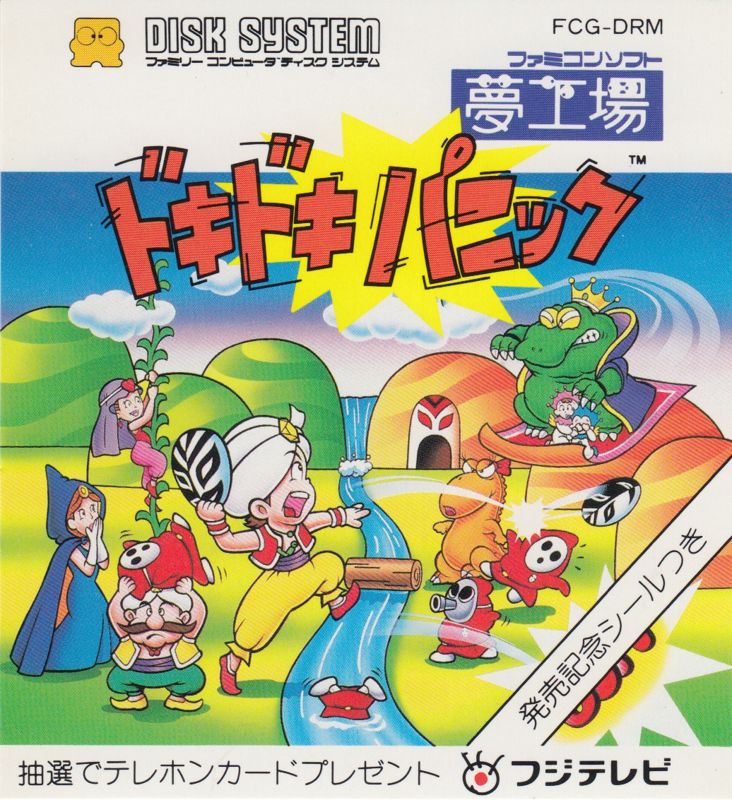
The first hour of Dokidoki Panic feels agreeably strange. You are not just bouncing on enemies or charging past them: vegetables are a central answer to the monsters in your way, and that immediately gives its platforming a more hands-on, slightly comic rhythm. A stage can ask you to keep moving, but it also wants you to notice what you can use, when a bomb is worth spending, and whether a heart or invincibility star will carry you through a dangerous patch.
Its seven chapters have enough tools to prevent the action from turning flat. Bosses punctuate the platforming, while magic lamps, bombs, hearts, and stars give the stages a useful sense of changing stakes. Coins matter beyond simple bragging rights, since you can spend what you collect in a post-level bonus game for extra lives. That is a smart pressure valve in a game where a few mistakes can become expensive.
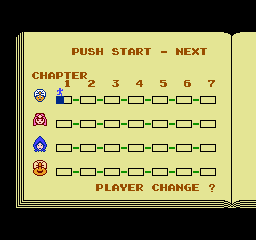
The larger demand is repetition with purpose. One family member defeating Mamu is not the finish line; each of the four must make that trip before Piki and Poki are rescued. That structure asks you to truly learn the game rather than merely survive one successful run. It can become frustrating if you wanted a quick campaign, but it also makes the eventual completion feel earned: Mamu is not beaten because you got lucky once, but because you could do it again.
Graphics
The game uses a 2D side-scrolling view that keeps the platforming clear: you can see the family characters moving through the stages, monsters blocking their route, and vegetables becoming unlikely ammunition. The imagery is whimsical by design, from dream-land danger to a villain whose stated weakness is produce, and it suits the playful tone rather than fighting it.
Story
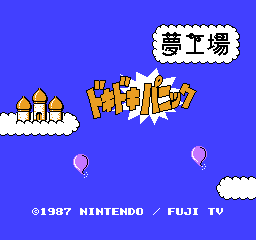
This is an unusually elaborate excuse for a rescue platformer, and its nonsense is part of the charm. Muu is a dream land where the weather follows the quality of its dreams, so a machine built to guarantee pleasant weather becomes a disaster when Mamu turns it into a monster factory. It is a tall tale told with a straight face, right down to the citizens burying their enemy under vegetables.
The plot then takes a sharp turn into a book. Piki and Poki tear out its final page during an argument, a mysterious hand pulls them inside, and their older brother Imajin, sister Lina, and parents follow to save them. That setup makes the four-character completion requirement feel more connected to the fiction than a typical interchangeable-character gimmick would.
Do not come expecting a heavily developed narrative between stages. The story is broad, goofy, and functional, but it gives the game a memorable frame: a family must push through a warped dream tale to restore the ending that was literally torn away. For a 1987 platformer, that is a much more colorful hook than another anonymous march toward a final boss.
Overall Experience
Dokidoki Panic is at its best when you accept its peculiar rules and let the game’s toy-box assortment of threats and aids work on you. The vegetable-throwing premise could have been a one-note gag, yet the bosses, limited-helpful items, and life-earning bonus game turn it into a platformer with a satisfying loop of caution, recovery, and renewed attempts.
Its main source of friction is also its source of durability. Requiring all four family members to defeat Mamu makes the finish more demanding than a single clear, and that can test your patience after a hard section. Still, the game gives you a tangible reason to keep improving: every extra life earned from coins and every cleaner pass through a chapter moves you toward a complete rescue.
Give it a chance if you like platform games that are compact, challenging, and proudly eccentric. You will get more from it if repeating the journey with each rescuer sounds like a final test rather than busywork. For everyone else, it remains fascinating for its oddball dream-world energy, but its full payoff belongs to the gamer willing to see all four runs through.


Reviews
There are no reviews yet.