 Retro Replay Retro Replay gaming reviews, news, emulation, geek stuff and more!
Retro Replay Review
Gameplay
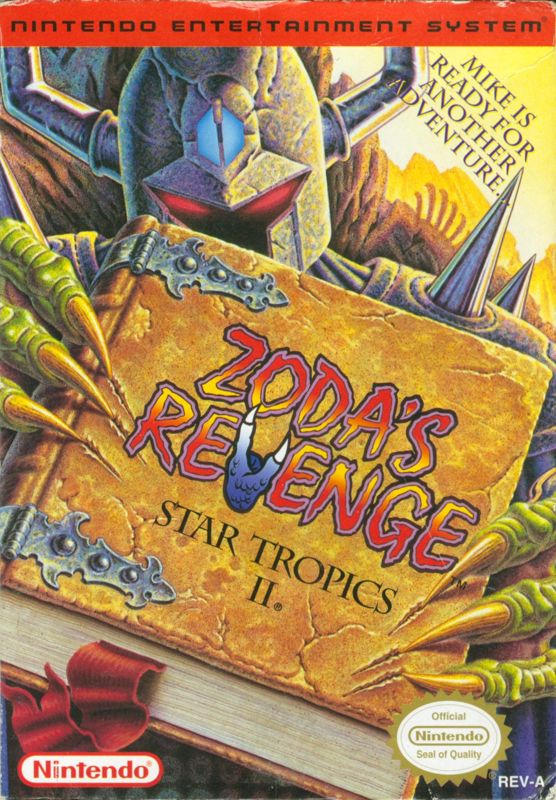
Zoda’s Revenge: Star Tropics II builds on its predecessor’s signature blend of action-oriented combat and light RPG mechanics, offering a richer and more varied experience. Players control young Mike Jones as he hops between distinct time periods—from the Stone Age to the Victorian era—tackling puzzles, gathering clues, and engaging in fast-paced battles. The core loop of exploration, dialogue, and combat remains engaging throughout, ensuring that each new era brings fresh challenges and surprises.
(HEY YOU!! We hope you enjoy! We try not to run ads. So basically, this is a very expensive hobby running this site. Please consider joining us for updates, forums, and more. Network w/ us to make some cash or friends while retro gaming, and you can win some free retro games for posting. Okay, carry on 👍)
One of the standout improvements is Mike’s expanded arsenal. In addition to the trusty yo-yo, he now wields an axe, a dagger, and even a katana, each with unique attack patterns and reach. These weapons interact seamlessly with the new Psychic Shock Wave ability, an upgradable projectile magic that adds strategic depth to both boss encounters and regular skirmishes. Players must decide when to save ammunition for powerful magic attacks and when to rely on melee strikes, creating a satisfying risk–reward balance.
The RPG elements—hearts representing health and the ability to increase the maximum heart count—feel reminiscent of classic Zelda titles, yet they’re integrated into Star Tropics’ distinct framework. Scattered throughout each time period are hidden heart containers and special items that encourage thorough exploration. The dialog system, which allows Mike to converse with NPCs and historical figures like Sherlock Holmes, further enriches the gameplay by unlocking side quests and essential hints needed to locate the elusive Tetrads.
Graphics
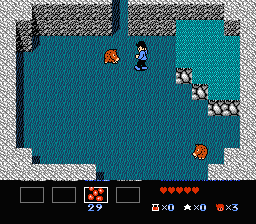
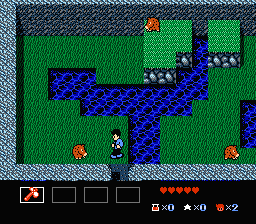
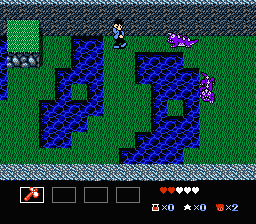
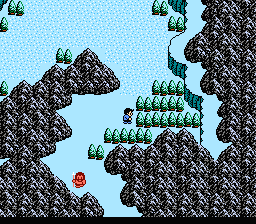
For an NES title, Zoda’s Revenge showcases surprisingly detailed and vibrant sprite work. Each era Mike visits is characterized by its own color palette and environmental textures—from lush prehistoric jungles to dimly lit, gaslamp-lit Victorian streets. These visual shifts not only reinforce the time-travel theme but also help players instantly recognize where they are, even without checking the in-game map.
Enemy designs are equally varied, ranging from caveman warriors and saber-toothed creatures to mechanical automatons and sinister Victorian villains. While the hardware’s limitations mean some repetition in background tiles, clever use of contrasting colors and layered scrolling backgrounds gives each stage depth and personality. Boss sprites, in particular, feel impressively large and animated for an 8-bit game, delivering a sense of size and menace that heightens the stakes.
Special effects—such as the flash that accompanies a Psychic Shock Wave or the shimmering glow of a newly acquired Tetrad—are handled with crisp animations that stand out against the static backdrops. Health hearts fade in and out smoothly when regenerated, and text boxes maintain readability without obstructing the action. Altogether, the graphics strike a fine balance between nostalgic charm and technical polish.
Story
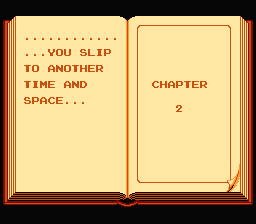
The narrative kicks off immediately as Mike receives a telepathic plea from Princess Mica of the Argonians, prompting him to decipher a mysterious code he and his uncle Dr. J uncovered. When the two unwittingly speak the ancient text, Mike is hurled back in time to prehistoric lands. This clever framing device sets a brisk pace and gives each level a built-in purpose: recover the scattered “Tetrads” to aid the Argonians’ fight against the resurrected villain, Zoda.
As Mike jumps from era to era, the story weaves in real-world icons—most notably, an encounter with Sherlock Holmes—which adds a delightful layer of historical pastiche. These crossover moments don’t feel tacked on; they often deliver tongue-in-cheek humor and small rewards, such as clues needed to navigate labyrinthine stages. Dialogue is concise yet characterful, ensuring that players remain invested without drowning in exposition.
Zoda’s return serves as a compelling throughline, as the villain constantly lurks in the shadows of each time period, vying for the same powerful artifacts. This cat-and-mouse tension culminates in several dramatic boss battles that test both reflexes and puzzle-solving skills. The emotional stakes are heightened by Mica’s telepathic updates and Dr. J’s commentary, which gently remind players of the broader consequences of failure.
Overall Experience
Zoda’s Revenge: Star Tropics II offers a tightly woven package of exploration, combat, and narrative flair that feels both familiar to fans of the original and boldly inventive on its own merits. Each time period is handcrafted to deliver unique visual and mechanical hooks, preventing the gameplay from ever feeling stale across its eight or nine-hour runtime. The combination of light RPG progression and action-oriented mechanics makes for a well-rounded adventure.
While the difficulty can spike—particularly in the later boss fights—the generous checkpoint system and occasional heart container placements mitigate frustration. The password save feature, standard for its era, allows players to tackle the journey in manageable sessions. Replay value comes from the urge to find every hidden heart, master every weapon, and uncover all story beats involving Sherlock Holmes and other historical characters.
For collectors and retro enthusiasts, Zoda’s Revenge stands as a highlight in the NES library, capturing the creative ambition of late-era 8-bit design. Newcomers seeking a charming, character-driven action-adventure will find plenty to love in Mike Jones’s time-hopping quest. With its engaging gameplay loops, varied visuals, and heartfelt story, Star Tropics II remains a memorable and rewarding experience even decades after its original release.


Reviews
There are no reviews yet.