 Retro Replay Retro Gaming History, Reviews & Emulation
Retro Replay Review
Gameplay
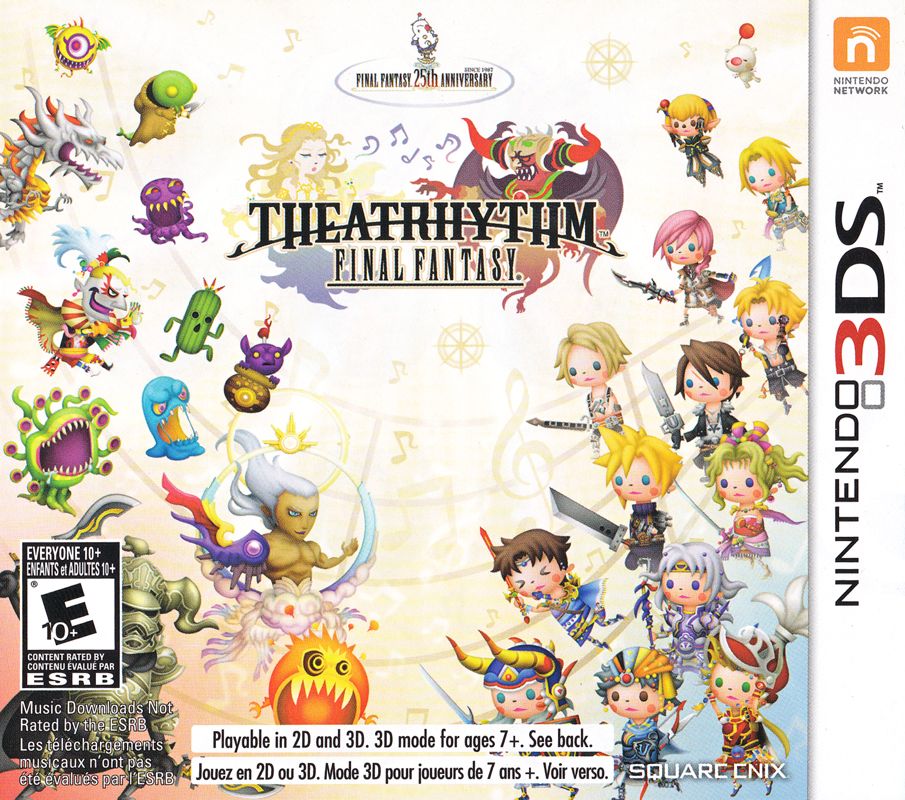
The first hour has a wonderfully direct pull. You tap in time, hold when a trail asks you to hold, swipe in the marked direction, and hear the music you know in a completely different way. A good run feels less like you are passively listening to a Final Fantasy favorite and more like you are tracing its momentum with your hands. The basic inputs are easy to learn, but the demand for precise timing makes them hard to master.
Its three main stage types stop the song list from feeling flat. Field Music Stages ask you to manage vertical movement along a single line while your party travels through themed scenery; Battle Music Stages split the action across four lanes, with party members attacking enemies as you perform; Event Music Stages put the emphasis on following rhythms that change with the piece. The Battle stages are the most immediately satisfying because strong timing translates into visible attacks and drops, while Event stages can be the sternest test when a song shifts its pace.
Failure carries enough weight to keep you focused. Miss too often, lose all HP, and the song ends with a failed score. Character abilities that damage foes, heal the party, or speed travel add a layer of preparation around the rhythm action without replacing the central skill test. Leveling the group and equipping them gives you a reason to think about your lineup, especially when a difficult chart starts pushing back.
Replay is built into nearly every reward loop. Critical Charts accumulate across attempts, Rythmia unlocks rewards every 500 points, and better results can lead to more music, movies, Challenge tracks, and colored crystals for bonus characters. That can turn a single favorite track into a long-running target: first clear it, then earn an A on Expert, then unlock Ultimate, then work toward a fuller Critical Chart. If you only want to casually sample songs once, the progression may feel more insistent than necessary; if you enjoy steadily cleaning up scores, it is hard to put down.
The Chaos Shrine is where the game asks whether your timing is actually dependable. Dark Notes pair a Field stage and a Battle stage against boss monsters, with rarer rewards on offer, and they are explicitly tougher than the regular material. Multiplayer and StreetPass Dark Note sharing add another route into that challenge, but the core satisfaction remains personal: taking a chart that once wrecked your HP and finally playing it clean.
Graphics
The game keeps the focus on the music and note paths, but it still finds room for charming Final Fantasy fan service. In Field Music Stages, your party walks through scenery fitted to the selected song; in Battle Music Stages, the four-character team attacks enemies as your inputs land. Opening and ending themes center the action on notes spiraling toward a crystal, a clean visual match for their special rules.
The note displays change purposefully from mode to mode: one traveling line for field stages, four lanes for battles, and freer patterns for event songs. That variety helps you understand what a song is asking of you at a glance rather than making every chart look interchangeable.
Story
There is not much narrative weight here, and that is the right call. The framing goal is to collect Rythmia, restore the rhythm crystal, and unlock more of the Final Fantasy celebration. It gives the menus and rewards a thread to follow without interrupting the rhythm game with a story you have to sit through.
The real storytelling comes from the music selection and the way each numbered series is organized into its own set. You move through 13 numbered Final Fantasy collections, each with field, battle, and event pieces, plus optional opening and ending themes. For a longtime fan, that structure makes every completed set feel like a compact tour through a different corner of the series.
The Museum is a good fit for this approach. Music, movies, character and enemy CollectaCards, records, and trophies turn progress into a growing archive rather than a one-time ending. You are not chasing dramatic plot twists; you are building a personal Final Fantasy scrapbook through performance.
Overall Experience
Theatrhythm: Final Fantasy understands that a soundtrack can carry memories, then gives you a demanding way to interact with those memories. Its best moments arrive when your stylus movements lock into a beloved arrangement and the party action, note chart, and rising score all line up. The licensed Final Fantasy material matters, but the game would not work nearly as well if its timing challenges were not so compelling on their own.
Frustration can set in when misses drain HP during a song you desperately want to finish, or when a harder chart exposes habits that passed on Basic difficulty. Stick with it. Expert and Ultimate have clear unlock requirements, while repeat attempts always feed Critical Charts, Rythmia, experience, and collections, so even imperfect runs can move something forward. That makes practice feel productive instead of punishing.
Give it a chance if you want a rhythm game with a deep reward structure and a massive emotional advantage from Final Fantasy’s music. Give it an even stronger recommendation if you enjoy replaying stages until the timing becomes muscle memory. For additional game-specific background, see Theatrhythm Final Fantasy; for the game itself, the enduring reason to return is simpler: few music games make a better case for playing along with a beloved soundtrack.


Reviews
There are no reviews yet.