 Retro Replay Retro Gaming History, Reviews & Emulation
Game Overview
Gameplay
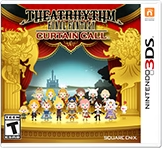
Curtain Call grabs you with the simple pleasure of hitting familiar Final Fantasy music on the beat, but it does not stay simple for long. Tap, hold, and slide inputs can be handled with the stylus, buttons, or a mixture of both, so you can settle on the method that feels most natural. The real hook is chasing critical hits. A good run feels precise and physical, while a few sloppy notes can immediately turn a favorite track into a humbling retry.
The three stage types give the song list more texture than a plain score-attack package. Field Music Stages turn a performance into a journey through themed scenery, where better play carries your party farther toward treasure. Battle Music Stages split the action across four character lanes and make clean rhythms translate into damage against a stream of enemies. Event Music Stages ask you to follow a moving target over scenes from major Final Fantasy moments, which is a smart way to make the note patterns feel less predictable.
Party building adds worthwhile strategy without displacing the rhythm action. Characters bring abilities with point costs, and the Collecta Card Crystarium can boost their attributes, so there is a reason to think about who you bring beyond personal attachment. Strong combat-focused teams make Battle Music Stages more efficient, while speed and endurance matter on the field. The downside is that the sheer number of choices can feel like extra homework when you only want to play songs, but you can still have a great time without obsessing over every optimization.
Quest Medley is where the game asks for endurance instead of isolated perfection. Branching routes, keys, bosses, save points, and carried-over damage make a chain of songs feel like a real campaign. Healing and item use between stages become important, and a rough performance has consequences beyond a single result screen. It is an excellent mode for anyone who wants more than quick sessions, although failure late in a route can sting.
Graphics
The game shifts its imagery to match the music stage. Field stages send party members, and sometimes airships, through Final Fantasy-themed locations; Battle stages place enemies and occasional bosses behind four active character lanes; Event stages play scenes from key moments in the series behind the moving note target. That constant change gives the long soundtrack a welcome sense of place.
The character-focused battle view is especially useful because you can watch successful rhythms turn into attacks as enemies take damage and give way to the next target. Event stages have the most dramatic imagery, but their moving note path demands attention, so the background scenes work better as a reward for familiarity than something you can leisurely watch on a first attempt.
Story
This is a light framing story built around a familiar Final Fantasy conflict: Chaos has returned, Cosmos summons champions, and the heroes must gather Rhythmia to restore balance. It gives the music tour a clear reason to exist, then wisely gets out of the way.
Do not come in expecting a new character drama or a meaningful continuation of the mainline games. The narrative is a connective thread, not the destination. Its real value is in bringing heroes and music from across the series into one party-based rhythm adventure.
The Event Music Stages provide the closest thing to emotional storytelling, since they pair songs with scenes from important Final Fantasy moments. If you know the material, those tracks can land with extra force. If you do not, they still function as unusual, more visually demanding rhythm charts rather than essential plot lessons.
Overall Experience
Curtain Call is the kind of sequel that understands exactly what needed expanding: the music selection, the roster, and the reasons to keep playing. More than 200 songs is not just a large number on paper when the tracks span such different corners of Final Fantasy. You can bounce between quick score attempts, structured quests, and versus matches without exhausting the central idea.
Its best moments come when a song you already adore reveals a pattern that fits it perfectly, then challenges you to master that pattern rather than simply coast on nostalgia. Critical notes sweeten that loop by offering better battle damage, treasure, or field progress for exact timing. The game rewards commitment, but it never loses sight of why you picked a particular track in the first place.
The biggest frustration is also part of its longevity: mastery asks for accuracy, and some modes raise the pressure with moving paths, competition effects, or persistent quest damage. Still, the payoff is substantial. Give Curtain Call a chance if you love Final Fantasy music and want a rhythm game with real replay value, or if you want a deep song-based game whose RPG layers add stakes without taking over the beat.

Reviews
There are no reviews yet.