 Retro Replay Retro Replay gaming reviews, news, emulation, geek stuff and more!
Retro Replay Review
Gameplay
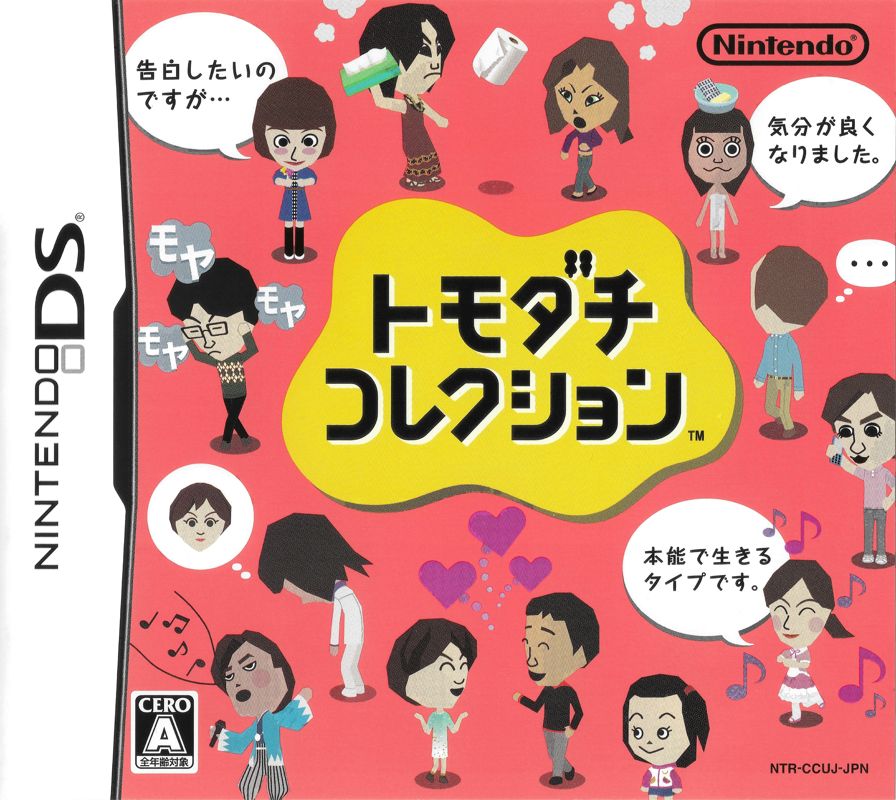
The first hour is driven by the pleasure of recognition. Your personally made Mii is not just an avatar on a menu; it becomes the center of a city shared with friend Miis transferred from Wii, Miis collected through friend codes, and computer-generated residents. Seeing that population begin to mingle gives even basic check-ins a personal edge, especially when you have filled the town with people you know.
Tomodachi Collection asks you to live alongside its residents rather than conquer it. Miis wander about, follow everyday routines, make friends, and bring you errands to handle. Completing those tasks earns money and can unlock more facilities, so there is a steady trickle of reasons to return. Gifts, clothing, food, and special items also give the social side some tangible momentum, particularly because items can be traded.
What clicks is the relaxed rhythm. You can dip in, see what your residents are doing, handle a few requests, and leave without feeling punished for a short session. The flip side is that the game depends heavily on your investment in the Miis themselves. When the cast feels personal, small changes in their lives matter; when it does not, the routine can feel like a string of light errands with little pressure behind them.
Graphics
The city is built around the familiar, deliberately simple Mii look, with your custom character and other Miis doing most of the visual heavy lifting. On the Nintendo DS, that makes the important part easy to grasp at a glance: this is your handmade cast inhabiting a compact everyday world, rather than a realistic simulation.
Story
There is no single authored plot to chase here. The story is the collection of small social moments that emerges from your residents: who is around, who becomes a friend, what daily task needs doing, and which new activity opens up next. That loose structure fits the premise well, because it lets your own Mii community become the subject.
The calendar adds welcome texture. Holidays, concerts, karaoke concerts, and gatherings break up ordinary days and give the town occasions that feel different from its normal routine. These events matter most as shared memories for your cast, not as dramatic narrative milestones.
That means your mileage rests on imagination and familiarity. A town full of friends’ Miis has an immediate in-joke quality that randomly generated residents cannot quite replicate. If you want a carefully scripted emotional arc, this will feel too slight; if you like making your own anecdotes out of systems and personalities, it has a warmer kind of storytelling.
Overall Experience
Tomodachi Collection is easy to underestimate because it is so unconcerned with winning. Its reward is the habit of visiting a tiny community that gradually becomes more specific to you, whether that comes from transferring Wii Miis or collecting friends through codes. The ongoing unlocks, gifts, and errands keep the town moving, but curiosity is the real engine.
It is not a game for someone craving deep strategic decisions or a demanding progression curve. Frustration can set in if you expect each task to lead to a major breakthrough, since the point is more accumulation than escalation. Treat it like a social toy that you revisit in small bursts, and its slow pace becomes a strength rather than a limitation.
Give it a chance if The Sims-style people-watching and Animal Crossing-like daily routine sound more inviting than a checklist of objectives. It is a particularly good fit if you can populate the city with recognizable Miis, because that turns its modest activities into personal comedy. For background on the game’s release and history, see Tomodachi Collection’s history.



Reviews
There are no reviews yet.