 Retro Replay Retro Gaming History, Reviews & Emulation
Game Overview
Gameplay
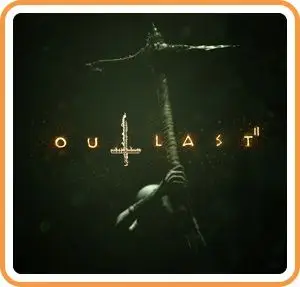
Outlast II works best when you surrender to its basic promise: you are not here to feel powerful. You are a cameraman caught inside a place where almost everyone seems dangerous, and the first-person stealth framing makes that vulnerability immediate. The game puts you in the thick of an isolated religious community that has turned fear, violence, and prophecy into everyday life.
That commitment creates genuine tension, especially if you enjoy horror games where simply moving forward feels like a decision you have to talk yourself into. The threat is not a distant premise. Blake is personally wrapped up in the investigation, his wife Lynn is missing in the chaos, and every step deeper into Temple Gate carries the sense that the situation is becoming less survivable.
The limitation is equally clear: this is punishingly bleak material. Outlast II does not offer much emotional breathing room, and its horror is aimed at disgust, panic, and mental unraveling rather than a balanced adventure tone. If you find sustained helplessness draining, the game can wear you down before its darkest ideas have a chance to land.
Story
The story has a nasty, compelling setup. Blake and Lynn follow clues from the murder of an unidentified pregnant woman into the desert, where Knoth’s followers have built Temple Gate far from civilization. That mystery gives the horror a reason to keep pulling you onward, while the game’s focus on religious extremism, corruption, and psychological collapse makes the journey far harsher than a simple missing-person investigation.
Overall Experience
Outlast II is not subtle, gentle, or especially interested in making you comfortable. Its strength is how completely it commits to a nightmare of isolation and fanaticism. You are dropped into a community already rotted by its leader’s beliefs, and the fact that Blake is searching for Lynn gives the nightmare a personal stake beyond mere survival.
For fans of the first Outlast, the new characters and desert setting make this feel like a companion piece rather than a repeat. It remains rooted in the same universe, yet Temple Gate has its own brand of horror: a hidden town preparing for the end of the world, with you caught in the middle of its rituals and violence.
Give it a chance if you want stealth horror that refuses to soften its themes and keeps its protagonist vulnerable. Skip it if you need a lighter tone, a sense of empowerment, or relief between scares. For the right horror fan, its oppressive journey is worth enduring, even when the cruelty of the material makes it a difficult game to recommend without reservations.


Reviews
There are no reviews yet.