 Retro Replay Retro Replay gaming reviews, news, emulation, geek stuff and more!



Retro Replay Review
Gameplay
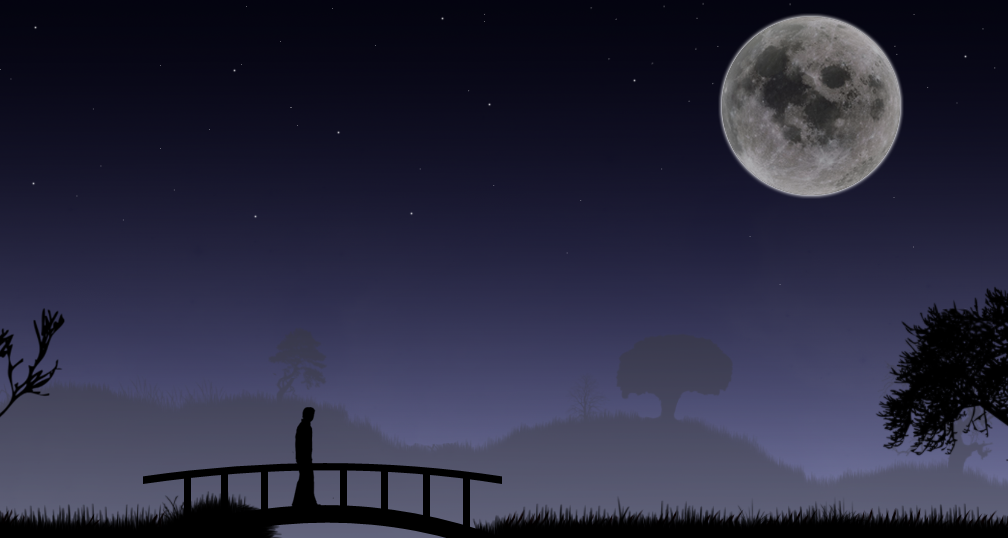
Star Sky opens by asking you to accept its pace. You guide a lone man through the countryside at night, with only left, right, and a run button at your disposal. At first, that can feel almost comically limited. Then you notice that stopping is the real action: white sparkles on the ground and swells in the music mark places where something may happen if you wait. The simple act of not rushing becomes the point.
That makes each walk feel like a small test of temperament. You can stop to pick up a rose, wait for a woman, admire a rainbow, or choose a route over or around a hill; you can also run straight past. None of this is demanding in the usual game sense, but the choices have enough consequence to make you wonder what you left unseen. Star Sky understands that curiosity can be a stronger nudge than a mission marker.
The structure does become more game-like once you start chasing the full set of eighteen events. End screens track what you have and have not found, turning a contemplative stroll into a series of repeat runs with a purpose. That is satisfying if you enjoy gently probing a short game for alternate outcomes. If you want every replay to feel completely fresh, though, the limited movement and familiar route can make the completion push feel a little mechanical.
Graphics
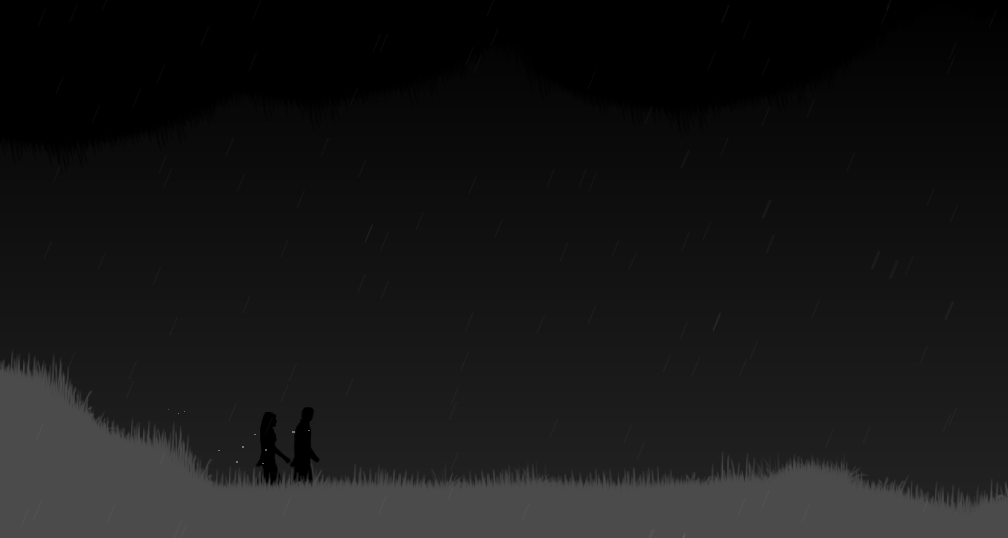
The imagery stays focused on a solitary figure crossing a nighttime countryside, with small, memorable sights such as a rose, a woman, a rainbow, and sloping hills breaking up the walk. White sparkles provide a clear visual cue for spots worth stopping at, while the side-view perspective keeps your attention on what lies just ahead or behind.

Story
Rather than laying out a conventional plot, Star Sky lets meaning emerge from brief encounters and decisions. A rose is not merely an item to collect, and a pause beside someone is not framed like a quest objective. The game invites you to read these moments as you like, which suits its meditation on life and choices.
That light touch is its strength. You are not pushed toward one definitive interpretation, so a decision to linger can feel personal even when the interaction itself is slight. The recurring question is wonderfully plain: do you stop for this moment, or do you keep moving?
The trade-off is that the emotional impact depends heavily on what you bring to it. Star Sky does not build a deep cast or a dense chain of events to carry you along. Its story works best when you are willing to sit with suggestion, rather than waiting for the game to explain exactly why a given encounter matters.
Overall Experience
There is a quiet pull to Star Sky’s first run because it strips away nearly every familiar distraction. You walk, listen for the music to rise, watch for sparkles, and decide whether a possible moment is worth your time. In a medium crowded with games that constantly demand faster reactions, that restraint feels refreshing.
Its replay hook is sensible rather than seamless. Seeing untriggered events listed at the end gives you a direct reason to go back, and the branching choices make repeat walks more than pure busywork. Still, the game is at its best before completionism takes over. Treating every stop as a checklist can flatten the sense of discovery that makes the first few walks land.
Give Star Sky a chance if you enjoy compact, meditative games that leave room for your own interpretation. Skip it if you need complex interaction, a traditional story arc, or a long campaign to feel satisfied. For the right mood, its modest journey earns its payoff: a short walk that makes slowing down feel like a meaningful choice.


Reviews
There are no reviews yet.