 Retro Replay Retro Gaming History, Reviews & Emulation
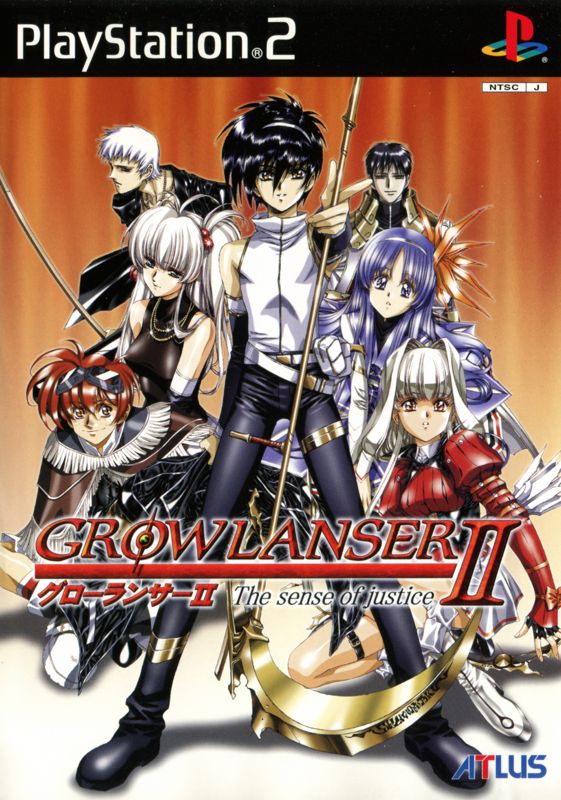
Retro Replay Review
Gameplay
The first thing you have to adjust to is that combat does not simply stop because you made a choice. Growlanser II mixes turn-based command selection with real-time consequences: physical attackers must actually travel to their targets, while magic takes time to cast. That makes distance, timing, and the order of your decisions matter in a more immediate way than in a conventional tactical RPG.
This can be genuinely satisfying once it clicks. A slow spell is not just a powerful option with a bigger number attached; it is a commitment that may take too long to pay off. Likewise, sending a melee character after an enemy means thinking about the space between them rather than assuming an attack happens instantly. The lack of a traditional grid fits that approach, with movement determined by each character’s speed.
It also means the game asks for patience. If you want crisp, fully segmented turns where every unit politely waits for the next command, this hybrid structure may frustrate you. But if you enjoy adapting plans as actions unfold, the battles have a distinctive pressure that makes the familiar strategy-RPG framework feel less mechanical.
Ring Weapons add a welcome layer of character tuning. These unique weapons can be improved with gems that grant beneficial effects, giving you another reason to consider how each party member should function instead of treating equipment as a simple upgrade path. It is a focused system rather than a distraction from the tactical core.
Graphics
The game uses an anime-inspired fantasy look, and its diagonal-down tactical perspective is well suited to watching units move toward enemies and spells take time to resolve. It is a clear fit for a strategy RPG built around positioning and timing.
Story
Rather than repeating the first game’s viewpoint, this sequel shifts attention to Burnstein in the continuing war with Rolandia. You play Wein Cruz, a young knight who wants to earn the rank of Imperial Knight, and that straightforward ambition gives the opening a useful sense of direction.
The stronger material lies in the pressure put on that dream. Wein gradually finds that his country and his past are not as simple as he believed, forcing him to weigh injustice against loyalty and friendship against duty. That is dependable fuel for a war story, especially one built around a protagonist whose ideals have not yet hardened into certainty.
Romance is not merely background flavor here. You can pursue several female characters through dialogue choices and other decisions, and those choices affect the ending. That makes your conversations worth treating as part of Wein’s arc, not as disposable pauses between battles. Anyone who dislikes dating elements may find that emphasis intrusive; for everyone else, it gives the campaign a more personal stake.
Overall Experience
Growlanser II: The Sense of Justice earns its recommendation through the way its systems pull in the same direction. A young knight struggling with belief and allegiance is paired with battles where timing and commitment can punish careless decisions. Neither side is radically unfamiliar on its own, but together they make the game feel purposeful.
It is particularly easy to recommend if you liked the first Growlanser and want another story in the same universe and timeline, including returning characters. Newcomers can also start here, since Wein and Burnstein provide a distinct focal point, though the sequel’s connections will naturally carry more weight if you know the earlier game.
Give it a chance if you want tactical combat that asks you to think past the command menu, plus a fantasy war narrative willing to make room for moral choices and romantic outcomes. The real-time edge to its turn-based battles will be the deciding factor: embrace that tension, and the payoff is a strategy RPG with more urgency and personality than the usual map-by-map routine.


Reviews
There are no reviews yet.