 Retro Replay Retro Replay gaming reviews, news, emulation, geek stuff and more!
Retro Replay Review
Gameplay
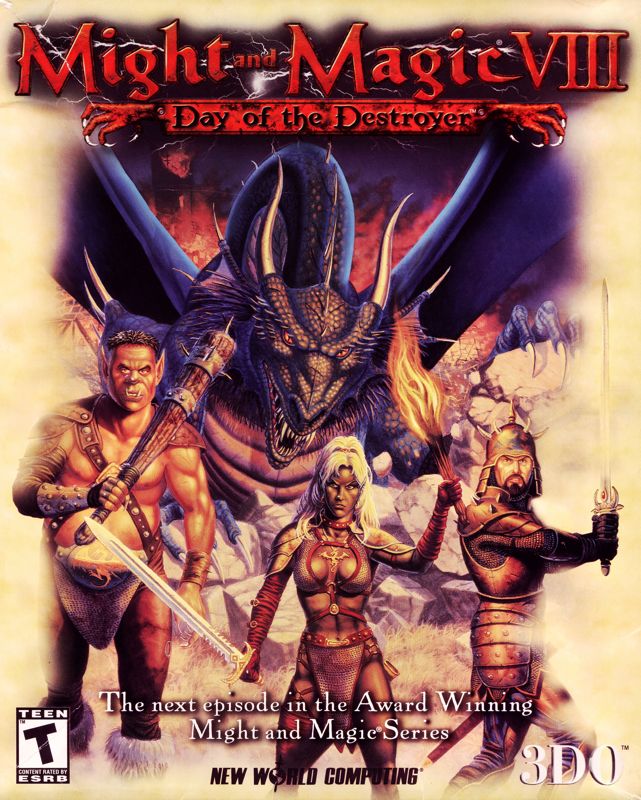
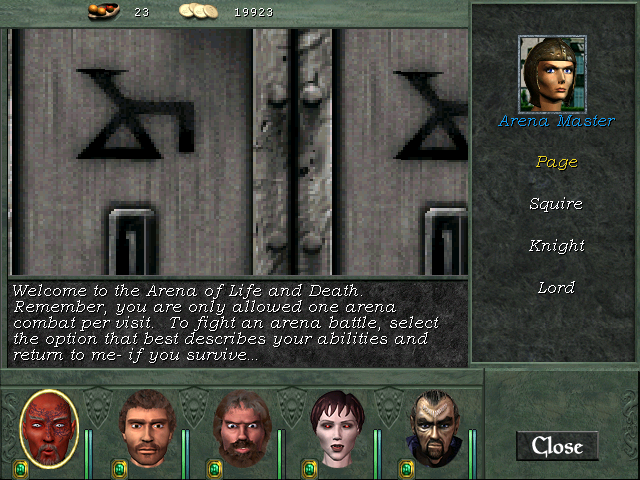
Might and Magic VIII: Day of the Destroyer delivers a classic role-playing experience rooted in exploration, questing, and turn-based combat. You begin as a modest caravan guard on the Dagger Wound Islands, unaware that your actions will determine the fate of Enroth. The game’s open-world structure encourages you to wander through towns, dungeons, and elemental rifts, encountering puzzles, traps, and secrets around every corner.
(HEY YOU!! We hope you enjoy! We try not to run ads. So basically, this is a very expensive hobby running this site. Please consider joining us for updates, forums, and more. Network w/ us to make some cash or friends while retro gaming, and you can win some free retro games for posting. Okay, carry on 👍)
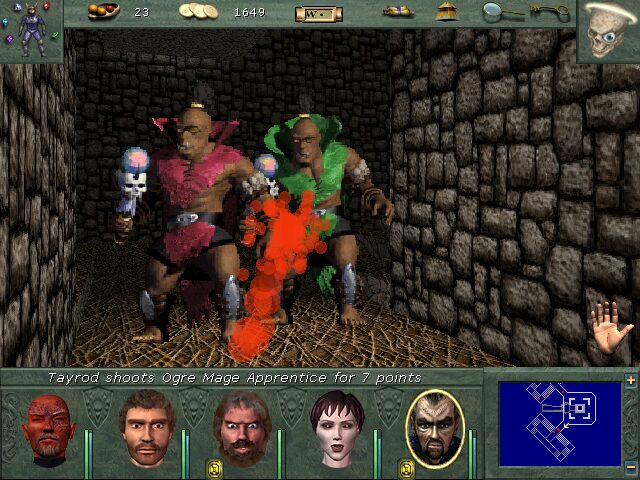
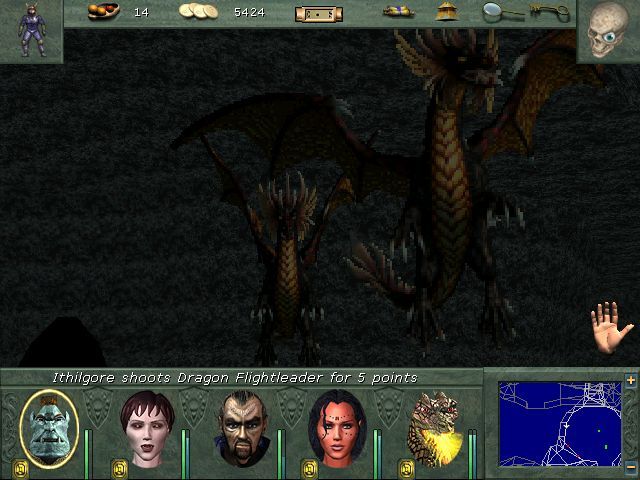
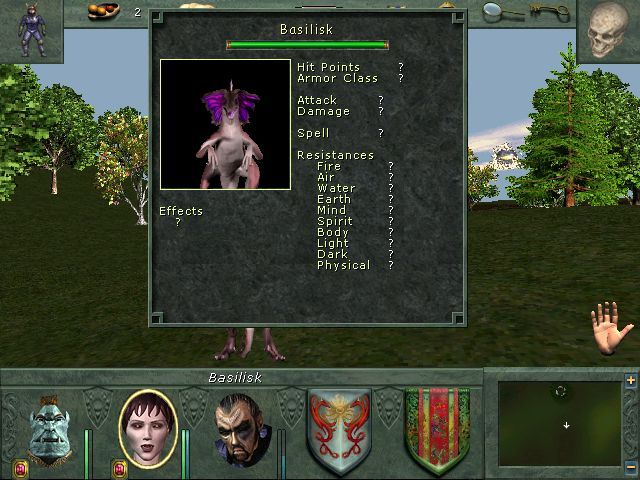
Combat unfolds on a hex-based battlefield where your party of up to five characters faces off against encroaching forces from the Elemental Planes. Positioning and ability management play crucial roles: archers need clear lines of sight, melee fighters must close the gap quickly, and spellcasters thrive when shielded by sturdy front-liners. Despite the engine being largely unchanged from Might and Magic VI, these mechanics remain engaging thanks to varied enemy types and environmental hazards.
Character progression strikes a balance between simplicity and depth. Instead of building an entire party at creation, you focus on one hero’s attributes and skills, then recruit NPCs with distinct racial bonuses—be it the brute strength of a minotaur, the arcane affinity of a dark elf, or the undead resilience of a vampire. This recruitment system adds a layer of strategy, as you decide which companions best complement your playstyle and the quests you choose to pursue.
Graphics
Released in 2000, Day of the Destroyer utilizes an aging engine that, while showing its age, retains a certain nostalgic charm. The game world is rendered in pseudo-3D, with pre-rendered backgrounds that evoke classic dungeon-crawler aesthetics. Towns and interiors feature detailed textures, and the elemental rifts unleashed by Escaton brim with swirling energies and otherworldly flora.
Character and monster sprites are hand-drawn and animated in multiple phases, ensuring that every attack and spell effect feels weighty and deliberate. While polygon counts are low by modern standards, the art direction’s vibrant color palette and varied environment designs help each zone stand out. From the mossy caverns beneath Jadame to the scorching sands near the Plane of Fire, the visuals serve both atmosphere and gameplay clarity.
Lighting effects—such as torch glows, spell animations, and environmental flares—add layers of immersion despite the technical limitations. Rainstorms and swirling sandstorms, tied to the narrative of the Ancients’ assault, reinforce the game’s sense of impending doom. Though you won’t mistake this for a contemporary AAA title, the graphic style strongly supports the game’s old-school RPG vibe.
Story
The narrative propels you into a galaxy-spanning conflict between the Ancients and the Kreegans, distilled down to a desperate battle for Enroth. Escaton, a planeswalker in service to the Ancients, tears open borders to the Elemental Planes, unleashing storms and horrific creatures upon unsuspecting towns. The plot’s epic scope contrasts beautifully with your protagonist’s humble origins—a mere caravan guard destined to stand against cosmic annihilation.
Storytelling unfolds through dialogue, quest journals, and scripted events, offering a mixture of high-stakes drama and local flavor. You’ll negotiate alliances with factions like the knights of Antagarich, enigmatic wizards of Terón, and shadowy denizens of the Underworld. Each faction branch yields unique questlines that deepen the worldbuilding and present moral choices with real consequences.
While the dialogue writing can occasionally feel stilted by modern standards, the game’s lore shines through in the layered history of Enroth and the motivations of its diverse inhabitants. NPCs—from weathered sailors to planar scholars—contribute to a living tapestry, and key moments, such as confronting Escaton’s cataclysmic storms, deliver genuine narrative impact.
Overall Experience
Might and Magic VIII: Day of the Destroyer stands as a testament to old-school RPG design, blending exploration, faction politics, and tactical combat into a sprawling adventure. Its slower pacing rewards patient players who savor unlocking every dungeon secret, mastering each character’s niche, and forging alliances that can turn the tide of planar invasion.
The engine’s limitations are offset by the game’s breadth of content: dozens of side-quests, multiple faction endings, and a richly detailed bestiary that includes everything from infernal salamanders to corrupted elementals. Random loot drops and skill-based crafting systems further encourage replayability, inviting you back to Enroth with fresh party compositions and strategies.
While newer titles may surpass Day of the Destroyer in visual fidelity or streamlined mechanics, few offer its unique blend of cosmic stakes and grassroots heroism. As a sequel to For Blood and Honor, it captures the spirit of the series while carving out its own identity. For players craving a challenging, lore-driven RPG with old-world charm, this installment remains a worthy journey into the heart of elemental chaos.


Reviews
There are no reviews yet.