 Retro Replay Retro Replay gaming reviews, news, emulation, geek stuff and more!
Retro Replay Review
Gameplay
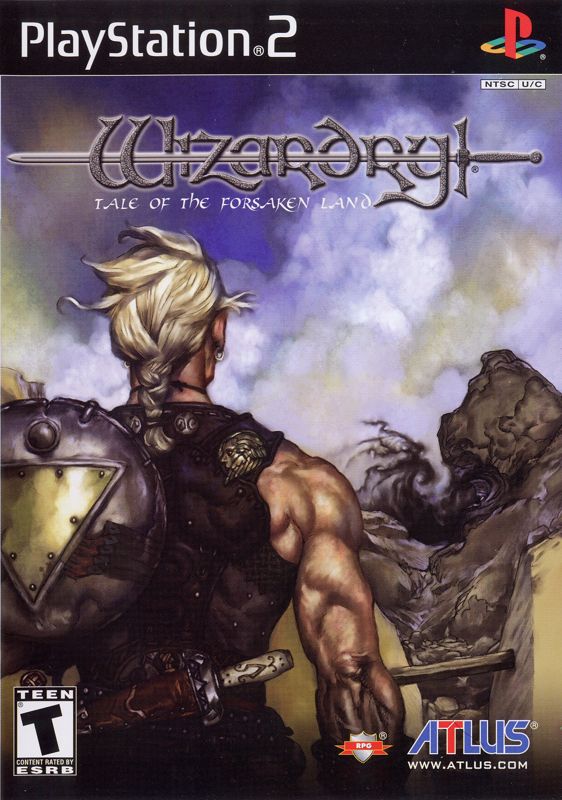
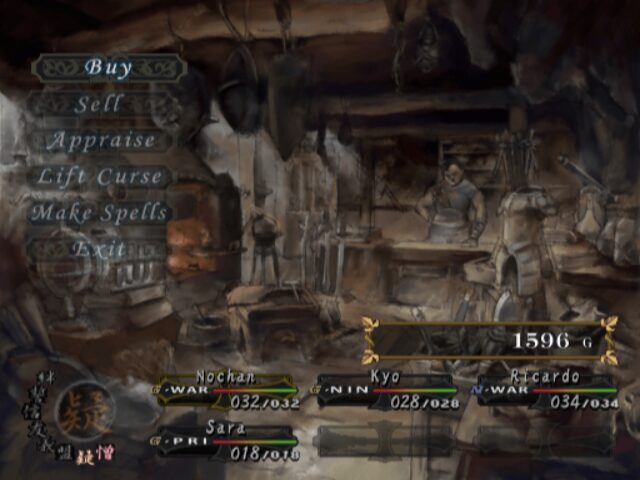
Wizardry: Tale of the Forsaken Land plunges you into a classic first-person dungeon crawl that splits its time between the ruined city of Duhan and a sprawling, multi-level labyrinth beneath the castle. In town, you’ll recruit new party members, manage supplies, rest to recover health and spell points, and prepare for the next descent. Once you step into the dungeon, exploration becomes the core experience: mapping winding corridors, uncovering secret rooms, and collecting treasures while avoiding traps and ambushes.
(HEY YOU!! We hope you enjoy! We try not to run ads. So basically, this is a very expensive hobby running this site. Please consider joining us for updates, forums, and more. Network w/ us to make some cash or friends while retro gaming, and you can win some free retro games for posting. Okay, carry on 👍)
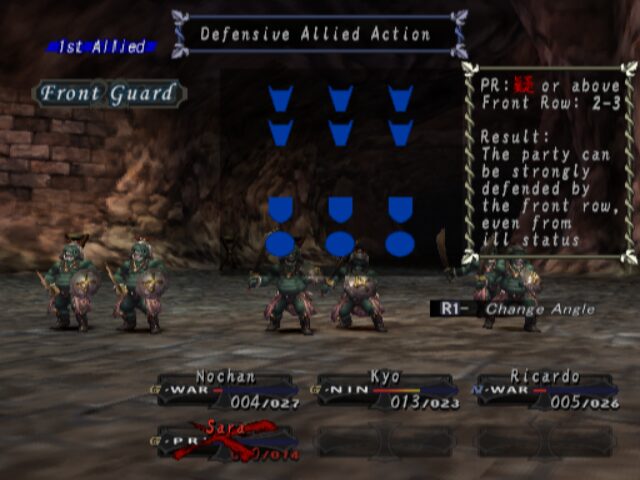
Combat unfolds in traditional turn-based encounters. Enemies appear at random or in predetermined groups, and your success hinges on careful formation, class synergy, and timely spell use. Warriors and Knights hold the front lines, Priests and Bishops support with healing and buffs, while Sorcerers and Ninjas dish out high damage or exploit elemental weaknesses. Each battle demands attention to positioning and resource management—one wrong move can send your party back to town for healing.
The party-building system is rich with options: eight distinct classes—including Samurai and Ninja—each bring unique abilities and background stories. Some advanced classes only join once you’ve demonstrated dungeon-delving prowess, encouraging replay and exploration. Character progression feels rewarding, as leveling up grants new spells, skills, and passive bonuses that shift your tactical approach over hundreds of floors.
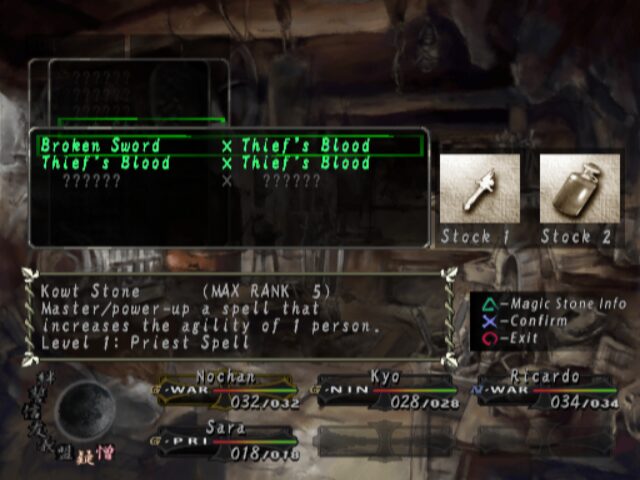
Customization extends beyond levels and spells. Thieves unlock chests and disarm traps through a timing-based mini-game that adds tension to each encounter with a locked treasure trove. Magic users must memorize spells against a limited pool of spell units, and crafting systems let you combine components to forge upgrade stones that strengthen your arsenal. These layered mechanics ensure that every trip beneath Duhan keeps you engaged.
Graphics
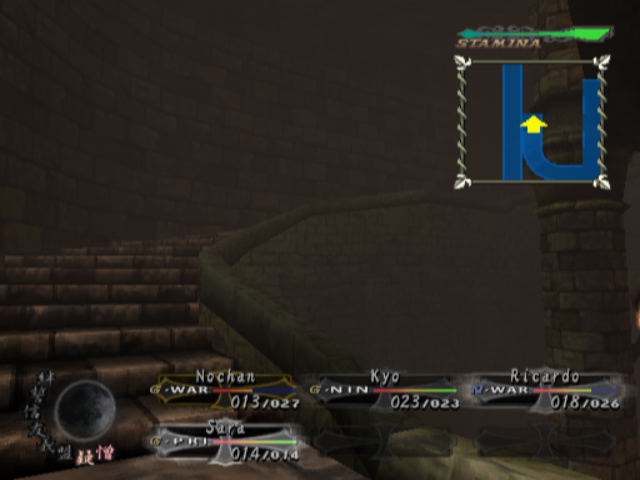
For a title rooted in early-2000s hardware, Tale of the Forsaken Land presents a surprisingly atmospheric visual experience. The labyrinth’s stone walls and flickering torchlight evoke a sense of claustrophobic dread as you navigate each corridor. Texture work on moss-covered bricks and bone-littered floors reinforces the feel of a once-grand castle now claimed by darkness.
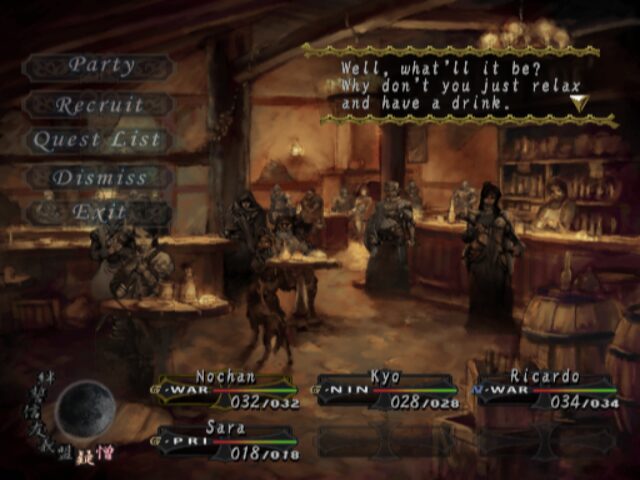
Character portraits in town and during dialogue are hand-drawn with a distinct Japanese art style, providing personality and charm to otherwise stoic classes. In contrast, in-dungeon character models and enemy designs rely on simple polygons but compensate with effective animations for attacks and spellcasting. While the draw distance is limited, clever use of fog and lighting hides pop-in and keeps the mood intact.
The town of Duhan offers a stark visual contrast: snow-laden rooftops, frozen fountains, and a silent marketplace underscore the city’s abandonment. Subtle snowfall effects and ambient wind sounds complete the frozen tableau, making each return trip to town a reminder of the kingdom’s tragic state. Shops and inns are clearly laid out, with intuitive icons and menus that aid quick navigation between services.
Spell effects range from simple glowing spheres to elaborate rune-inscribed circles, and despite their low polygon count, they deliver satisfying visual feedback. Enemy attacks leave scorch marks on walls, and healing spells generate shimmering light that briefly illuminates dark corners. Overall, the graphics strike a balance between functional clarity and evocative atmosphere.
Story
Once a peaceful realm, the kingdom of Duhan was torn apart by a mysterious flash that ravaged the land overnight. Thousands perished, and the survivors were left to eke out an existence amid perpetual cold and isolation. The Queen vanished into a colossal underground labyrinth built beneath the castle—a structure said to hold the key to reversing Duhan’s curse.
Your protagonist arrives at the brink of this forsaken land, charged with finding the lost monarch and restoring hope to a shattered kingdom. Along the way, you’ll recruit companions whose own backstories intertwine with Duhan’s fate. Each character carries personal stakes, from samurai seeking redemption to sorcerers chasing the promise of arcane secrets hidden in the depths.
Story beats unfold through triggered scenes in the dungeon, journal entries found in hidden rooms, and brief conversations in town. While exposition can sometimes feel sparse between major reveals, every discovered artifact or map fragment adds context to the disaster that befell Duhan. This piecemeal storytelling invites players to piece together the truth at their own pace.
By the time you confront the labyrinth’s final chambers, you’ll have unraveled much of the kingdom’s mystery and formed strong attachments to your party. The narrative culminates in a series of challenging boss fights that tie directly into the lore you’ve unearthed. Despite a few pacing lulls, the overall journey remains compelling for fans of mystery-driven RPGs.
Overall Experience
Wizardry: Tale of the Forsaken Land stands as a love letter to old-school dungeon crawlers, offering deep mechanics, demanding difficulty, and an oppressive atmosphere that few modern titles replicate. The learning curve is steep, with survival depending on careful mapping, resource management, and occasionally tedious backtracking. However, overcoming these challenges yields a gratifying sense of accomplishment.
The game’s strengths lie in its party customization, atmospheric presentation, and the thrill of discovery as you decode the labyrinth’s secrets. Crafting upgrade stones and mastering the trap-disarming mini-game add variety to standard dungeon fare. A robust class system with eight distinct roles ensures that no two playthroughs feel identical.
On the flip side, the interface can feel dated, and the necessity of manual mapping may deter casual players. Random encounters can become repetitive, and save points are spaced far apart—intensifying tension but also risking frustration. Yet for those willing to embrace its vintage roots, the experience is richly rewarding.
Ultimately, Wizardry: Tale of the Forsaken Land is a niche gem for enthusiasts of hardcore RPGs and atmospheric dungeon crawls. Its immersive world, layered mechanics, and enigmatic story combine to form an adventure that lives up to its title—exploring the forsaken and hoping to bring light back to a kingdom in ruin. If you crave a challenging, methodical journey through darkness, this is a quest worth undertaking.


Reviews
There are no reviews yet.