 Retro Replay Retro Gaming History, Reviews & Emulation
Retro Replay Review
Gameplay
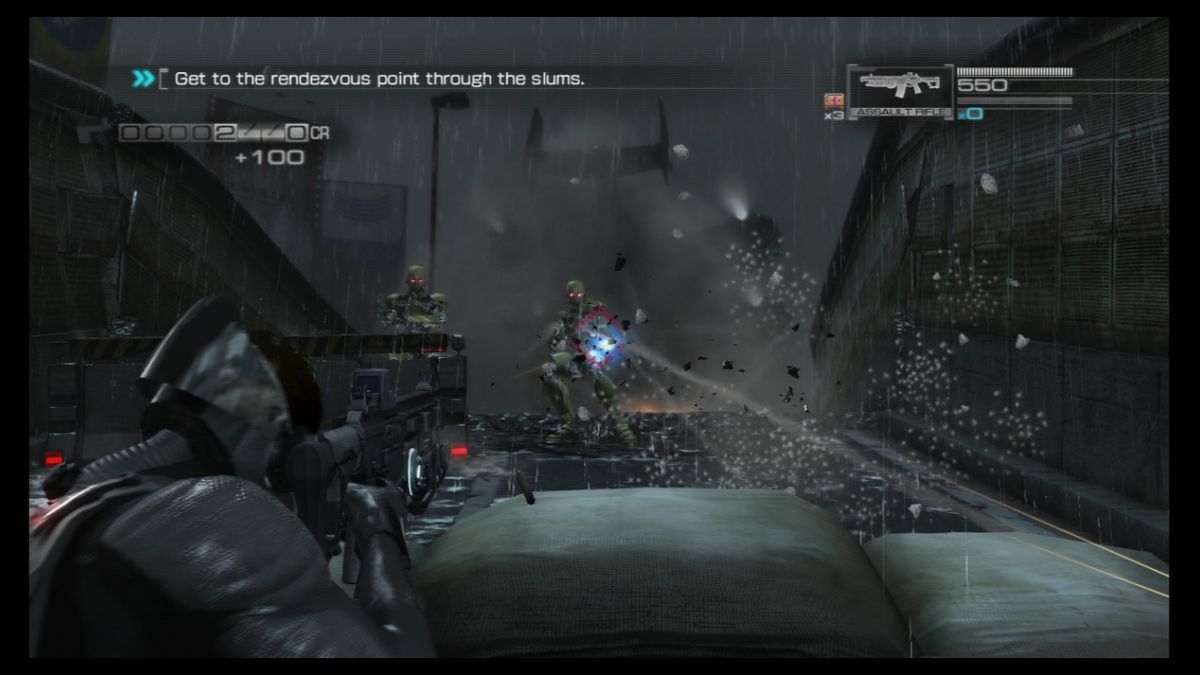
The first hour makes its strongest case through robot combat. Binary Domain is a third-person, cover-based shooter, but it refuses to treat every target like a disposable metal mannequin. If you take an arm, a robot loses the ability to fire; hit the legs and it slows down. You start looking at enemies as problems to dismantle rather than health bars to erase, and that makes even familiar firefights feel more hands-on.
That targeting idea also keeps you alert because disabling a robot is not always the same as finishing it. A damaged machine can demand extra attention, so there is a useful tension between carefully removing the immediate threat and making sure it stays down. When larger opponents arrive, directing the squad to concentrate fire on particular points gives the battles a welcome sense of coordination instead of leaving you as a lone shooter with spectators.
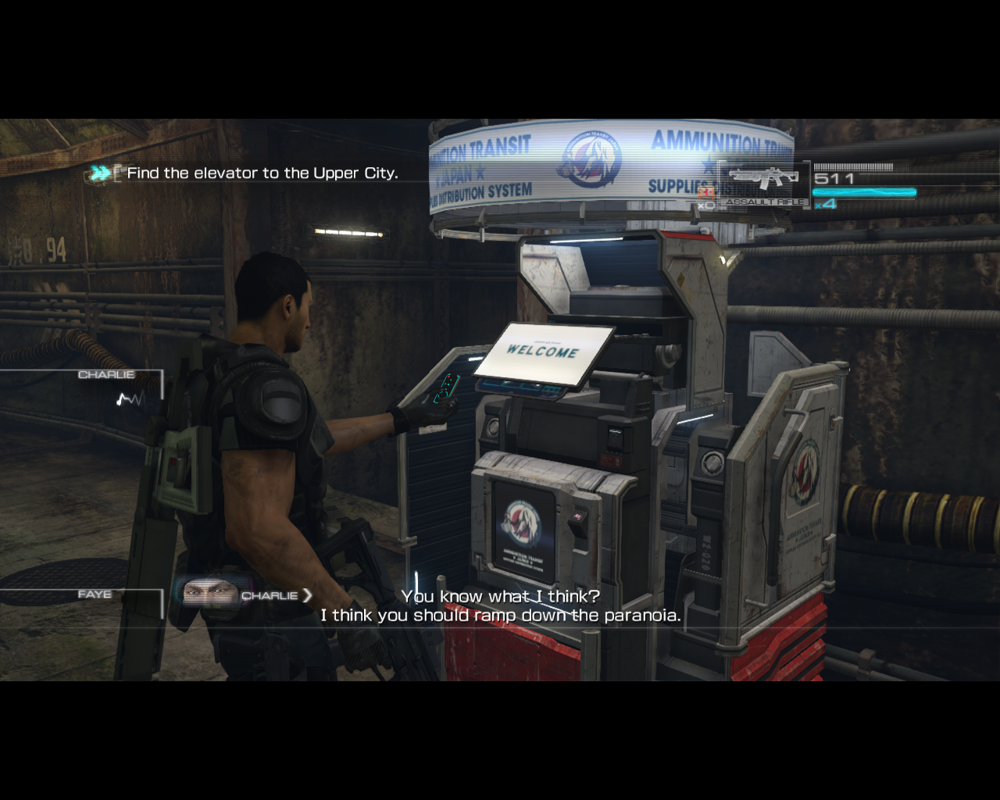
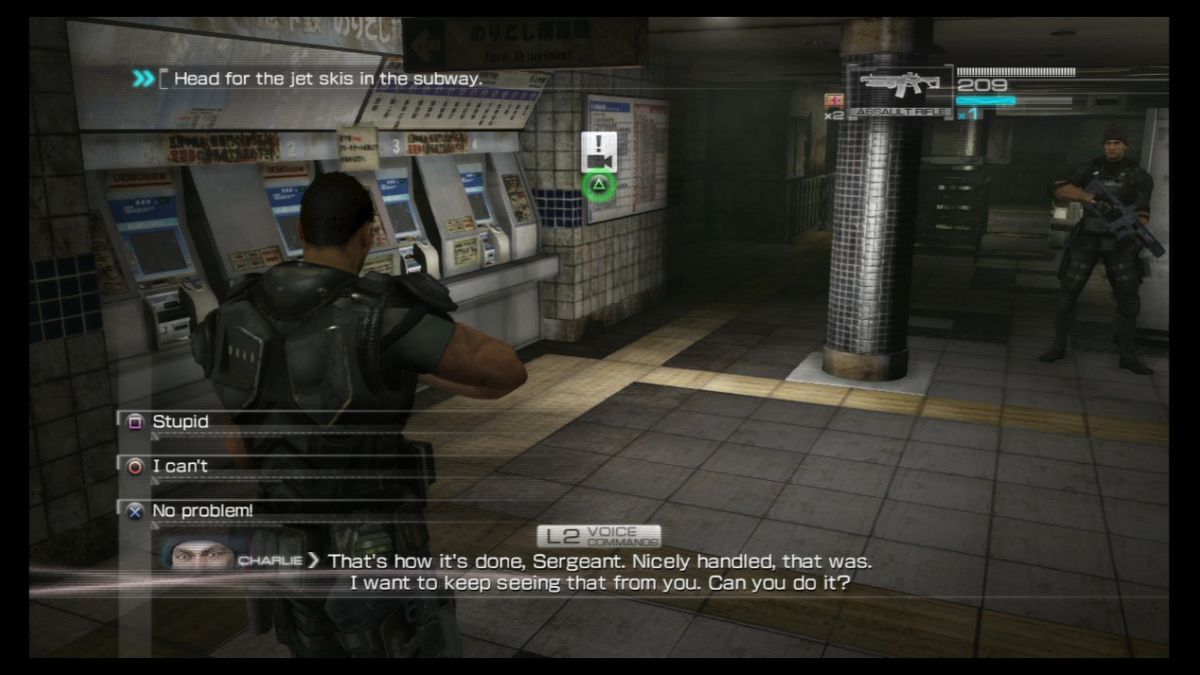
Your R.U.S.T teammates are not just backup guns. Their Trust Meter changes how willing they are to take risks, and your conduct in combat and answers during conversations can raise or lower it. That gives your moment-to-moment choices some weight, though it can also be frustrating when a wrong conversational response affects a relationship. Voice commands are an interesting option for headset users, while controller commands mean you can still lead the team without speaking aloud.
Graphics
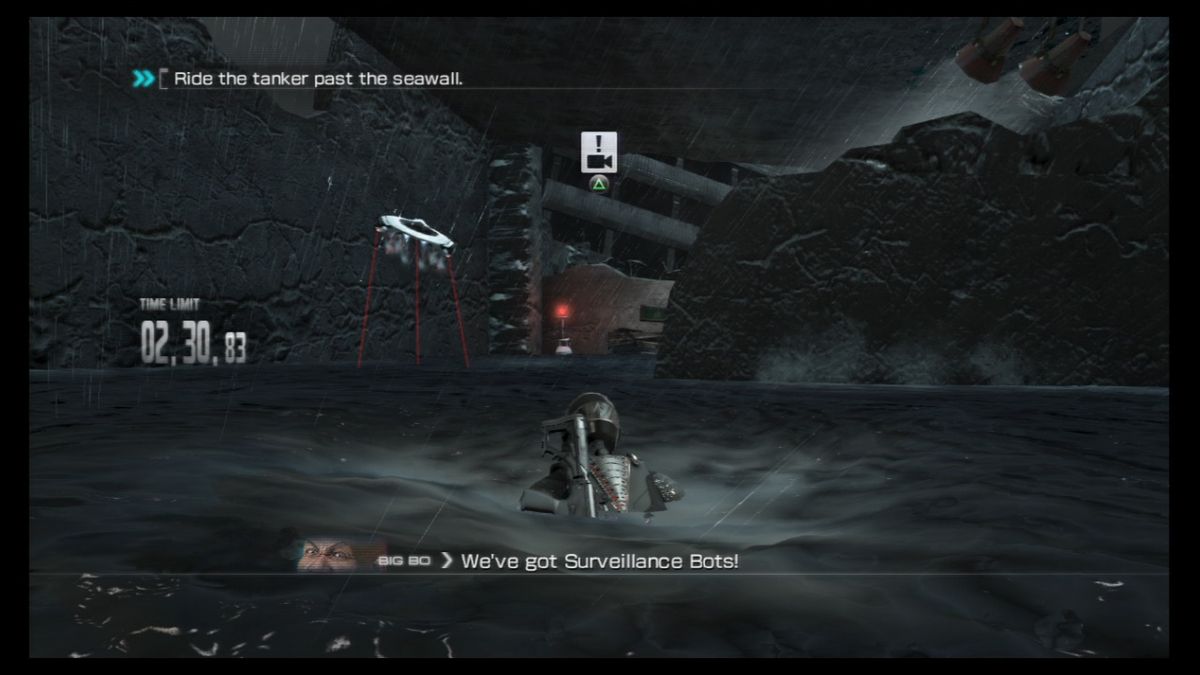
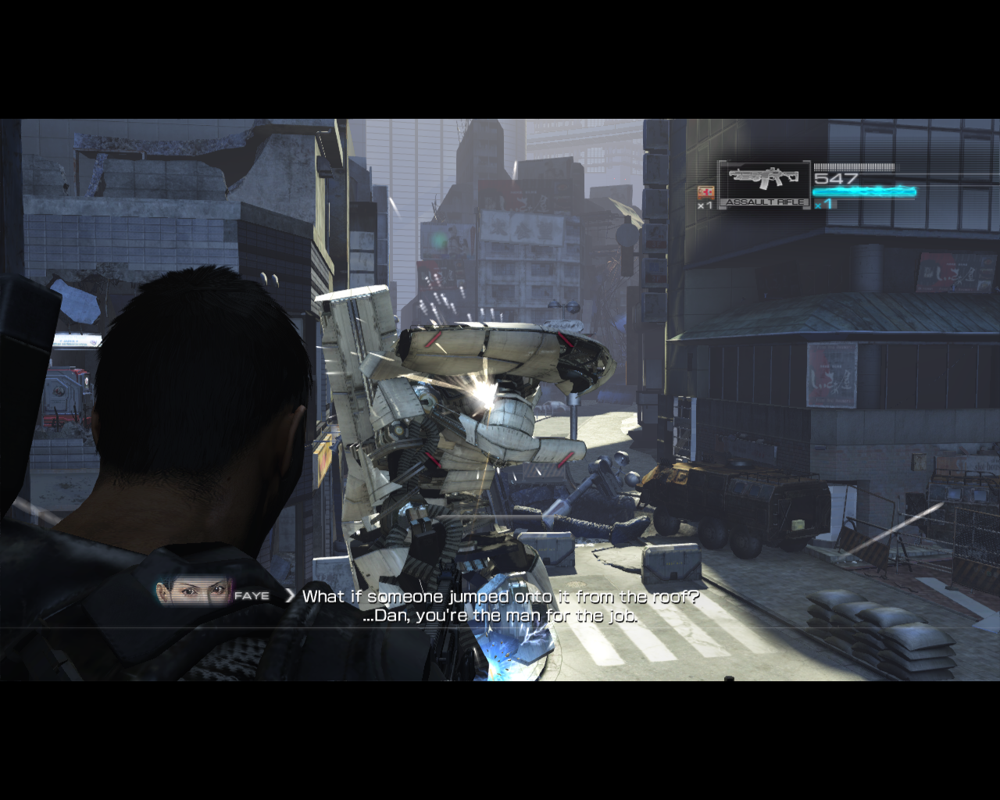
The behind-the-back camera keeps the focus on Dan, his squad, and the robot bodies coming apart under fire. Flooded Tokyo and its raised-city premise give the sci-fi setting a strong backdrop, while the practical dismemberment makes enemy damage easy to read in the middle of a fight.
Story
Binary Domain has a better hook than its broad robot-shooter setup initially suggests. Climate catastrophe has drowned most habitable land, labor shortages have normalized a robotic workforce, and the New Geneva Convention forbids machines that can pass for human. The phrase “hollow children” immediately adds unease to the premise: these are not merely illegal robots, but beings who may have lived believing they were people.
Dan Marshall’s mission—leading a UN R.U.S.T crew into Tokyo to bring Amada’s CEO in for answers—gives the campaign a direct forward drive. The inciting hollow child’s break-in at Bergen turns the investigation into a question of corporate responsibility and human identity, not just a reason to shoot through robot armies.
The trust system is the story’s most useful connective tissue. Since your dialogue answers affect how much your squad believes in you, conversations are not entirely separate from the action. You should not expect every answer to feel comfortable or obvious; that uncertainty is part of what makes the team dynamic worth paying attention to.
Overall Experience
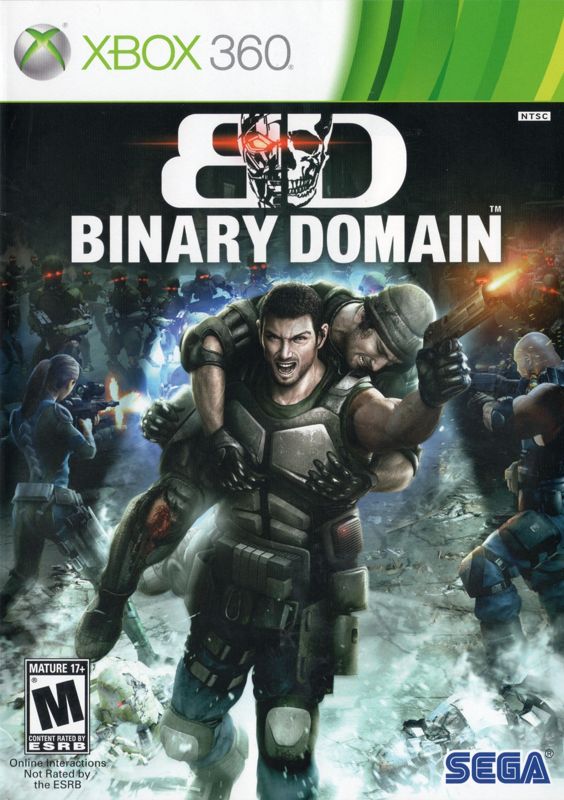
Binary Domain earns its 7.6 through a combat loop that understands why robots are fun enemies: they can be strategically taken apart, yet they remain dangerous even when damaged. It takes a familiar cover-shooter structure and gives you concrete decisions beyond simply aiming for the center of mass.
The squad systems give the campaign personality, but they also ask you to engage with commands, trust, and dialogue consequences rather than treating companions as invincible scenery. If that sounds like welcome involvement, you will get more out of the game than someone who only wants a frictionless shooting gallery.
Give it a chance if you enjoy sci-fi action with a real squad-management streak and like firefights where disabling an enemy can be smarter than destroying it outright. For release and background details, the Binary Domain history and release overview is a useful companion. The payoff is a sturdy, inventive robot shooter whose best ideas show up right where they should: in the pressure of battle.


Reviews
There are no reviews yet.