 Retro Replay Retro Gaming History, Reviews & Emulation
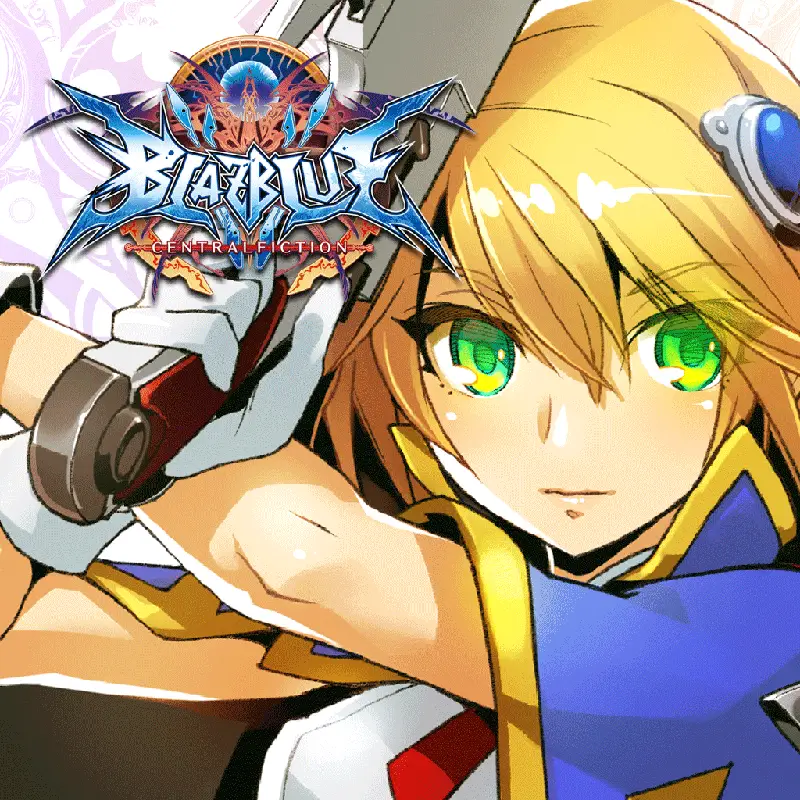
Game Overview
Gameplay
Central Fiction feels exciting before you fully understand it. You can jump into a match, throw out light, medium, and heavy attacks, then discover that the fourth button, Drive, is where your chosen fighter starts doing things nobody else can. One character may lean on elemental attacks, another on stance changes, another on a personal resource to manage. That variety makes the roster of more than 30 fighters feel meaningfully broad instead of padded with minor variations.
The initial hurdle is that BlazBlue asks you to learn more than basic combos. Heat fuels powerful Distortion Drives and Exceed Accels, while barrier blocking and counter bursts give you defensive answers when an opponent has you trapped. Overdrive adds another important decision: spend it for temporary powered-up options and longer combo potential, or hold it for a better moment. None of this is casual button-mashing material, but the systems fit together well once you stop treating meter as a panic button.
Active Flow gives the fighting a welcome push forward by rewarding aggression with stronger damage and regeneration, while overly passive play is less rewarding. That does not turn every match into reckless offense, since defense still has real tools, but it helps keep rounds from becoming a waiting game. The practical advice is to start with the tutorials and Training Mode, then commit to one character for a while. Trying to absorb the entire cast at once is a fast route to feeling lost.
There is also real value beyond standard versus battles. Arcade and Score Attack serve the usual fighting-game purposes, while Grim of Abyss adds a survival progression loop built around leveling characters, gaining abilities, and taking on increasingly difficult fights. Local and online multiplayer, including ranked and casual play, give the game room to grow with you after the solo material stops being your main focus.
Story
This is explicitly the end of the BlazBlue saga, and it treats that responsibility seriously. Ragna the Bloodedge’s conflict with the Novus Orbis Librarium and the Boundary unfolds through a visual novel-style mode that moves among interconnected character arcs. If you have followed the earlier games, the focus on long-running fates and resolutions should land as intended. If this is your first BlazBlue, expect a dense wall of names, concepts, and history rather than a clean entry point.
Overall Experience
Central Fiction is at its best when a character’s individual gimmick stops feeling strange and starts feeling natural in your hands. That moment can take time, especially against stronger opponents, but it is a satisfying kind of effort. You are not merely learning a universal combo route. You are learning how your fighter wants to control space, spend resources, and turn a small opening into momentum.
The biggest strength is how much game there is for different kinds of fighting-game fans. Competitive players have deep match systems and a cast built for long-term study. Solo-minded players have tutorials, story content, arcade challenges, and Grim of Abyss. The tradeoff is that the game can be demanding in every direction: mechanically dense in matches and narratively dense in Story Mode.
If you want a forgiving first fighting game, there are easier places to begin. But if you enjoy digging into systems, gradually recognizing what makes a character tick, and having a large roster worth revisiting, Central Fiction earns the investment. It closes its saga with confidence and delivers the kind of layered 2D fighting that can stay rewarding long after the first burst of flashy combos wears off.


Reviews
There are no reviews yet.