 Retro Replay Retro Gaming History, Reviews & Emulation
Retro Replay Review
Gameplay
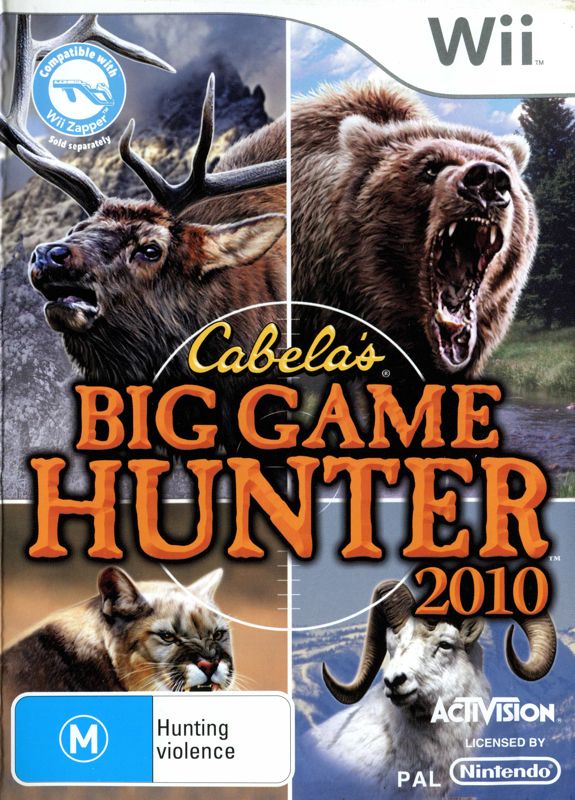
The first hour is built around a straightforward hook: move through a hunting area, locate valuable game, and make each shot count. Deer, rams, and bears give the hunts a clear target, while the scoring pushes you to think beyond simply landing any hit. A successful kill is only part of the job; your performance on each challenge determines the grade and medal you take away.
Hunter’s Sense makes the game unusually accommodating. It can point you toward animals and through the level, then show where your shot will land on the target. That removes much of the uncertainty that can make hunting games slow or punishing. When you want a clean kill without spending ages guessing at tracks or anatomy, it is genuinely useful. On the other hand, veterans after a stricter simulation may find that help takes some of the tension out of the stalk.
Each level contains four to ten challenges, which gives the game a tidy rhythm of short goals rather than one long, unstructured hunt. The medal system is the right kind of incentive for replaying a section and trying to improve a result. Shooting galleries broaden that score-chasing focus further: they are there for the times when you would rather test your aim directly than work through another hunt.
Graphics
You see the action from a first-person hunting view, with deer, rams, and bears serving as the central targets across several hunting locales. Hunter’s Sense also displays the likely point of impact on an animal, making shot placement immediately clear before you pull the trigger.
Story
This is structured around hunting objectives and performance grades, not a detailed narrative hook. Your motivation is practical: find the biggest game, complete the assigned challenges, and earn stronger medals.
That stripped-down approach fits the score-driven format. Every level gives you a reason to focus on the next set of hunts instead of asking you to follow a larger plot between them.
If you need characters or dramatic stakes to carry a campaign, this will feel thin. If a simple run of increasingly judged hunting tasks is enough, the lack of narrative detours keeps the focus where it belongs: on the shot.
Overall Experience
Cabela’s Big Game Hunter 2010 is easiest to enjoy as an accessible hunting score attack. Its tracking and shot-assistance tools make it welcoming, and the grading system gives each kill more purpose than a basic point-and-shoot safari. The trade-off is that the same assistance can make the hunt feel less demanding once you understand how to use it.
Give it a chance if you want a relaxed first-person hunting game where improving a medal rank matters as much as finding the animal. Skip it if your ideal hunt depends on difficult tracking, scarce information, and the pressure of an uncertain shot.
For a look at an earlier entry in the series, see the original Cabela’s Big Game Hunter. This 2010 outing earns its place through brisk challenges and repeatable scoring, even if it does not dig very deep.


Reviews
There are no reviews yet.