 Retro Replay Retro Replay gaming reviews, news, emulation, geek stuff and more!
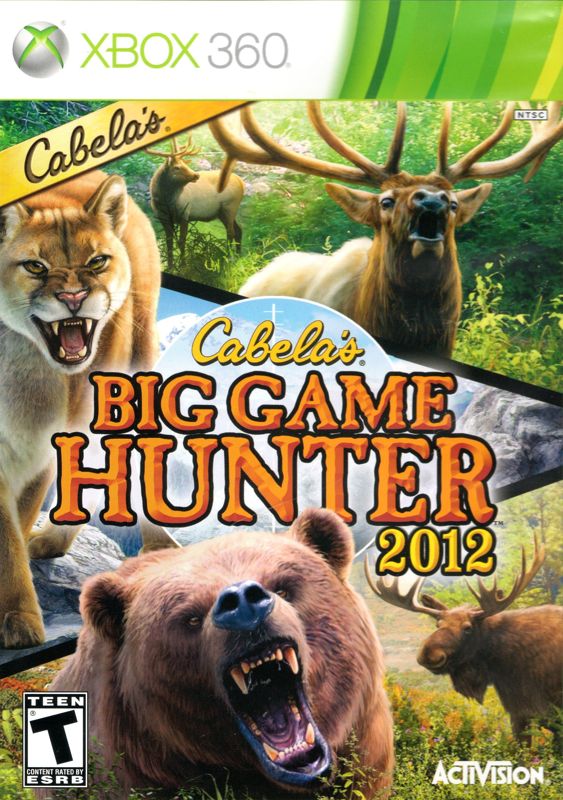
Retro Replay Review
Gameplay
The first hour gets its hooks in with simple, recognisable first-person shooting. You enter a hunt, identify the animal and objective, then make the shot count. That directness is a strength: there is no mystery about what you are meant to do, and a good shot has more satisfaction than spray-and-pray firefights because the target and challenge are specific.
What helps the campaign avoid becoming a string of identical hunts is its bonus structure. Shooting a red deer is one task; shooting it in the heart is another proposition entirely. Those optional requirements give you a reason to slow down and aim with care, and they are the part most likely to make a completed hunt feel earned rather than merely finished.
Each location contains three levels and three hunts per level, so the structure is deliberate and segmented. The worldwide stops, including Montana and Nigeria, change the backdrop while the tournament keeps pushing you forward. Frustration can set in if you want a loose, exploratory hunting trip: this is built around defined challenges and progress through a contest, not open-ended wandering.
Outside Story Mode, the galleries are a sensible change of pace. Arcade is the uncomplicated high-score option, Reflex asks you to take animals in a specified order, and Target turns to wooden pop-up animals and clay pigeons. Reflex has the sharpest competitive hook, while Target is the clearest fit when you simply want to test your aim without campaign chatter.
Graphics
The game uses a first-person viewpoint, putting the animals and your sightline at the center of every hunt. Montana and Nigeria at least give the campaign distinct places to move through, while the Target galleries trade wildlife for plainly artificial wooden pop-ups and clay pigeons. That makes it easy to tell when you have switched from a hunt to a range-style challenge.
Story
This is a tournament story, and it knows its place. You are one competitor in a hunting contest, moving from stop to stop as the event unfolds. The premise gives the sequence of hunts a reason to exist beyond a menu of disconnected targets.
Most of the narrative arrives through chatter among the tournament participants during each stage. If you enjoy a little running commentary and rivalry around your shooting challenges, that structure can give the campaign some extra texture. If you want dramatic scenes or a story that takes over the game, the dialogue is more of a thread between hunts than the main attraction.
The stronger payoff is momentum. New locations and repeated tournament conversation make you feel as though you are progressing through an event, not just replaying galleries. The story does enough to carry the action, but the shot challenges remain the reason to stay engaged.
Overall Experience
Cabela’s Big Game Hunter 2012 is at its best when you meet it on its own terms: a brisk, FPS-style hunting contest where accuracy challenges matter. It is more structured than a broad hunting simulation and more methodical than an ordinary shooter, with its heart-shot-style bonuses sitting in the useful middle ground.
The Top Shot Elite peripheral is an obvious match for the game, but the standard controller setup follows familiar modern first-person controls. That flexibility matters. You can treat it as a gun-game accessory showcase if you own the peripheral, or play it as a conventional controller shooter with animal-focused objectives.
Give it a chance if score attacks, targeted hunts, and a tournament campaign sound like a good evening’s diversion. The extra galleries add welcome replay value after the story route, and the campaign’s defined format keeps the experience moving. For a look at the series’ earlier roots, see Cabela’s Big Game Hunter; release background is also covered in this game-specific history.


Reviews
There are no reviews yet.