 Retro Replay Retro Gaming History, Reviews & Emulation
Retro Replay Review
Gameplay
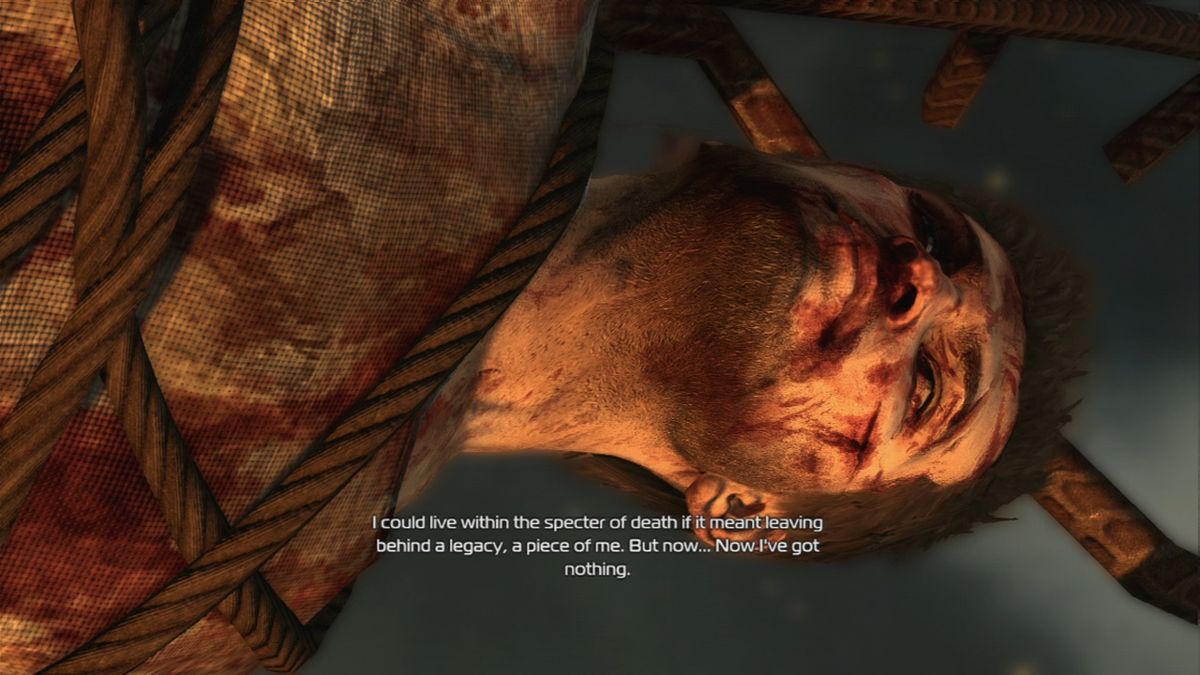
Inversion starts with the kind of pressure that makes you want to push on: Davis Russel is captured, facing execution, and the campaign rewinds to show how Vanguard City collapsed under the Lutadore invasion. Once the shooting begins, though, you are in recognizable third-person cover-shooter territory. You move between cover, cycle through weapons, and fight alongside AI partners who help in combat without needing your direct commands.
The gravlink is the reason to stick around. Early on, lifting an opponent out from behind cover or yanking up a loose object and launching it across the battlefield gives a basic firefight a welcome jolt. Later upgrades let you pin enemies down and raise objects into makeshift cover, which is useful when a standard chest-high barrier is not where you need it. It is not a fully freeform physics toy—only certain objects can be manipulated—but the limits are easiest to forgive when you are improvising under fire.
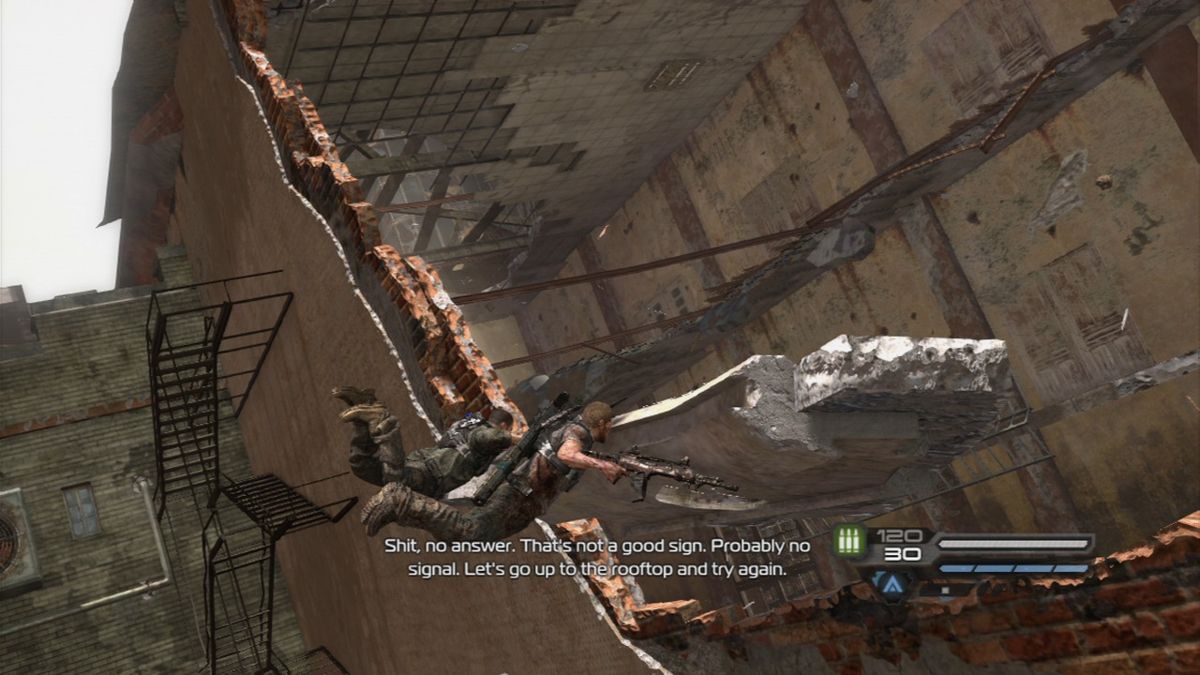
The campaign is at its best when gravity changes the battlefield rather than merely decorating it. A 90-degree shift can put you fighting along the side of a building, while a full reversal sends the action to the ceiling. Zero-gravity areas are stronger still: you float, boost through the space, use airborne debris as protection, and take shots while moving in directions a conventional cover shooter never allows.
Frustration sets in when you notice how often the game returns to ordinary cover exchanges between those better ideas. The gravity shifts occur at designated moments, and the object manipulation cannot transform every arena. That makes Inversion feel less inventive minute to minute than its premise suggests. If you can enjoy a solid, familiar shooter that periodically gets weird in a genuinely entertaining way, the gravlink has enough bite to carry you through.
Graphics
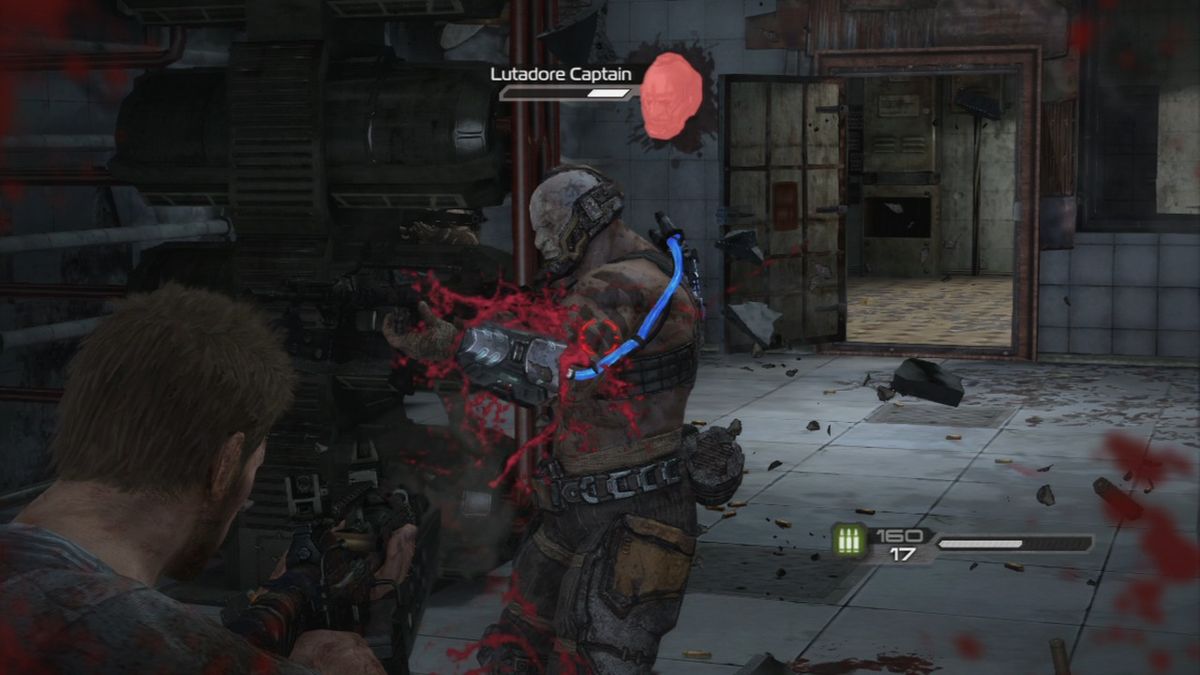
Vanguard City provides the expected near-future urban battlegrounds, but the clearest visual draw is the changing orientation of combat. Seeing soldiers and debris cling to a wall after a 90-degree gravity turn, or float around you in zero gravity, makes the action easy to read and gives the game its most memorable images.
Story
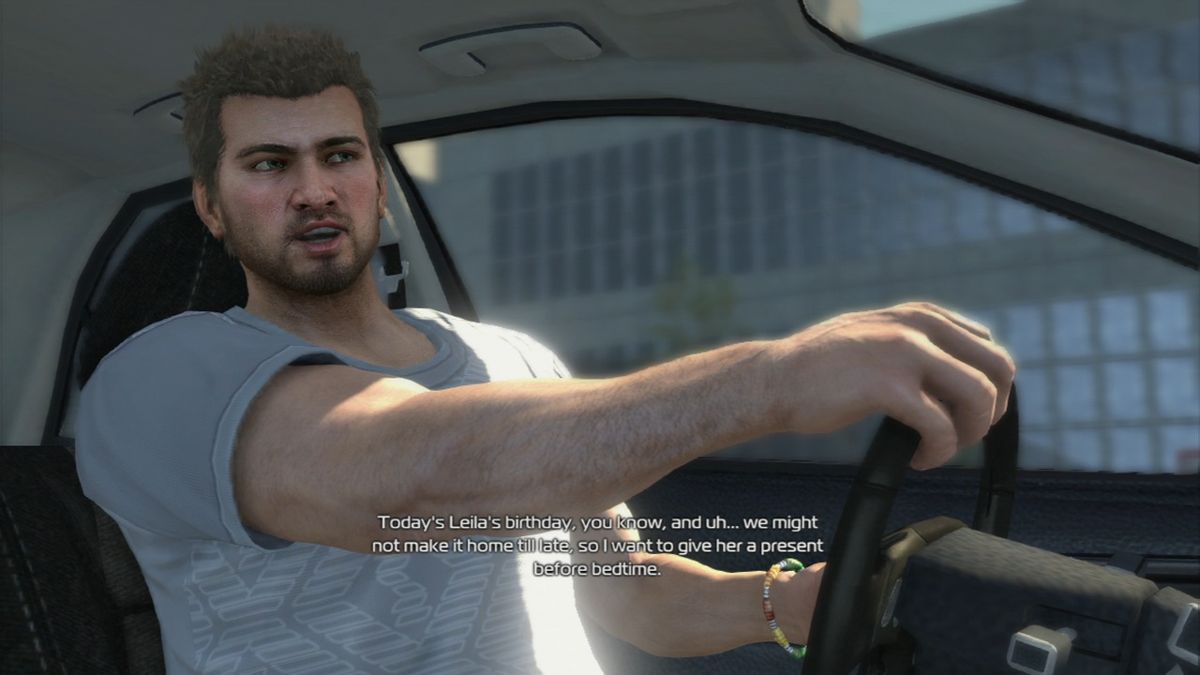
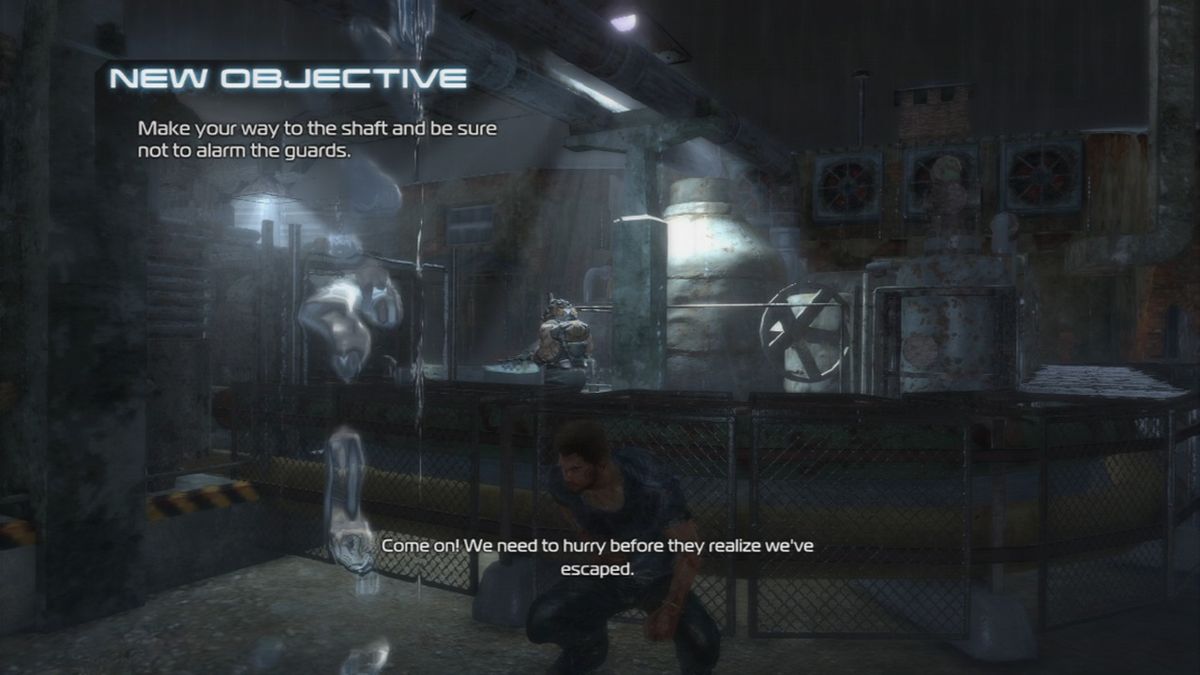
The story has a straightforward personal engine: cop Davis Russel is trying to survive an invasion and find his kidnapped daughter, Leila. Beginning at the apparent end, with Russel captured and awaiting execution, gives the campaign an immediate question to answer even before the flashback episodes return to the invasion’s first signs.
That framing does a decent job of giving the missions forward momentum. You know the opening disaster is leading somewhere grim, and each episode is positioned as another step toward the scene the game showed you first. The Lutadore work effectively as the force behind both the invasion and the gravity technology that reshapes combat.
Still, the strongest storytelling comes from play rather than the flashback structure. When an enemy’s technology abruptly turns a building wall into your floor, the invasion feels more immediate than it does in the broad setup alone. Come for Russel’s personal motivation if you need a reason to keep moving; stay because the next gravity-bent encounter may be the one that refreshes the campaign.
Overall Experience
Inversion is a decent shooter with flashes of a much more exciting game inside it. Its familiar cover mechanics make the controls and combat language immediately understandable, then the gravlink asks you to use that foundation differently: pull a protected foe into the open, weaponize debris, build an emergency barrier, or adapt when the whole fight rotates.
The multiplayer modes make especially good use of that central idea. Four-player Survival asks your team to beat timed events against AI opponents, while Hourglass turns captured objectives into a tug-of-war before flipping everybody onto the ceiling. Gravity Slaughter rewards gravlink eliminations, and King of Gravity makes one powerful gravlink holder the target for everyone else. These modes lean into the disorder rather than treating gravity as an occasional campaign surprise.
At 6.1, Inversion lands as a recommendation for anyone with patience for early-2010s cover shooting and a taste for offbeat combat spaces. Do not expect every encounter to exploit its big idea equally well. But when you are boosting through a zero-gravity zone or watching a gravity reversal force everyone to rethink cover, it earns a distinct place among otherwise conventional sci-fi shooters.

Reviews
There are no reviews yet.